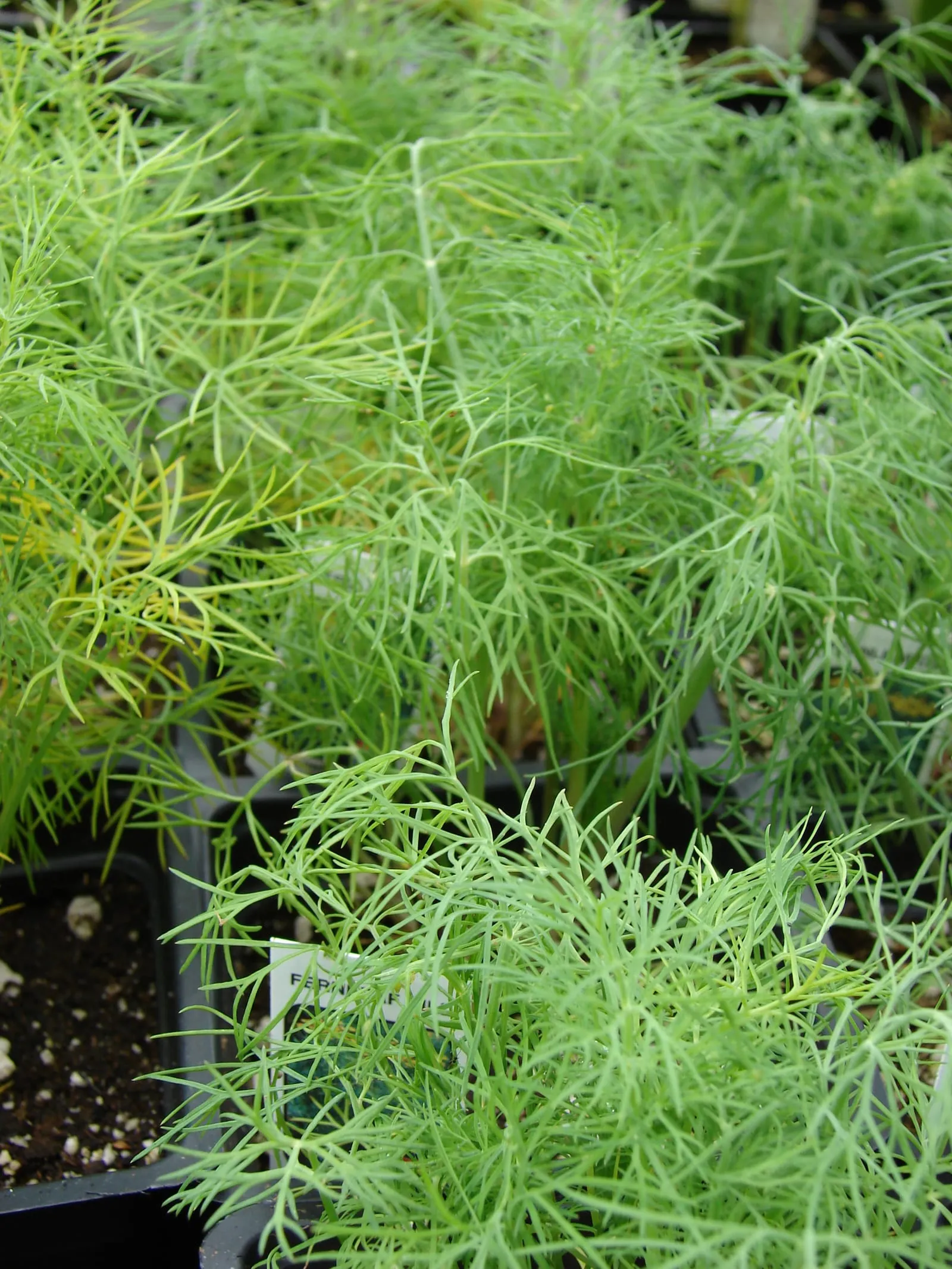
herb in zone 6b
Growing dill in zone 6b
Anethum graveolens
- Zone
- 6b -5°F to 0°F
- Growing season
- 190 days
- Suitable varieties
- 3
- Days to harvest
- 40 to 60
The verdict
Dill is a good fit for zone 6b, and this is closer to a sweet spot than a marginal case. As a cool-season annual, dill performs best when temperatures stay between 60 and 75°F during the bulk of its vegetative growth. Zone 6b delivers exactly that in spring and early fall, with a 190-day growing season long enough to support multiple succession sowings across the year.
Chill-hour requirements apply to perennial fruit crops, not annual herbs. For dill, what matters is avoiding sustained heat above 85°F during the vegetative phase, since that accelerates bolting. Zone 6b summers are warm enough to trigger bolting in midsummer but cool enough in April through June and again in August through October to allow productive foliage harvests on both ends of the season.
All three commonly available varieties, Bouquet, Fernleaf, and Mammoth, perform reliably here. Fernleaf, being a compact slower-bolting selection, holds leaves longer into the warmer edge of spring.
Recommended varieties for zone 6b
3 cultivars suited to this zone, with disease-resistance and zone-fit annotations.
| Variety | Notes | Zone fit | Disease resistance |
|---|---|---|---|
| Bouquet fits zone 6b | Strong, classic dill flavor with abundant seed heads; tall plant. Pickling, fish dishes, fresh garnish, dill seed for spice. The home-garden pickling-dill standard, productive. | | none noted |
| Fernleaf fits zone 6b | Mild, classic dill flavor; compact dwarf plant (18 inches) bred for container growing. Fresh garnish, salads, fish, gravlax. AAS winner, slow to bolt, ornamental. | | none noted |
| Mammoth fits zone 6b | Strong dill flavor, large yellow flower heads; tall plant (4-5 ft). Pickling, fresh, seed harvest. Heritage variety, the classic when you want lots of heads for canning. | | none noted |
Critical timing for zone 6b
In zone 6b, the last spring frost typically falls between April 15 and April 30, depending on elevation and local topography. Dill seed can be direct-sown 3 to 4 weeks before that date, putting the first outdoor sowing around late March to early April. Germination takes 10 to 14 days in cool soil. Leaf harvest begins around 40 to 50 days after germination.
Bolting, the shift from leaf production to flower and seed, occurs 70 to 90 days after germination under lengthening days and rising heat. By midsummer, most spring-sown plants will be in flower. Seed heads reach maturity in late July through August.
The first fall frost in zone 6b arrives roughly between October 10 and October 25. A late-July or early-August direct sowing captures a full fall foliage harvest before hard frost ends the season.
Common challenges in zone 6b
- ▸ Cedar-apple rust
- ▸ Fire blight
- ▸ Stink bugs
Modified care for zone 6b
The primary adjustment for zone 6b growers is managing the midsummer gap. Dill sown in April will bolt by late June or early July as days lengthen and temperatures climb. Rather than fighting this, plan for it: succession-sow every 2 to 3 weeks from late March through mid-May, then pause, then sow again in late July for the fall crop.
Fernleaf is the better variety choice when foliage is the priority and the growing window is tight, since it bolts more slowly than Bouquet or Mammoth. Mammoth suits growers harvesting for seed, as it produces large umbels on tall stems that ripen well before the October frost window.
Stink bugs, a documented pressure in the mid-Atlantic and lower Midwest portions of zone 6b, will feed on dill seed heads in late summer. Row cover or physical exclusion during seed fill is more effective than spraying on a fast-cycling annual. No disease-specific protocol is needed; dill is largely disease-resistant under typical zone 6b conditions.
Frequently asked questions
- Can dill overwinter in zone 6b?
No. Dill is a frost-sensitive annual and will not survive zone 6b winters, where temperatures regularly drop to -5 to 0°F. It reseeds freely if seed heads are allowed to mature and drop, which can produce volunteer seedlings the following spring, but the parent plant dies after the first hard frost.
- Which dill variety is best for zone 6b?
Fernleaf suits growers who want the longest foliage harvest window, since it bolts more slowly than standard varieties. Bouquet is the reliable all-purpose choice. Mammoth, at 3 to 4 feet tall, is best when seed production rather than leaf harvest is the goal.
- When should I sow dill in zone 6b for the best foliage harvest?
Sow outdoors in late March to early April, about 3 to 4 weeks before the average last frost. Succession sowings every 2 to 3 weeks through mid-May extend the harvest. A second planting in late July captures a full fall foliage crop before October frosts.
+−
+−
+−
Dill in adjacent zones
Image: "Starr 070906-8839 Anethum graveolens", by Forest & Kim Starr, via Wikimedia Commons, licensed under CC-BY Source.

Related