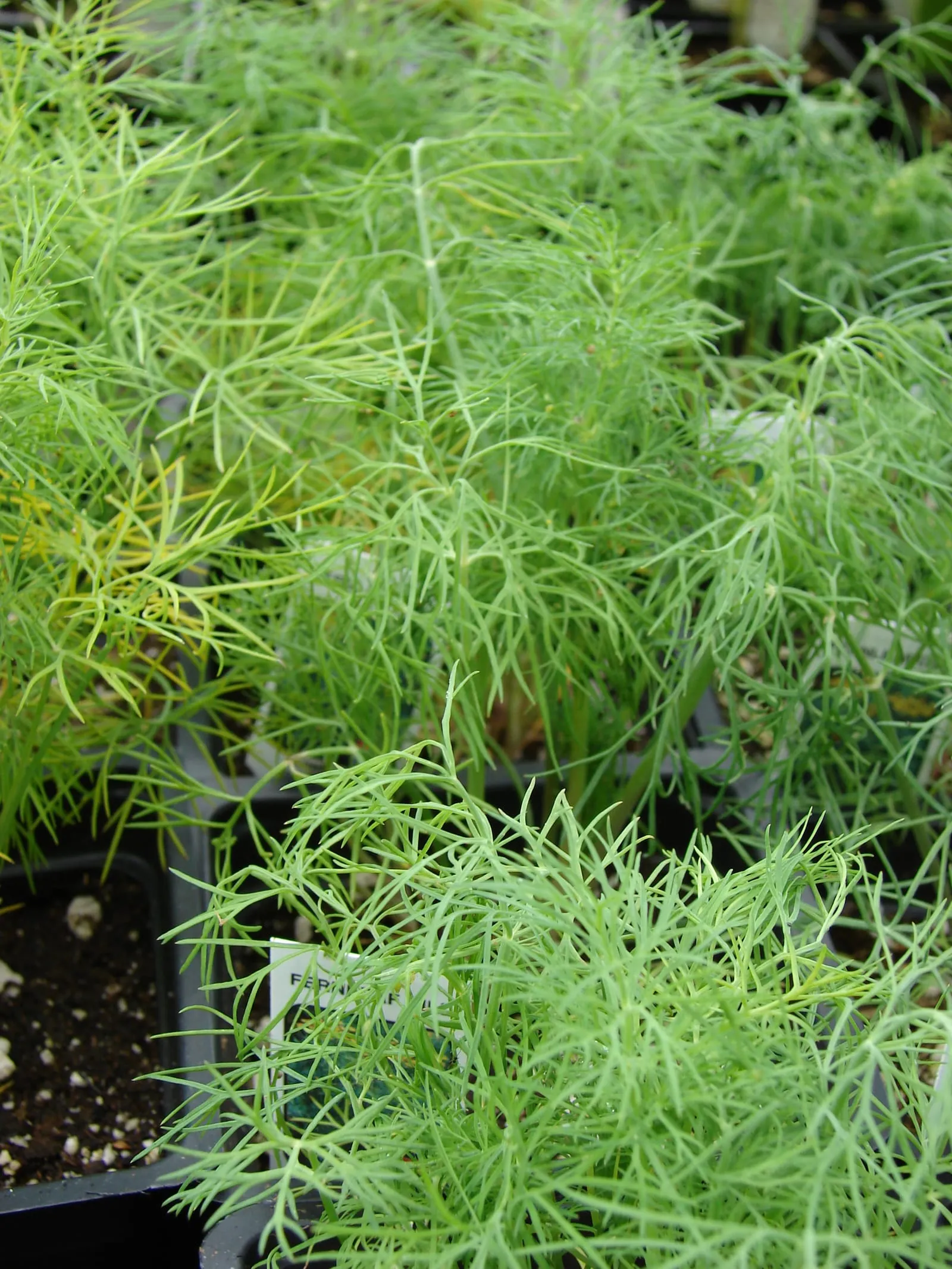
herb in zone 6a
Growing dill in zone 6a
Anethum graveolens
- Zone
- 6a -10°F to -5°F
- Growing season
- 180 days
- Suitable varieties
- 3
- Days to harvest
- 40 to 60
The verdict
Dill performs reliably across zone 6a. As a cool-season annual, it has no chill-hour requirement, so the zone's winter minimums of -10 to -5°F are irrelevant to its suitability. What matters is the shape of the growing season, and zone 6a's 180-day window accommodates two productive windows for dill: a spring planting that matures before summer heat triggers bolting, and a late-summer planting that extends into fall.
Zone 6a is not marginal for dill. It sits comfortably in the crop's sweet spot. The challenge is not getting dill to grow, but timing plantings to stay ahead of bolting. Once soil temperatures climb above roughly 75°F consistently, dill rushes to flower and seed, and leaf production drops off sharply. Varieties like Fernleaf are notably slower to bolt and hold their leaf quality longer in warm spells, which makes them a practical choice for zone 6a's sometimes abrupt spring-to-summer transition.
Recommended varieties for zone 6a
3 cultivars suited to this zone, with disease-resistance and zone-fit annotations.
| Variety | Notes | Zone fit | Disease resistance |
|---|---|---|---|
| Bouquet fits zone 6a | Strong, classic dill flavor with abundant seed heads; tall plant. Pickling, fish dishes, fresh garnish, dill seed for spice. The home-garden pickling-dill standard, productive. | | none noted |
| Fernleaf fits zone 6a | Mild, classic dill flavor; compact dwarf plant (18 inches) bred for container growing. Fresh garnish, salads, fish, gravlax. AAS winner, slow to bolt, ornamental. | | none noted |
| Mammoth fits zone 6a | Strong dill flavor, large yellow flower heads; tall plant (4-5 ft). Pickling, fresh, seed harvest. Heritage variety, the classic when you want lots of heads for canning. | | none noted |
Critical timing for zone 6a
Direct sowing in zone 6a typically begins in late March to mid-April, 2 to 4 weeks before the average last frost date. Dill germinates readily in cool soil and tolerates light frost, so early sowing carries little risk. Spring-sown plants reach harvestable foliage size in 40 to 60 days, putting first harvest in May or early June.
Bolting follows as summer heat arrives, generally mid-June through July. Seed heads mature through late July and into August. A second sowing in late July or early August takes advantage of cooling fall temperatures, with harvest extending into October. Hard freezes in late October or November terminate late plantings, but by then the plant has typically completed its cycle.
Common challenges in zone 6a
- ▸ Brown rot in stone fruit
- ▸ Japanese beetles
- ▸ Spring frost damage to peach buds
Modified care for zone 6a
Succession sowing is more important in zone 6a than in cooler regions. Because the window between the last spring frost and the onset of bolt-inducing heat can run as few as six to eight weeks, a single spring planting often gives only one or two good harvests before the plant flowers. Sowing every two to three weeks from late March through May keeps fresh foliage available through early summer.
Japanese beetles, a documented pressure in zone 6a, will feed on dill foliage and flower heads. Damage is usually cosmetic rather than crop-ending, but plantings near beetle-attractive hosts like roses or linden trees may require hand-picking or row cover during peak beetle season in July. Dill grown primarily for seed should have foliage damage managed more attentively, since heavy defoliation can reduce seed set.
Dill in adjacent zones
Image: "Starr 070906-8839 Anethum graveolens", by Forest & Kim Starr, via Wikimedia Commons, licensed under CC-BY Source.

Related