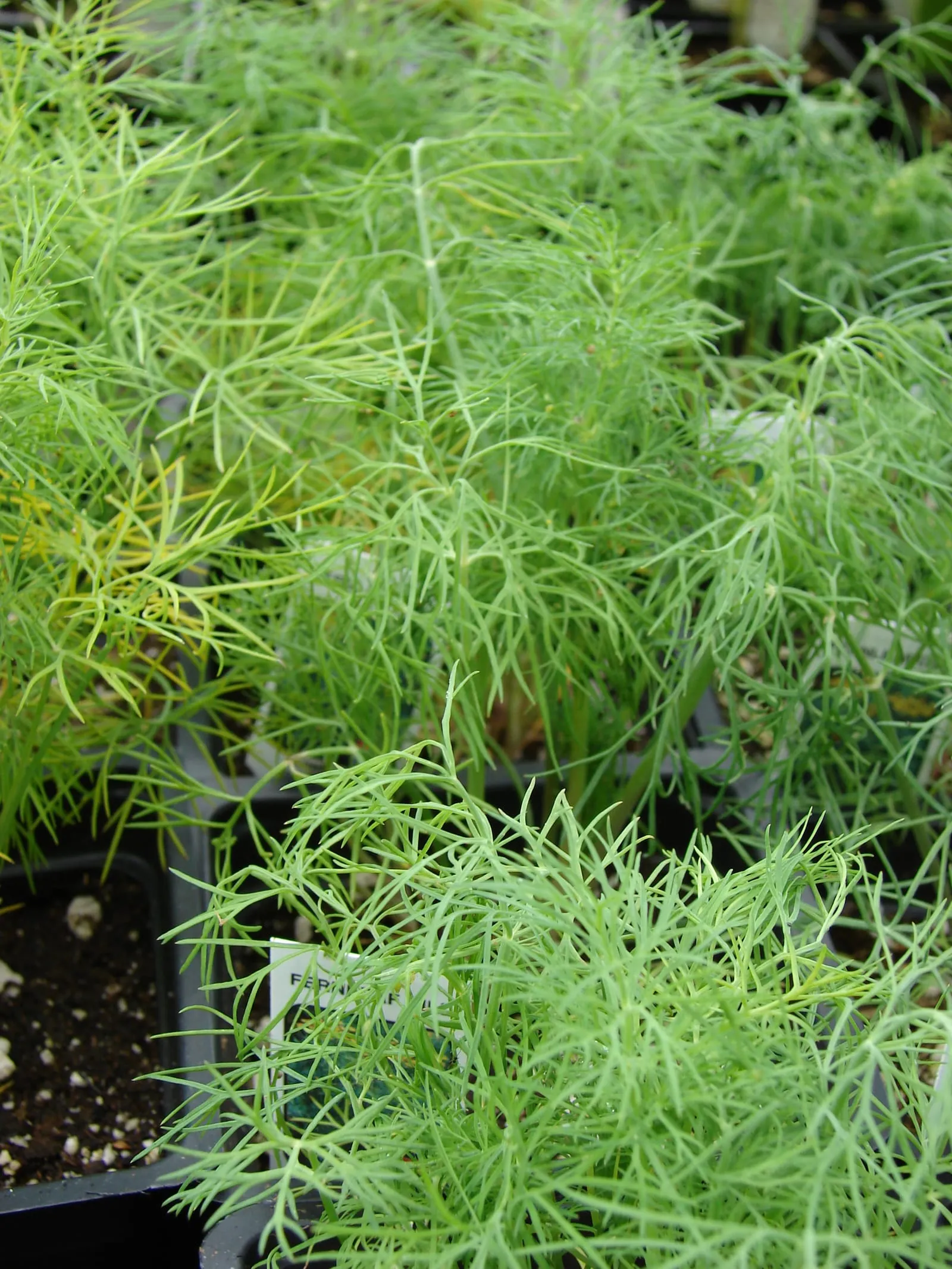
herb in zone 5b
Growing dill in zone 5b
Anethum graveolens
- Zone
- 5b -15°F to -10°F
- Growing season
- 165 days
- Suitable varieties
- 3
- Days to harvest
- 40 to 60
The verdict
Dill is a reliable fit for zone 5b. As a cool-season annual, it has no chill-hour requirement, so the zone's cold winters (-15 to -10°F) are irrelevant to its performance. The 165-day growing season comfortably supports multiple succession sowings from early spring through early fall, which is more than enough for both foliage and seed harvests.
The more relevant constraint is midsummer heat, which triggers bolting and cuts the foliage harvest window short. Zone 5b's relatively moderate summers work in dill's favor here compared to zones 7 and warmer, where the productive foliage phase can collapse within weeks of germination. Growers in this zone can realistically expect 6 to 8 weeks of good foliage production per sowing before plants push to flower.
Of the three listed varieties, Fernleaf is worth prioritizing for foliage production in zone 5b; it bolts more slowly than Bouquet or Mammoth, extending the harvest window. Mammoth is the better choice if seed harvest is the primary goal.
Recommended varieties for zone 5b
3 cultivars suited to this zone, with disease-resistance and zone-fit annotations.
| Variety | Notes | Zone fit | Disease resistance |
|---|---|---|---|
| Bouquet fits zone 5b | Strong, classic dill flavor with abundant seed heads; tall plant. Pickling, fish dishes, fresh garnish, dill seed for spice. The home-garden pickling-dill standard, productive. | | none noted |
| Fernleaf fits zone 5b | Mild, classic dill flavor; compact dwarf plant (18 inches) bred for container growing. Fresh garnish, salads, fish, gravlax. AAS winner, slow to bolt, ornamental. | | none noted |
| Mammoth fits zone 5b | Strong dill flavor, large yellow flower heads; tall plant (4-5 ft). Pickling, fresh, seed harvest. Heritage variety, the classic when you want lots of heads for canning. | | none noted |
Critical timing for zone 5b
In zone 5b, last spring frost typically falls between late April and early May, depending on location and elevation. Dill can be direct-sown 3 to 4 weeks before that date, once soil temperatures reach 60°F. Foliage becomes harvestable 40 to 60 days from germination; seeds ripen at 70 to 90 days.
Bolting accelerates through July and into early August as day length and heat combine. A late-July or early-August sowing, made after the peak heat passes, can yield a productive fall crop before first fall frost (typically mid-October in zone 5b). For seed harvest, the spring-sown planting is the most reliable; umbels mature and dry in late August, well ahead of frost risk.
Succession sowings every 2 to 3 weeks from mid-April through mid-June help bridge the midsummer bolting gap.
Common challenges in zone 5b
- ▸ Plum curculio
- ▸ Codling moth
- ▸ Cedar-apple rust
Modified care for zone 5b
Dill in zone 5b needs no winter protection or cold-hardiness adjustments; it is a frost-sensitive annual that completes its cycle before cold becomes a factor. The practical adaptations are about timing and succession management rather than climate protection.
Start the first direct sowing in early to mid-April, keyed to soil temperature rather than calendar date. Succession-sow through June to maintain a continuous foliage supply. Plan for a natural production lull during the hottest weeks of July, when even established plants shift their energy toward seed set. The fall sowing, started once temperatures drop back below 80°F, often produces the cleanest foliage of the season.
The zone challenges listed for this region (plum curculio, codling moth, cedar-apple rust) are fruit tree concerns and do not affect dill. The most common dill pest in zone 5b gardens is the black swallowtail caterpillar, which feeds on foliage but rarely causes meaningful crop loss and is generally tolerated or hand-removed.
Frequently asked questions
- Can dill overwinter in zone 5b?
No. Dill is a frost-sensitive annual that dies after the first hard freeze. It does not overwinter in zone 5b. Plants that self-seed in fall will germinate the following spring once soil temperatures warm, which can give the appearance of perennial behavior.
- Which dill variety works best in zone 5b?
Fernleaf is the best choice for foliage production in zone 5b because it bolts more slowly than Bouquet or Mammoth, extending the harvest window in a climate where midsummer heat arrives quickly. Mammoth is preferred for seed harvest due to its larger umbels.
- When should dill be direct-sown in zone 5b?
The first sowing can go in 3 to 4 weeks before the last expected frost date, typically early to mid-April in zone 5b, once soil temperatures reach 60°F. Succession sowings every 2 to 3 weeks through mid-June help maintain continuous production.
- Why does dill bolt so quickly in summer?
Dill bolts in response to long days and warm temperatures, both of which peak simultaneously in midsummer. Once plants bolt, foliage becomes sparse and bitter. Succession planting and a late-summer resowing after peak heat passes are the most effective ways to work around this tendency.
+−
+−
+−
+−
Dill in adjacent zones
Image: "Starr 070906-8839 Anethum graveolens", by Forest & Kim Starr, via Wikimedia Commons, licensed under CC-BY Source.

Related