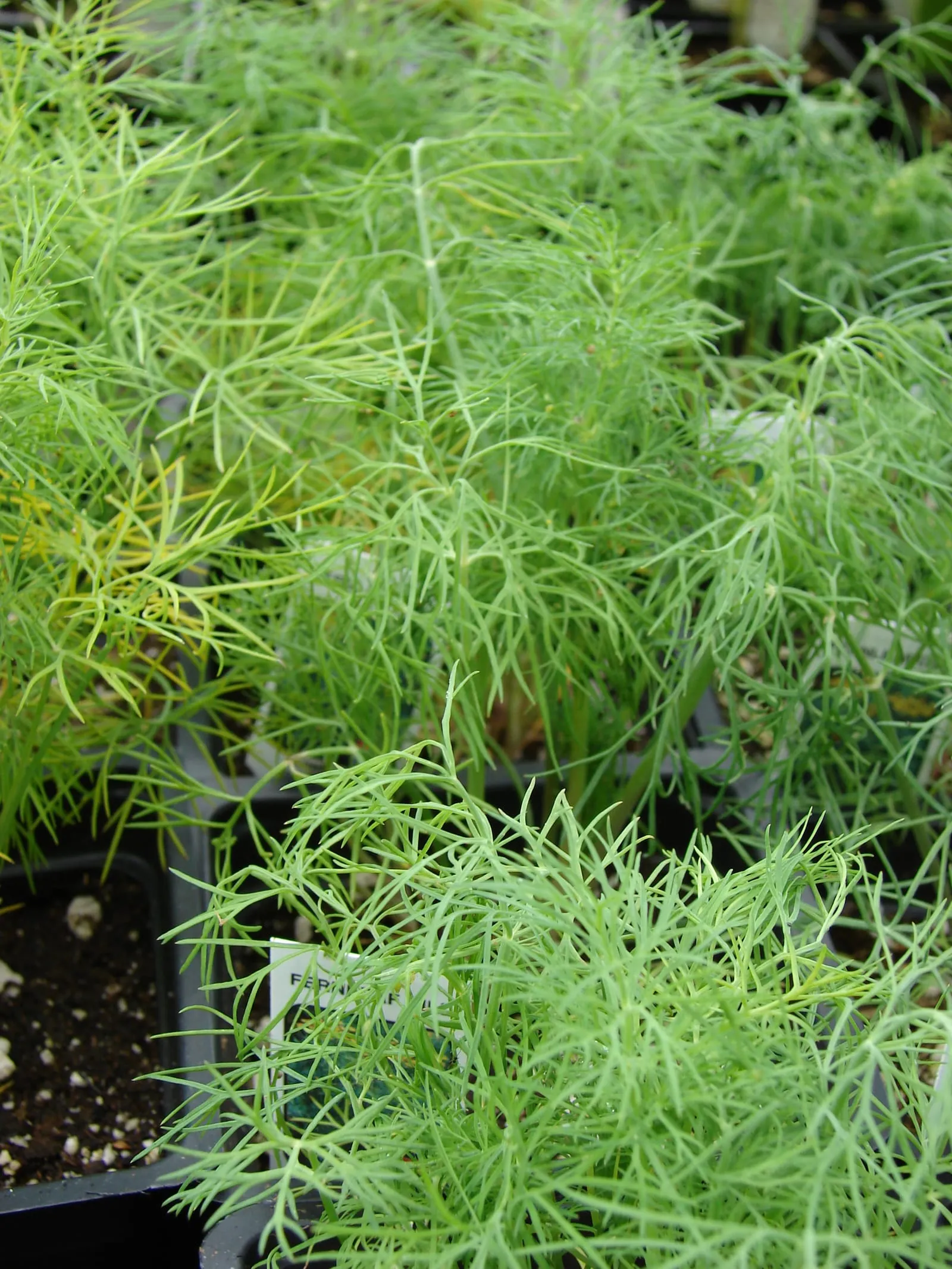
herb in zone 5a
Growing dill in zone 5a
Anethum graveolens
- Zone
- 5a -20°F to -15°F
- Growing season
- 150 days
- Suitable varieties
- 3
- Days to harvest
- 40 to 60
The verdict
Dill is a cool-season annual, so chill-hour requirements don't apply. The relevant question is whether zone 5a's temperature range and season length suit dill's growth cycle, and the answer is a clear yes. The 150-day growing season accommodates multiple successions from spring through early fall, and zone 5a's reliably cool springs extend the productive foliage window before summer heat triggers bolting.
Dill germinates well in soil temperatures between 60 and 70°F, conditions that zone 5a delivers through much of April and May. The moderate summers keep plants productive longer than in zones 7 and above, where heat pressure collapses the window to just a few weeks per planting. Zone 5a is not marginal for dill; it's a genuine sweet spot for the crop.
All three listed varieties (Bouquet, Fernleaf, and Mammoth) are well suited here. Fernleaf's slower bolt rate makes it the most forgiving choice for growers who miss the early harvest window, while Mammoth's height suits seed production if the goal is dill for pickling rather than fresh foliage.
Recommended varieties for zone 5a
3 cultivars suited to this zone, with disease-resistance and zone-fit annotations.
| Variety | Notes | Zone fit | Disease resistance |
|---|---|---|---|
| Bouquet fits zone 5a | Strong, classic dill flavor with abundant seed heads; tall plant. Pickling, fish dishes, fresh garnish, dill seed for spice. The home-garden pickling-dill standard, productive. | | none noted |
| Fernleaf fits zone 5a | Mild, classic dill flavor; compact dwarf plant (18 inches) bred for container growing. Fresh garnish, salads, fish, gravlax. AAS winner, slow to bolt, ornamental. | | none noted |
| Mammoth fits zone 5a | Strong dill flavor, large yellow flower heads; tall plant (4-5 ft). Pickling, fresh, seed harvest. Heritage variety, the classic when you want lots of heads for canning. | | none noted |
Critical timing for zone 5a
Direct-sow dill 2 to 3 weeks before the average last frost, which falls between mid-April and early May in most of zone 5a. Dill tolerates light frost, making this early timing practical even when some late-season cold remains. Plants germinate in 7 to 14 days and typically bolt 8 to 10 weeks after germination, placing first-generation flowering in late June or early July.
Harvest foliage before the flower umbels open for peak flavor. For dill seed (used in pickling), allow heads to brown on the plant before cutting, typically in August. A second sowing in mid-July will mature into fall's cooler temperatures, often yielding more aromatic foliage than the mid-summer crop. Zone 5a's first fall frost, generally around mid-October, sets the cutoff for late-season plantings; plants started after mid-July may not complete seed development before that frost.
Common challenges in zone 5a
- ▸ Fire blight in pears
- ▸ Cedar-apple rust
- ▸ Late spring frosts
Modified care for zone 5a
The late spring frost risk flagged for zone 5a is the main timing hazard. Dill seedlings tolerate a light frost, but a hard freeze below 28°F can set back or kill young plants in their first two weeks. Row cover over early sowings, or delaying the first planting until after the reliable last frost date, reduces that risk without sacrificing much of the season.
Succession sowing every 3 to 4 weeks from late April through mid-July is more important in zone 5a than in warmer zones, because the narrower summer heat window means plants bolt in a tighter cluster. Staggered plantings spread the harvest and reduce the chance that a single hot week eliminates the entire crop simultaneously.
No disease pressure is listed for dill in this zone. Standard cultural practice, 12 to 18 inches of spacing and avoiding prolonged leaf wetness, is sufficient to prevent the fungal issues (powdery mildew, damping off) that occasionally affect dill in humid summers.
Frequently asked questions
- When is the best time to plant dill in zone 5a?
Direct-sow 2 to 3 weeks before the last spring frost, typically late April in most of zone 5a. Dill tolerates light frost well enough for early sowing. A second sowing in mid-July extends the harvest into fall before the first fall frost, usually around mid-October.
- Will dill reseed itself in zone 5a?
Yes, reliably. Dill that is allowed to set seed will self-sow prolifically in zone 5a's climate. Volunteer seedlings typically emerge the following spring once soil temperatures warm. This can substitute for deliberate replanting, though plant placement becomes unpredictable.
- Which dill variety bolts slowest in zone 5a?
Fernleaf is the slowest to bolt among the zone 5a-compatible varieties and the most practical choice for fresh foliage harvest. Bouquet and Mammoth bolt faster but are better for seed production and pickling dill, where large flower heads and seed volume are the goal.
+−
+−
+−
Dill in adjacent zones
Image: "Starr 070906-8839 Anethum graveolens", by Forest & Kim Starr, via Wikimedia Commons, licensed under CC-BY Source.

Related