herb in zone 4b
Growing dill in zone 4b
Anethum graveolens
- Zone
- 4b -25°F to -20°F
- Growing season
- 130 days
- Suitable varieties
- 3
- Days to harvest
- 40 to 60
The verdict
Dill is an annual, so chill-hour accumulation is not a factor here. The relevant question is whether zone 4b's 130-day frost-free window gives enough time for full production, and it does. Dill reaches harvestable foliage in 40 to 60 days from direct sowing and produces mature seed in 85 to 110 days. Zone 4b's cool early summers suit dill's preference for moderate temperatures during vegetative growth, while the warmer stretch of July and August supports seed set.
Zone 4b is well within dill's functional range, not a marginal case. Fernleaf stays compact and bolts slowly, which is an advantage when the goal is extended foliage harvest. Bouquet and Mammoth grow taller and flower faster, making them better candidates for a single seed-crop cycle. The primary constraint in this zone is coordinating sowing with the last frost date rather than any inherent incompatibility between the crop and the zone's thermal range.
Recommended varieties for zone 4b
3 cultivars suited to this zone, with disease-resistance and zone-fit annotations.
| Variety | Notes | Zone fit | Disease resistance |
|---|---|---|---|
| Bouquet fits zone 4b | Strong, classic dill flavor with abundant seed heads; tall plant. Pickling, fish dishes, fresh garnish, dill seed for spice. The home-garden pickling-dill standard, productive. | | none noted |
| Fernleaf fits zone 4b | Mild, classic dill flavor; compact dwarf plant (18 inches) bred for container growing. Fresh garnish, salads, fish, gravlax. AAS winner, slow to bolt, ornamental. | | none noted |
| Mammoth fits zone 4b | Strong dill flavor, large yellow flower heads; tall plant (4-5 ft). Pickling, fresh, seed harvest. Heritage variety, the classic when you want lots of heads for canning. | | none noted |
Critical timing for zone 4b
Direct-sow dill after the last spring frost, which in zone 4b typically falls in mid-May. Soil temperatures above 60°F support germination in 7 to 14 days. Foliage becomes harvestable roughly 40 to 60 days after germination, placing the first significant cut in late June to early July. Flowers appear 8 to 12 weeks after germination; seed matures approximately 2 to 3 weeks after pollination.
With a fall frost often arriving in late September, zone 4b growers can expect one complete seed-production cycle per planting. Succession sowings every 2 to 3 weeks from mid-May through early July extend foliage harvest across most of the summer without relying on a single planting to perform across the full season.
Common challenges in zone 4b
- ▸ Spring frost timing
- ▸ Apple scab pressure
- ▸ Cane berry winter dieback
Modified care for zone 4b
Dill should be direct-sown in zone 4b rather than started indoors. The taproot develops quickly, and transplanting typically causes setbacks that compress the already-short growing window. Any delay between germination and establishment costs more proportionally here than in longer-season zones.
Bolting is triggered by long days, and zone 4b gets plenty of those in late June and July. Growers focused on foliage harvest should choose Fernleaf, which bolts more slowly than Bouquet or Mammoth. Removing flower heads as they form can extend the foliage harvest window by several weeks.
Zone 4b sites are also prone to late-spring cold snaps after the nominal last frost date. Sowing in a sheltered, south-facing spot and waiting until soil temperatures hold reliably above 60°F reduces the risk of losing an early planting to a surprise frost.
Dill in adjacent zones
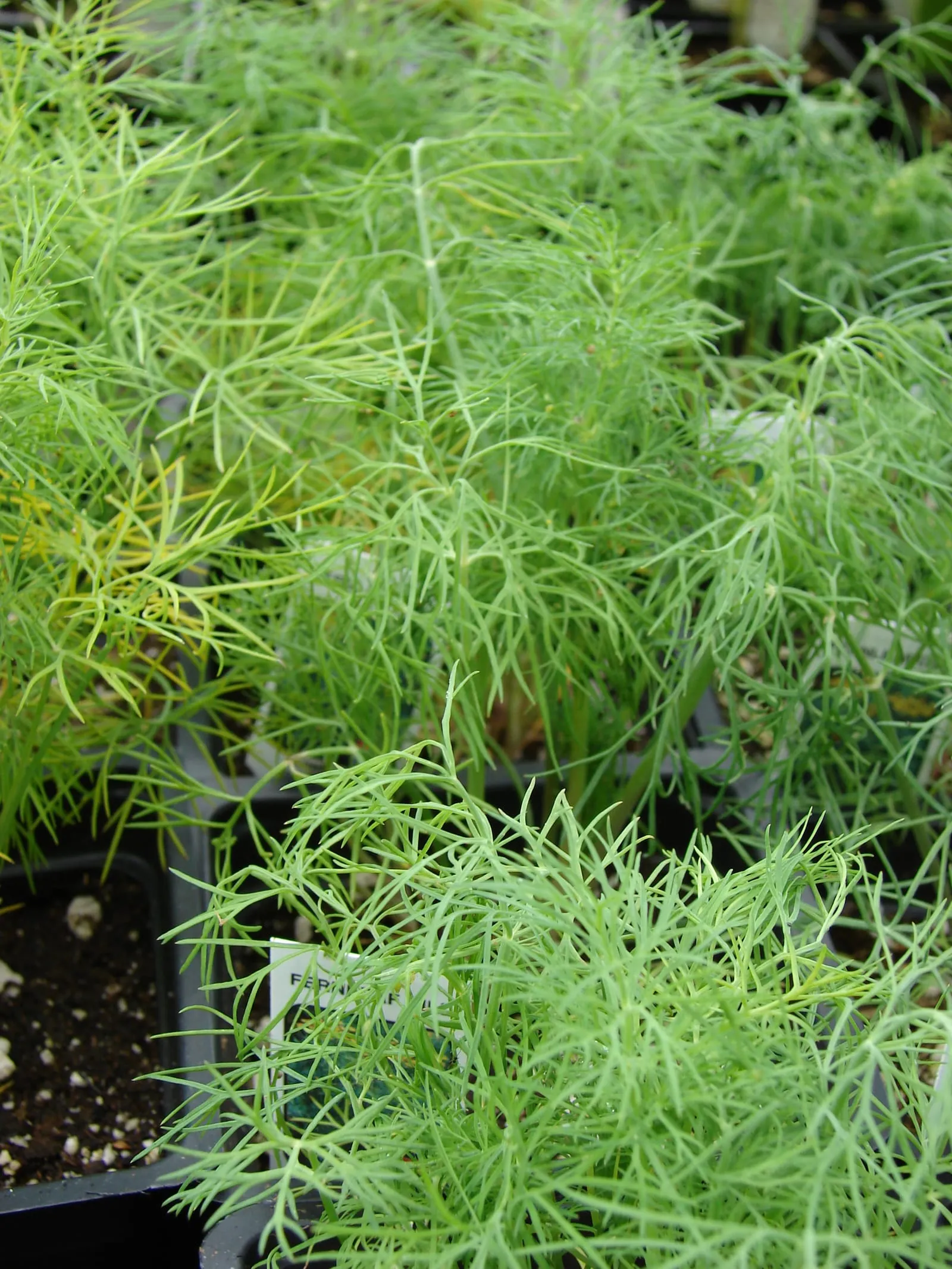
Image: "Starr 070906-8839 Anethum graveolens", by Forest & Kim Starr, via Wikimedia Commons, licensed under CC-BY Source.

Related