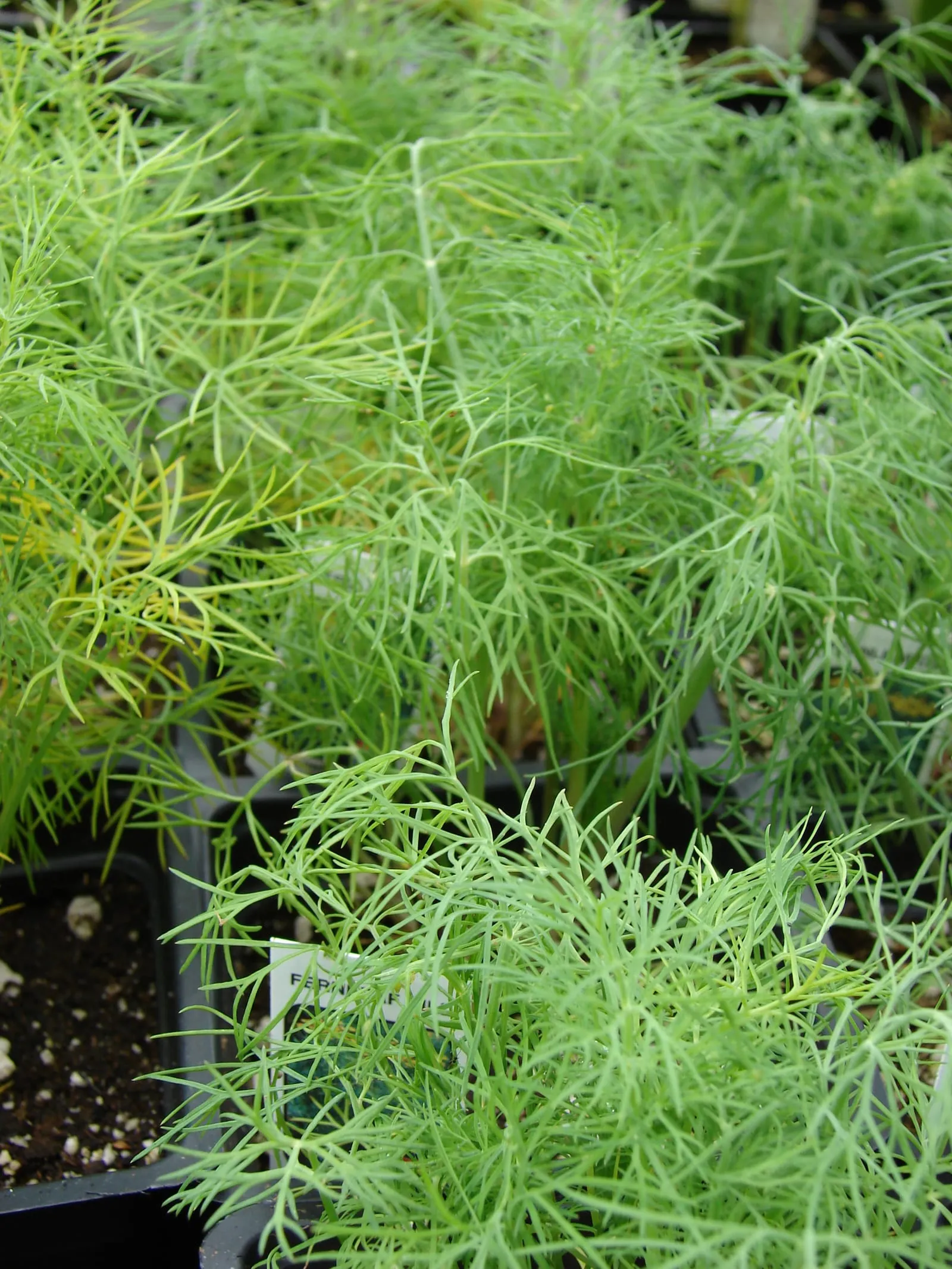
herb in zone 4a
Growing dill in zone 4a
Anethum graveolens
- Zone
- 4a -30°F to -25°F
- Growing season
- 120 days
- Suitable varieties
- 3
- Days to harvest
- 40 to 60
The verdict
Dill is a cool-season annual with no chill-hour requirement, so zone 4a's harsh winters don't factor into compatibility the way they would for a perennial fruit crop. What matters is the growing season length and summer temperatures. At 120 days, zone 4a's frost-free window is tight but workable. Dill actually performs well in cool summers because sustained heat accelerates bolting, which cuts the foliage harvest window short. In hotter zones, growers fight a narrow window between germination and flower; in zone 4a, that window stretches considerably longer.
The zone is a genuine sweet spot for foliage production. Seed harvest is more marginal. Dill takes roughly 70 to 90 days from sowing to produce mature seeds, and in a 120-day season with late spring frosts, the calendar gets tight. Varieties like Mammoth, bred for seed production, need an early start to reliably finish before fall frost arrives. Bouquet and Fernleaf are better suited to foliage harvest in this zone.
Recommended varieties for zone 4a
3 cultivars suited to this zone, with disease-resistance and zone-fit annotations.
| Variety | Notes | Zone fit | Disease resistance |
|---|---|---|---|
| Bouquet fits zone 4a | Strong, classic dill flavor with abundant seed heads; tall plant. Pickling, fish dishes, fresh garnish, dill seed for spice. The home-garden pickling-dill standard, productive. | | none noted |
| Fernleaf fits zone 4a | Mild, classic dill flavor; compact dwarf plant (18 inches) bred for container growing. Fresh garnish, salads, fish, gravlax. AAS winner, slow to bolt, ornamental. | | none noted |
| Mammoth fits zone 4a | Strong dill flavor, large yellow flower heads; tall plant (4-5 ft). Pickling, fresh, seed harvest. Heritage variety, the classic when you want lots of heads for canning. | | none noted |
Critical timing for zone 4a
Direct sow dill two to three weeks before the last expected frost, which in zone 4a typically falls between late May and early June depending on location. Seedlings tolerate light frost, so an earlier planting carries acceptable risk. Foliage becomes harvestable roughly six to eight weeks after germination. For continuous leaf harvest, sow every two to three weeks through mid-July.
Flowering occurs 60 to 70 days after sowing under long summer days. Seed maturation follows flowering by three to four weeks. To reliably harvest seeds before fall frost, the first sowing should go in no later than late May. Fall frosts in zone 4a arrive as early as late August at higher elevations, compressing the window further. Late-sown successions are best treated as foliage crops only.
Common challenges in zone 4a
- ▸ Late frosts damage early bloomers
- ▸ Limited peach varieties
Modified care for zone 4a
Zone 4a growers should direct sow rather than transplant. Dill develops a taproot early and resents disturbance; transplanting delays establishment and increases bolting risk in an already short season. Sow directly into a prepared bed as soon as the soil is workable and night temperatures stay above about 25°F.
Mulching around established plants helps moderate soil temperature swings, which are more pronounced in continental zone 4a climates than in coastal regions with similar hardiness ratings. Late frosts listed as a zone challenge are a real threat to young seedlings; row cover provides adequate protection when unexpected cold follows early planting. No significant disease pressure applies to dill in zone 4a conditions, so spray programs are unnecessary. The primary management task is simply timing successive sowings to keep fresh foliage coming across the full frost-free window.
Frequently asked questions
- Can dill survive winter in zone 4a?
No. Dill is a frost-sensitive annual and will not overwinter in zone 4a. Plants die with hard frost. Self-seeding can occur if seeds drop before fall frost, and volunteers often emerge the following spring, but this is unreliable in cold climates. Plan to resow each season.
- Which dill variety is best for zone 4a?
Fernleaf is the best choice for foliage harvest in zone 4a. It is compact, slow to bolt, and produces well through the cool summer window. Mammoth is the preferred variety when seed harvest is the goal, but it requires an early start to mature before fall frost.
- Can dill be grown in containers in zone 4a?
Yes, though dill's taproot means deep containers work better than shallow ones. A container at least 12 inches deep gives the root room to develop. Container-grown dill can be moved to capture heat during cool stretches in early and late season.
+−
+−
+−
Dill in adjacent zones
Image: "Starr 070906-8839 Anethum graveolens", by Forest & Kim Starr, via Wikimedia Commons, licensed under CC-BY Source.

Related