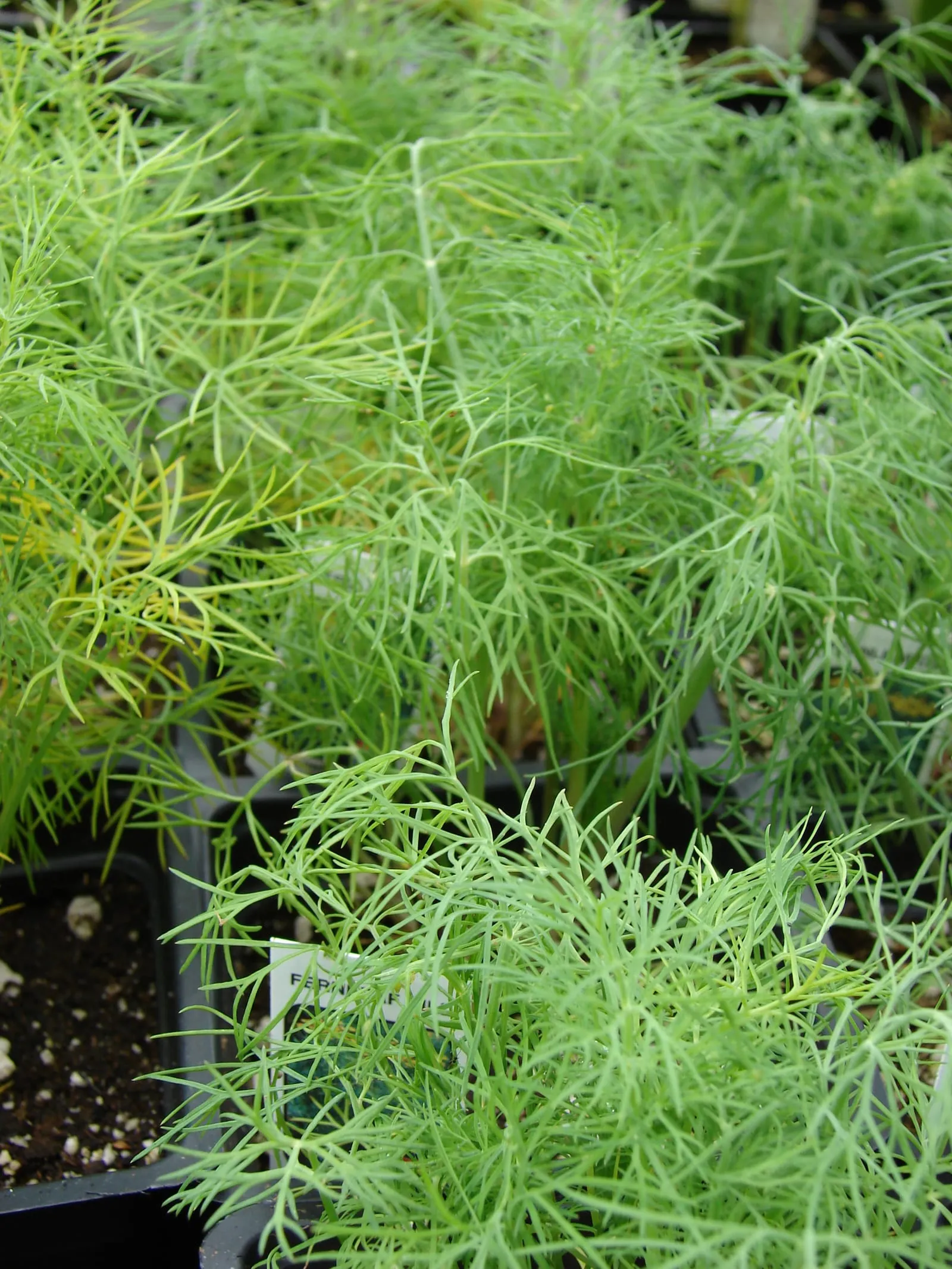
herb in zone 3b
Growing dill in zone 3b
Anethum graveolens
- Zone
- 3b -35°F to -30°F
- Growing season
- 100 days
- Suitable varieties
- 3
- Days to harvest
- 40 to 60
The verdict
Dill is an annual, so chill-hour requirements are not a factor in zone 3b. The relevant constraint is season length. With roughly 100 frost-free days in zone 3b, leaf and stem harvest is entirely achievable, since most varieties reach usable size within 40 to 60 days of germination. Seed harvest is tighter: dill typically requires 90 to 110 days from sowing to mature seed, which puts seed production at the edge of what zone 3b reliably delivers. In a normal year with a late-May last frost and an early-September first frost, seed crop success depends heavily on getting transplants or direct-sown seedlings established quickly. Fernleaf is the most compact and fastest-maturing of the common varieties, making it a practical choice when the season is short. Bouquet and Mammoth can produce seed in a good year but are not reliable without season extension. For foliage production, zone 3b is workable; for seed, it is a marginal zone.
Recommended varieties for zone 3b
3 cultivars suited to this zone, with disease-resistance and zone-fit annotations.
| Variety | Notes | Zone fit | Disease resistance |
|---|---|---|---|
| Bouquet fits zone 3b | Strong, classic dill flavor with abundant seed heads; tall plant. Pickling, fish dishes, fresh garnish, dill seed for spice. The home-garden pickling-dill standard, productive. | | none noted |
| Fernleaf fits zone 3b | Mild, classic dill flavor; compact dwarf plant (18 inches) bred for container growing. Fresh garnish, salads, fish, gravlax. AAS winner, slow to bolt, ornamental. | | none noted |
| Mammoth fits zone 3b | Strong dill flavor, large yellow flower heads; tall plant (4-5 ft). Pickling, fresh, seed harvest. Heritage variety, the classic when you want lots of heads for canning. | | none noted |
Critical timing for zone 3b
In zone 3b, last spring frost typically falls between late May and early June, and first fall frost arrives in late August or early September. Direct sowing after the last frost date gives dill the full available window. Germination takes 7 to 14 days at soil temperatures above 60°F, so mid-to-late June emergence is typical for outdoor-sown seed. Leaf harvest begins around 40 to 50 days after germination, putting the first usable foliage in mid-to-late July. Flower heads appear 70 to 80 days after germination; in zone 3b, this coincides closely with the first-frost window, making seed maturity a race. Succession plantings 2 to 3 weeks apart extend the leaf harvest, but the short season limits how many successions are practical.
Common challenges in zone 3b
- ▸ Short season
- ▸ Winter desiccation
- ▸ Site selection critical for fruit trees
Modified care for zone 3b
Dill in zone 3b requires no winter protection, being an annual that completes its life cycle within a single growing season. The primary adaptation is timing: starting seeds indoors 3 to 4 weeks before last frost and transplanting as soon as overnight temperatures stay consistently above 45°F can add 3 to 4 weeks to the effective season. Dill does not transplant well once roots are established, so use biodegradable pots to minimize root disturbance. Because zone 3b summers are cool and relatively short, bolting is slower than in warmer zones, which is an advantage for foliage production. No shade cloth or heat mitigation is typically needed. Disease pressure for dill is minimal in zone 3b; the short, cool season limits the humid conditions that favor aphid and fungal problems common in warmer climates.
Dill in adjacent zones
Image: "Starr 070906-8839 Anethum graveolens", by Forest & Kim Starr, via Wikimedia Commons, licensed under CC-BY Source.

Related