vegetable
Broccoli
Brassica oleracea var. italica
USDA hardiness range
- Zones
- 3a–9a
- Days to harvest
- 60 to 90
- Sun
- Full
- Water
- Moderate
- Lifespan
- annual
Growing broccoli
Broccoli rewards precise timing more than almost any other vegetable. The crop is cool-season; heads form best when daytime temperatures hold between 60 and 65°F and nights drop below 50°F. Grow it outside that window and the result is loose, open heads that bolt rapidly or fail to form at all.
Across zones 3a through 9a, broccoli is achievable, but the strategy shifts with latitude. In zones 3 through 6, spring plantings started indoors 6 to 8 weeks before last frost typically mature before summer heat arrives. In zones 7 and warmer, fall plantings are the more reliable choice: transplants go in 10 to 12 weeks before the first expected frost, letting heads develop in cooling autumn temperatures. Zones 8b and 9a can support near-year-round production, with winter harvests as the primary window.
The crop also continues producing after the main head is cut. Varieties like Di Cicco and Calabrese generate side shoots for weeks, extending the harvest considerably for home gardens. Days to harvest range from 60 to 90 depending on variety and conditions, with fall-grown crops often taking longer as temperatures drop. According to Cornell Broccoli Production, consistent soil moisture and adequate fertility are as important as temperature for uniform, dense head development.
Recommended varieties
See all 4 →4 cultivars for home growers, with notes on flavor, ripening, and disease resistance.
| Variety | Notes | Zone fit | Disease resistance |
|---|---|---|---|
| Calabrese | Sweet, tender, deep flavor; classic green-headed Italian broccoli. Steaming, roasting, fresh, side shoots after main head. Heritage open-pollinated, productive long after main harvest. | | none noted |
| Waltham 29 | Sweet, tight-headed, classic flavor; cold-hardy fall variety. Roasting, steaming, freezing. Best for fall/overwintering plantings, holds in field through light frost. | | none noted |
| Di Cicco | Sweet, mild, tender; Italian heirloom with smaller central head and prolific side shoots. Steaming, fresh, stir-fry. Long picking season, ideal for home gardens. | | none noted |
| Purple Sprouting | Sweet, asparagus-like, tender; produces many small purple-tinged shoots through winter or early spring. Steamed, stir-fried, blanched. Overwinters in mild zones. | | none noted |
Soil and site requirements
Broccoli prefers a soil pH between 6.0 and 7.0, with 6.5 to 7.0 being the more critical target where clubroot pressure exists. Clubroot (Plasmodiophora brassicae) persists in acidic soils for 20 years or more; raising pH to 7.0 with agricultural lime reduces infection severity significantly. A soil test before planting is worth the few days it requires.
Drainage matters more than with most brassicas. Broccoli tolerates brief wet periods, but waterlogged roots invite white mold and stunt development. Raised beds or slightly mounded rows in heavy clay soils improve drainage without major earthwork.
Full sun is necessary for dense head formation. Six or more hours of direct sun per day is the practical minimum; shaded plants produce loose, leafy, low-quality heads. Spacing transplants 18 inches apart in rows 24 to 36 inches apart provides adequate airflow and reduces downy mildew pressure in humid climates.
Microclimates matter in zones 7 and up. South-facing beds or slopes warm faster in spring, which can push transplants into heat stress before heads finish. North-facing exposures or spots with afternoon shade can actually extend the productive window in warmer zones.
Common diseases
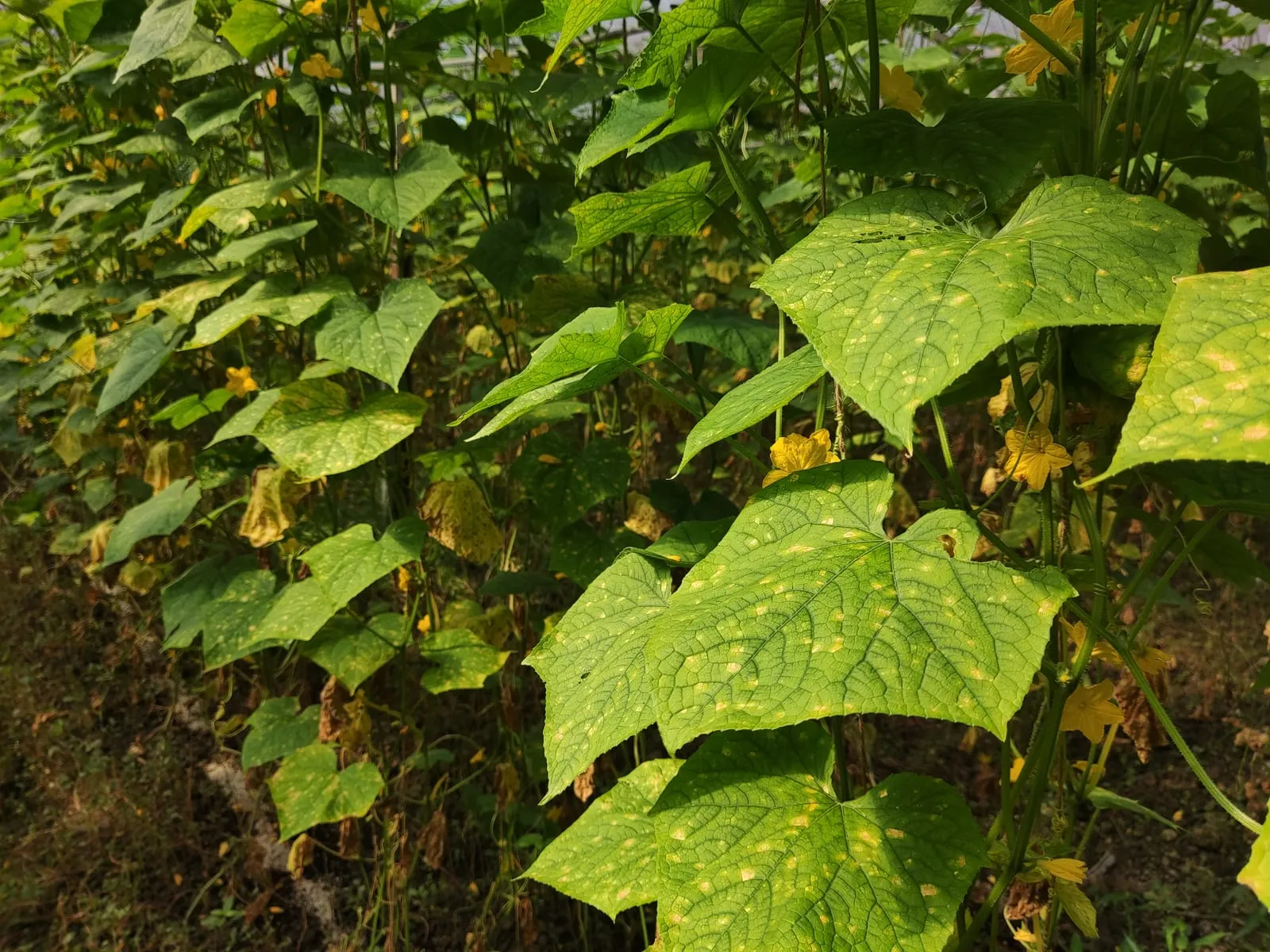
Pseudoperonospora cubensis (cucurbits) and others
Water mold (oomycete, not a true fungus) that thrives in cool damp conditions. Spreads rapidly through cucurbit and brassica plantings on wind-borne spores.
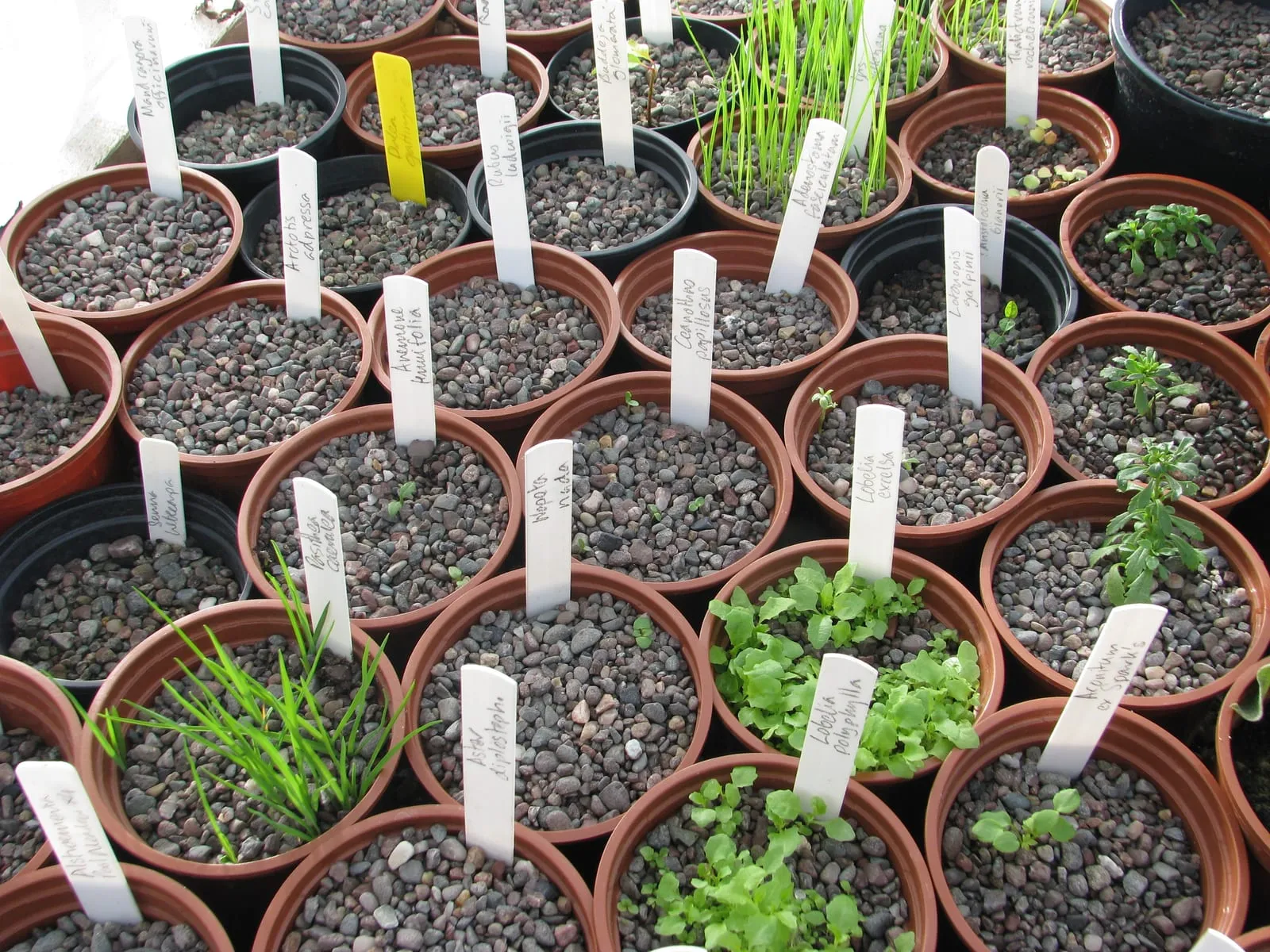
Pythium and Rhizoctonia species
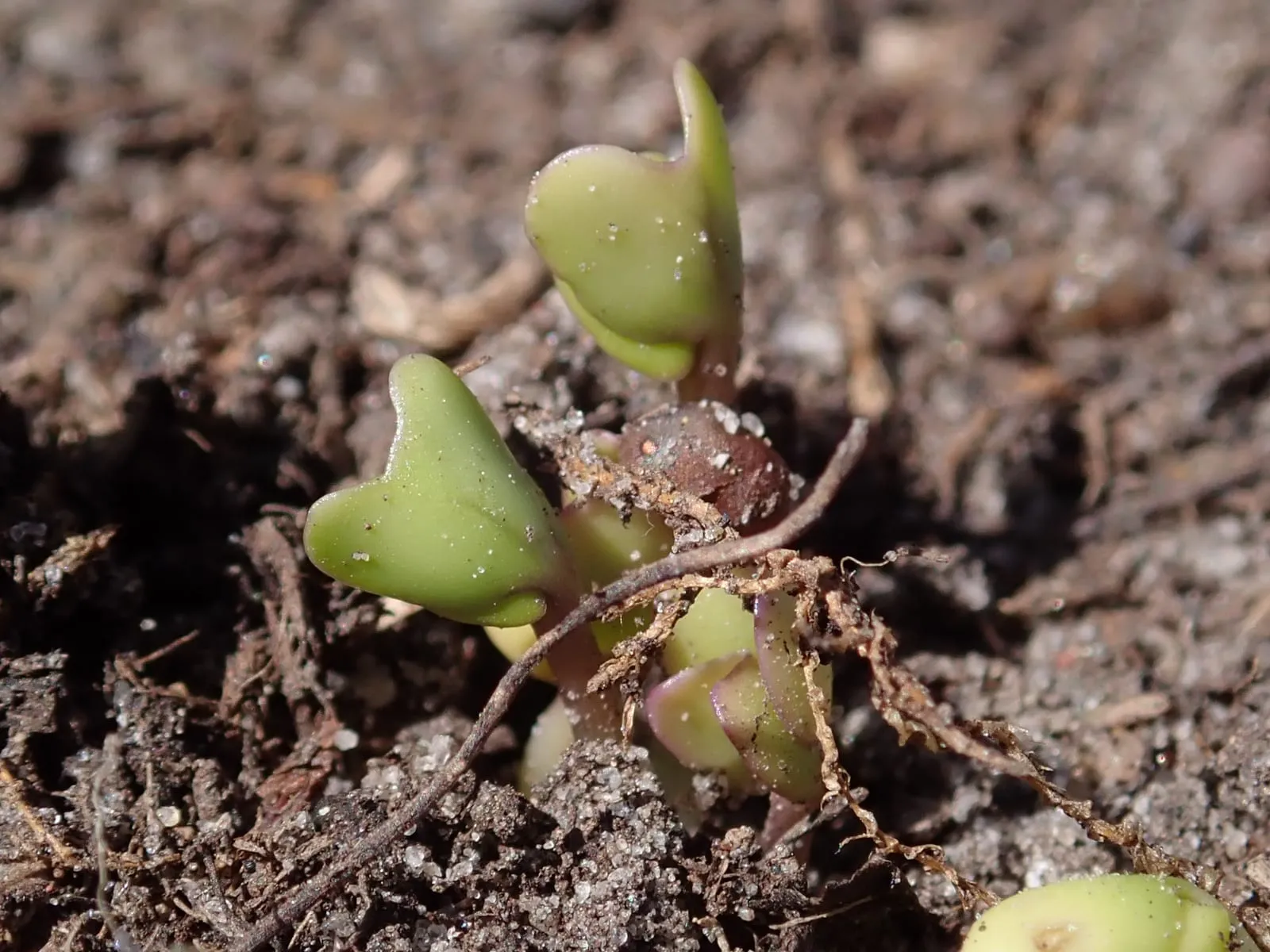
Soil-borne complex of water molds and fungi that kill seedlings before or shortly after emergence. The single most common cause of seed-starting failures.
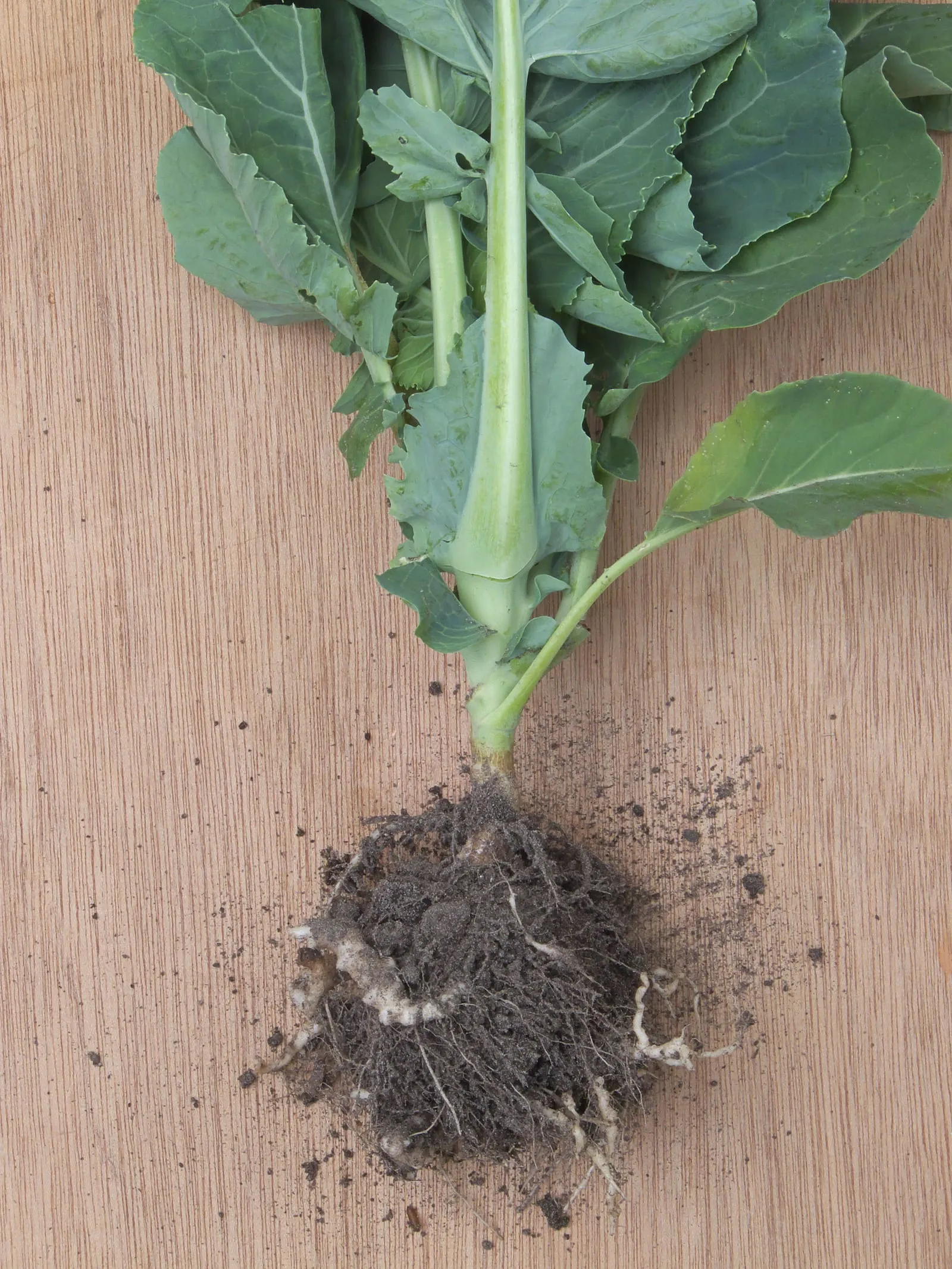
Plasmodiophora brassicae
Soil-borne disease causing characteristic distorted club-shaped roots on brassicas. Persists in soil for 10-20 years; the dominant brassica pathogen in acidic poorly-drained soils.
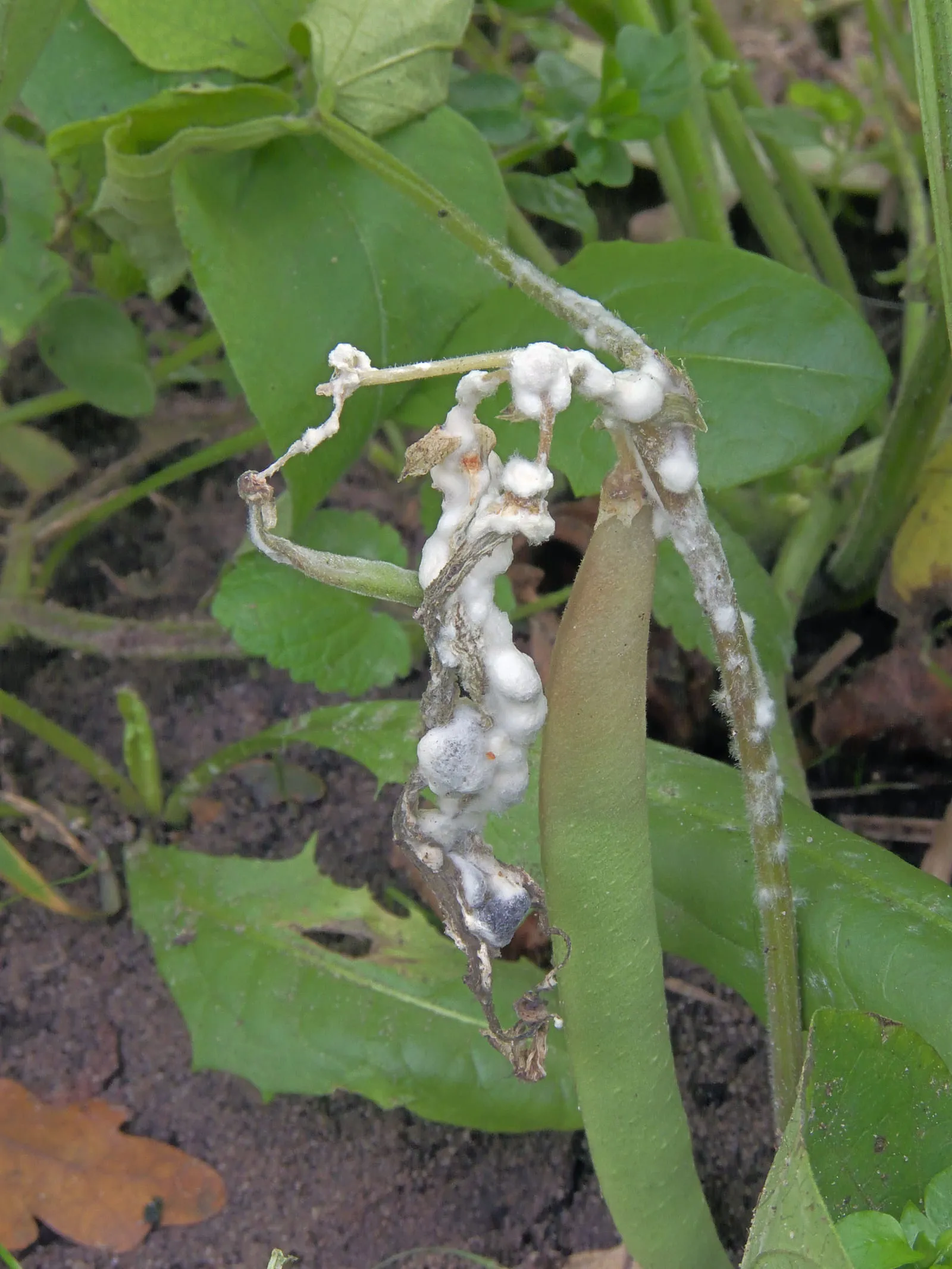
Sclerotinia sclerotiorum
Fungal disease that produces fluffy white mycelium on stems and lower leaves. Forms hard black sclerotia (resting bodies) that survive 5+ years in soil.
Common pests
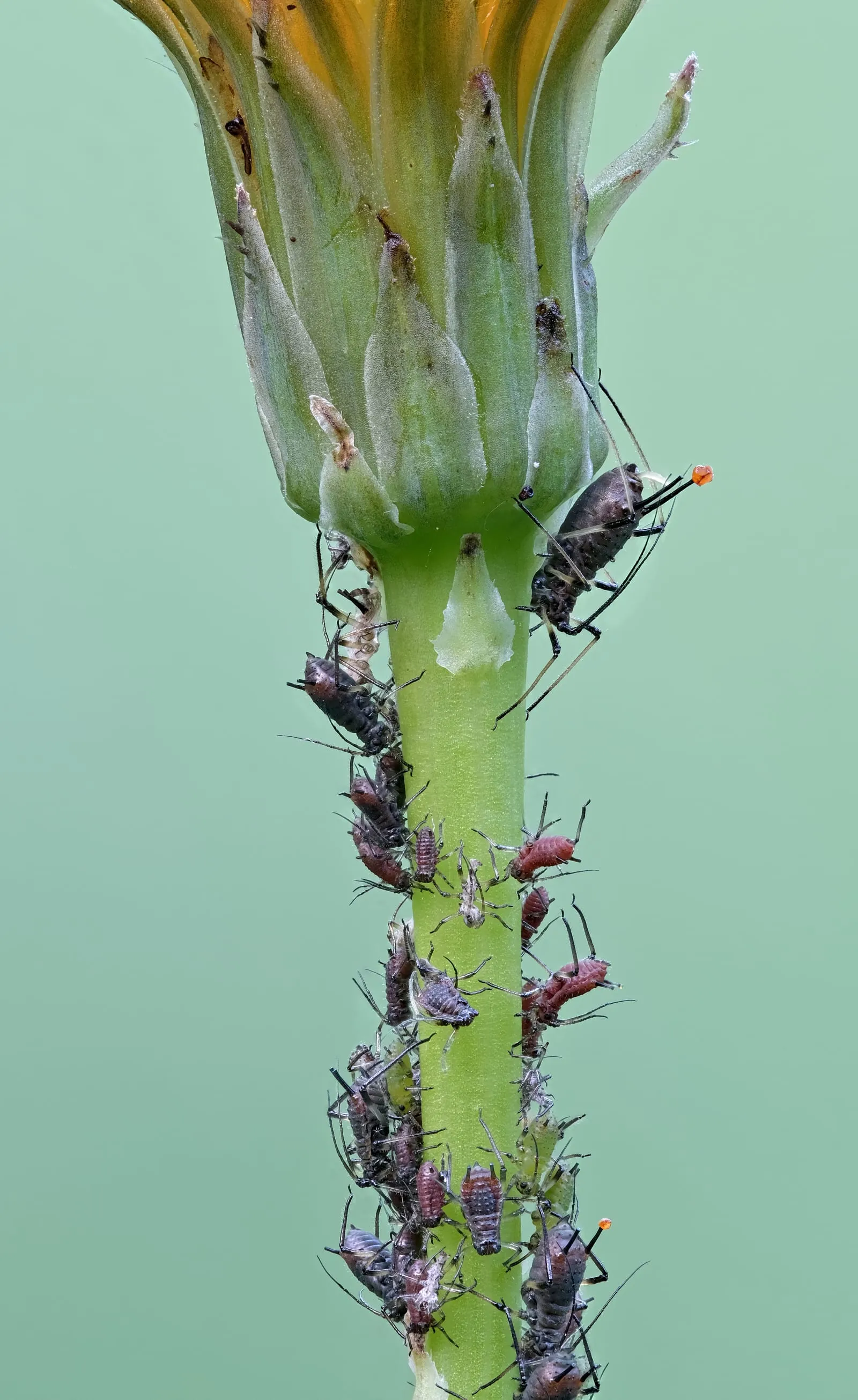
Multiple species (Aphididae)
Small soft-bodied sap-sucking insects that reproduce explosively in spring. Excrete honeydew that supports sooty mold and attracts ants. Transmit viral diseases.
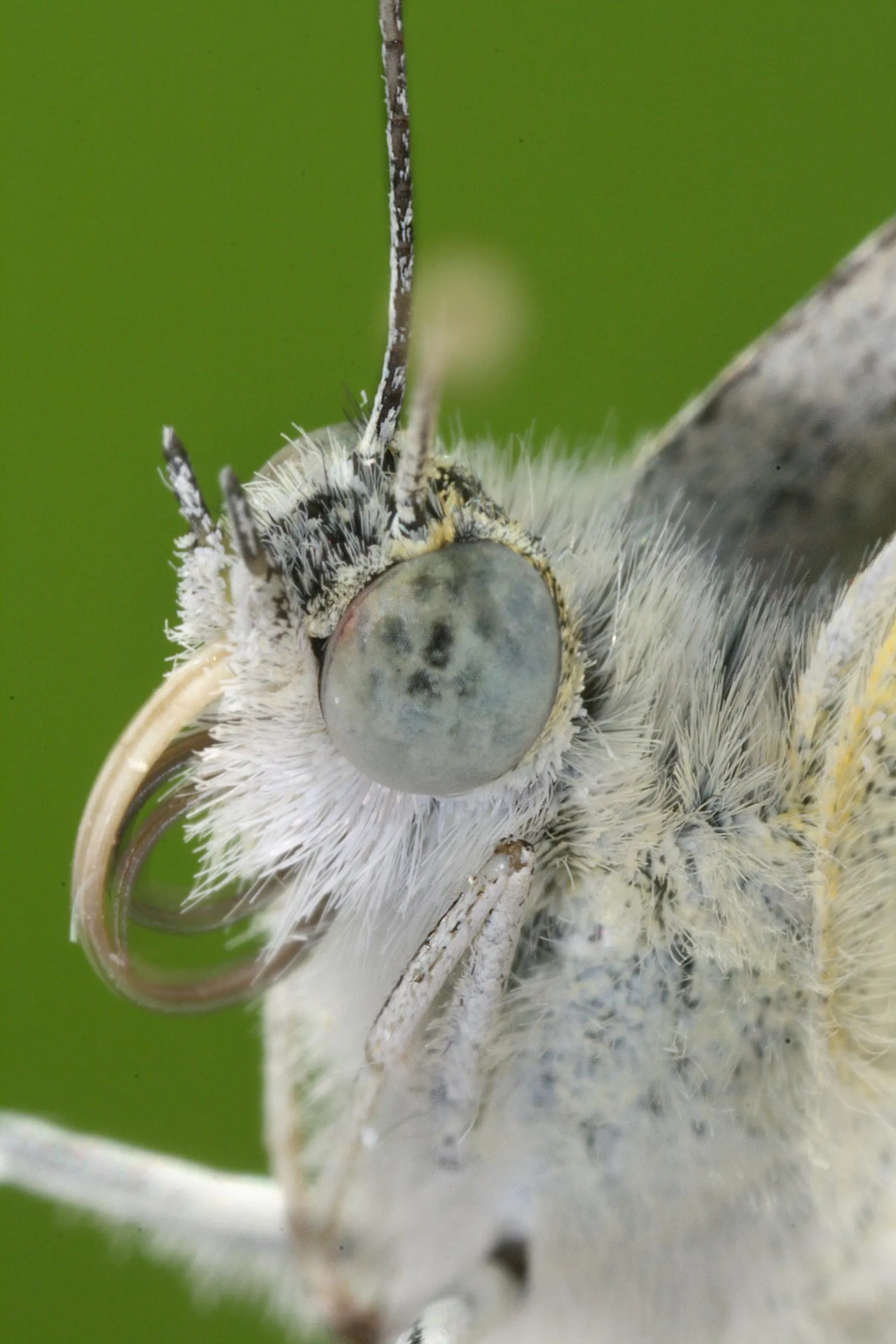
Pieris rapae
Velvety green caterpillars that chew large irregular holes in brassica leaves and bore into heads. Adults are the small white butterflies seen fluttering through the garden.
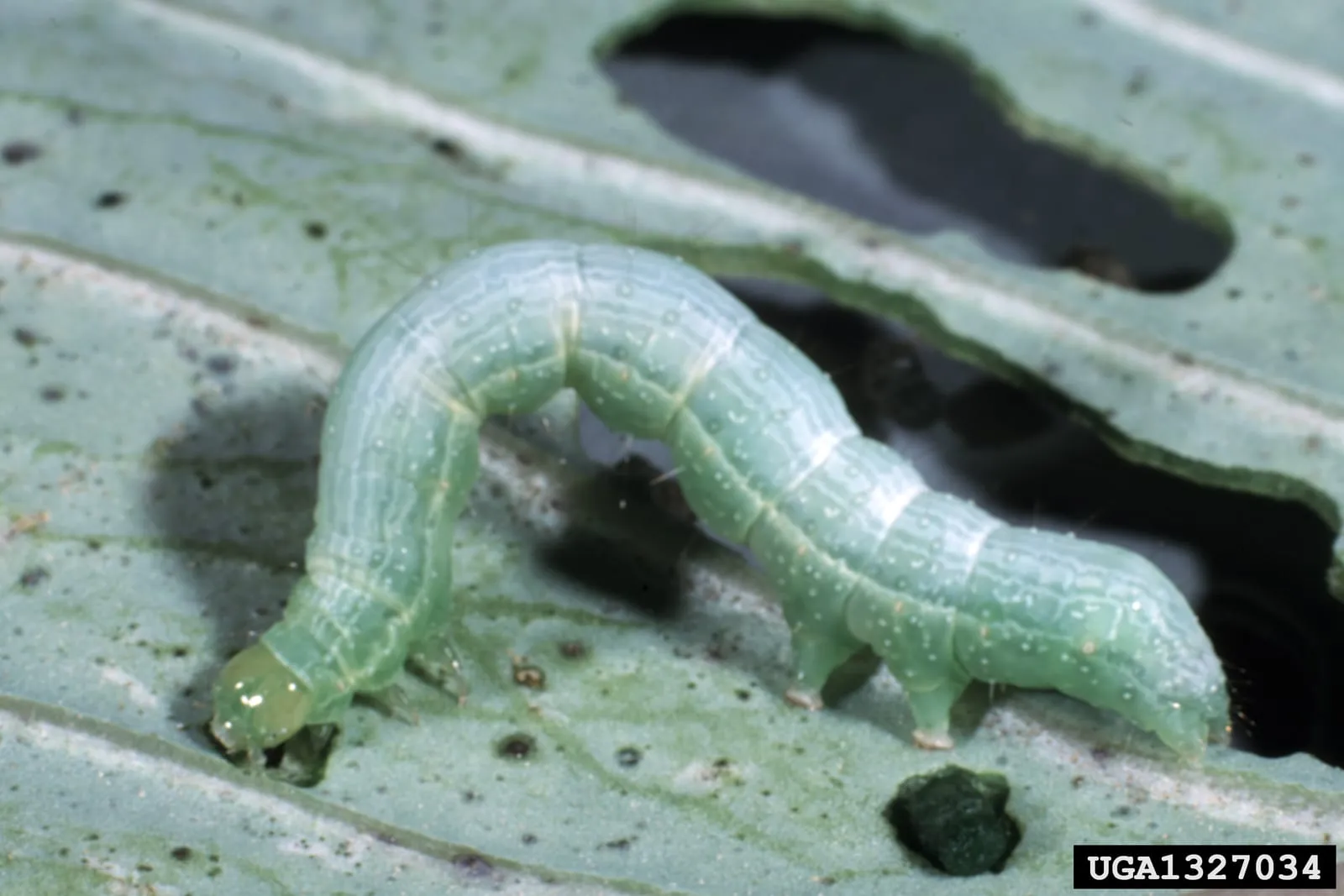
Trichoplusia ni
Pale green caterpillars that arch their backs (loop) when crawling. Defoliate brassicas and lettuce, contaminate harvested heads. Adults are mottled gray-brown moths.
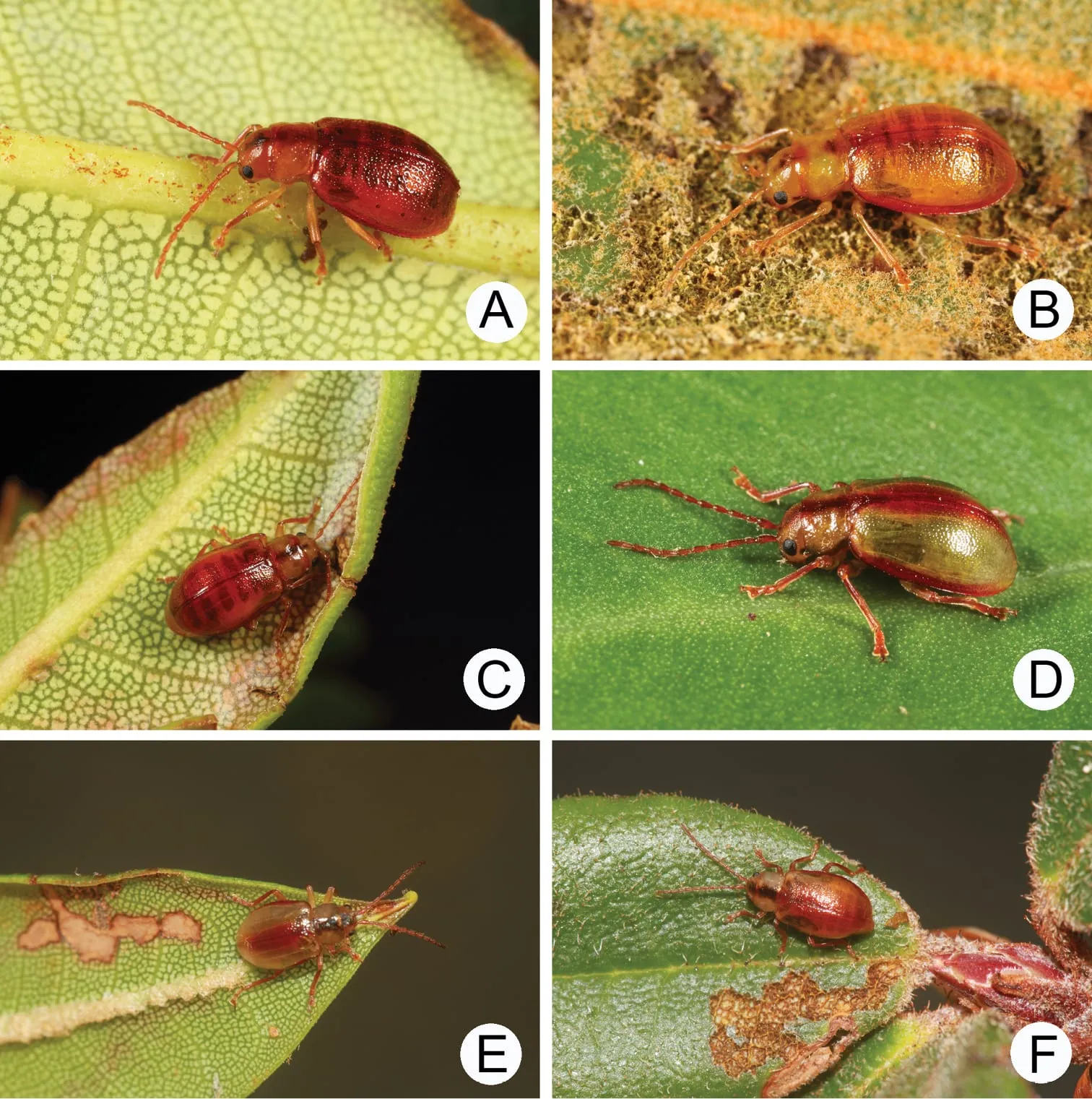
Multiple species (Chrysomelidae)
Tiny black or bronze jumping beetles that put hundreds of small holes in seedling leaves. Most damaging on direct-seeded brassicas and young eggplant.
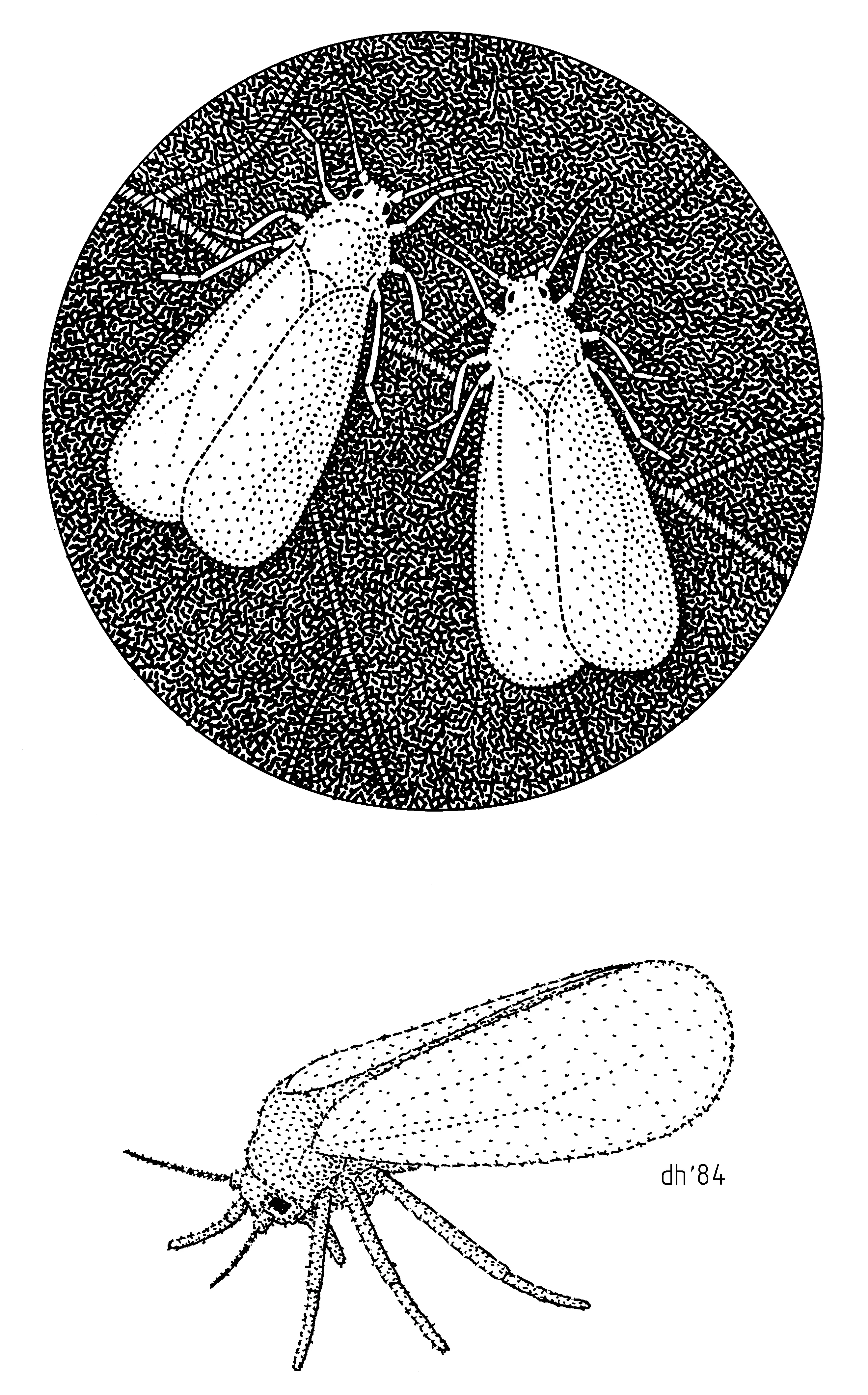
Multiple species (Aleyrodidae)
Tiny white moth-like flying insects that feed on plant sap and excrete honeydew. Transmit numerous viral diseases including tomato yellow leaf curl virus.
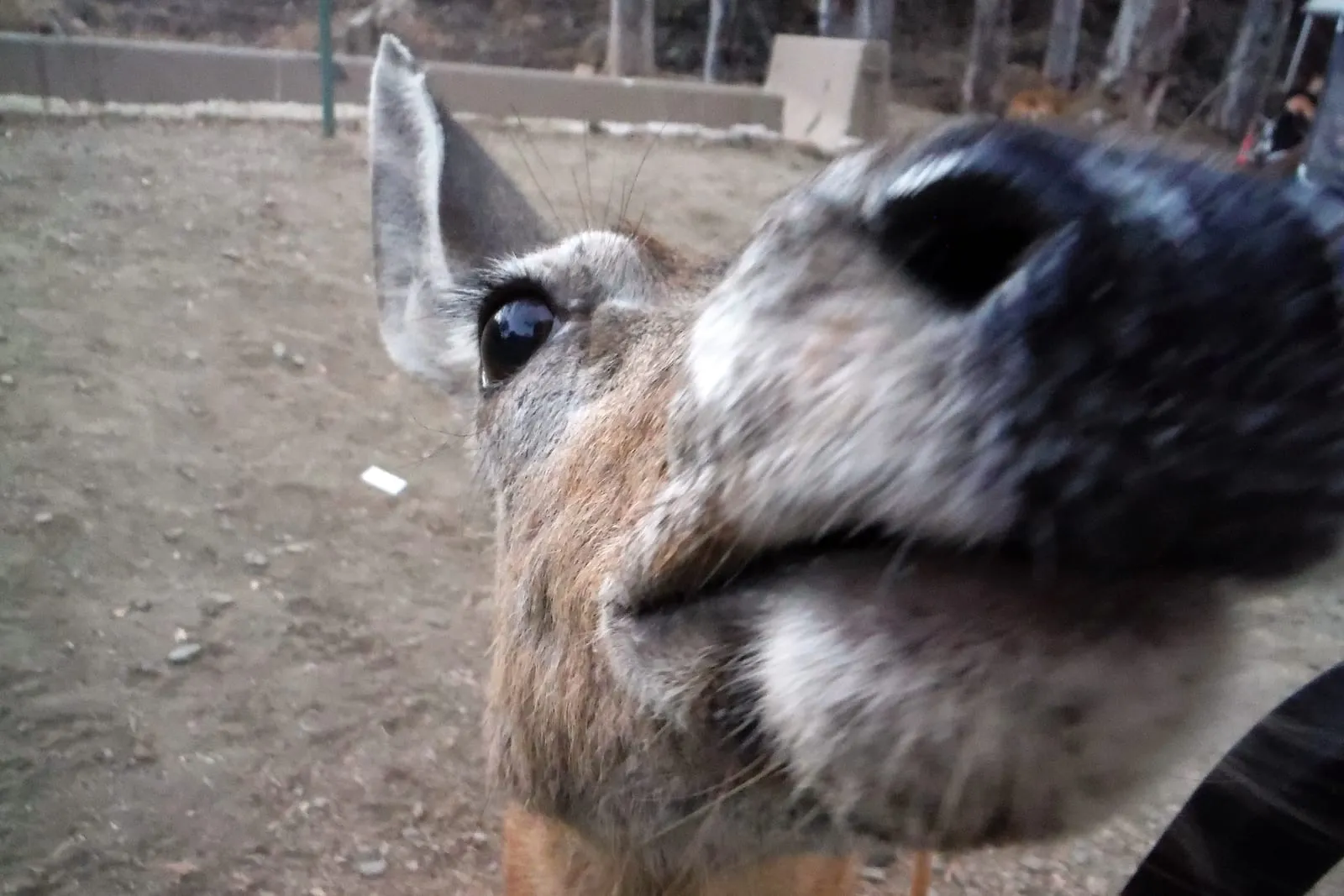
Odocoileus species
Whitetail and mule deer browse can devastate orchards and gardens, particularly in winter when food is scarce. Antler rub on young trunks kills saplings outright.
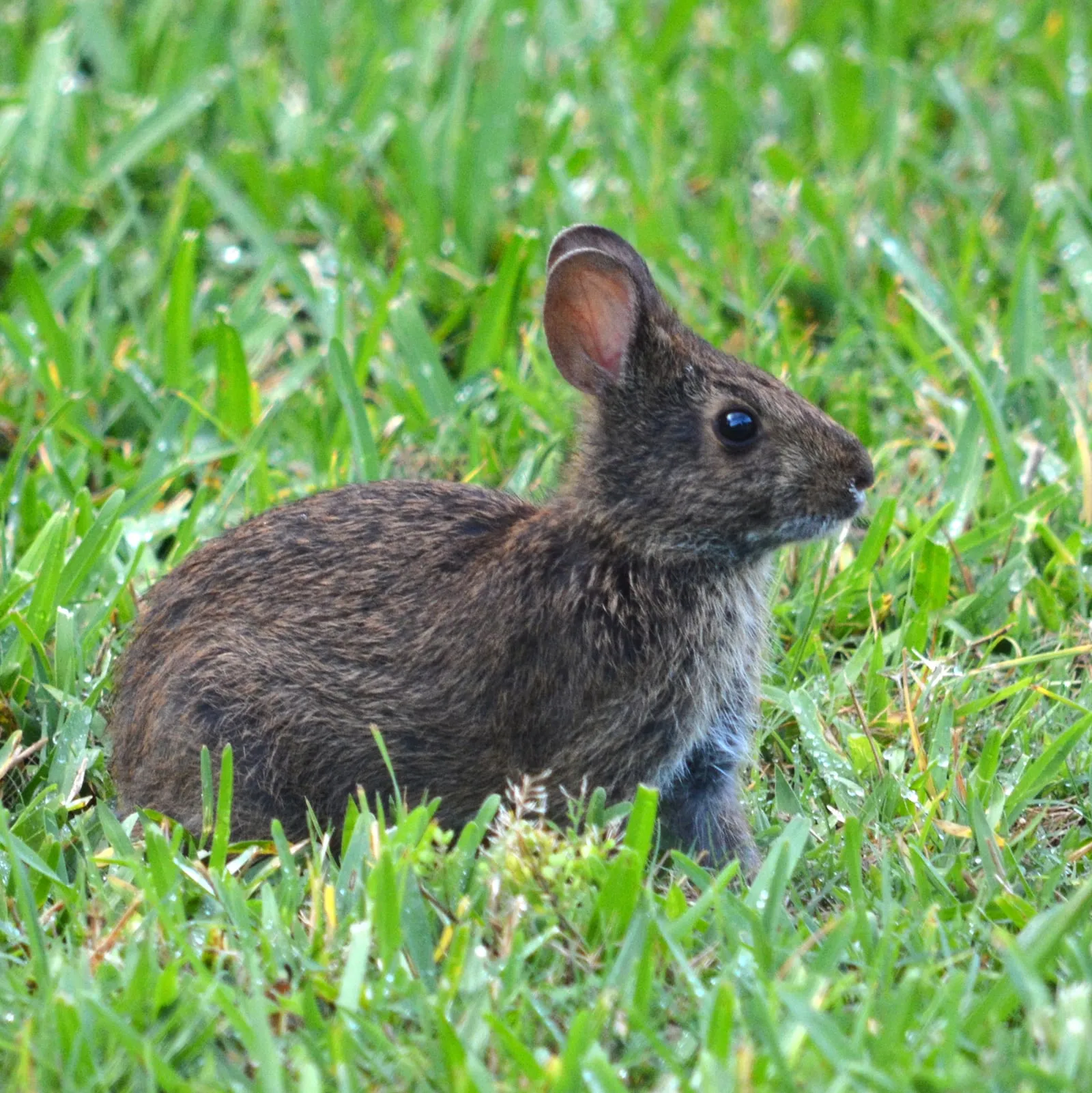
Sylvilagus and Lepus species
Cottontails and jackrabbits strip bark from young fruit trees in winter and graze tender garden vegetables year-round, especially seedlings.
Common challenges
Timing failures and bolting are the most common cause of poor harvests. Transplanting too late in spring exposes developing heads to temperatures above 75°F, triggering rapid bolting: the head opens, flowers appear, and the eating window closes within days. A local frost-date chart matters more than any generic rule of thumb. For spring crops in zones 5 through 7, setting transplants out 3 to 4 weeks before last frost typically threads the needle.
Caterpillar pressure from imported cabbageworm (Pieris rapae) and cabbage looper (Trichoplusia ni) can riddle heads with frass-filled tunnels before harvest. Both are larvae of moths and butterflies that lay eggs on brassica foliage throughout the season. Floating row cover applied at transplanting and left on until heads begin to form is the most effective low-input control. Bt (Bacillus thuringiensis) kurstaki sprays work well for established infestations; apply in the evening when larvae are feeding and reapply after rain.
Clubroot is a soilborne pathogen that causes swollen, distorted roots and severely stunted plants. Once established in a bed, it is nearly impossible to eradicate. Prevention is the only reliable strategy: maintain soil pH above 6.5, avoid moving soil or transplants from infected areas, and rotate brassicas to a different bed on a minimum 4-year cycle. Starting from seed in sterile mix or purchasing certified disease-free transplants reduces the risk of introduction.
Companion plants
Frequently asked questions
- Does broccoli require chill hours like fruit trees?
No. Broccoli does not accumulate chill hours the way apples or peaches do. It is a cool-season annual that needs cool temperatures (roughly 50 to 65°F) during head development. Extended heat above 75°F triggers bolting, and hard freezes below 20 to 22°F can damage transplants, but there is no minimum chilling requirement to initiate heading.
- How long does broccoli take from transplant to harvest?
Most varieties reach harvest 60 to 90 days from transplanting, depending on the variety and ambient temperatures. Fall crops grown in cooling weather often take closer to 90 days; spring crops in warming conditions can finish sooner. Side-shoot types like Di Cicco extend the picking season for several weeks after the main head is cut.
- What USDA zones can grow broccoli successfully?
Broccoli grows across zones 3a through 9a. Zones 3 to 6 rely primarily on spring and fall crops. Zones 7 and warmer favor fall plantings, when cooling temperatures support head development. Zones 8b and 9a can produce through winter. Zone 9b and warmer have difficulty finding a usable cool window for heading.
- Is broccoli self-fertile, or does it need pollinators to produce?
Broccoli heads are harvested before the plant flowers, so pollination is not relevant to the edible crop. For seed saving, broccoli is insect-pollinated and crosses readily with other Brassica oleracea varieties (cabbage, kale, cauliflower) within several hundred feet. Seed crops require isolation or hand-pollination under bags to maintain variety purity.
- What is the most serious disease risk for broccoli?
Clubroot is generally the most damaging because it persists in soil for decades with no curative treatment once established. Prevention through pH management (above 6.5), strict 4-year rotation for all brassicas, and clean transplants is the only reliable defense. Downy mildew is more common in humid climates but rarely causes total crop loss.
- Why do broccoli heads turn yellow or open up before harvest?
Yellowing and opening indicate bolting, typically triggered by temperatures consistently above 75°F or by the plant reaching reproductive maturity. Harvest the head before individual buds begin to separate and loosen. In warm conditions this can happen within a day or two of the head reaching full size, so daily checks near harvest time prevent loss.
- Can broccoli tolerate frost?
Established transplants tolerate light frosts (28 to 30°F) with minimal damage; mature plants can handle brief dips to around 25°F. Temperatures below 20 to 22°F typically damage or kill plants. Fall crops in zones 6 and colder should be timed to mature before hard freezes arrive, though light frosts can actually improve flavor by converting starches to sugars.
+−
+−
+−
+−
+−
+−
+−
Sources
Image: "Brassica oleracea var. italica Limba 2022-04-24 7316", by Salicyna, via Wikimedia Commons, licensed under CC-BY. Source.

Broccoli by zone
Related