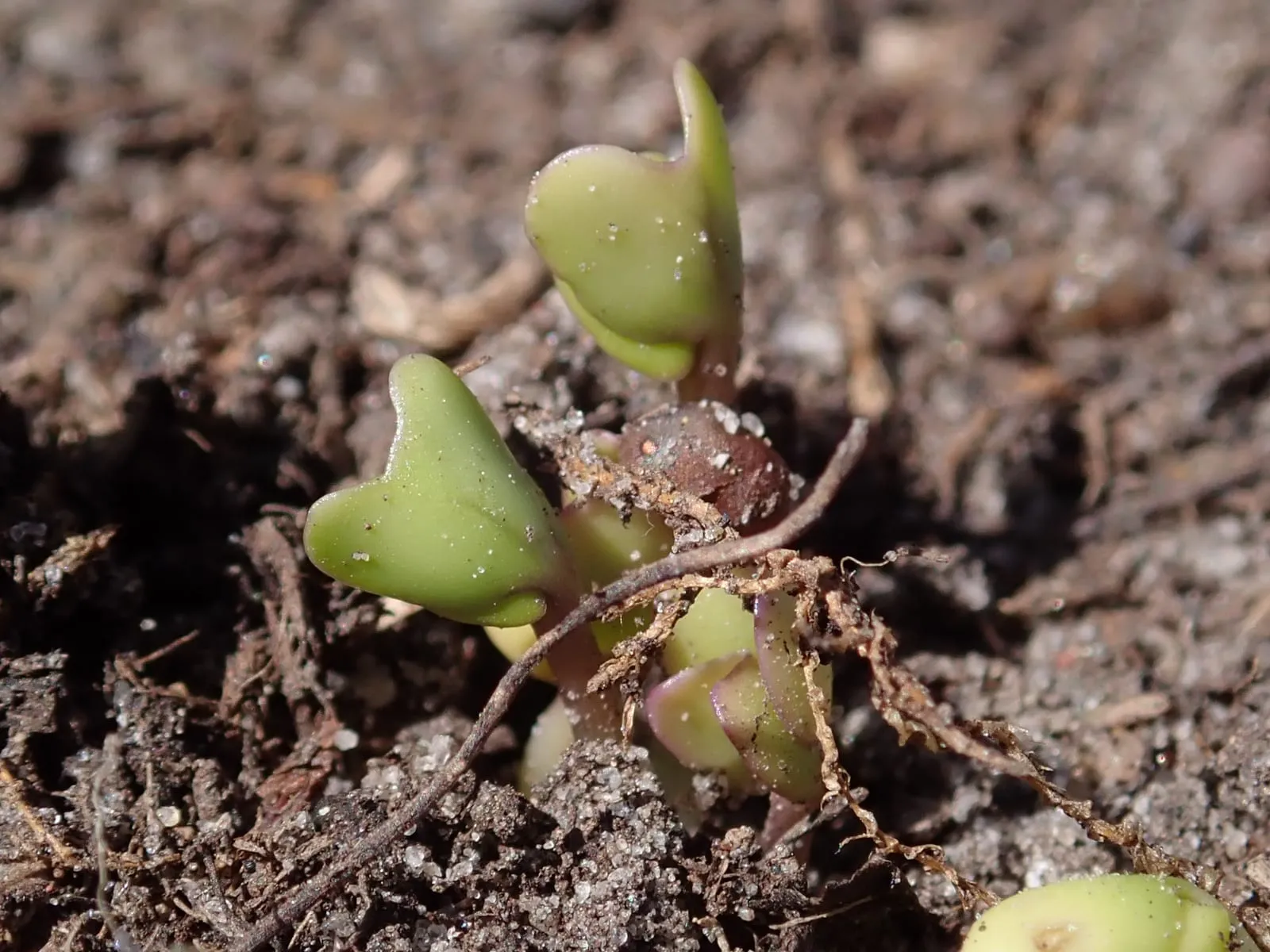
vegetable in zone 8a
Growing broccoli in zone 8a
Brassica oleracea var. italica
- Zone
- 8a 10°F to 15°F
- Growing season
- 240 days
- Suitable varieties
- 1
- Days to harvest
- 60 to 90
The verdict
Broccoli grows best in cool conditions and struggles when temperatures exceed 80°F for more than a few consecutive days. Zone 8a's 240-day growing season includes long stretches of summer heat that make broccoli a shoulder-season crop rather than a summer staple. That said, this zone is not marginal for broccoli overall. Fall plantings (August through December) and early spring plantings (February through April) are both productive windows, and the mild winters rarely deliver hard freezes long enough to damage established transplants.
Purple Sprouting broccoli is particularly well-matched to zone 8a. It tolerates zone 8a winters without protection in most years and produces loose side shoots in late winter and early spring when standard heading varieties would have already bolted or stalled. The primary limitation in this zone is upward temperature pressure in spring, which compresses the spring harvest window compared to zones 5 through 7. Fall plantings generally produce larger, more reliable heads because the thermal window lengthens as the season progresses rather than closing in on the crop.
Recommended varieties for zone 8a
1 cultivar suited to this zone, with disease-resistance and zone-fit annotations.
| Variety | Notes | Zone fit | Disease resistance |
|---|---|---|---|
| Purple Sprouting fits zone 8a | Sweet, asparagus-like, tender; produces many small purple-tinged shoots through winter or early spring. Steamed, stir-fried, blanched. Overwinters in mild zones. | | none noted |
Critical timing for zone 8a
Zone 8a last frost dates typically fall between late January and mid-February depending on location within the zone. For spring crops, transplant 4 to 6 weeks before last frost (roughly late December through January), targeting harvest in March and April before daytime temperatures climb above 75°F and heads start to bolt. A warm week in late April can turn heading broccoli to flower in under a week; the spring window closes abruptly.
Fall crops get the more forgiving schedule. Transplant from late July through early September for harvest from October through December. Purple Sprouting types started in August overwinter and produce loose shoots from February through April. Standard heading varieties run 60 to 80 days from transplant to harvest, so counting backward from the target harvest date is the most reliable way to set a planting date.
Common challenges in zone 8a
- ▸ Insufficient chill hours for some apple varieties
- ▸ Pierce's disease in grapes
- ▸ Heat stress on cool-season crops
Disease pressure to watch for
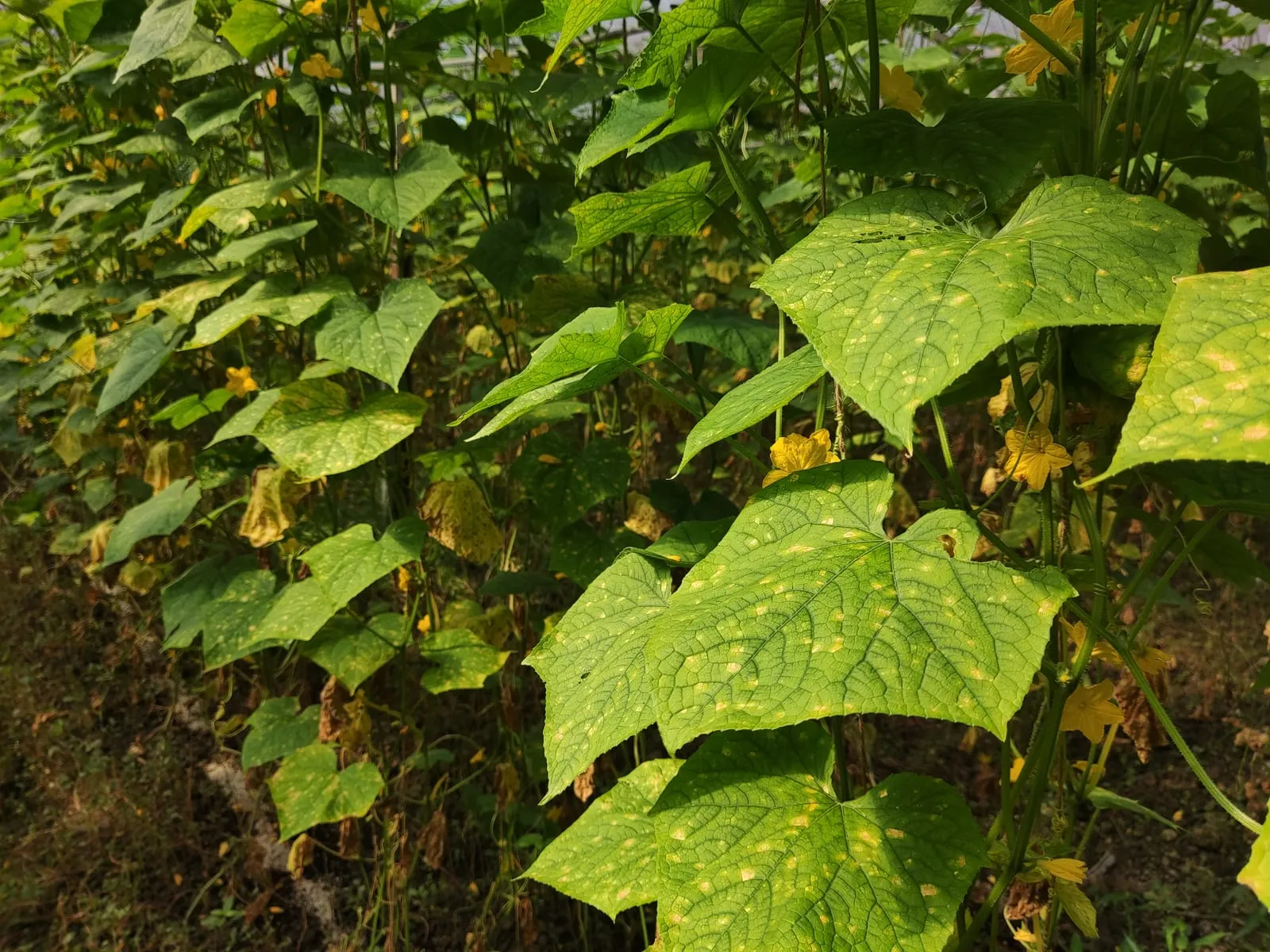
Pseudoperonospora cubensis (cucurbits) and others
Water mold (oomycete, not a true fungus) that thrives in cool damp conditions. Spreads rapidly through cucurbit and brassica plantings on wind-borne spores.
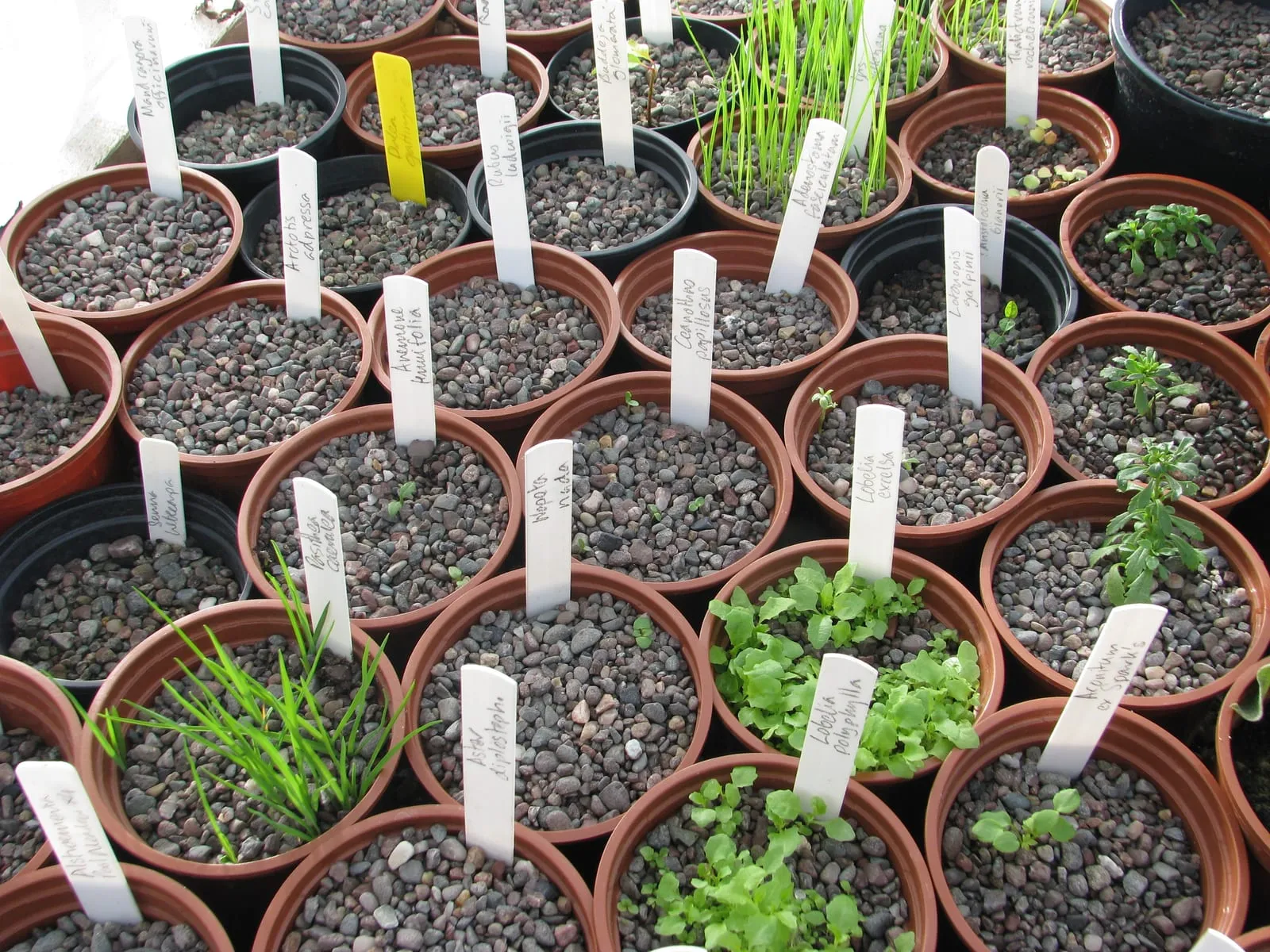
Pythium and Rhizoctonia species
Soil-borne complex of water molds and fungi that kill seedlings before or shortly after emergence. The single most common cause of seed-starting failures.
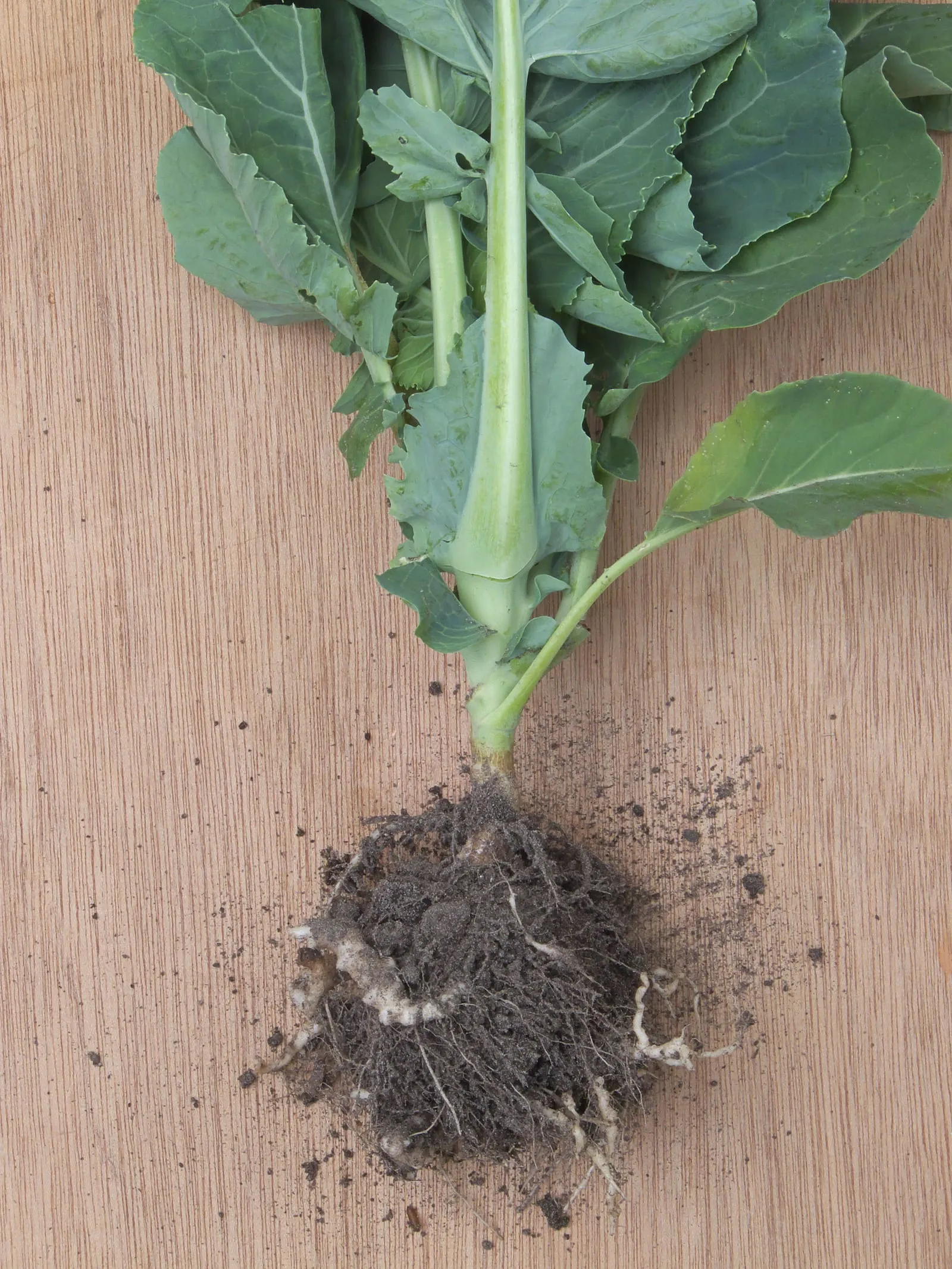
Plasmodiophora brassicae
Soil-borne disease causing characteristic distorted club-shaped roots on brassicas. Persists in soil for 10-20 years; the dominant brassica pathogen in acidic poorly-drained soils.
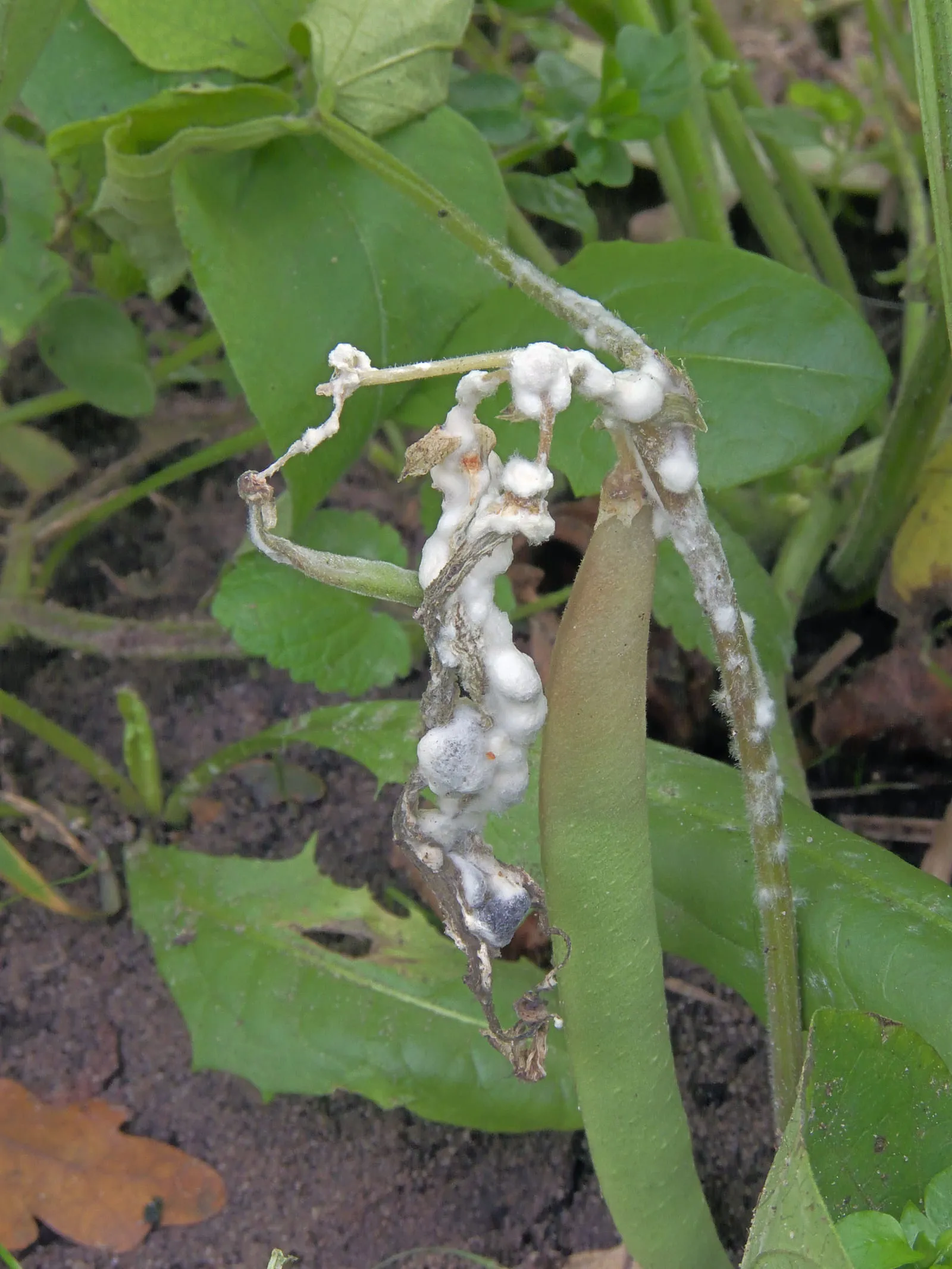
Sclerotinia sclerotiorum
Fungal disease that produces fluffy white mycelium on stems and lower leaves. Forms hard black sclerotia (resting bodies) that survive 5+ years in soil.
Modified care for zone 8a
The main adjustments in zone 8a center on heat management and disease pressure. Mulching beds heavily conserves soil moisture and moderates root-zone temperature during spring warm-up. Shade cloth at 30 to 50 percent block can extend the spring harvest window by one to two weeks when temperatures spike unexpectedly in April.
Clubroot is a persistent concern in zone 8a, particularly in heavier soils that stay wet during the fall planting window. Liming beds to pH 7.2 or above suppresses the pathogen; below pH 6.5, a single infected planting can establish spores that persist in the soil for 20 years. Downy mildew pressure increases during humid fall periods common in this zone. Spacing transplants at 18 inches or more and avoiding overhead irrigation reduces incidence. A 3-year minimum rotation for all brassicas is standard management; given the zone's mild winters, cruciferous weeds can also harbor clubroot between rotations and should be removed.
Broccoli in adjacent zones
Image: "Brassica oleracea var. italica Limba 2022-04-24 7316", by Salicyna, via Wikimedia Commons, licensed under CC-BY Source.

Related