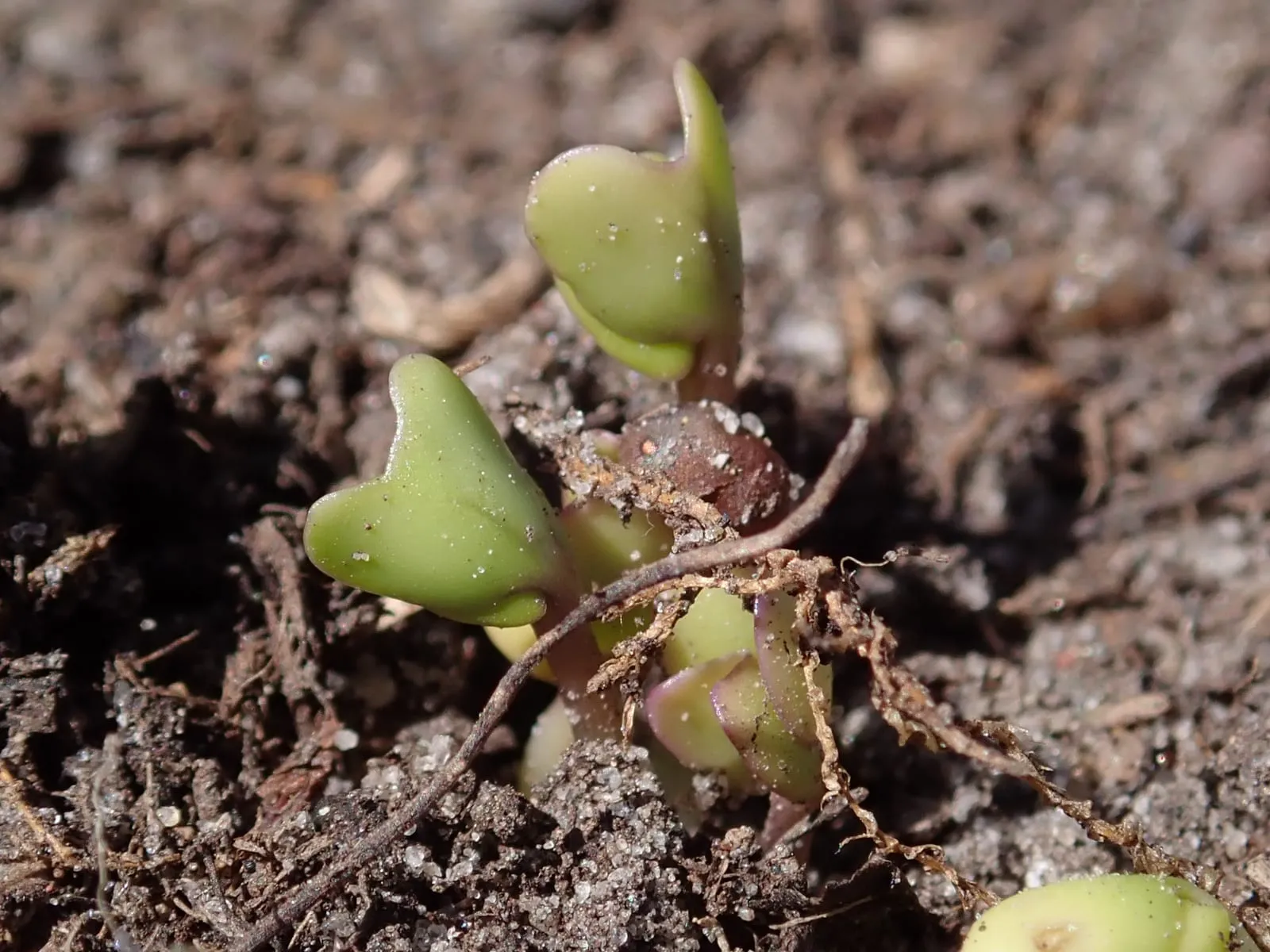
vegetable in zone 8b
Growing broccoli in zone 8b
Brassica oleracea var. italica
- Zone
- 8b 15°F to 20°F
- Growing season
- 260 days
- Suitable varieties
- 1
- Days to harvest
- 60 to 90
The verdict
Zone 8b is a reliable zone for broccoli when the crop is treated as what it is: a cool-season annual, not a summer vegetable. Minimum winter temperatures of 15 to 20°F are mild enough that established transplants rarely suffer serious cold damage, and the 260-day growing season gives ample room for both a fall-to-winter run and a spring run before heat ends things.
Unlike fruit trees, broccoli has no chill-hour requirement. The chill-hour limitation listed as a zone challenge applies to apples and stone fruits, not brassicas. For broccoli, the binding constraint is heat. Head formation requires sustained temperatures below about 75°F; once days consistently exceed that threshold, plants bolt or produce loose, ricey curds. In zone 8b the window is real and productive, but it closes fast in late spring.
Purple Sprouting is well-matched to this zone's mild winters. Its extended harvest of lateral shoots across late winter fits the long, frost-light season better than single-headed varieties that must be timed precisely.
Recommended varieties for zone 8b
1 cultivar suited to this zone, with disease-resistance and zone-fit annotations.
| Variety | Notes | Zone fit | Disease resistance |
|---|---|---|---|
| Purple Sprouting fits zone 8b | Sweet, asparagus-like, tender; produces many small purple-tinged shoots through winter or early spring. Steamed, stir-fried, blanched. Overwinters in mild zones. | | none noted |
Critical timing for zone 8b
The primary planting window in zone 8b is a fall run. Starting transplants indoors in late July or early August and moving them to the garden in September puts heads developing during October and November, with harvest running from November through January or February depending on the variety. Purple Sprouting, which produces shoots rather than a single central head, extends into March.
A spring run is possible but compressed. Transplants set out in late January or February can head up in March and April before temperatures climb. Broccoli tolerates light frost without damage, so the modest freezes zone 8b sees in December and January pose no real threat to established plants. The hard stop is the arrival of sustained warmth in April and May.
Common challenges in zone 8b
- ▸ Low chill hours limit apple variety selection
- ▸ Citrus greening risk
- ▸ Nematodes in sandy soils
Disease pressure to watch for
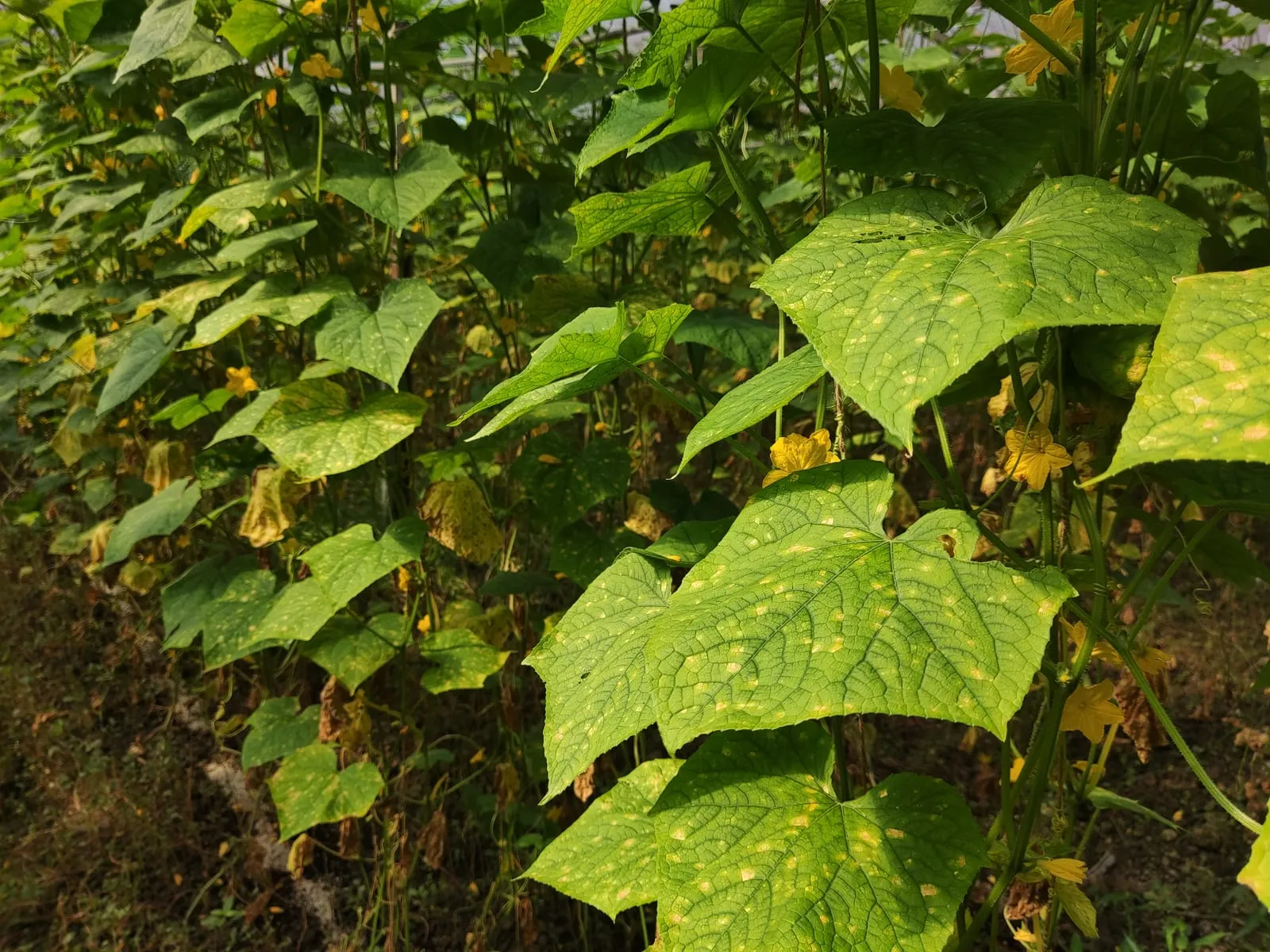
Pseudoperonospora cubensis (cucurbits) and others
Water mold (oomycete, not a true fungus) that thrives in cool damp conditions. Spreads rapidly through cucurbit and brassica plantings on wind-borne spores.
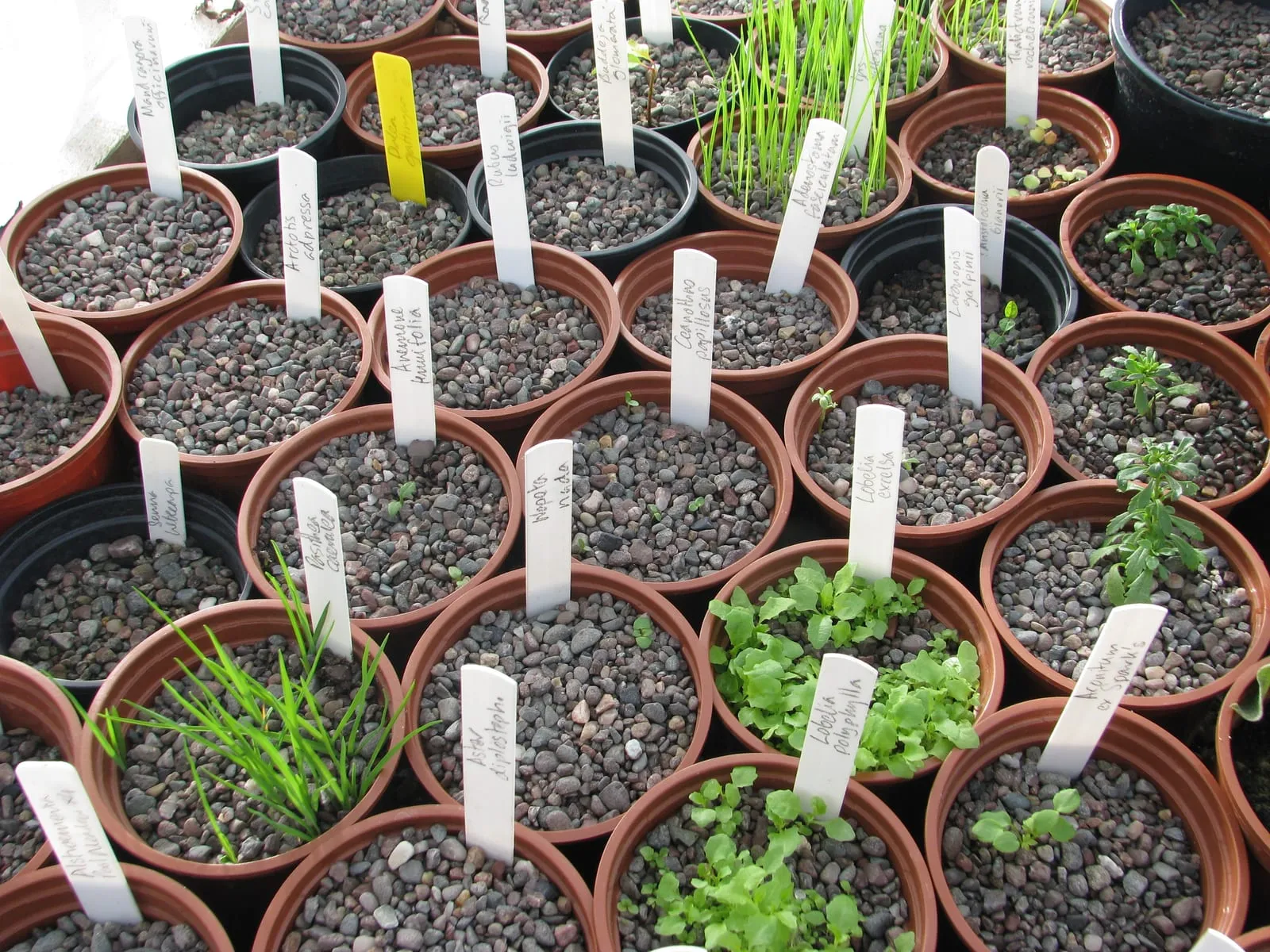
Pythium and Rhizoctonia species
Soil-borne complex of water molds and fungi that kill seedlings before or shortly after emergence. The single most common cause of seed-starting failures.
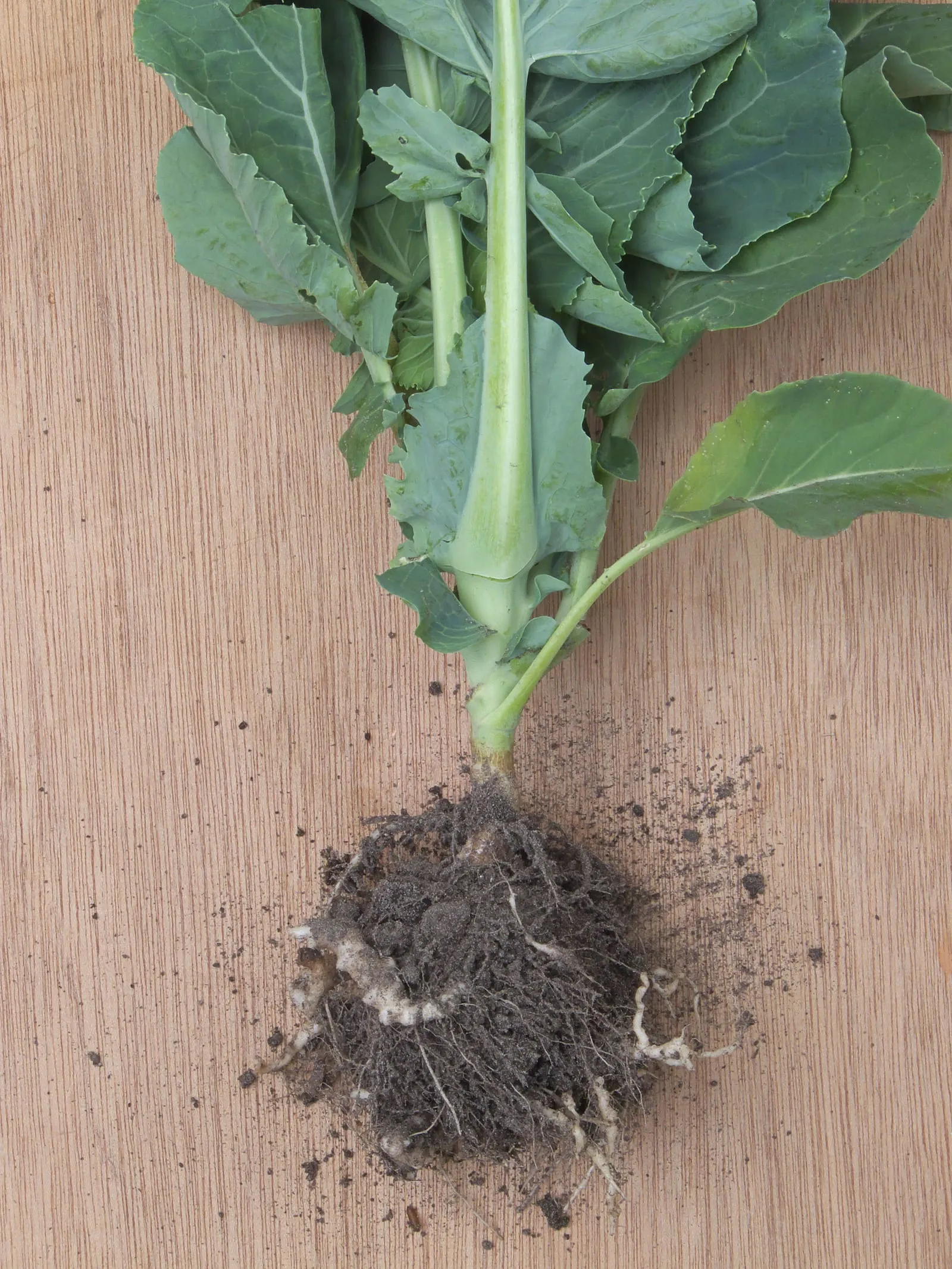
Plasmodiophora brassicae
Soil-borne disease causing characteristic distorted club-shaped roots on brassicas. Persists in soil for 10-20 years; the dominant brassica pathogen in acidic poorly-drained soils.
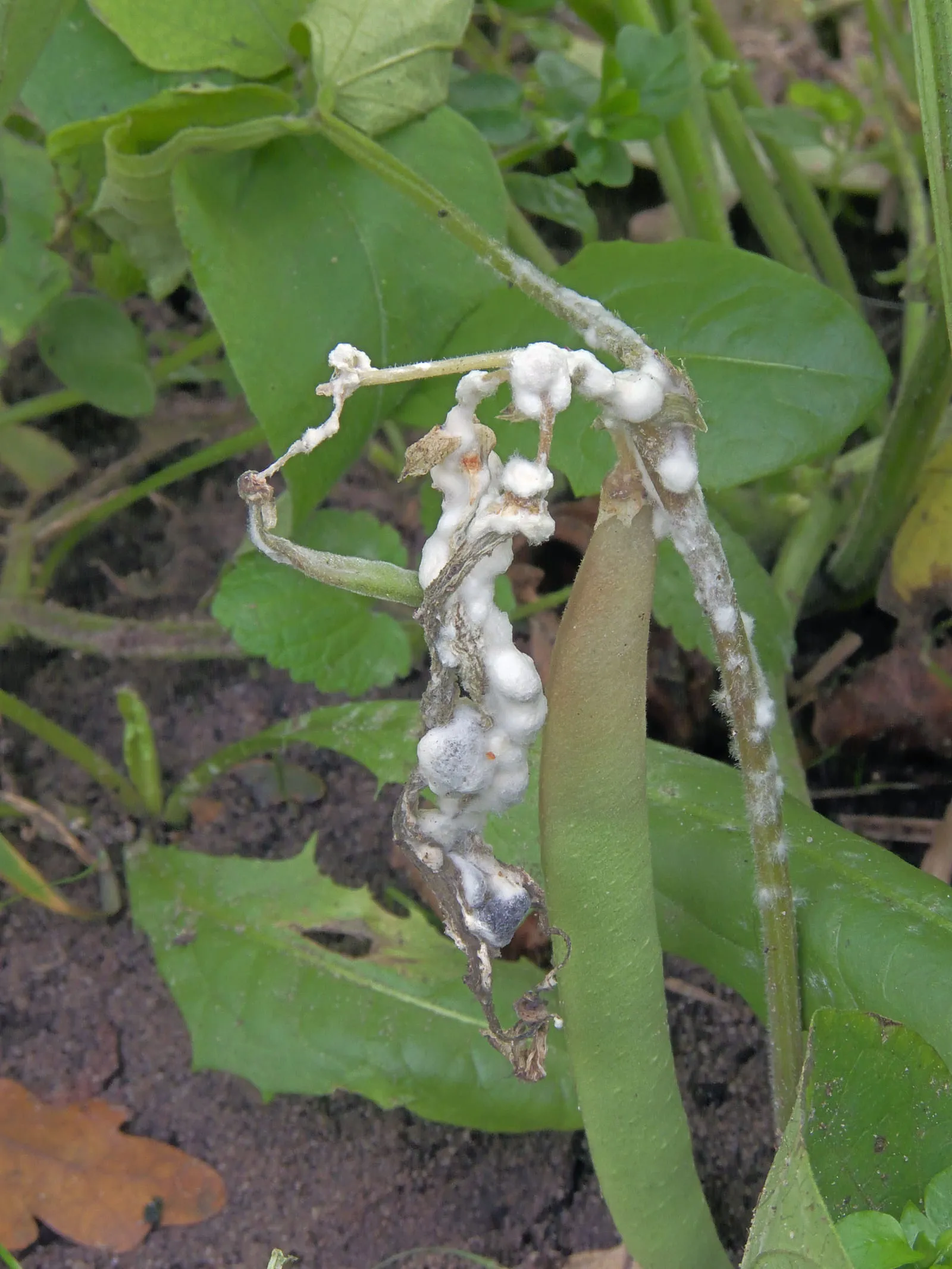
Sclerotinia sclerotiorum
Fungal disease that produces fluffy white mycelium on stems and lower leaves. Forms hard black sclerotia (resting bodies) that survive 5+ years in soil.
Modified care for zone 8b
The main adjustment in zone 8b is orienting the entire growing season around heat avoidance. Fall planting is not optional; it is the primary strategy. Summer sowings that succeed in zones 6 or 7 will fail here because transplants would be setting heads into July heat.
Nematodes in sandy soils are a real concern for repeated brassica plantings. Rotating broccoli out of the same bed every two to three years and amending sandy ground with compost reduces nematode pressure and improves moisture retention.
Downy mildew and white mold both thrive in the humid, mild conditions of zone 8b winters. Spacing transplants 18 inches or more apart improves airflow and slows foliar disease spread. Clubroot persists in soil for years; beds that produce stunted, yellowing plants with swollen roots should be rested from all brassicas for a minimum of seven years, with soil pH raised toward 7.0 or above to discourage the pathogen.
Broccoli in adjacent zones
Image: "Brassica oleracea var. italica Limba 2022-04-24 7316", by Salicyna, via Wikimedia Commons, licensed under CC-BY Source.

Related