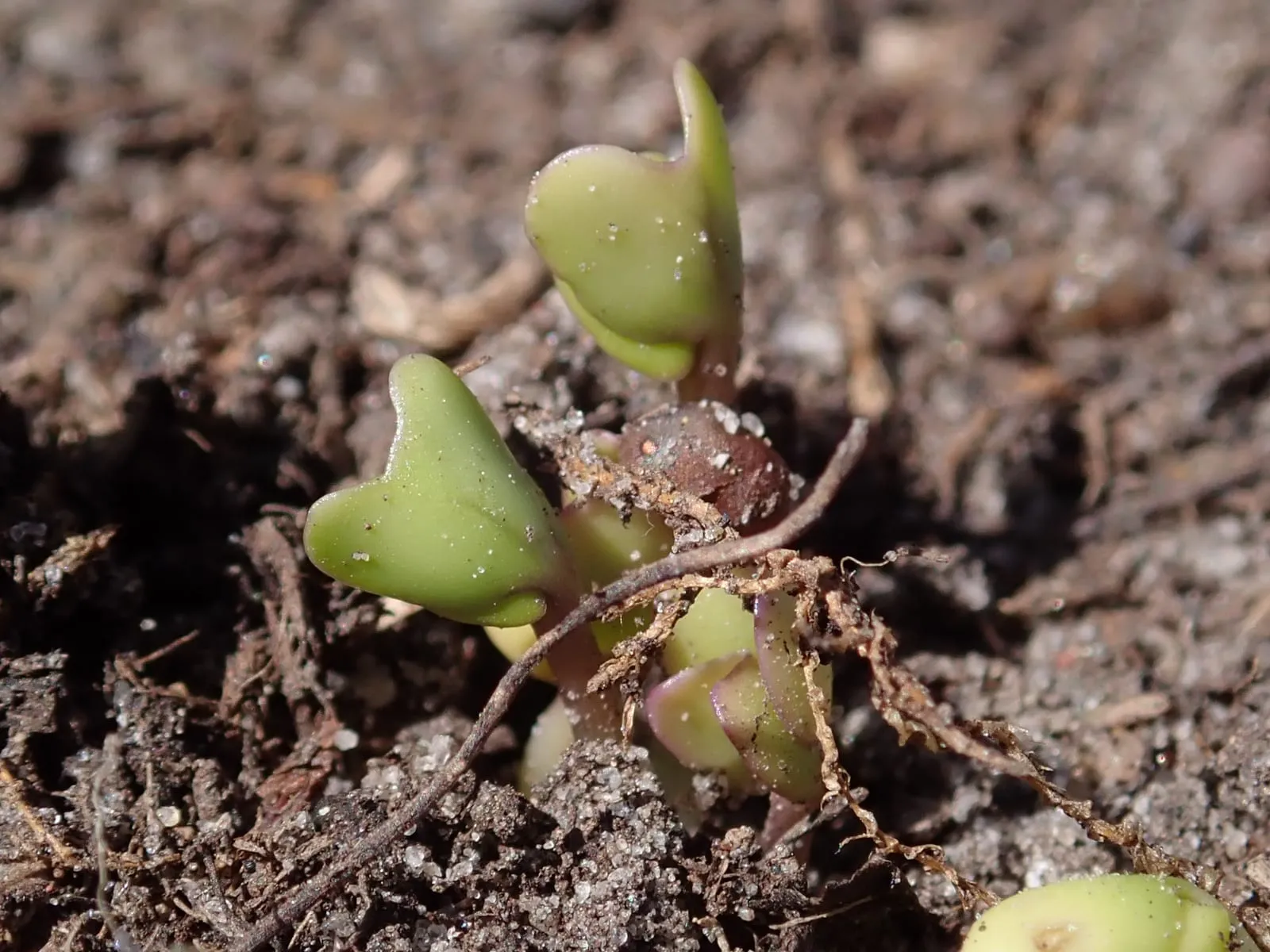
vegetable in zone 9a
Growing broccoli in zone 9a
Brassica oleracea var. italica
- Zone
- 9a 20°F to 25°F
- Growing season
- 290 days
- Suitable varieties
- 1
- Days to harvest
- 60 to 90
The verdict
Broccoli is a cool-season brassica with no meaningful chill-hour requirement in the sense that stone fruits have. What it needs instead is sustained temperatures below roughly 75°F to develop dense heads without premature bolting. Zone 9a, with its 290-day growing season and minimum winter temperatures in the 20 to 25°F range, is not a natural fit for summer production, but it supports a legitimate fall-through-spring window that few northern zones can match.
The zone reads as marginal-to-workable rather than a sweet spot. The challenge is not cold, which is mild and brief, but heat. Summers in zone 9a regularly push well past the threshold at which broccoli heads turn loose, flower prematurely, or skip heading entirely. Growers who treat zone 9a as a winter vegetable garden, not a summer one, find broccoli manageable. Purple Sprouting is the variety best adapted to mild-winter conditions here, producing harvestable side shoots through the cooler months rather than a single large central head.
Recommended varieties for zone 9a
1 cultivar suited to this zone, with disease-resistance and zone-fit annotations.
| Variety | Notes | Zone fit | Disease resistance |
|---|---|---|---|
| Purple Sprouting fits zone 9a | Sweet, asparagus-like, tender; produces many small purple-tinged shoots through winter or early spring. Steamed, stir-fried, blanched. Overwinters in mild zones. | | none noted |
Critical timing for zone 9a
In zone 9a, the workable broccoli windows run from late-summer transplants (early September) through harvest in November and December, and from a late-winter sow or transplant (late January through February) through harvest in March and April. The fall window is more reliable because plants establish in cooling weather and avoid the heaviest disease pressure.
Purple Sprouting broccoli matures more slowly than heading types and is typically started in late August or early September, with side-shoot harvest running from January through March in most zone 9a locations. First frost in zone 9a tends to arrive in November or December and is light enough that outdoor broccoli rarely needs protection. The real season-ender is the return of heat in late spring, which typically closes the harvest window before May.
Common challenges in zone 9a
- ▸ Limited stone fruit options due to insufficient chill
- ▸ Hurricane and tropical storm exposure
- ▸ Citrus disease pressure
Disease pressure to watch for
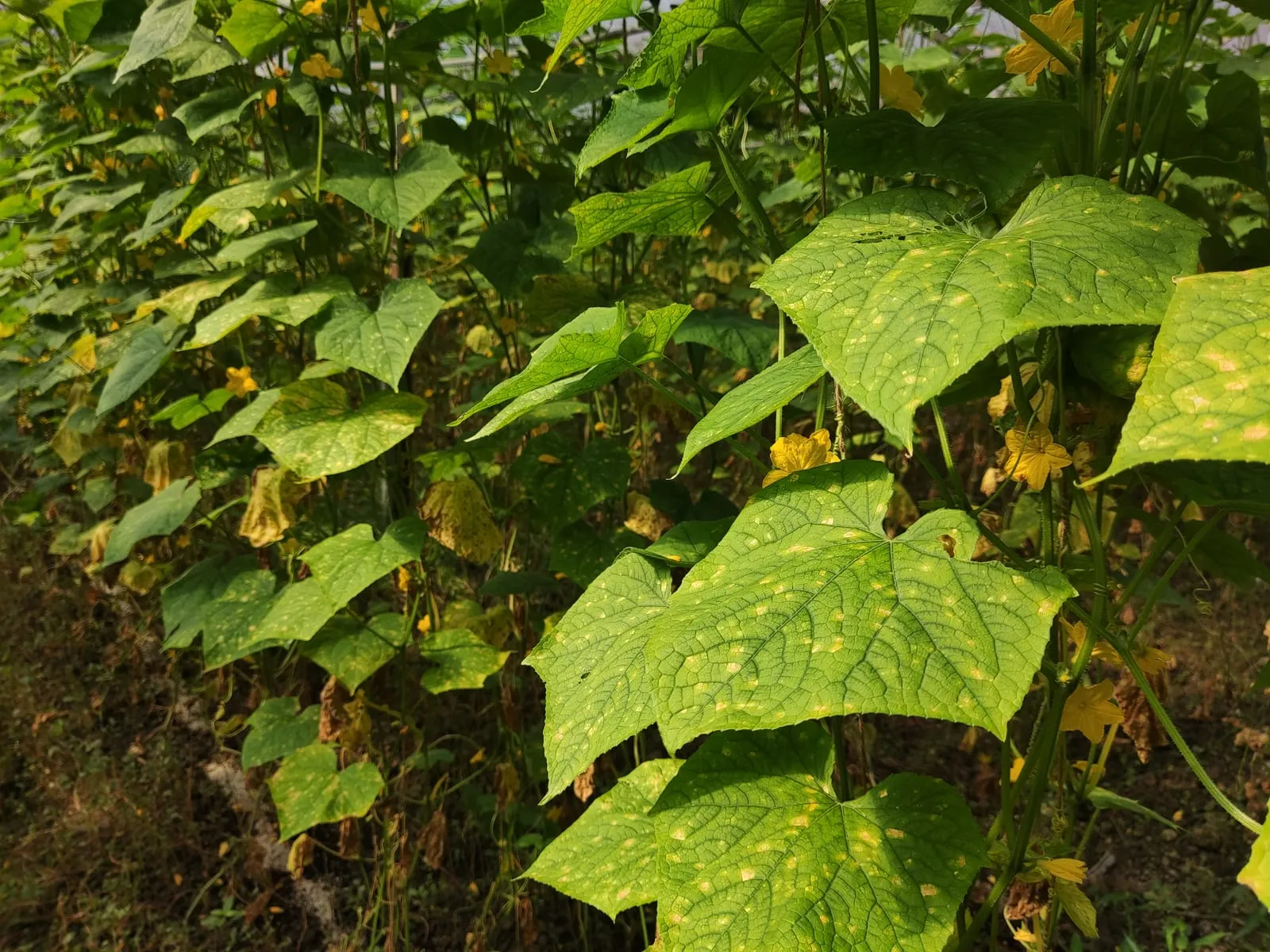
Pseudoperonospora cubensis (cucurbits) and others
Water mold (oomycete, not a true fungus) that thrives in cool damp conditions. Spreads rapidly through cucurbit and brassica plantings on wind-borne spores.
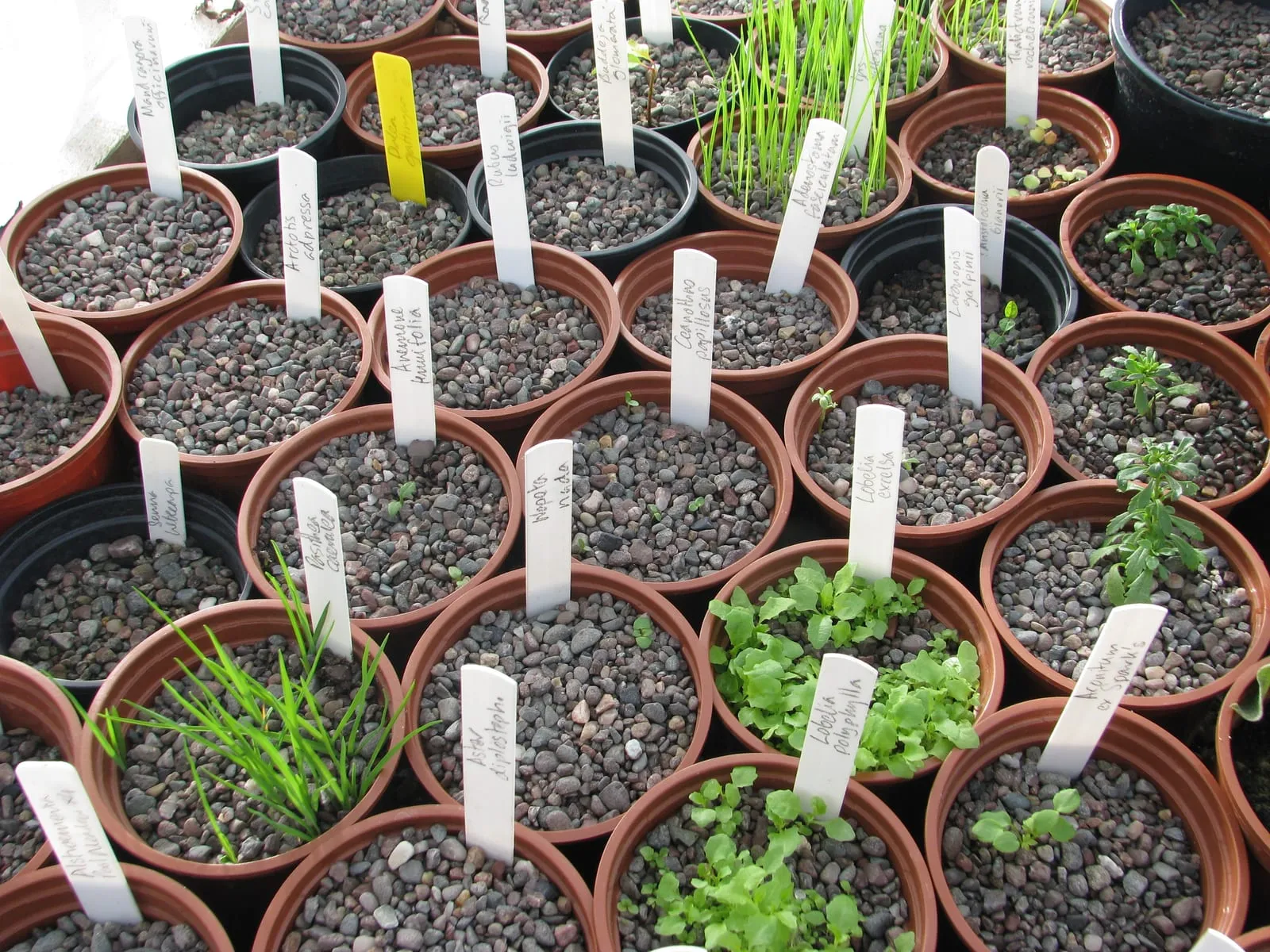
Pythium and Rhizoctonia species
Soil-borne complex of water molds and fungi that kill seedlings before or shortly after emergence. The single most common cause of seed-starting failures.
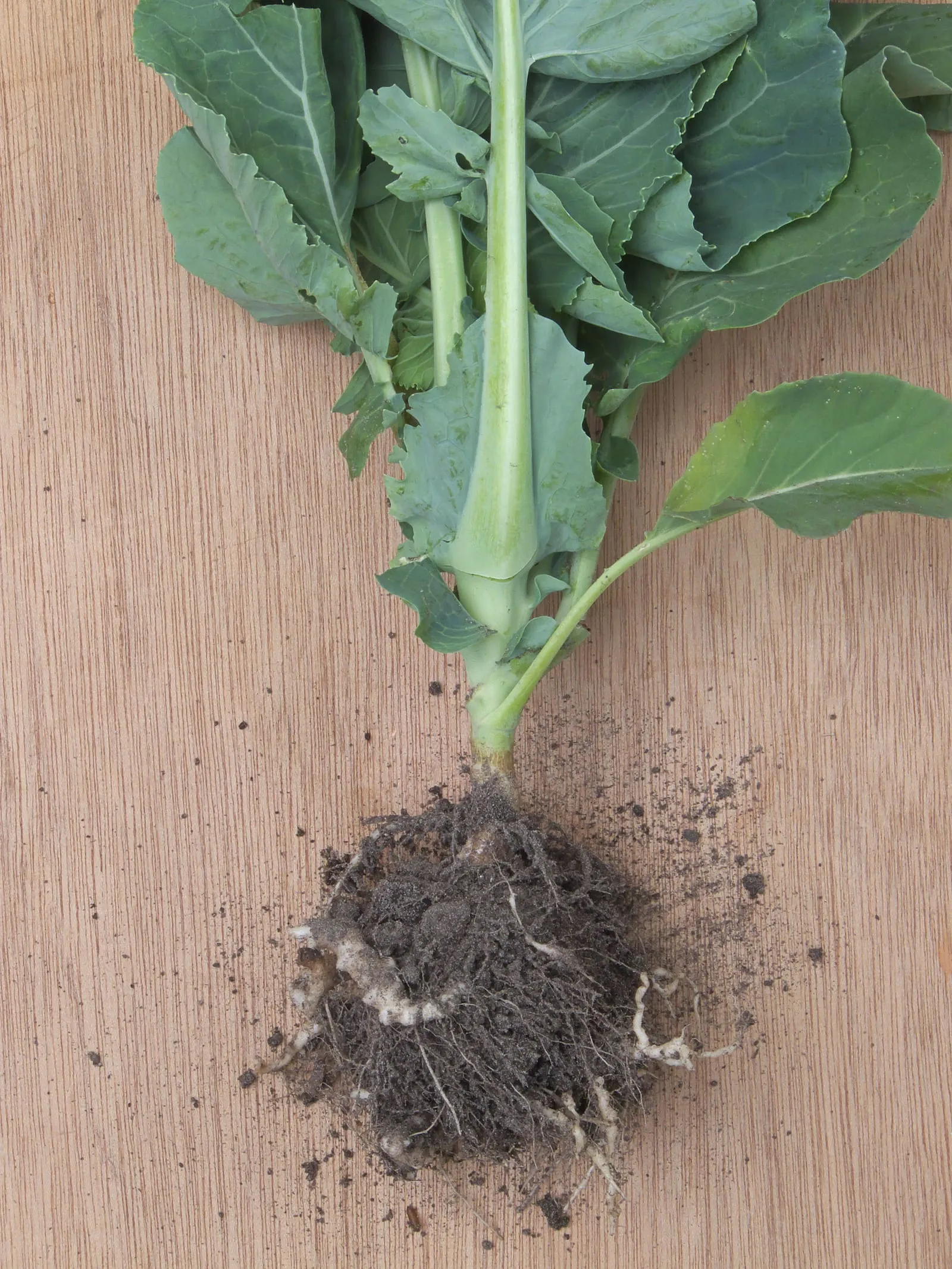
Plasmodiophora brassicae
Soil-borne disease causing characteristic distorted club-shaped roots on brassicas. Persists in soil for 10-20 years; the dominant brassica pathogen in acidic poorly-drained soils.
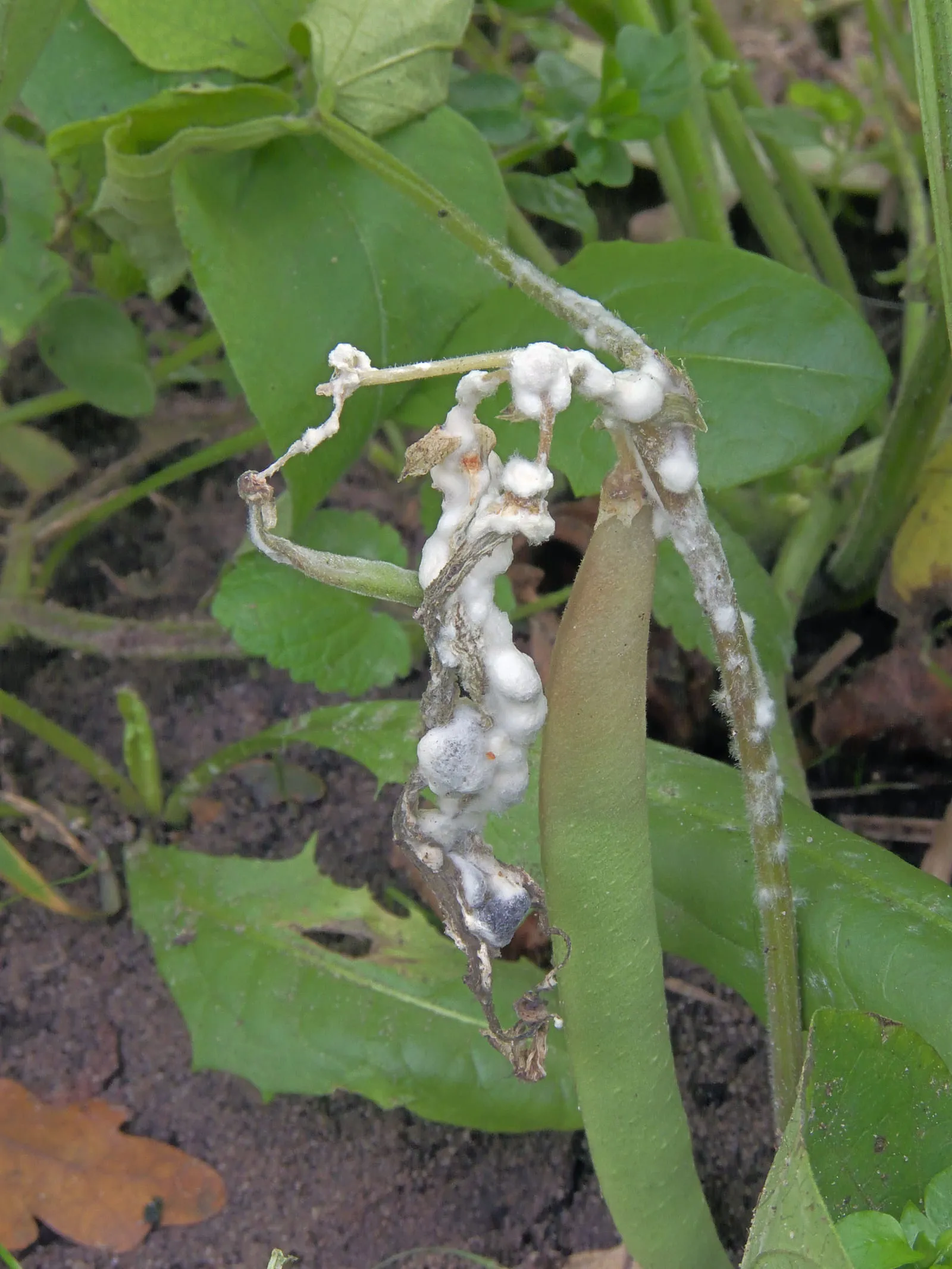
Sclerotinia sclerotiorum
Fungal disease that produces fluffy white mycelium on stems and lower leaves. Forms hard black sclerotia (resting bodies) that survive 5+ years in soil.
Modified care for zone 9a
The primary adjustment in zone 9a is timing discipline. A planting set out even two weeks late into warm September weather can fail to head before heat returns in spring. Starting transplants in late July or early August for fall planting gives the crop the full cool window it needs.
Downy mildew is the most consistent disease pressure here, favored by the combination of mild temperatures and humid fall conditions. Overhead irrigation should be avoided from mid-afternoon onward; drip systems reduce leaf wetness and limit spore germination. Clubroot, a soilborne pathogen, persists long-term in acidic soil; maintaining pH above 7.0 with lime applications reduces infection rates substantially. White mold tends to peak during cool, wet spells in plantings with poor air circulation. Spacing plants no closer than 18 inches and removing lower leaves that contact the soil surface reduces risk from all three pathogens.
Broccoli in adjacent zones
Image: "Brassica oleracea var. italica Limba 2022-04-24 7316", by Salicyna, via Wikimedia Commons, licensed under CC-BY Source.

Related