vegetable in zone 7b
Growing broccoli in zone 7b
Brassica oleracea var. italica
- Zone
- 7b 5°F to 10°F
- Growing season
- 220 days
- Suitable varieties
- 3
- Days to harvest
- 60 to 90
The verdict
Zone 7b is a reliable zone for broccoli, not a marginal one. The mild winters (minimum temperatures of 5 to 10°F) support overwintering of cold-hardy varieties, and the 220-day growing season accommodates two distinct production windows. Broccoli is a cool-season brassica rather than a chill-hour crop, so the relevant question is whether the zone provides adequate cool-temperature periods for head development. Zone 7b delivers this in both spring and fall.
The real limitation is summer heat. Once daytime highs climb consistently above 80°F, broccoli heads button prematurely or turn bitter, making June through August a dead zone for production. Spring plantings that stretch into late May often suffer for this reason. Fall crops have a structural advantage: temperatures cool progressively as heads develop, typically producing tighter, better-flavored heads than spring crops planted under warming conditions.
Purple Sprouting broccoli extends the season further, surviving zone 7b winters to produce side shoots in late winter and early spring before other crops are in the ground.
Recommended varieties for zone 7b
3 cultivars suited to this zone, with disease-resistance and zone-fit annotations.
| Variety | Notes | Zone fit | Disease resistance |
|---|---|---|---|
| Calabrese fits zone 7b | Sweet, tender, deep flavor; classic green-headed Italian broccoli. Steaming, roasting, fresh, side shoots after main head. Heritage open-pollinated, productive long after main harvest. | | none noted |
| Di Cicco fits zone 7b | Sweet, mild, tender; Italian heirloom with smaller central head and prolific side shoots. Steaming, fresh, stir-fry. Long picking season, ideal for home gardens. | | none noted |
| Purple Sprouting fits zone 7b | Sweet, asparagus-like, tender; produces many small purple-tinged shoots through winter or early spring. Steamed, stir-fried, blanched. Overwinters in mild zones. | | none noted |
Critical timing for zone 7b
Zone 7b last frost dates typically fall between mid-March and early April across the piedmont and mid-Atlantic, with meaningful variation by elevation and microclimate. Spring broccoli transplants go into the field 4 to 6 weeks before last frost, with indoor starts in late January through mid-February. Heads on standard varieties like Calabrese and Di Cicco mature in 60 to 80 days from transplant, putting the spring harvest window in April and May.
Fall crops require counting backward from first fall frost, which typically arrives in late October to mid-November in zone 7b. Starting transplants indoors in mid-July for field placement in early August gives heads time to mature through September and October under progressively cooling temperatures. Purple Sprouting varieties started in late summer overwinter in the field and produce loose side shoots from January through March, depending on winter severity and site exposure.
Common challenges in zone 7b
- ▸ Cedar-apple rust pressure heavy in piedmont
- ▸ Japanese beetles
- ▸ Brown marmorated stink bug
- ▸ Late summer disease pressure
Disease pressure to watch for
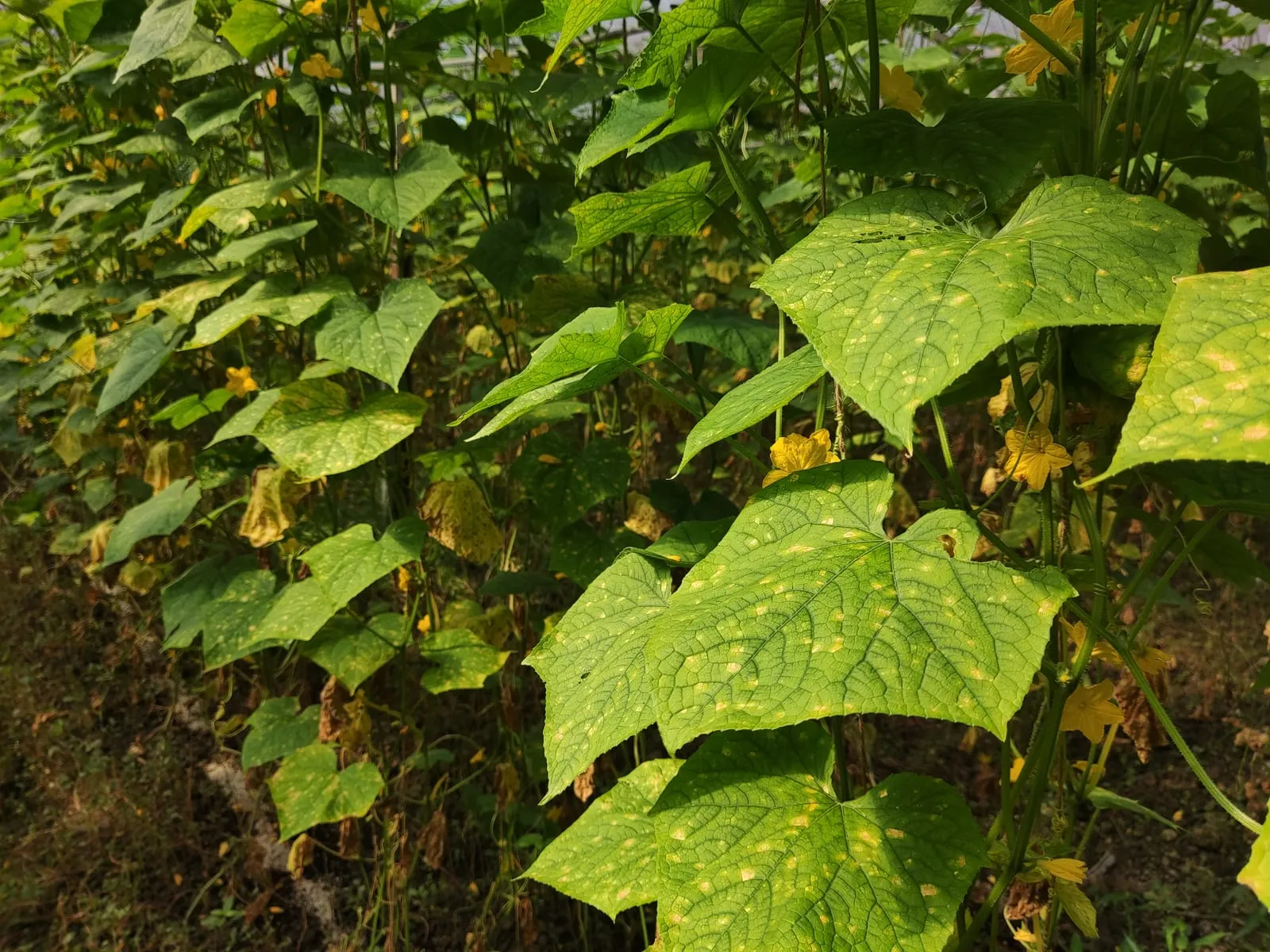
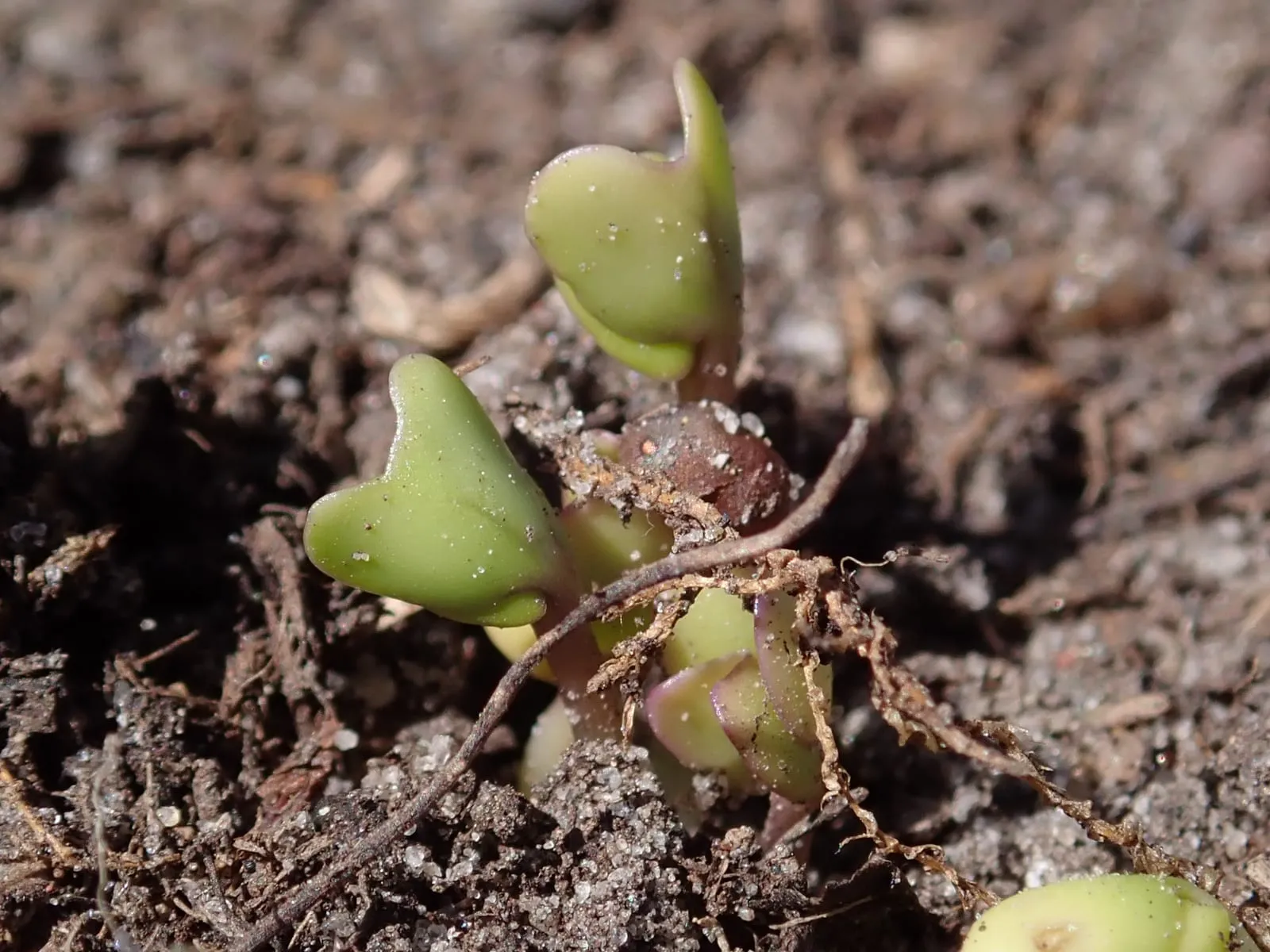
Pseudoperonospora cubensis (cucurbits) and others
Water mold (oomycete, not a true fungus) that thrives in cool damp conditions. Spreads rapidly through cucurbit and brassica plantings on wind-borne spores.
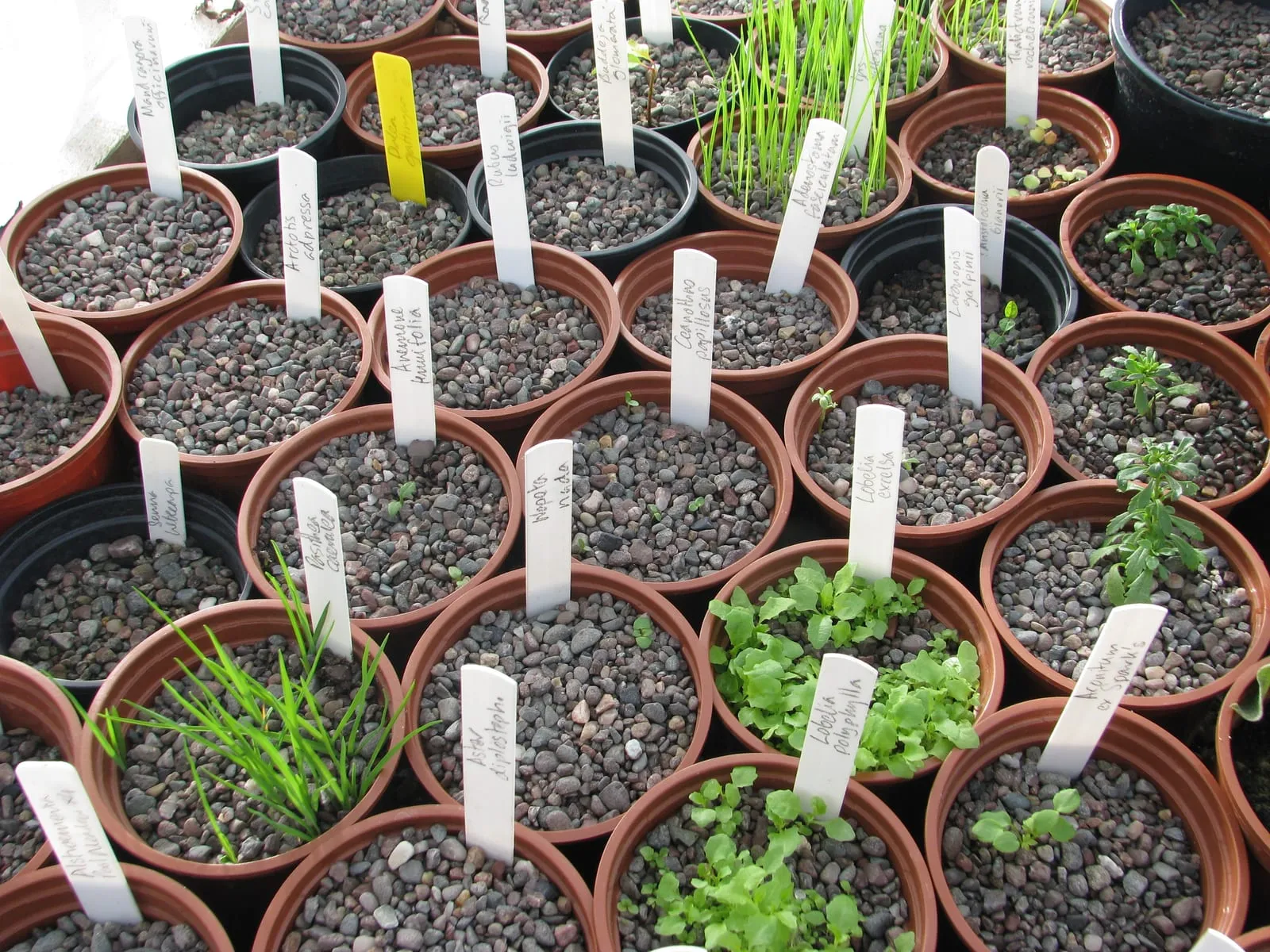
Pythium and Rhizoctonia species
Soil-borne complex of water molds and fungi that kill seedlings before or shortly after emergence. The single most common cause of seed-starting failures.
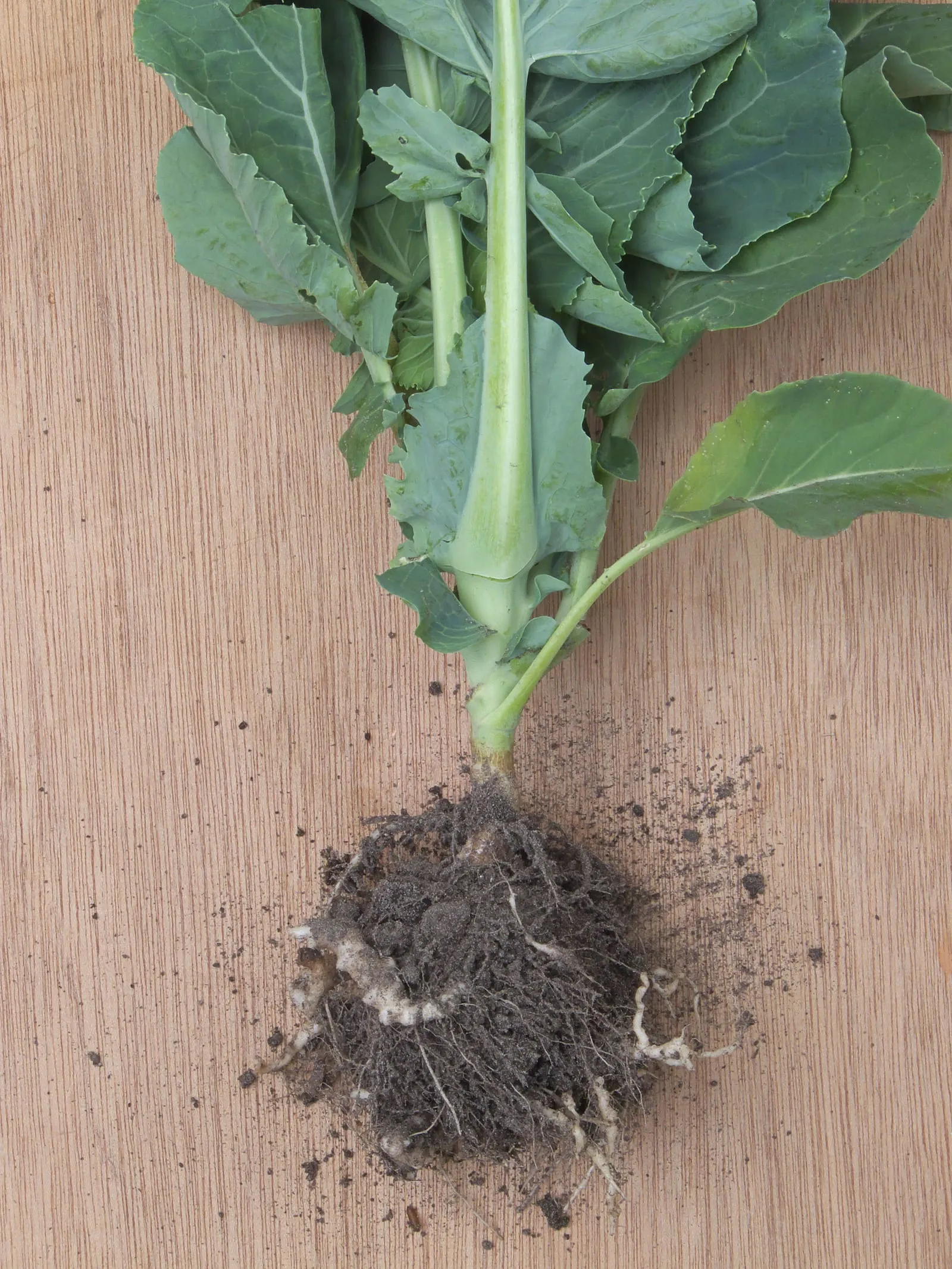
Plasmodiophora brassicae
Soil-borne disease causing characteristic distorted club-shaped roots on brassicas. Persists in soil for 10-20 years; the dominant brassica pathogen in acidic poorly-drained soils.
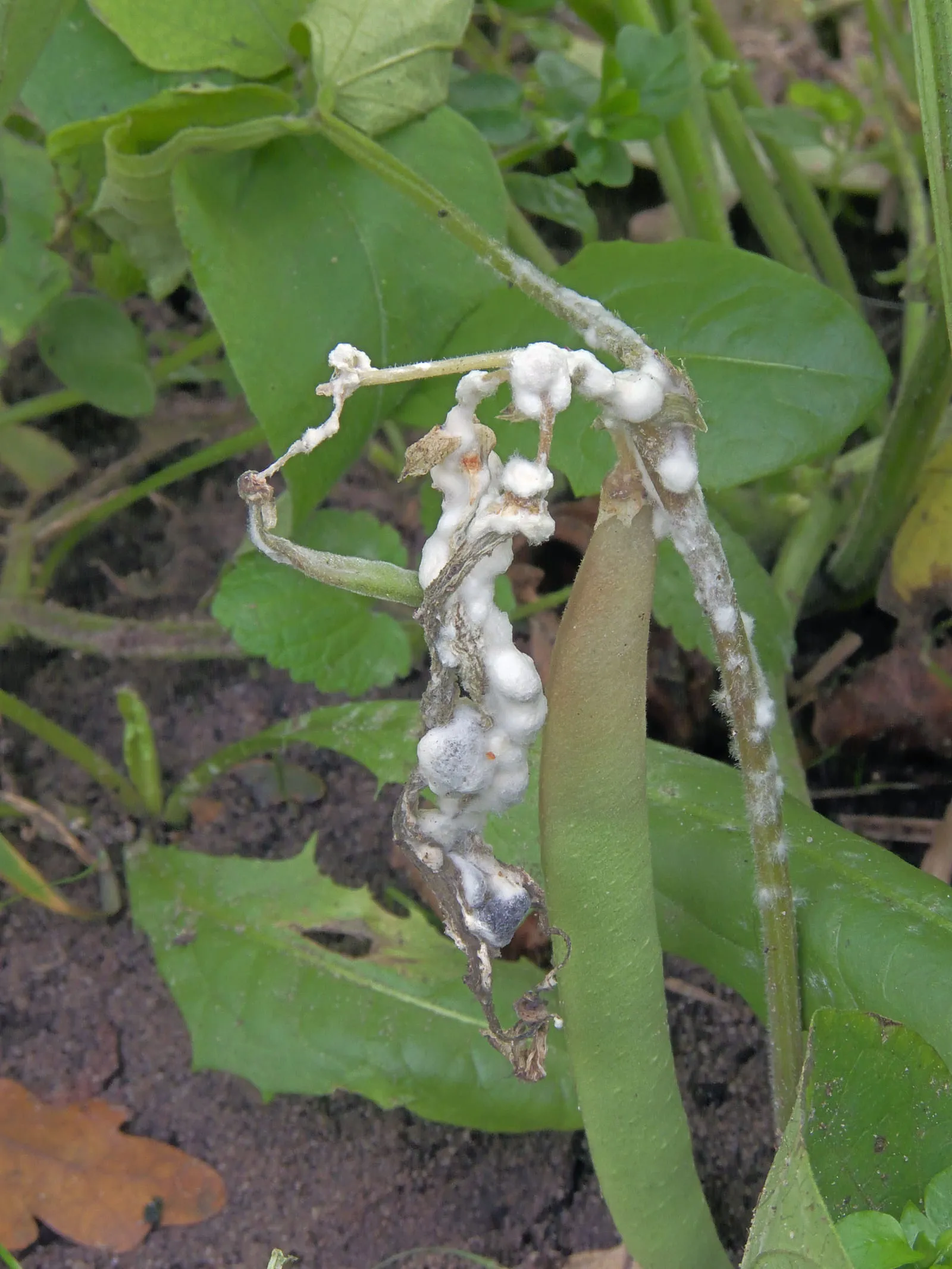
Sclerotinia sclerotiorum
Fungal disease that produces fluffy white mycelium on stems and lower leaves. Forms hard black sclerotia (resting bodies) that survive 5+ years in soil.
Modified care for zone 7b
Clubroot is the disease pressure that requires the most deliberate management in zone 7b. It is a soil-borne pathogen that accumulates with repeated brassica plantings; a minimum 3-year rotation away from all brassicas and maintaining soil pH above 7.0 suppresses it effectively. Downy mildew increases under the humid fall conditions common in the piedmont; spacing plants at 18 inches or more and irrigating in the morning rather than evening reduces the leaf wetness that promotes infection.
Japanese beetles and brown marmorated stink bugs are feeding threats from late summer into early fall, coinciding with fall transplanting windows. Row cover provides physical exclusion for young transplants and is practical until plants are established. Stink bug feeding on developing heads causes cosmetic damage rather than crop loss in most home garden situations; monitoring and hand removal is sufficient at small scale.
White mold risk rises in wet springs. Adequate plant spacing and avoiding overhead irrigation are the primary preventive measures, since fungicide options for home gardeners are limited.
Frequently asked questions
- Can broccoli be grown year-round in zone 7b?
Not quite year-round, but close. Zone 7b supports spring crops (April to May harvest), fall crops (October to November), and overwintered Purple Sprouting types that produce in late winter. Summer production is not viable because heat causes premature bolting and poor head quality.
- Which broccoli varieties perform best in zone 7b?
Calabrese and Di Cicco are well-suited to both spring and fall windows. Purple Sprouting is the best choice for overwintering, producing a long harvest of side shoots in late winter and early spring. All three tolerate light frost without damage to developing heads.
- How serious is clubroot in zone 7b?
Clubroot is a genuine long-term risk in any garden with repeated brassica production. The pathogen persists in soil for many years once established. Strict crop rotation (3 years minimum away from all brassicas) and liming to pH 7.2 or above are the primary preventive measures. There is no cure once the soil is infested.
- Is fall or spring the better broccoli season in zone 7b?
Fall is generally more reliable. Spring crops race against rising temperatures, and a warm April can cut the harvest window short. Fall crops mature as temperatures drop, which tends to produce better head quality and longer harvest windows. Many growers in zone 7b treat spring broccoli as a bonus and plan around fall as the primary season.
+−
+−
+−
+−
Broccoli in adjacent zones
Image: "Brassica oleracea var. italica Limba 2022-04-24 7316", by Salicyna, via Wikimedia Commons, licensed under CC-BY Source.

Related