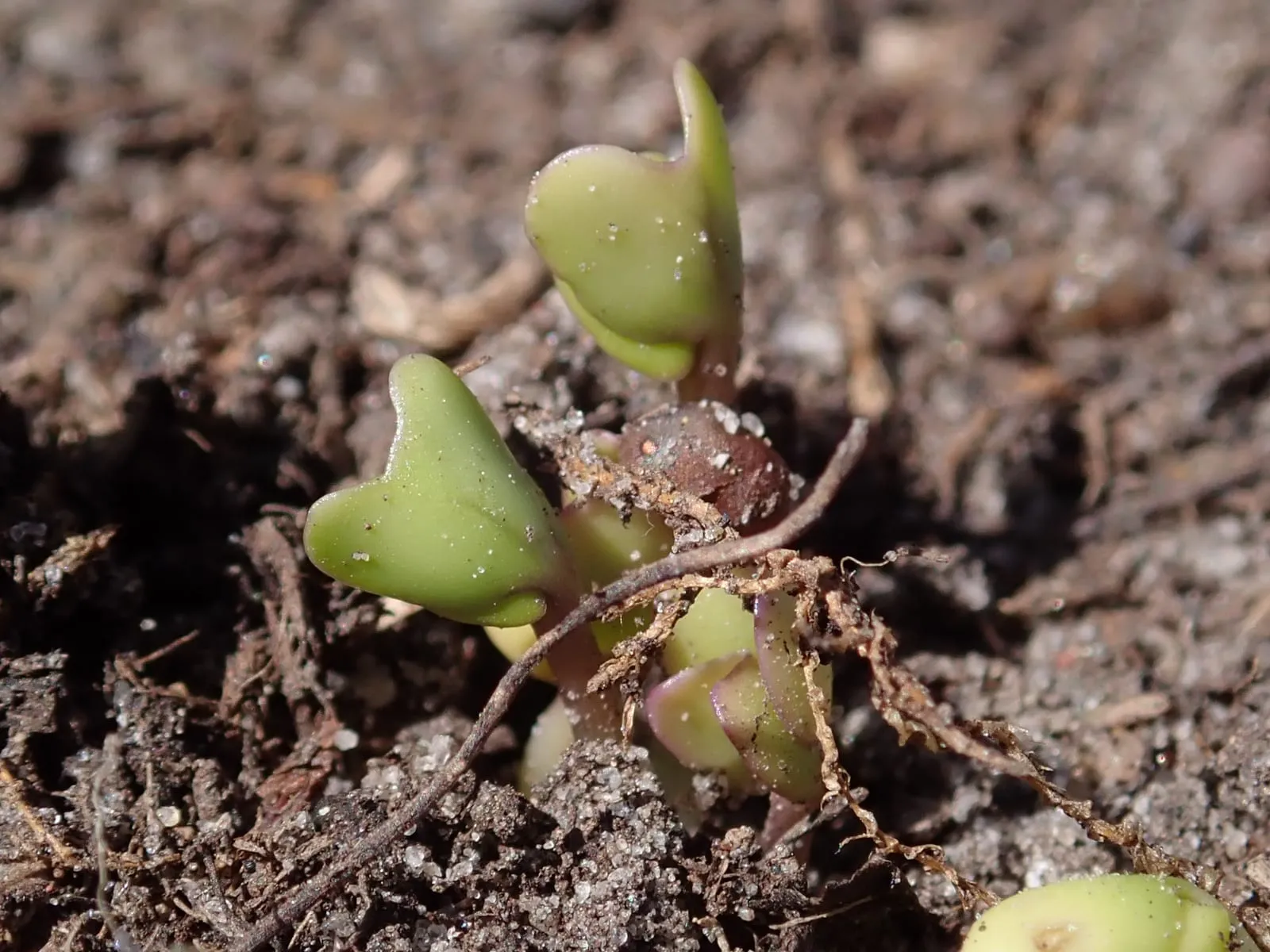
vegetable in zone 7a
Growing broccoli in zone 7a
Brassica oleracea var. italica
- Zone
- 7a 0°F to 5°F
- Growing season
- 210 days
- Suitable varieties
- 4
- Days to harvest
- 60 to 90
The verdict
Zone 7a is a reliable production zone for broccoli, not a marginal one. The 210-day growing season and winter minimum temperatures of 0°F to 5°F create conditions well-suited to cool-season brassica production. Broccoli does not require chill hours the way fruit trees do; what it needs is sustained cool temperatures, roughly 50°F to 65°F, during head development. Zone 7a delivers that window twice annually, in spring and fall, which is the core advantage of this zone for the crop.
The main constraint is summer heat, which accelerates bolting and makes midsummer production impractical. Varieties like Waltham 29 and Purple Sprouting are well-adapted to zone 7a conditions and tolerate moderate frost. Calabrese and Di Cicco are productive for spring crops but must be timed carefully to finish before daytime temperatures consistently exceed 75°F. Zone 7a's high humidity warrants attention to disease management, particularly downy mildew, which can move quickly through a planting under warm, wet conditions.
Recommended varieties for zone 7a
4 cultivars suited to this zone, with disease-resistance and zone-fit annotations.
| Variety | Notes | Zone fit | Disease resistance |
|---|---|---|---|
| Calabrese fits zone 7a | Sweet, tender, deep flavor; classic green-headed Italian broccoli. Steaming, roasting, fresh, side shoots after main head. Heritage open-pollinated, productive long after main harvest. | | none noted |
| Waltham 29 fits zone 7a | Sweet, tight-headed, classic flavor; cold-hardy fall variety. Roasting, steaming, freezing. Best for fall/overwintering plantings, holds in field through light frost. | | none noted |
| Di Cicco fits zone 7a | Sweet, mild, tender; Italian heirloom with smaller central head and prolific side shoots. Steaming, fresh, stir-fry. Long picking season, ideal for home gardens. | | none noted |
| Purple Sprouting fits zone 7a | Sweet, asparagus-like, tender; produces many small purple-tinged shoots through winter or early spring. Steamed, stir-fried, blanched. Overwinters in mild zones. | | none noted |
Critical timing for zone 7a
Broccoli is harvested before flowering, so the timing goal is to mature heads during cool periods. In zone 7a, spring transplants go out two to four weeks before the last frost date, typically late March to mid-April depending on local conditions, with harvest targeted for May into early June. Fall is often the more reliable season: start seeds indoors in July for transplanting in late August, targeting harvest from October through November as temperatures moderate.
Purple Sprouting broccoli, planted in late summer, can overwinter in zone 7a and produce lateral shoots in February and March, ahead of conventional spring crops. Established plants tolerate light frost down to around 25°F without significant damage, which extends the usable harvest window at both ends of the season.
Common challenges in zone 7a
- ▸ Cedar-apple rust
- ▸ Brown rot
- ▸ Fire blight
- ▸ High humidity disease pressure
Disease pressure to watch for
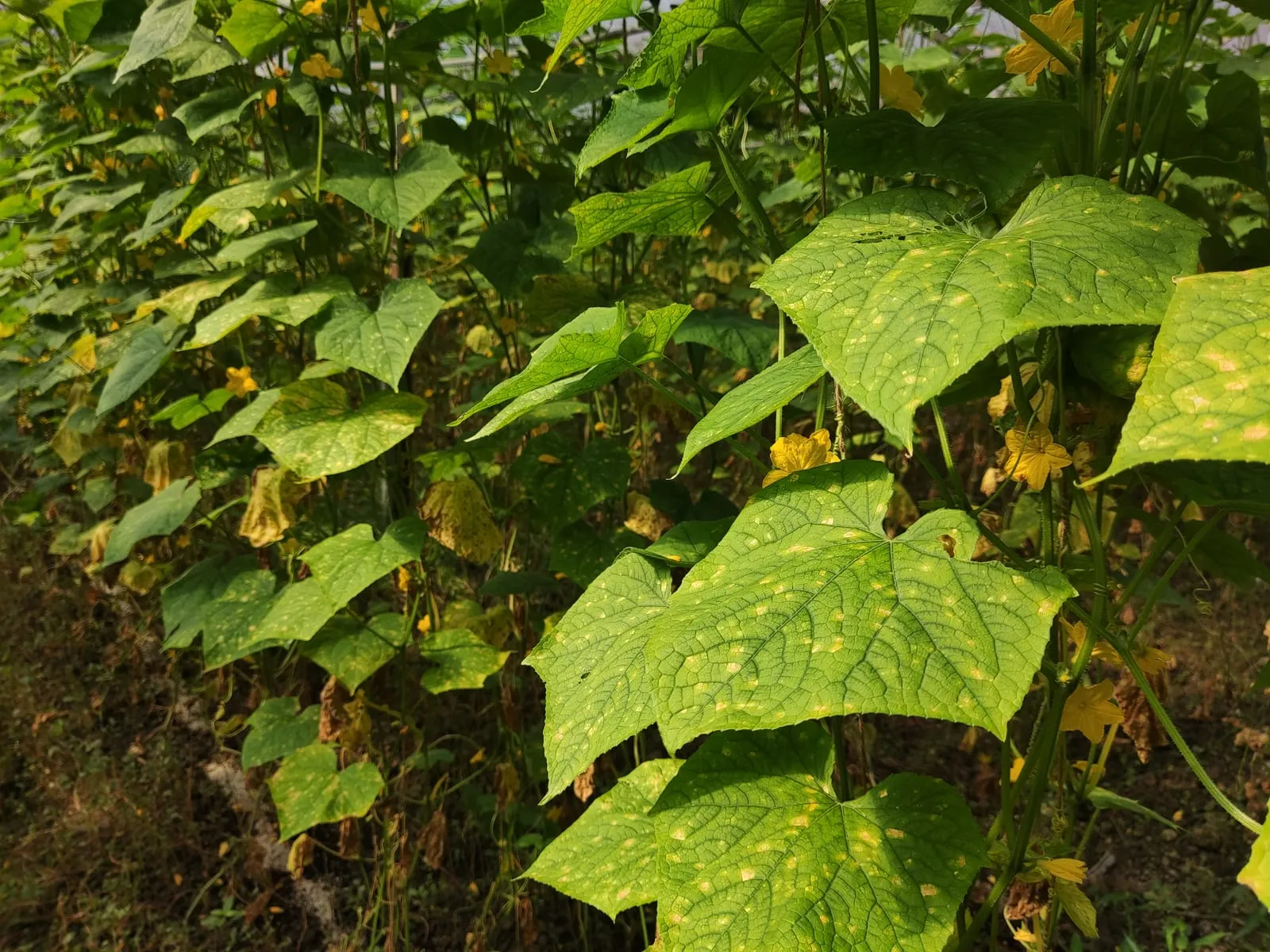
Pseudoperonospora cubensis (cucurbits) and others
Water mold (oomycete, not a true fungus) that thrives in cool damp conditions. Spreads rapidly through cucurbit and brassica plantings on wind-borne spores.
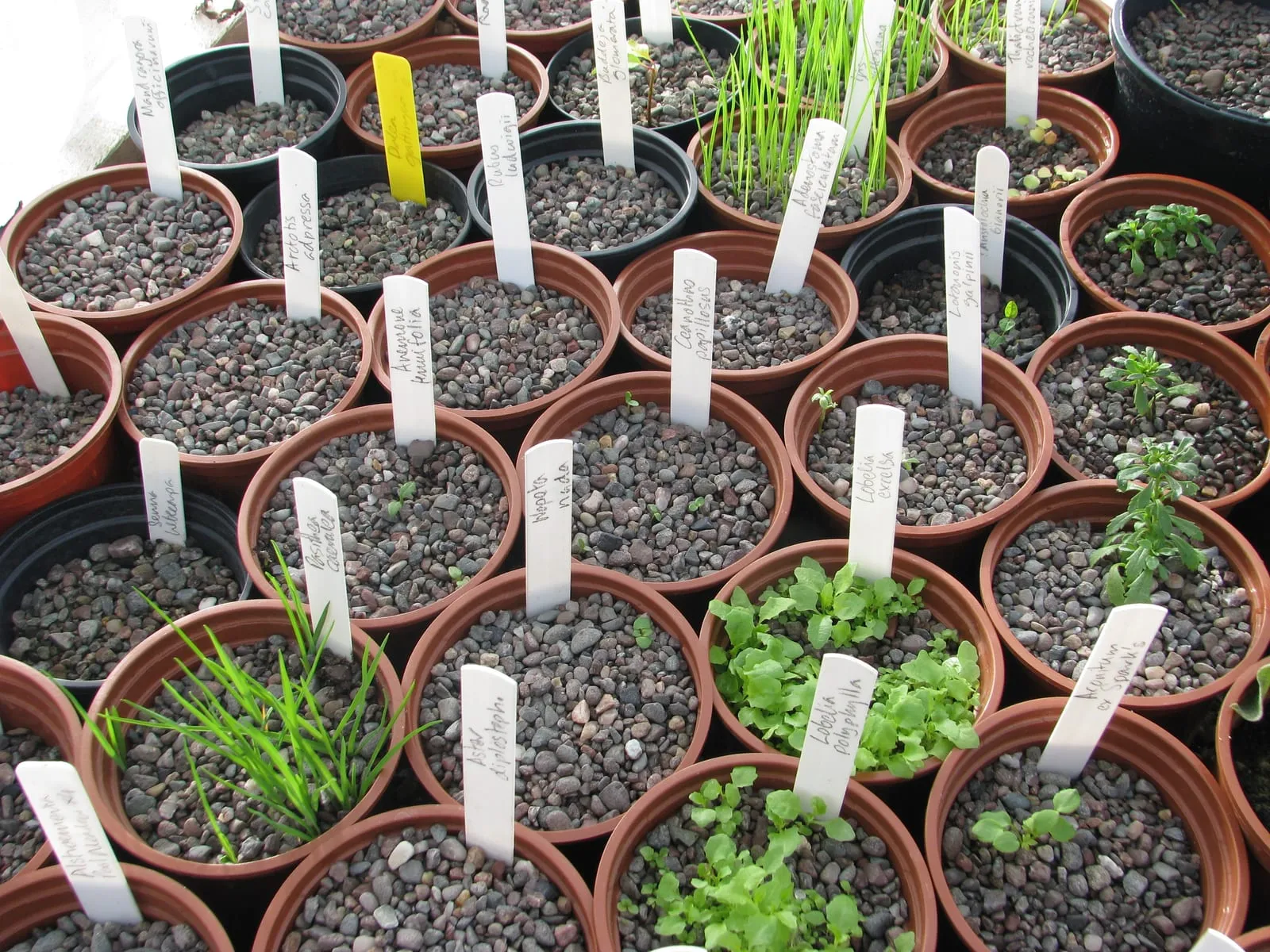
Pythium and Rhizoctonia species
Soil-borne complex of water molds and fungi that kill seedlings before or shortly after emergence. The single most common cause of seed-starting failures.
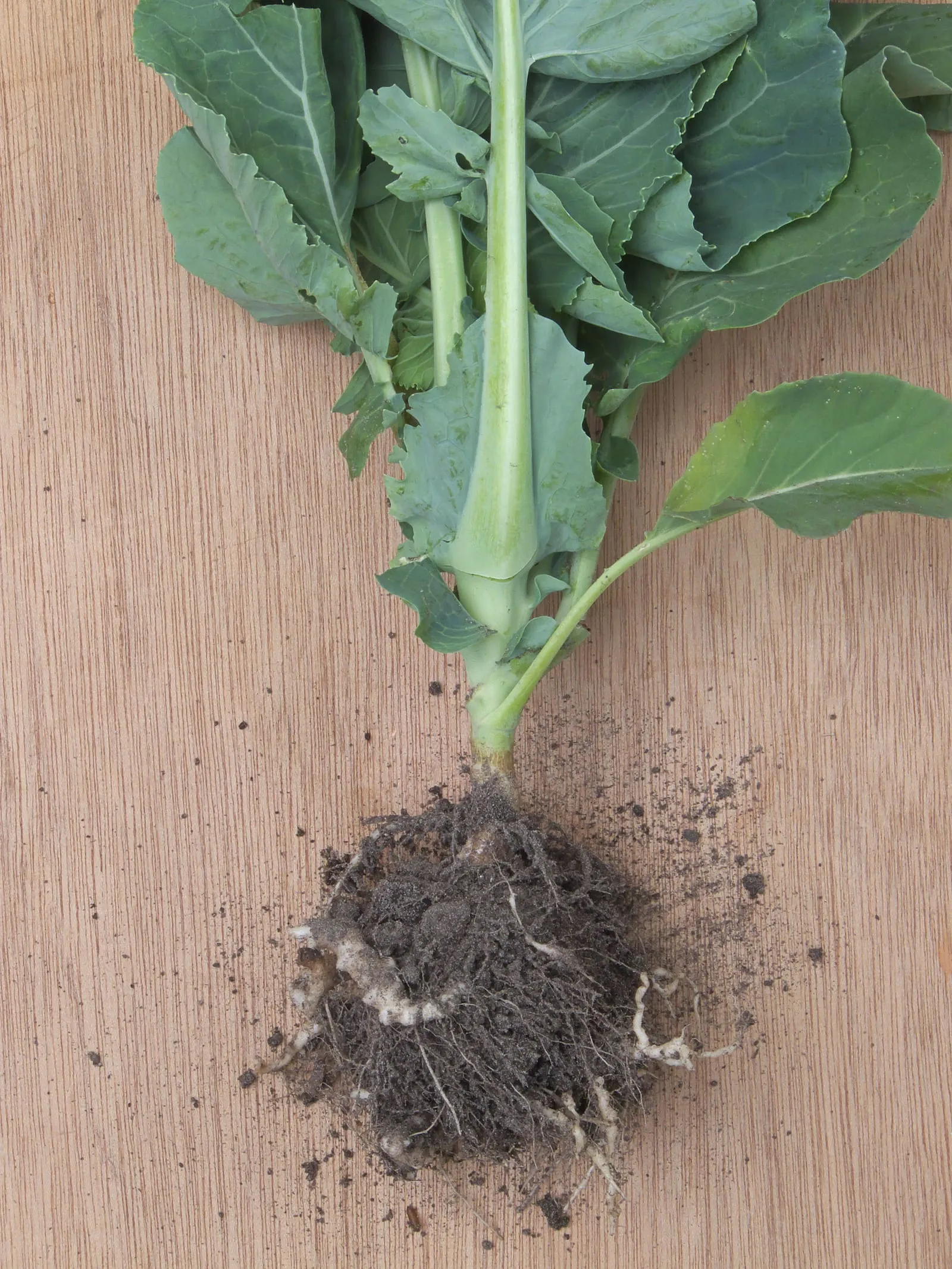
Plasmodiophora brassicae
Soil-borne disease causing characteristic distorted club-shaped roots on brassicas. Persists in soil for 10-20 years; the dominant brassica pathogen in acidic poorly-drained soils.
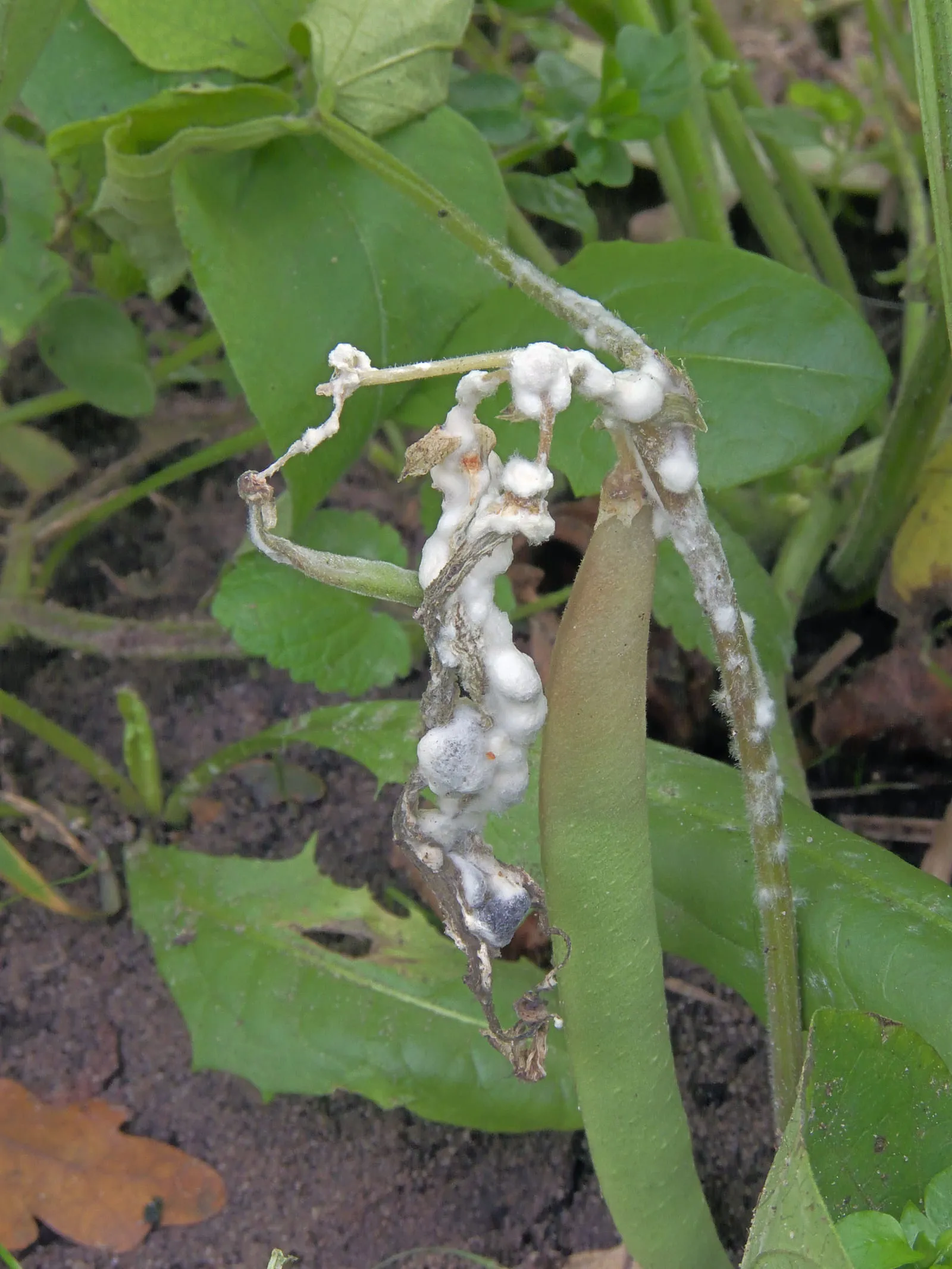
Sclerotinia sclerotiorum
Fungal disease that produces fluffy white mycelium on stems and lower leaves. Forms hard black sclerotia (resting bodies) that survive 5+ years in soil.
Modified care for zone 7a
The primary adjustment in zone 7a is managing heat exposure at both ends of the season. Spring crops must be timed so heads mature before sustained heat arrives; a late transplant date almost always results in bolting before heads fill out. Row cover in April can extend the effective cool window by four to six degrees, buying time if a warm spell arrives early.
For fall crops, transplants set out in August face initial heat stress. Afternoon shade or consistent irrigation to cool the root zone helps establishment through the warmest weeks. Zone 7a's humidity elevates risk from downy mildew and white mold, particularly in fall when morning dew persists longer. Spacing plants at the wider end of the recommended range, around 24 inches between plants, improves airflow and reduces foliar disease pressure. Clubroot can establish in acidic soils and persist for years; maintaining soil pH above 7.0 with lime applications is the most practical preventive measure.
Broccoli in adjacent zones
Image: "Brassica oleracea var. italica Limba 2022-04-24 7316", by Salicyna, via Wikimedia Commons, licensed under CC-BY Source.

Related