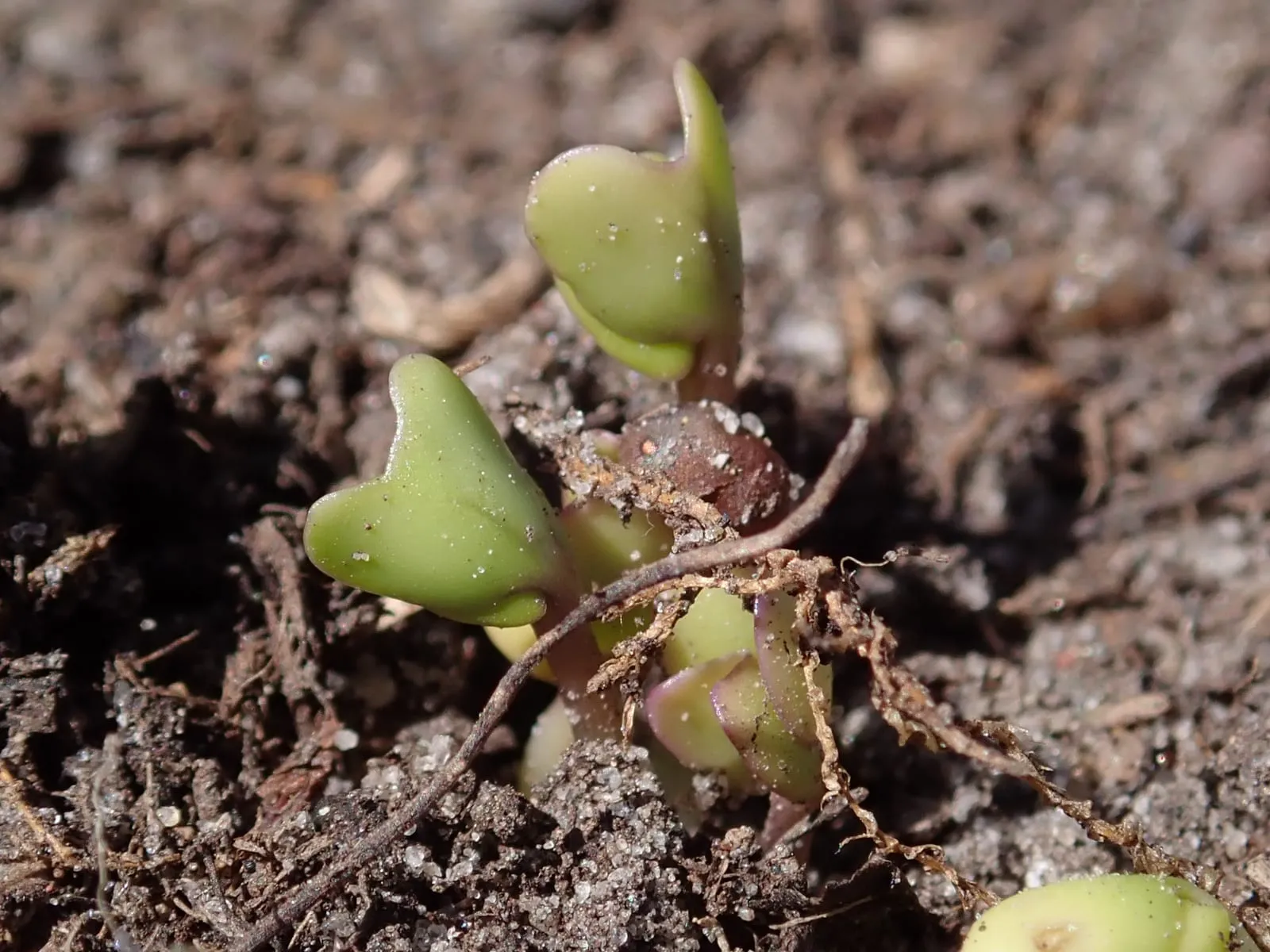
vegetable in zone 6b
Growing broccoli in zone 6b
Brassica oleracea var. italica
- Zone
- 6b -5°F to 0°F
- Growing season
- 190 days
- Suitable varieties
- 4
- Days to harvest
- 60 to 90
The verdict
Zone 6b, with winter lows between -5°F and 0°F and a growing season of roughly 190 days, sits comfortably within broccoli's productive range. Broccoli is a cool-season brassica, not a chill-hour crop in the fruit-tree sense; it performs best when heads develop under sustained temperatures in the 50-65°F range. Zone 6b delivers those conditions reliably in both spring and fall, making double-cropping realistic without season extension equipment.
This is not a marginal zone for broccoli. The primary risk is heat rather than cold: if a spring planting runs late and temperatures push into the mid-70s°F before heads size up, plants will button or bolt. The flip side is that zone 6b's cool autumns, typically holding below 65°F through October, are nearly ideal for fall head development. Most growers find fall plantings more consistent than spring in this zone.
Recommended varieties for zone 6b
4 cultivars suited to this zone, with disease-resistance and zone-fit annotations.
| Variety | Notes | Zone fit | Disease resistance |
|---|---|---|---|
| Calabrese fits zone 6b | Sweet, tender, deep flavor; classic green-headed Italian broccoli. Steaming, roasting, fresh, side shoots after main head. Heritage open-pollinated, productive long after main harvest. | | none noted |
| Waltham 29 fits zone 6b | Sweet, tight-headed, classic flavor; cold-hardy fall variety. Roasting, steaming, freezing. Best for fall/overwintering plantings, holds in field through light frost. | | none noted |
| Di Cicco fits zone 6b | Sweet, mild, tender; Italian heirloom with smaller central head and prolific side shoots. Steaming, fresh, stir-fry. Long picking season, ideal for home gardens. | | none noted |
| Purple Sprouting fits zone 6b | Sweet, asparagus-like, tender; produces many small purple-tinged shoots through winter or early spring. Steamed, stir-fried, blanched. Overwinters in mild zones. | | none noted |
Critical timing for zone 6b
In zone 6b, last spring frost typically falls between April 15 and May 1, with first fall frost arriving around October 15 to November 1 depending on local terrain and elevation. For a spring crop, transplants go out 2 to 4 weeks before last frost once soil is workable, targeting harvest before sustained heat arrives in June. Days to maturity from transplant runs 55 to 85 days for common zone 6b varieties.
Fall planting is calculated backward from first frost: set transplants 10 to 12 weeks before the expected fall frost date, putting zone 6b transplant dates in the late July to mid-August window. Heads will size up as temperatures drop through September and October. A light frost (28 to 32°F) will not damage mature heads and can improve sweetness.
Common challenges in zone 6b
- ▸ Cedar-apple rust
- ▸ Fire blight
- ▸ Stink bugs
Disease pressure to watch for
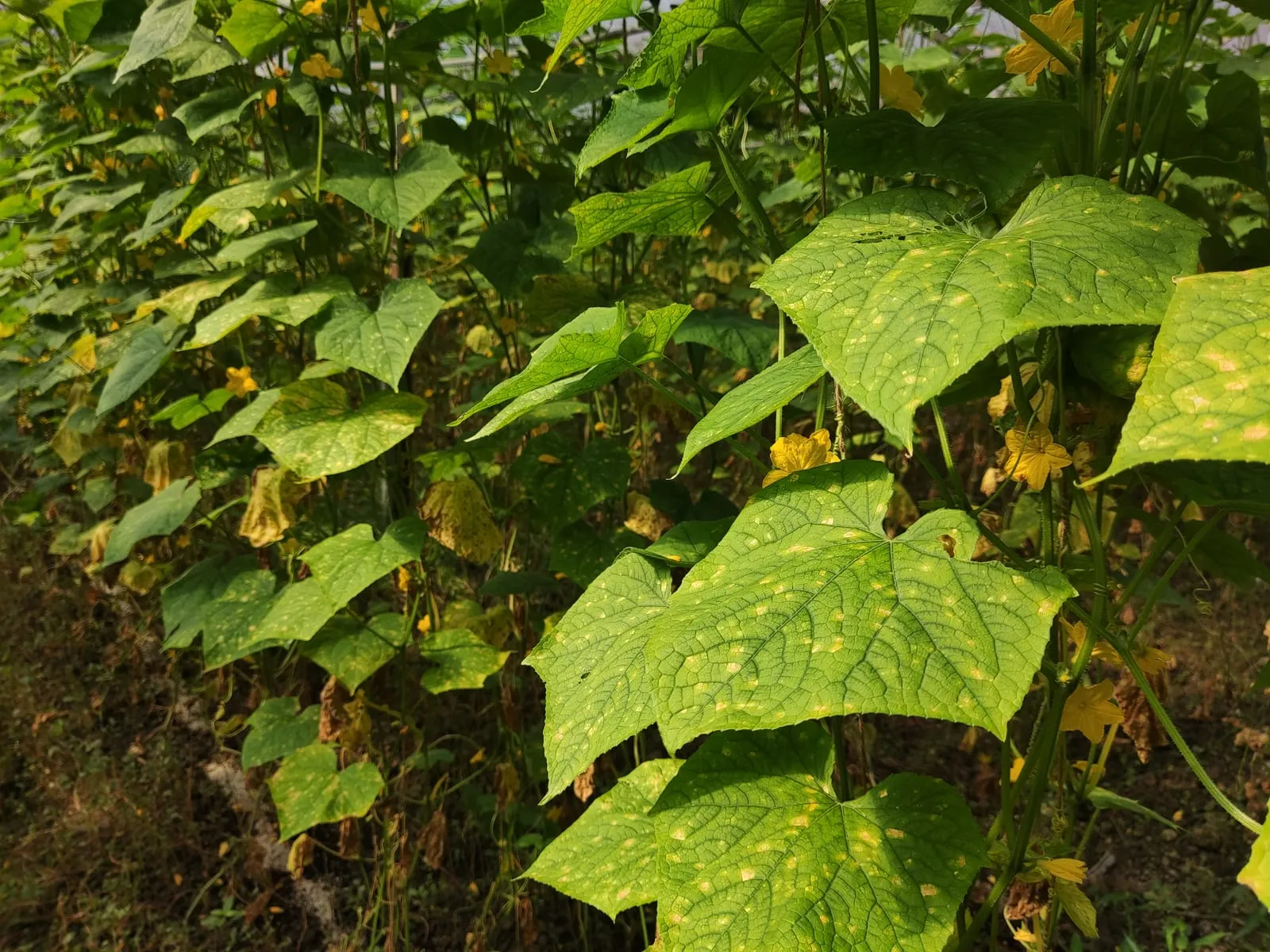
Pseudoperonospora cubensis (cucurbits) and others
Water mold (oomycete, not a true fungus) that thrives in cool damp conditions. Spreads rapidly through cucurbit and brassica plantings on wind-borne spores.
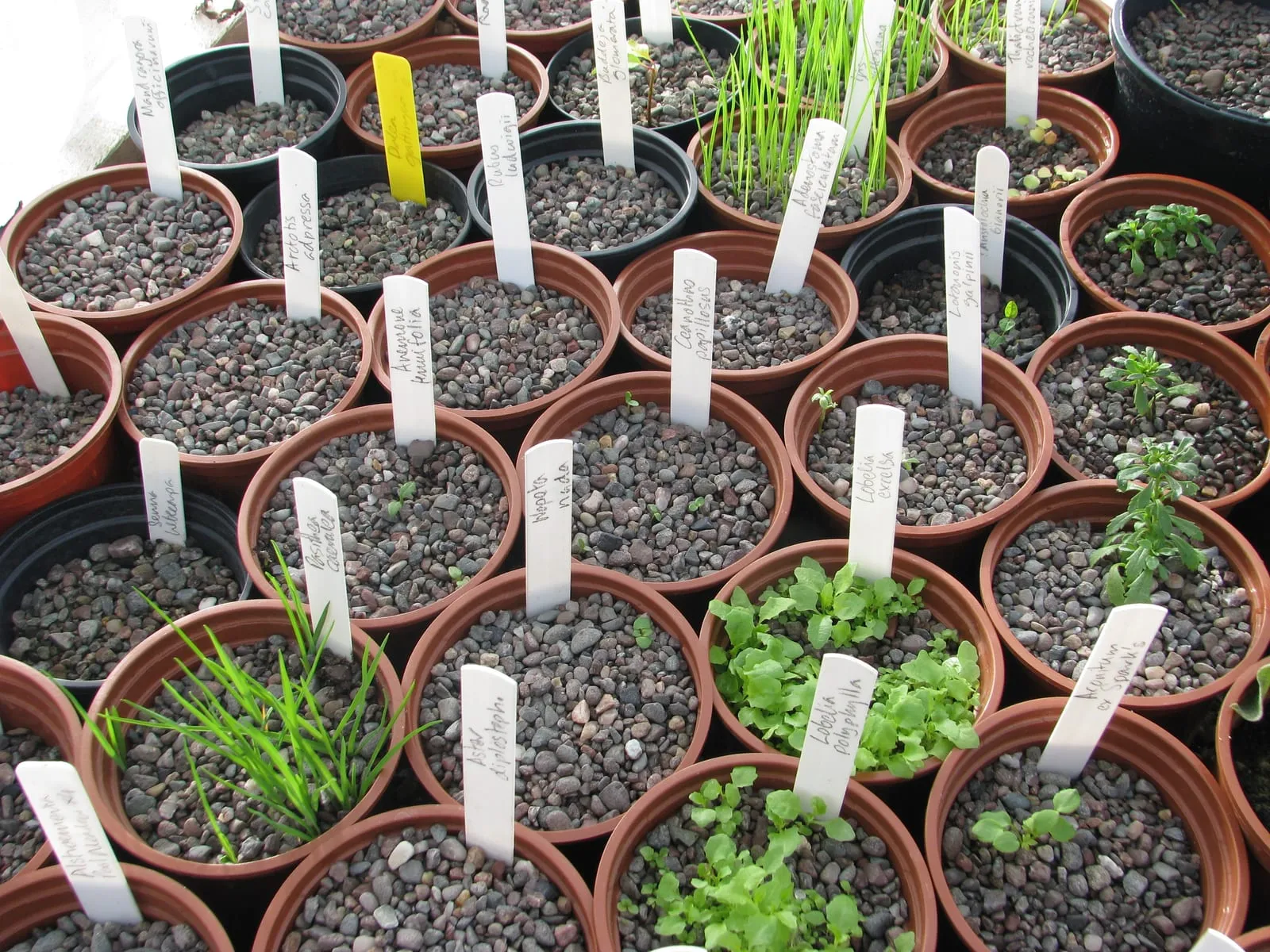
Pythium and Rhizoctonia species
Soil-borne complex of water molds and fungi that kill seedlings before or shortly after emergence. The single most common cause of seed-starting failures.
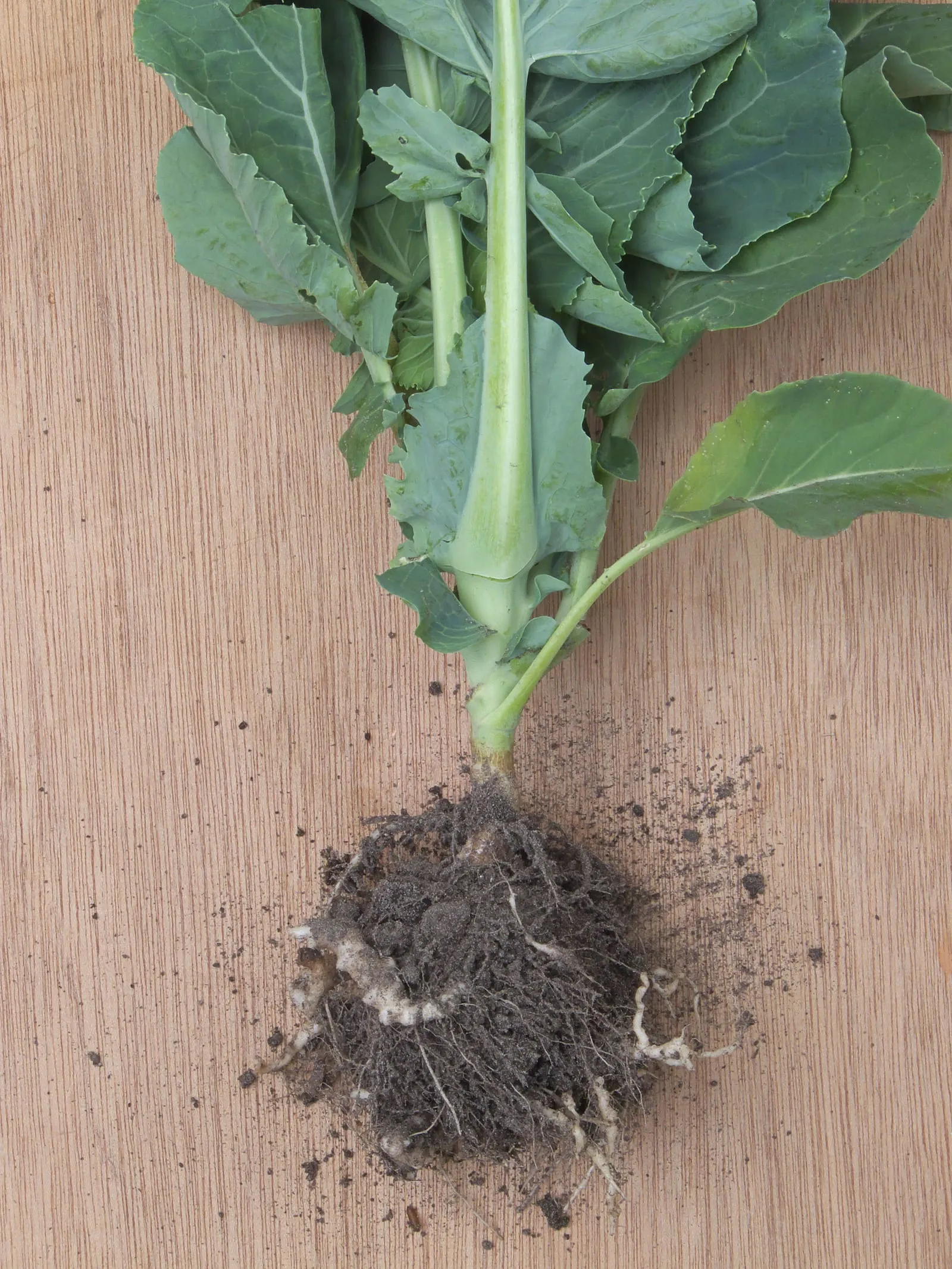
Plasmodiophora brassicae
Soil-borne disease causing characteristic distorted club-shaped roots on brassicas. Persists in soil for 10-20 years; the dominant brassica pathogen in acidic poorly-drained soils.
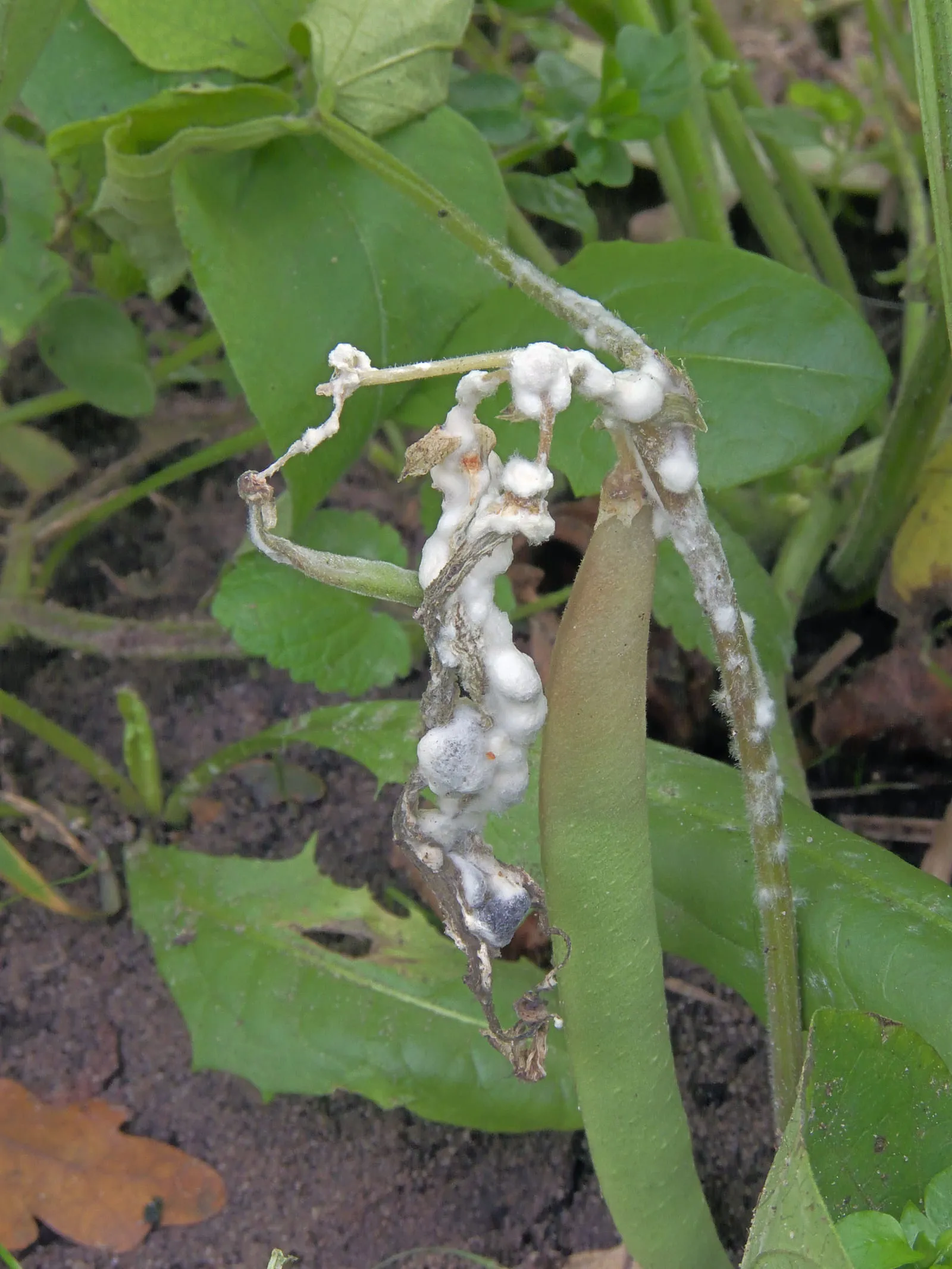
Sclerotinia sclerotiorum
Fungal disease that produces fluffy white mycelium on stems and lower leaves. Forms hard black sclerotia (resting bodies) that survive 5+ years in soil.
Modified care for zone 6b
The disease pressure most relevant to zone 6b broccoli is downy mildew, which thrives in the cool, wet springs common across the mid-Atlantic and lower Midwest. Wider plant spacing (18 inches rather than the minimum 12) improves airflow, reduces leaf wetness duration, and slows spread meaningfully. Clubroot is a soil-borne pathogen that persists for years; raise soil pH to 7.0 or above with lime before planting and rotate brassicas on a minimum 4-year cycle in any beds where it has appeared.
Stink bugs (the brown marmorated stink bug is well-established across zone 6b) feed on developing heads, causing dimpled, discolored tissue. Row cover applied at transplanting and removed only at harvest is the most effective non-chemical control. White mold risk peaks during wet weather at flowering; spacing and airflow are again the practical levers here.
Broccoli in adjacent zones
Image: "Brassica oleracea var. italica Limba 2022-04-24 7316", by Salicyna, via Wikimedia Commons, licensed under CC-BY Source.

Related