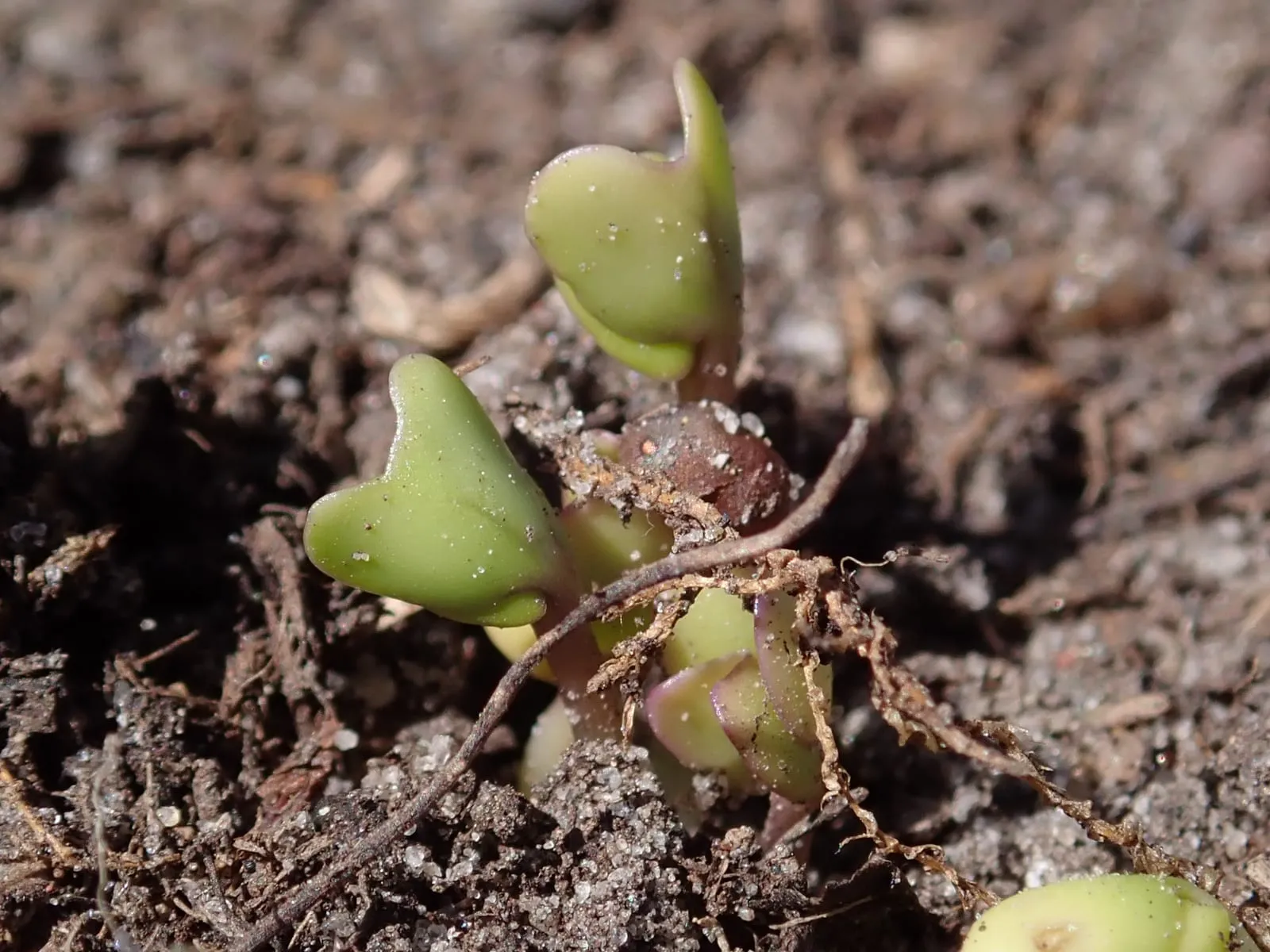
vegetable in zone 6a
Growing broccoli in zone 6a
Brassica oleracea var. italica
- Zone
- 6a -10°F to -5°F
- Growing season
- 180 days
- Suitable varieties
- 3
- Days to harvest
- 60 to 90
The verdict
Zone 6a is a reliable fit for broccoli, not a marginal one. The crop performs best when daytime temperatures stay in the 60s°F and nights run cool, and zone 6a delivers that window twice per season: in spring before temperatures climb into the 80s, and again in fall as they descend from summer heat. The 180-day growing season is long enough to run a spring crop to full maturity (typically 65 to 85 days from transplant) and still establish a fall crop before the first hard freeze.
Broccoli has no chill-hour requirement in the way that stone fruit does, so chill accumulation is not the limiting factor here. The relevant heat threshold is heading quality: broccoli heads become loose or bolt prematurely when daytime temperatures consistently exceed 80°F during the heading stage. Zone 6a summers can push well past that mark, which means timing is the primary management lever rather than zone suitability. Calabrese, Waltham 29, and Di Cicco all perform well in zone 6a conditions and are widely grown throughout the mid-Atlantic and lower Midwest.
Recommended varieties for zone 6a
3 cultivars suited to this zone, with disease-resistance and zone-fit annotations.
| Variety | Notes | Zone fit | Disease resistance |
|---|---|---|---|
| Calabrese fits zone 6a | Sweet, tender, deep flavor; classic green-headed Italian broccoli. Steaming, roasting, fresh, side shoots after main head. Heritage open-pollinated, productive long after main harvest. | | none noted |
| Waltham 29 fits zone 6a | Sweet, tight-headed, classic flavor; cold-hardy fall variety. Roasting, steaming, freezing. Best for fall/overwintering plantings, holds in field through light frost. | | none noted |
| Di Cicco fits zone 6a | Sweet, mild, tender; Italian heirloom with smaller central head and prolific side shoots. Steaming, fresh, stir-fry. Long picking season, ideal for home gardens. | | none noted |
Critical timing for zone 6a
For spring crops, transplant broccoli outdoors 2 to 3 weeks before the last frost date, which typically falls in mid-April in zone 6a. Hardened-off transplants tolerate light frost down to approximately 26°F. Expect heads to form in May through early June depending on variety and transplant date; Calabrese and Di Cicco typically mature in 65 to 75 days from transplant under zone 6a spring conditions.
For fall crops, count back 10 to 12 weeks from the first expected frost (typically mid-October in zone 6a) to determine the transplant date, placing it in late July to early August. Fall crops frequently develop better flavor than spring crops, as light frosts after heading convert starches to sugars. Waltham 29 is particularly well-suited to fall timing in this zone, given its tolerance for variable autumn temperatures.
Common challenges in zone 6a
- ▸ Brown rot in stone fruit
- ▸ Japanese beetles
- ▸ Spring frost damage to peach buds
Disease pressure to watch for
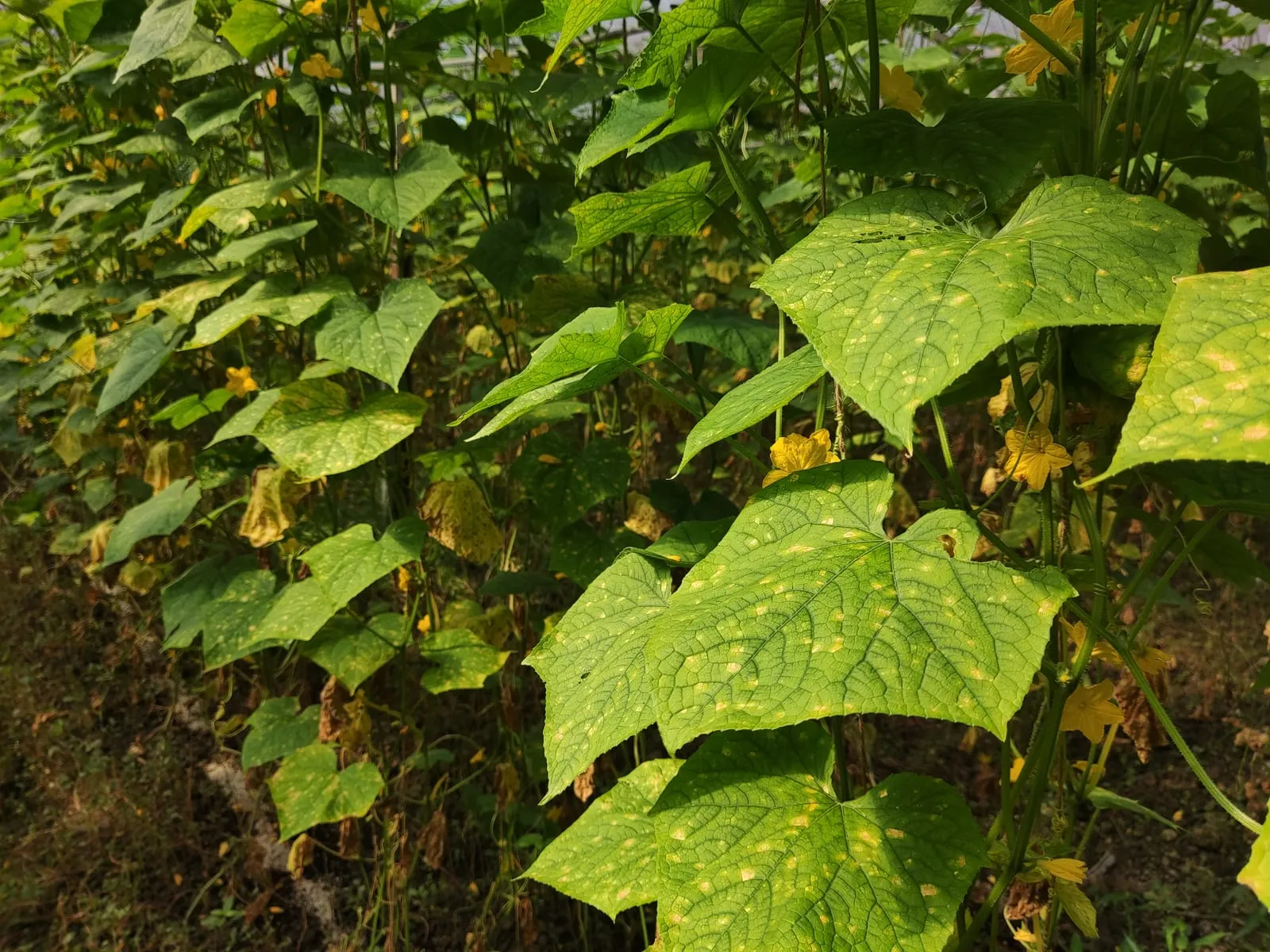
Pseudoperonospora cubensis (cucurbits) and others
Water mold (oomycete, not a true fungus) that thrives in cool damp conditions. Spreads rapidly through cucurbit and brassica plantings on wind-borne spores.
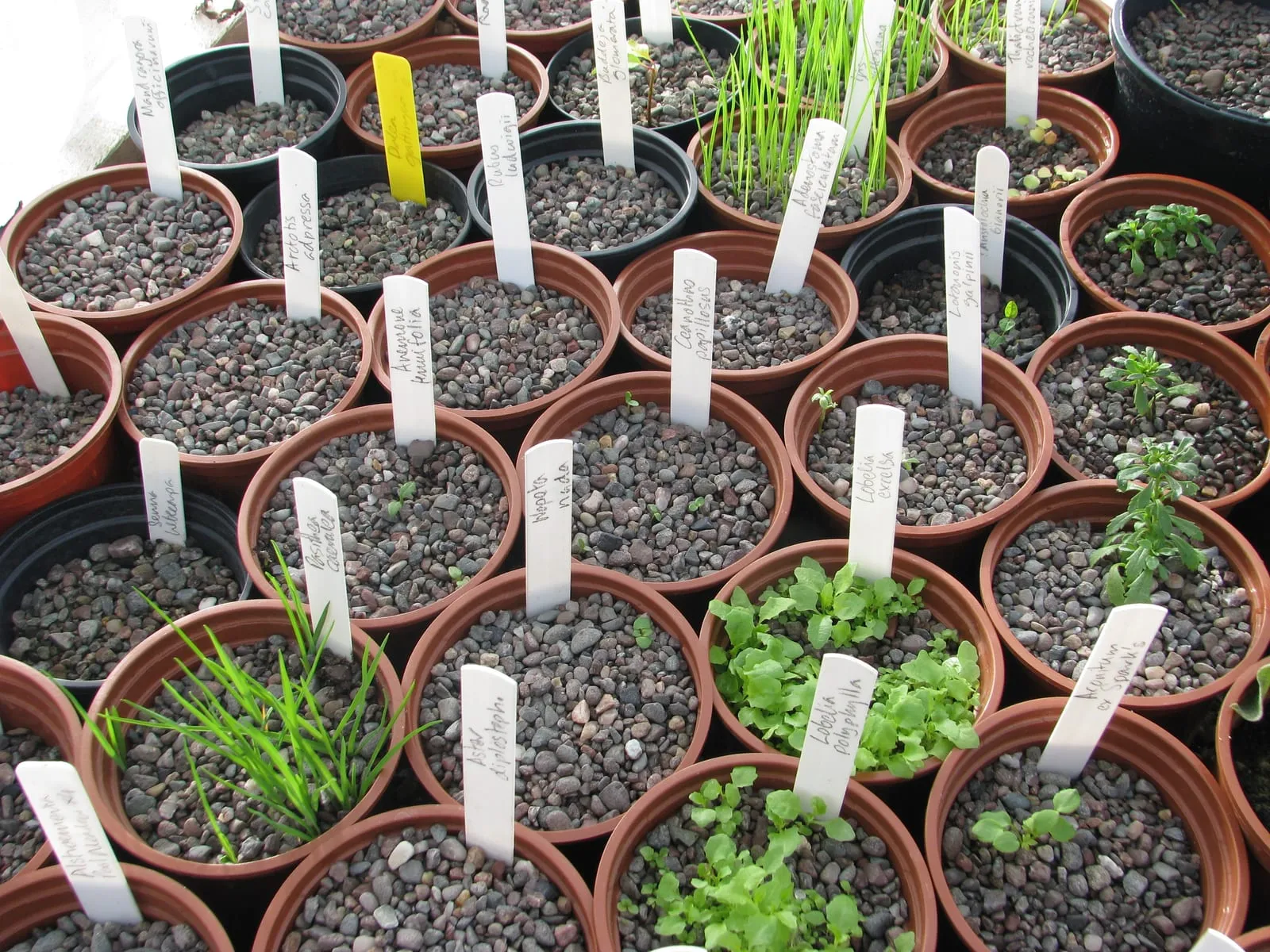
Pythium and Rhizoctonia species
Soil-borne complex of water molds and fungi that kill seedlings before or shortly after emergence. The single most common cause of seed-starting failures.
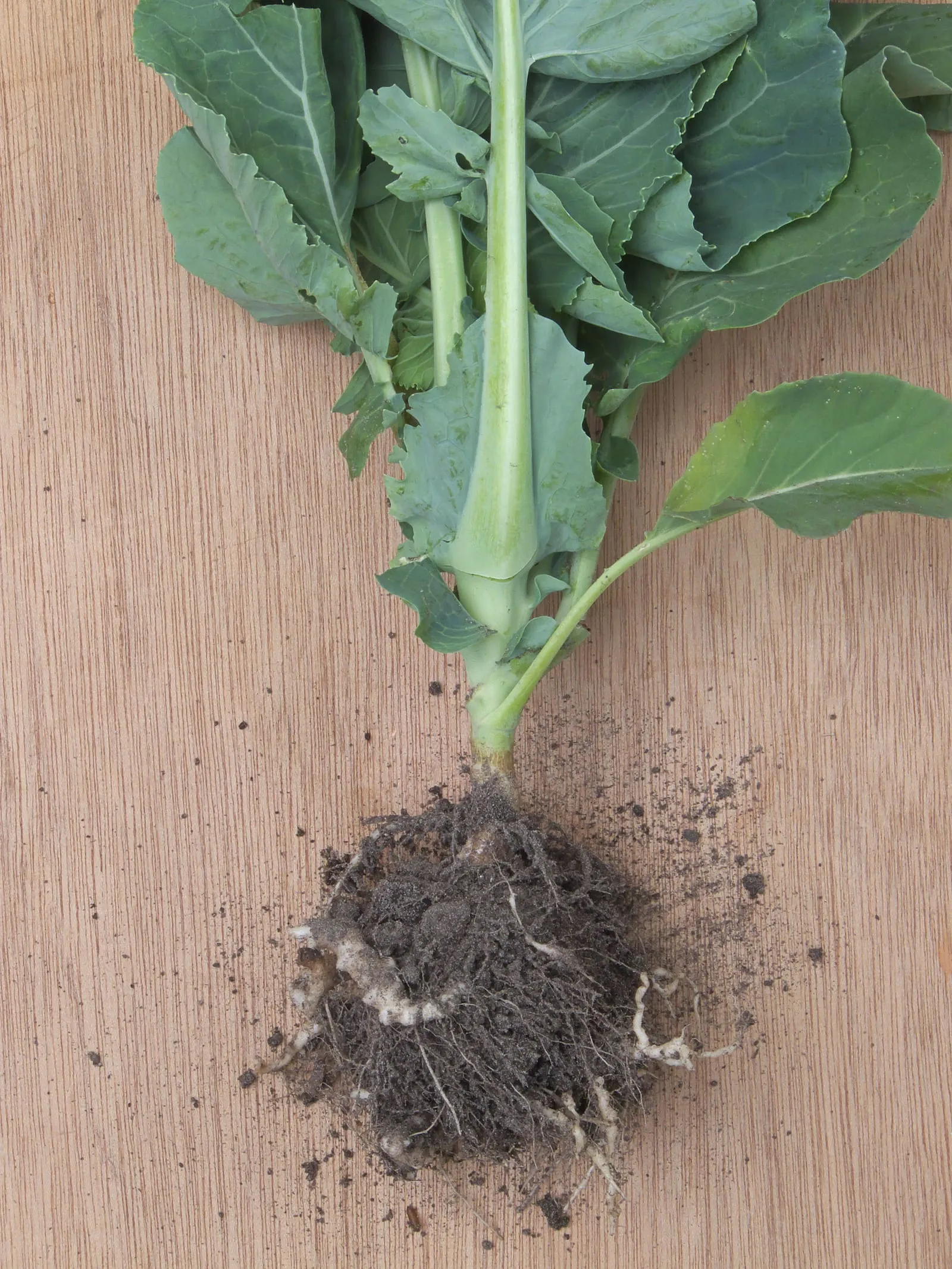
Plasmodiophora brassicae
Soil-borne disease causing characteristic distorted club-shaped roots on brassicas. Persists in soil for 10-20 years; the dominant brassica pathogen in acidic poorly-drained soils.
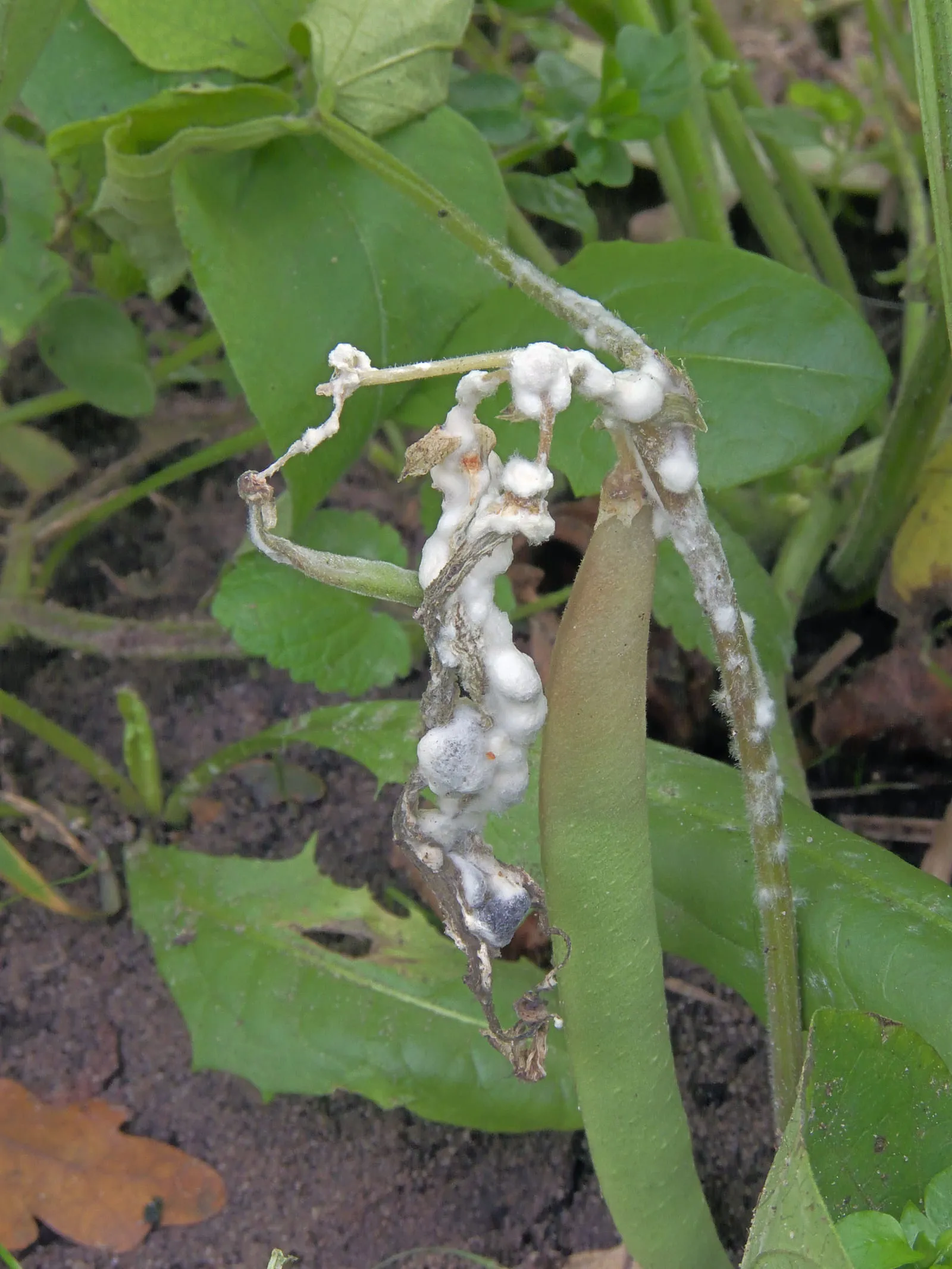
Sclerotinia sclerotiorum
Fungal disease that produces fluffy white mycelium on stems and lower leaves. Forms hard black sclerotia (resting bodies) that survive 5+ years in soil.
Modified care for zone 6a
Clubroot is the highest-priority disease concern for brassicas in zone 6a. The pathogen (Plasmodiophora brassicae) persists in soil for 20 or more years and spreads readily through contaminated transplants, tools, and runoff. Rotate brassicas on a minimum four-year cycle and source certified disease-free transplants. Raising soil pH to 7.2 or above suppresses clubroot severity; lime applications should target this range before planting into fields with any history of the disease.
Downy mildew pressure increases during cool, wet springs common in zone 6a. Spacing transplants at 18 inches or more promotes airflow and reduces the leaf wetness duration that favors infection.
Spring transplants going into the ground in late March or early April benefit from row cover. It protects against frost damage and excludes early-season cabbage root fly, which is active as soon as soil temperatures reach 50°F. Remove cover once daytime temperatures consistently exceed 75°F to prevent heat accumulation under the fabric.
Broccoli in adjacent zones
Image: "Brassica oleracea var. italica Limba 2022-04-24 7316", by Salicyna, via Wikimedia Commons, licensed under CC-BY Source.

Related