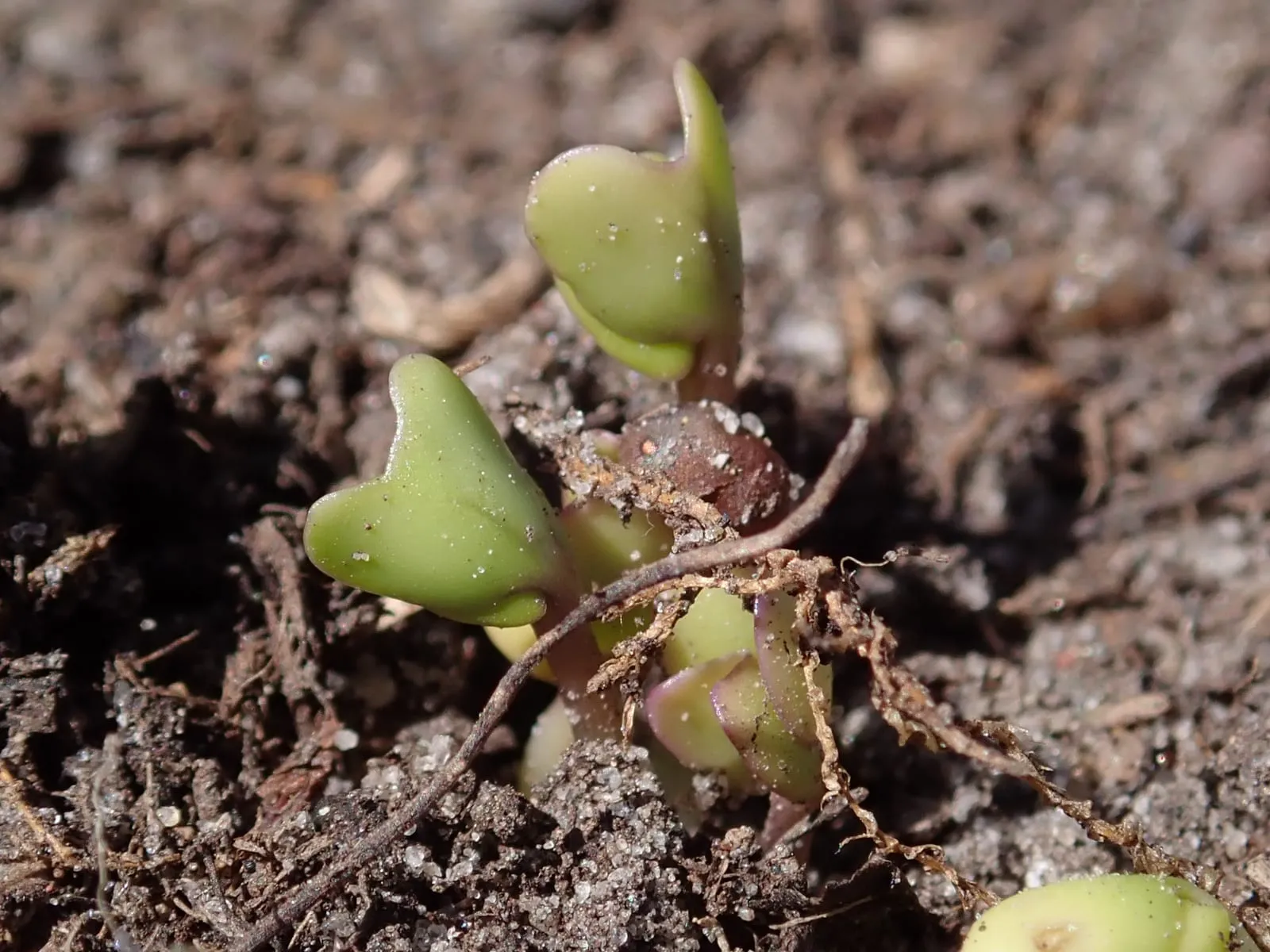
vegetable in zone 5b
Growing broccoli in zone 5b
Brassica oleracea var. italica
- Zone
- 5b -15°F to -10°F
- Growing season
- 165 days
- Suitable varieties
- 3
- Days to harvest
- 60 to 90
The verdict
Broccoli is a cool-season crop, not a chill-hour crop, so zone 5b's brutal winter lows (-15 to -10°F) are largely irrelevant to performance. What matters is the temperature window between roughly 45°F and 75°F, which is when broccoli develops tight, well-formed heads without bolting. Zone 5b's 165-day growing season delivers two distinct cool windows: a spring window before summer heat arrives and a fall window as temperatures drop back into range after August.
This makes zone 5b a genuine sweet spot for broccoli, not a marginal situation. The main risk is the spring window closing faster than expected during warm years, which pushes heads to button and bolt before sizing up. Fall crops are often more reliable here because temperatures cool gradually and predictably, giving heads time to develop without racing against heat. Varieties like Waltham 29 and Calabrese were bred for exactly this kind of temperate, frost-punctuated climate.
Recommended varieties for zone 5b
3 cultivars suited to this zone, with disease-resistance and zone-fit annotations.
| Variety | Notes | Zone fit | Disease resistance |
|---|---|---|---|
| Calabrese fits zone 5b | Sweet, tender, deep flavor; classic green-headed Italian broccoli. Steaming, roasting, fresh, side shoots after main head. Heritage open-pollinated, productive long after main harvest. | | none noted |
| Waltham 29 fits zone 5b | Sweet, tight-headed, classic flavor; cold-hardy fall variety. Roasting, steaming, freezing. Best for fall/overwintering plantings, holds in field through light frost. | | none noted |
| Di Cicco fits zone 5b | Sweet, mild, tender; Italian heirloom with smaller central head and prolific side shoots. Steaming, fresh, stir-fry. Long picking season, ideal for home gardens. | | none noted |
Critical timing for zone 5b
In zone 5b, last spring frost typically falls between late April and mid-May depending on local elevation and air drainage. For spring broccoli, start transplants indoors 6 to 8 weeks before that date (late February through early March) and move them to the garden 2 to 4 weeks before the last expected frost. Direct-seeded heads will not be ready before summer heat hits; transplants are the practical path.
Harvest for spring-started plants generally falls in June to early July. For fall crops, count back 60 to 80 days from the first fall frost (typically mid to late October in zone 5b) and transplant accordingly, usually late July through early August. Fall-harvested heads frequently show better color and flavor than spring crops because slow cooling after heading improves bead texture.
Common challenges in zone 5b
- ▸ Plum curculio
- ▸ Codling moth
- ▸ Cedar-apple rust
Disease pressure to watch for
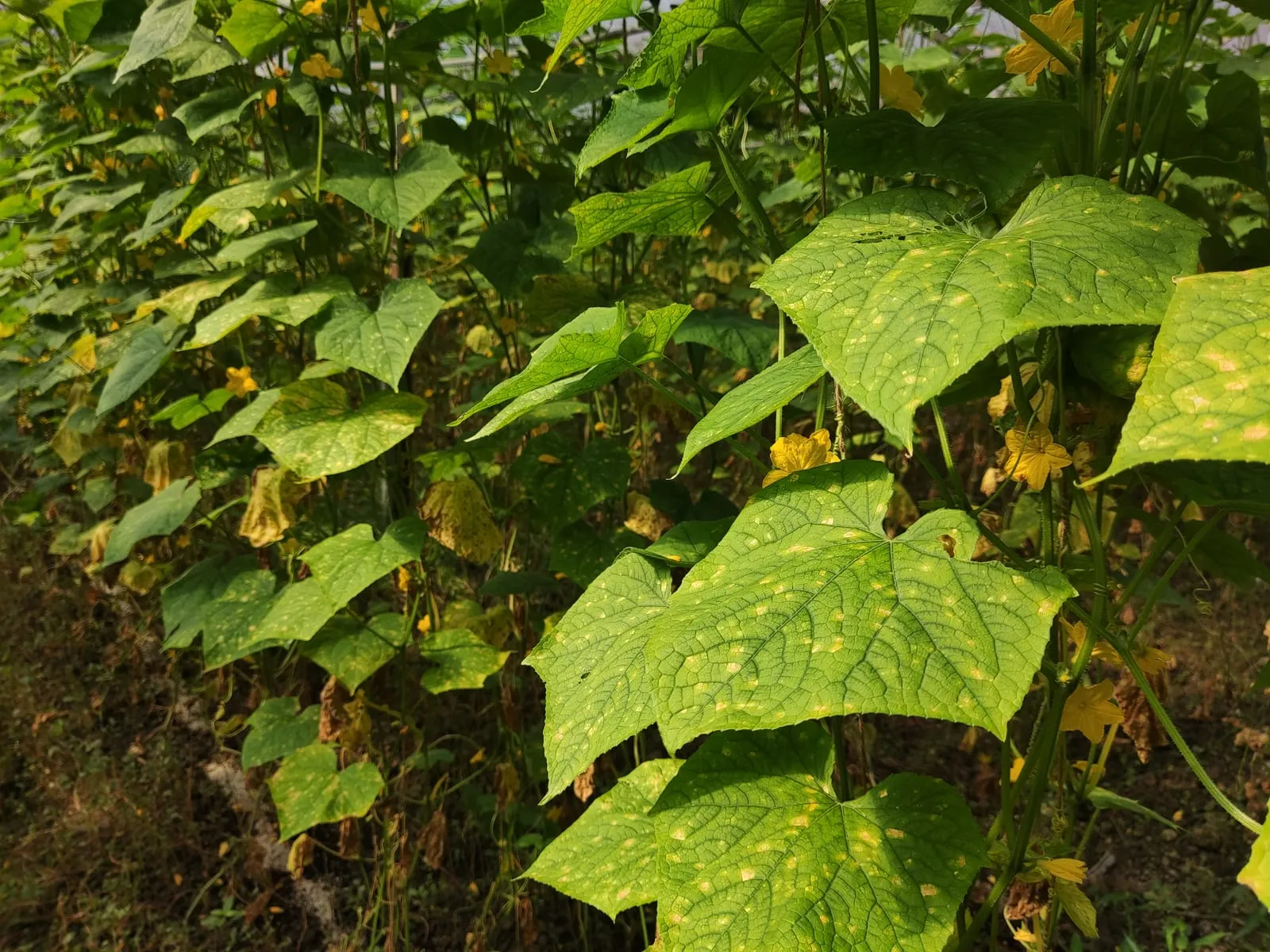
Pseudoperonospora cubensis (cucurbits) and others
Water mold (oomycete, not a true fungus) that thrives in cool damp conditions. Spreads rapidly through cucurbit and brassica plantings on wind-borne spores.
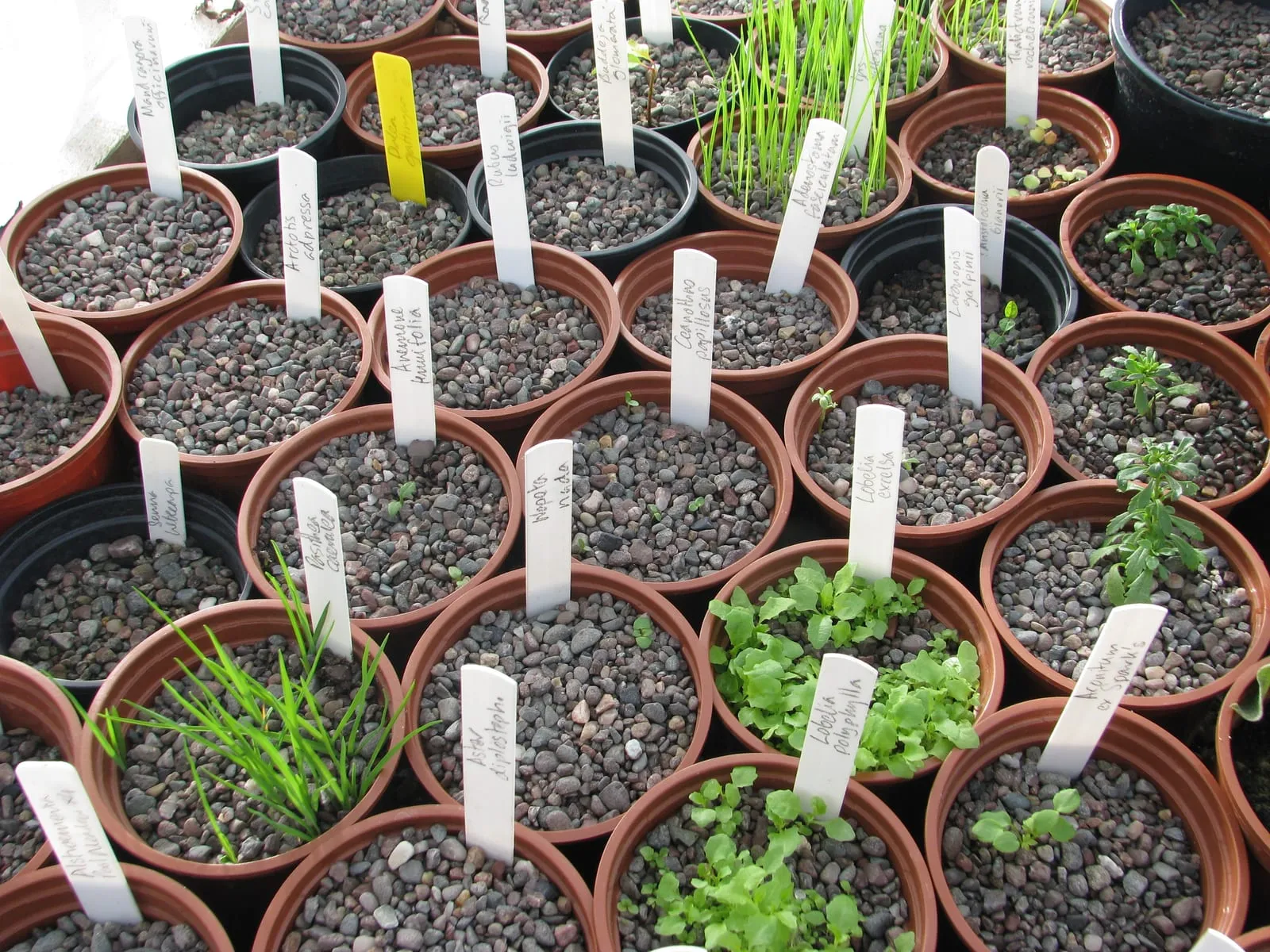
Pythium and Rhizoctonia species
Soil-borne complex of water molds and fungi that kill seedlings before or shortly after emergence. The single most common cause of seed-starting failures.
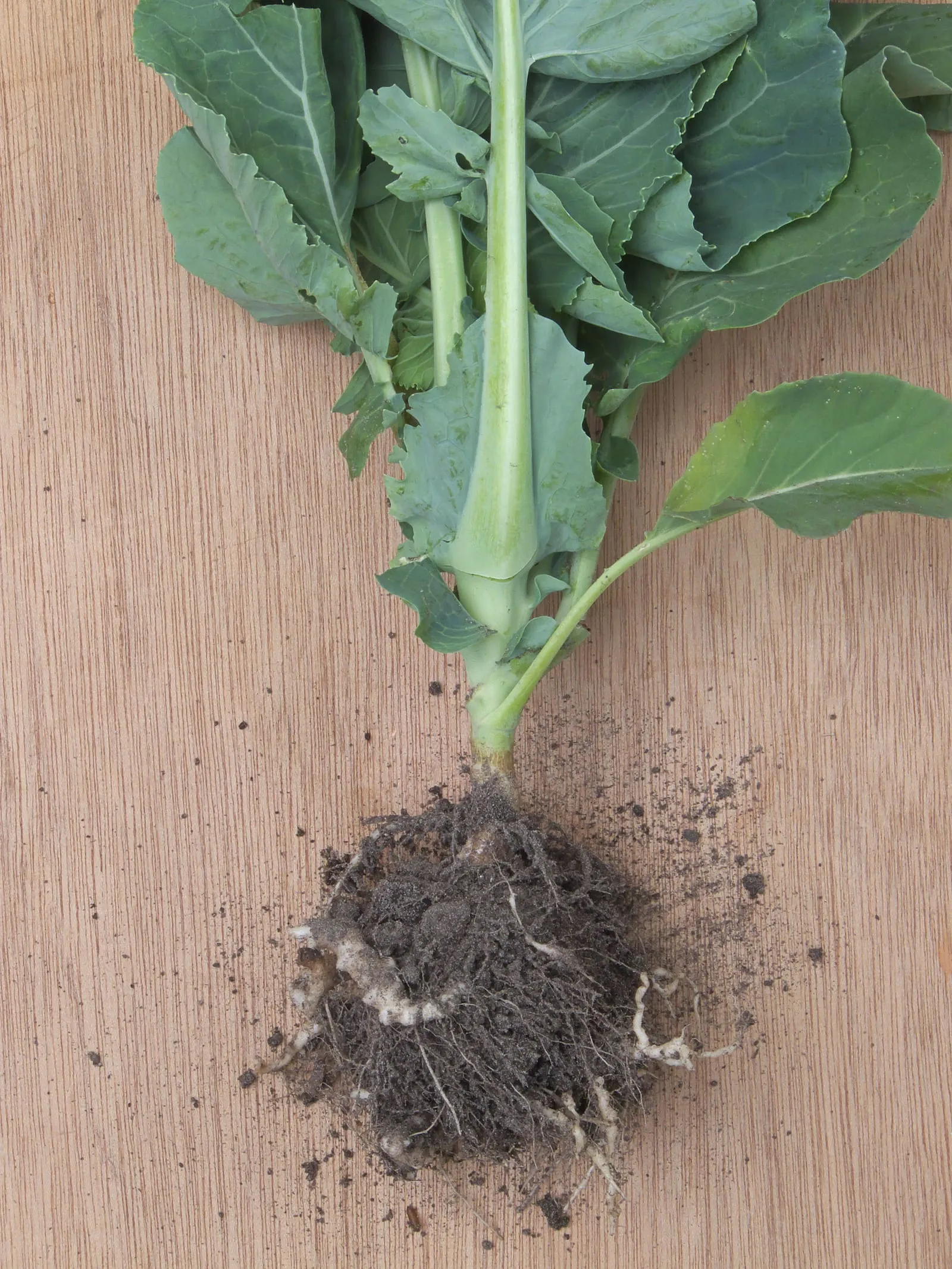
Plasmodiophora brassicae
Soil-borne disease causing characteristic distorted club-shaped roots on brassicas. Persists in soil for 10-20 years; the dominant brassica pathogen in acidic poorly-drained soils.
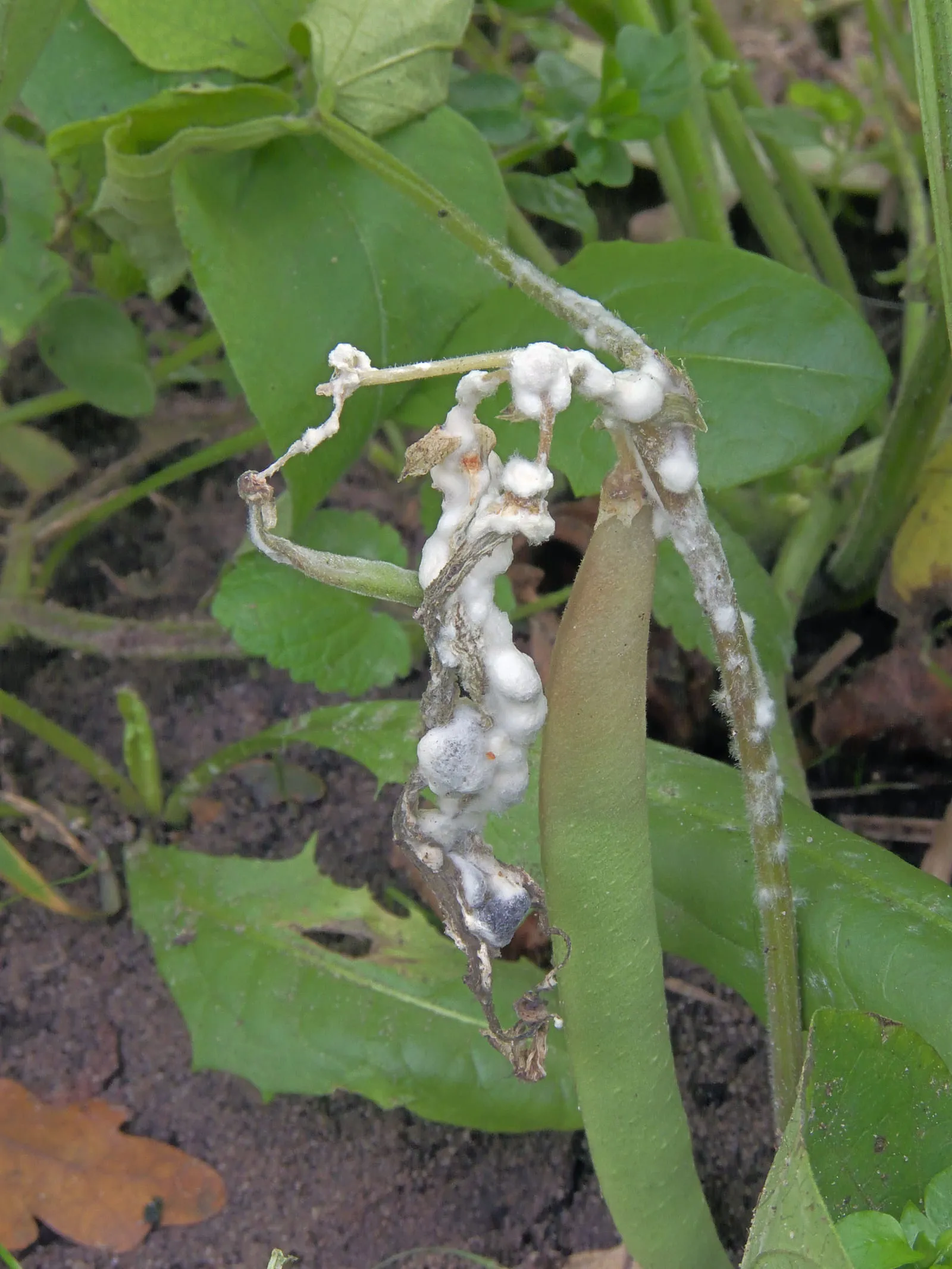
Sclerotinia sclerotiorum
Fungal disease that produces fluffy white mycelium on stems and lower leaves. Forms hard black sclerotia (resting bodies) that survive 5+ years in soil.
Modified care for zone 5b
Zone 5b growers face a narrower and less forgiving spring window than growers in zones 6 or 7. A warm spell in May can spike soil temperatures and trigger premature bolting in spring transplants. Covering beds with row cover in warm snaps, and timing transplants to keep the crown shaded and cool during the first weeks, reduces this risk.
Downy mildew and white mold both intensify under the wet, cool conditions common in zone 5b springs. Space plants to at least 18 inches to promote air circulation, and avoid overhead irrigation once heads begin to form. Clubroot is the more serious long-term concern: it persists in soil for 15 to 20 years and spreads on transplants and tools. Where clubroot has been identified, maintain soil pH at or above 7.2 (lime generously) and rotate brassicas on at minimum a 4-year cycle. Di Cicco's shorter days-to-maturity can be an advantage in years when the spring window is unexpectedly short.
Frequently asked questions
- Can broccoli survive a late frost in zone 5b after transplanting?
Established transplants tolerate light frosts down to about 26°F without damage. Seedlings under 4 inches tall are more vulnerable. A hard freeze in the 20s after transplanting can kill young plants outright; row cover rated to 4°F of protection buys meaningful insurance during the transition period.
- Is a fall or spring crop more reliable in zone 5b?
Fall crops tend to outperform spring in most zone 5b seasons. Temperatures cool at a steady pace through September and October, giving heads time to size up without bolting pressure. Spring crops depend on hitting a narrow window before heat arrives, which varies considerably year to year.
- Which variety holds up best if spring heat arrives early in zone 5b?
Di Cicco matures in 48 to 60 days from transplant, the shortest of the three listed here, which gives it the best chance of heading before a heat event terminates the window. It also produces smaller side shoots over an extended period after the central head is cut, extending harvest even if the main head is small.
- How do I know if my soil has clubroot before planting?
Clubroot rarely shows aboveground until damage is done. The tell is swollen, distorted roots on pulled plants with wilted or stunted tops. If brassicas on the same ground have underperformed for two or more seasons without obvious cause, pull a few plants and inspect the roots. A soil pH test is also worth running; clubroot severity drops sharply above pH 7.0.
+−
+−
+−
+−
Broccoli in adjacent zones
Image: "Brassica oleracea var. italica Limba 2022-04-24 7316", by Salicyna, via Wikimedia Commons, licensed under CC-BY Source.

Related