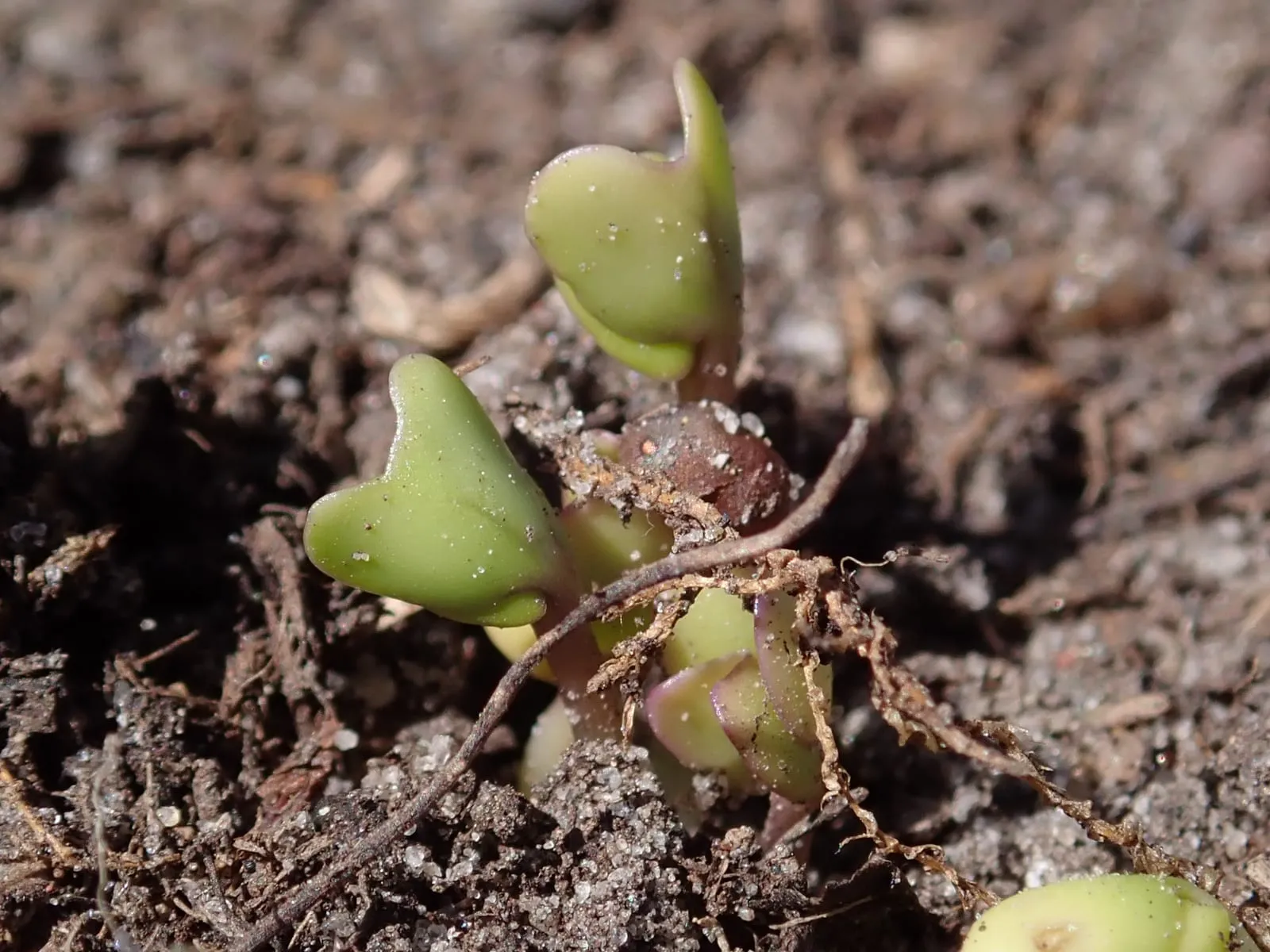
vegetable in zone 4a
Growing broccoli in zone 4a
Brassica oleracea var. italica
- Zone
- 4a -30°F to -25°F
- Growing season
- 120 days
- Suitable varieties
- 3
- Days to harvest
- 60 to 90
The verdict
Broccoli does not accumulate chill hours the way fruit trees do. It is a cool-season vegetable that actively prefers the cool growing temperatures zone 4a delivers reliably in spring and fall. In that sense, the zone is closer to a sweet spot than a marginal one for this crop.
The extreme winter cold (-30 to -25°F) is not directly relevant since broccoli is never overwintered in the ground. The more practical constraint is the 120-day growing season, which is tight but workable for at least one full crop and often a second fall planting when timing is managed precisely. Calabrese, Waltham 29, and Di Cicco all mature in the 60 to 80-day range from transplant, fitting comfortably within that window.
Zone 4a's cool summers also reduce the bolting pressure that shortens the harvest window for growers in warmer regions. Broccoli that would rush to flower in zone 6 or 7 holds its heads longer in the consistently cooler conditions here.
Recommended varieties for zone 4a
3 cultivars suited to this zone, with disease-resistance and zone-fit annotations.
| Variety | Notes | Zone fit | Disease resistance |
|---|---|---|---|
| Calabrese fits zone 4a | Sweet, tender, deep flavor; classic green-headed Italian broccoli. Steaming, roasting, fresh, side shoots after main head. Heritage open-pollinated, productive long after main harvest. | | none noted |
| Waltham 29 fits zone 4a | Sweet, tight-headed, classic flavor; cold-hardy fall variety. Roasting, steaming, freezing. Best for fall/overwintering plantings, holds in field through light frost. | | none noted |
| Di Cicco fits zone 4a | Sweet, mild, tender; Italian heirloom with smaller central head and prolific side shoots. Steaming, fresh, stir-fry. Long picking season, ideal for home gardens. | | none noted |
Critical timing for zone 4a
Broccoli does not bloom in the conventional sense. The edible part is a dense cluster of immature flower buds, and the harvest window closes once those buds begin to open. Timing in zone 4a is therefore about getting the head to maturity before either a late spring frost or summer heat forces bolting.
For a spring crop, start transplants indoors 6 to 8 weeks before the average last frost date, then set them out 2 to 4 weeks early. Broccoli tolerates light frost to around 28°F, making that early placement viable with row cover on hand. Late frosts remain a real risk in zone 4a and can damage young transplants if they arrive after hardening off is incomplete.
For a fall crop, count back 75 to 90 days from the average first fall frost. In zone 4a, where that frost can arrive in late August or early September, the transplanting window for fall broccoli is mid to late June.
Common challenges in zone 4a
- ▸ Late frosts damage early bloomers
- ▸ Limited peach varieties
Disease pressure to watch for
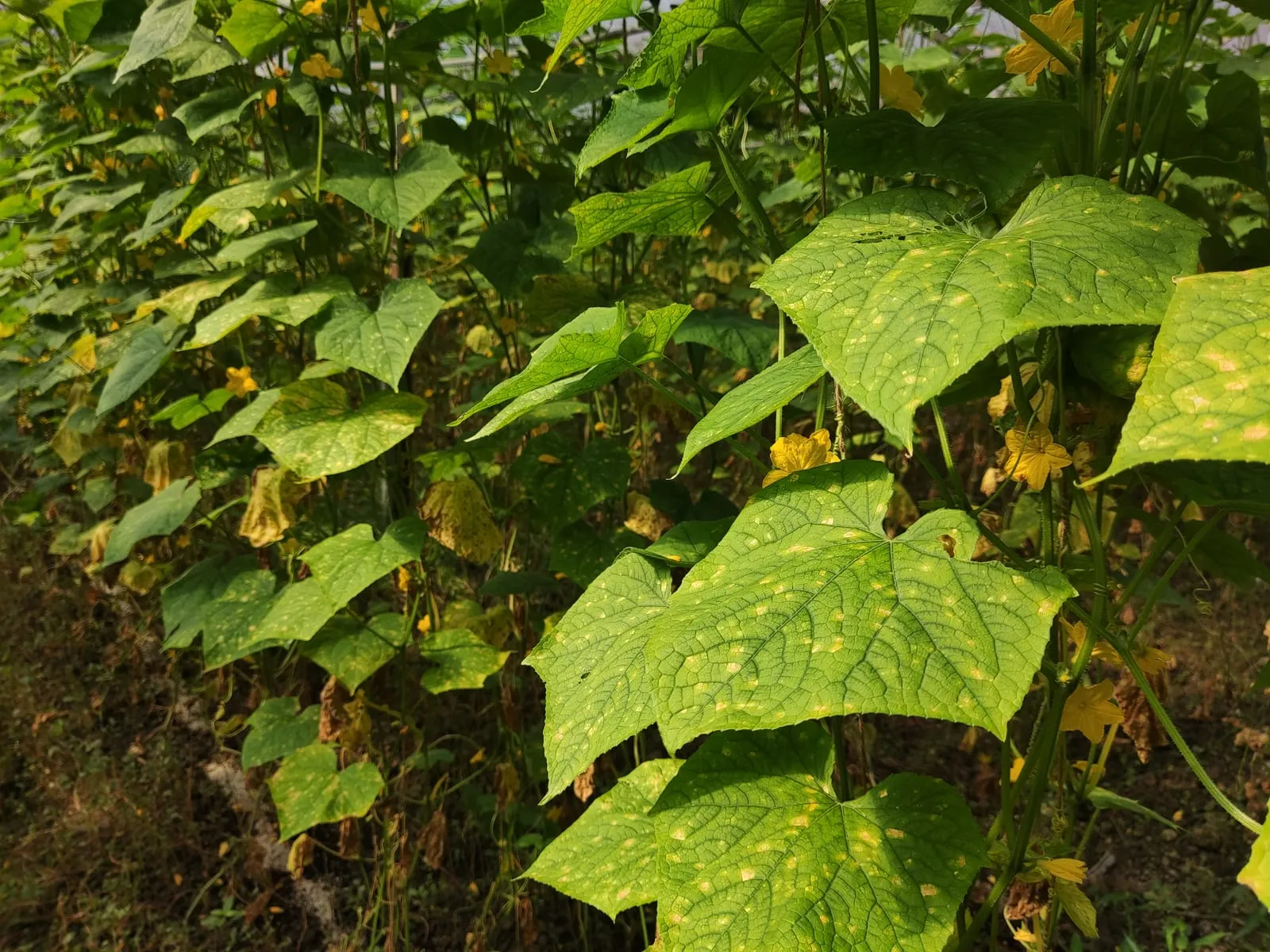
Pseudoperonospora cubensis (cucurbits) and others
Water mold (oomycete, not a true fungus) that thrives in cool damp conditions. Spreads rapidly through cucurbit and brassica plantings on wind-borne spores.
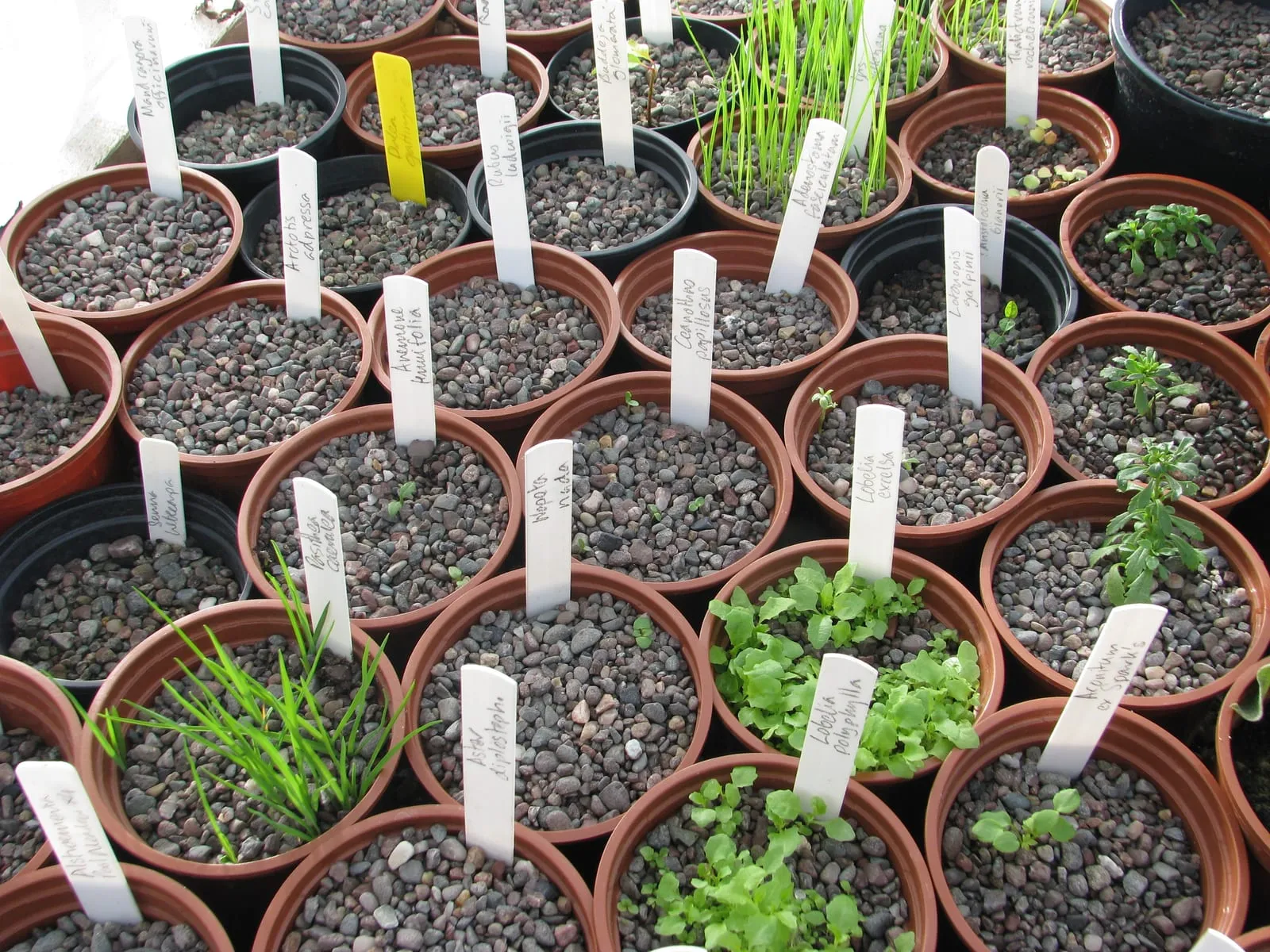
Pythium and Rhizoctonia species
Soil-borne complex of water molds and fungi that kill seedlings before or shortly after emergence. The single most common cause of seed-starting failures.
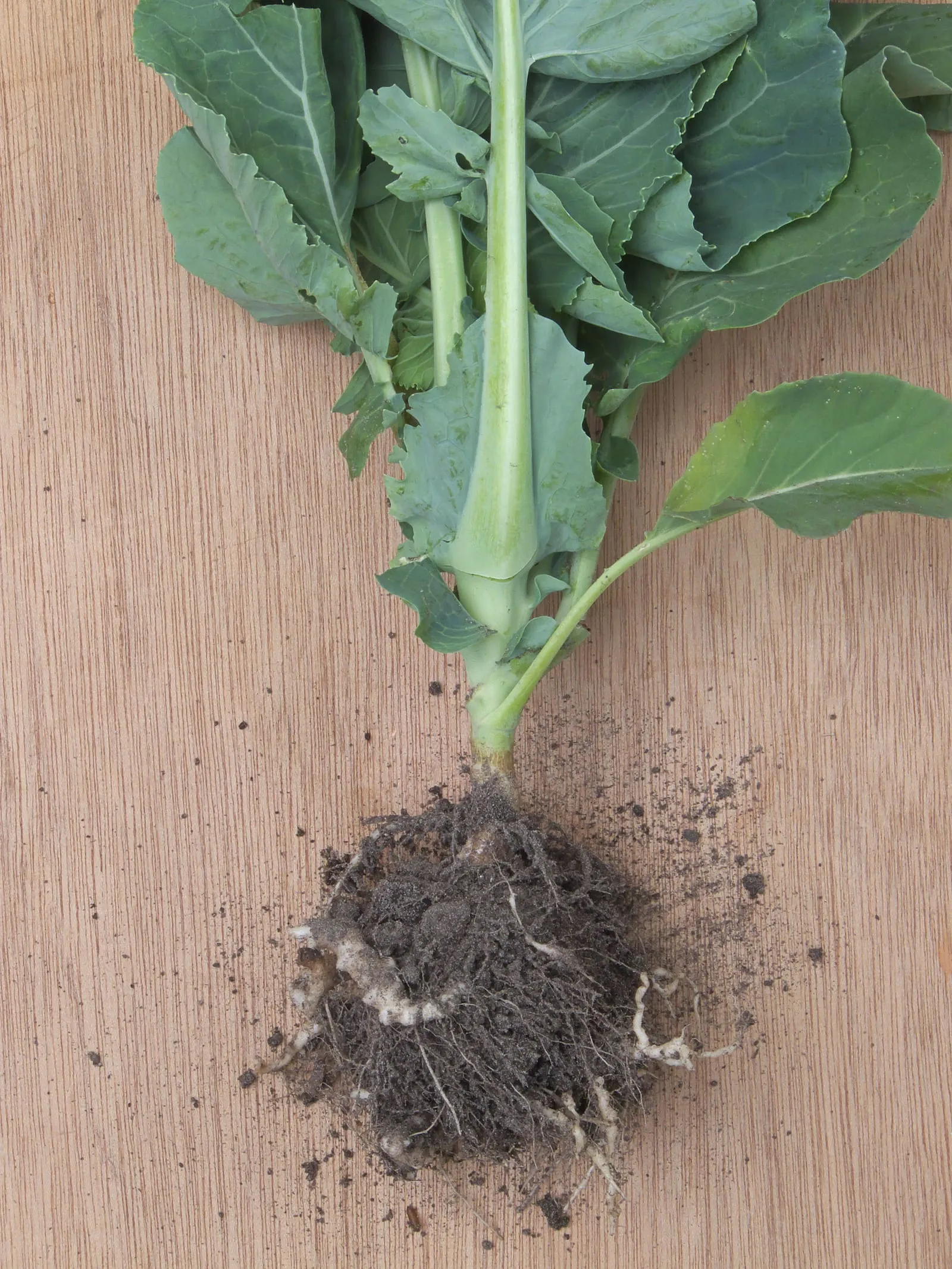
Plasmodiophora brassicae
Soil-borne disease causing characteristic distorted club-shaped roots on brassicas. Persists in soil for 10-20 years; the dominant brassica pathogen in acidic poorly-drained soils.
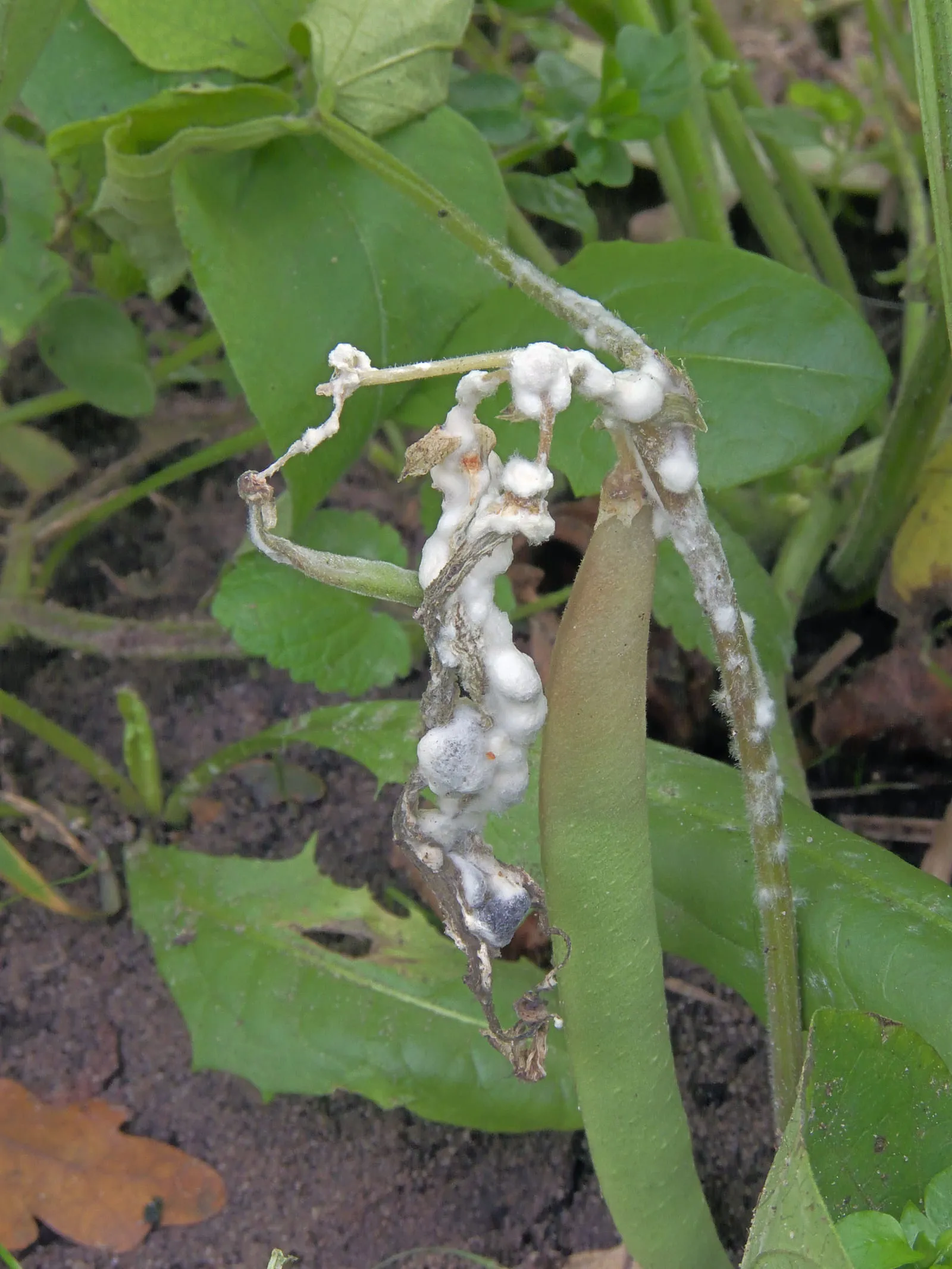
Sclerotinia sclerotiorum
Fungal disease that produces fluffy white mycelium on stems and lower leaves. Forms hard black sclerotia (resting bodies) that survive 5+ years in soil.
Modified care for zone 4a
The primary adjustment in zone 4a is treating the spring planting window as non-negotiable. Transplants should go out at the earliest viable date, with row cover ready for any hard frost after transplanting. Delaying even a week or two can mean the spring head never fully develops before bolting pressure builds.
Clubroot deserves particular attention here. Of the three diseases on the risk list, it is the most consequential: the pathogen persists in soil for 20 years or more, making prevention far more practical than remediation. A minimum 4-year rotation away from all brassicas, combined with soil pH management above 7.0, is the standard defense. Liming suppresses but does not eliminate the pathogen, so rotation remains essential even in limed beds.
Downy Mildew and White Mold are both favored by the cool, wet conditions typical of zone 4a springs. Spacing plants to at least 18 inches, orienting rows to maximize airflow, and switching to drip or ground-level irrigation after transplanting meaningfully reduces infection pressure for both.
Frequently asked questions
- Can broccoli survive a late frost in zone 4a?
Established transplants tolerate light frost down to about 28°F. A hard freeze below that, especially on young or recently transplanted seedlings, can cause significant damage. Row cover rated for frost protection is the standard insurance during the zone 4a spring planting window.
- Is there time for two broccoli crops in zone 4a's 120-day season?
Two full crops in the same season is difficult but possible with fast-maturing varieties like Di Cicco (approximately 48 days from transplant). More reliably, plan one spring crop started indoors and one fall crop transplanted in June, with the fall crop finishing before the first hard frost.
- How do you prevent Clubroot in a zone 4a brassica bed?
Rotate all brassica family crops (broccoli, cabbage, kale, turnips) on a minimum 4-year cycle. Test soil pH and lime to above 7.0 if needed, since Clubroot thrives in acidic conditions. Avoid importing soil or transplants from unknown sources, as the pathogen spreads on infected plant material and equipment.
+−
+−
+−
Broccoli in adjacent zones
Image: "Brassica oleracea var. italica Limba 2022-04-24 7316", by Salicyna, via Wikimedia Commons, licensed under CC-BY Source.

Related