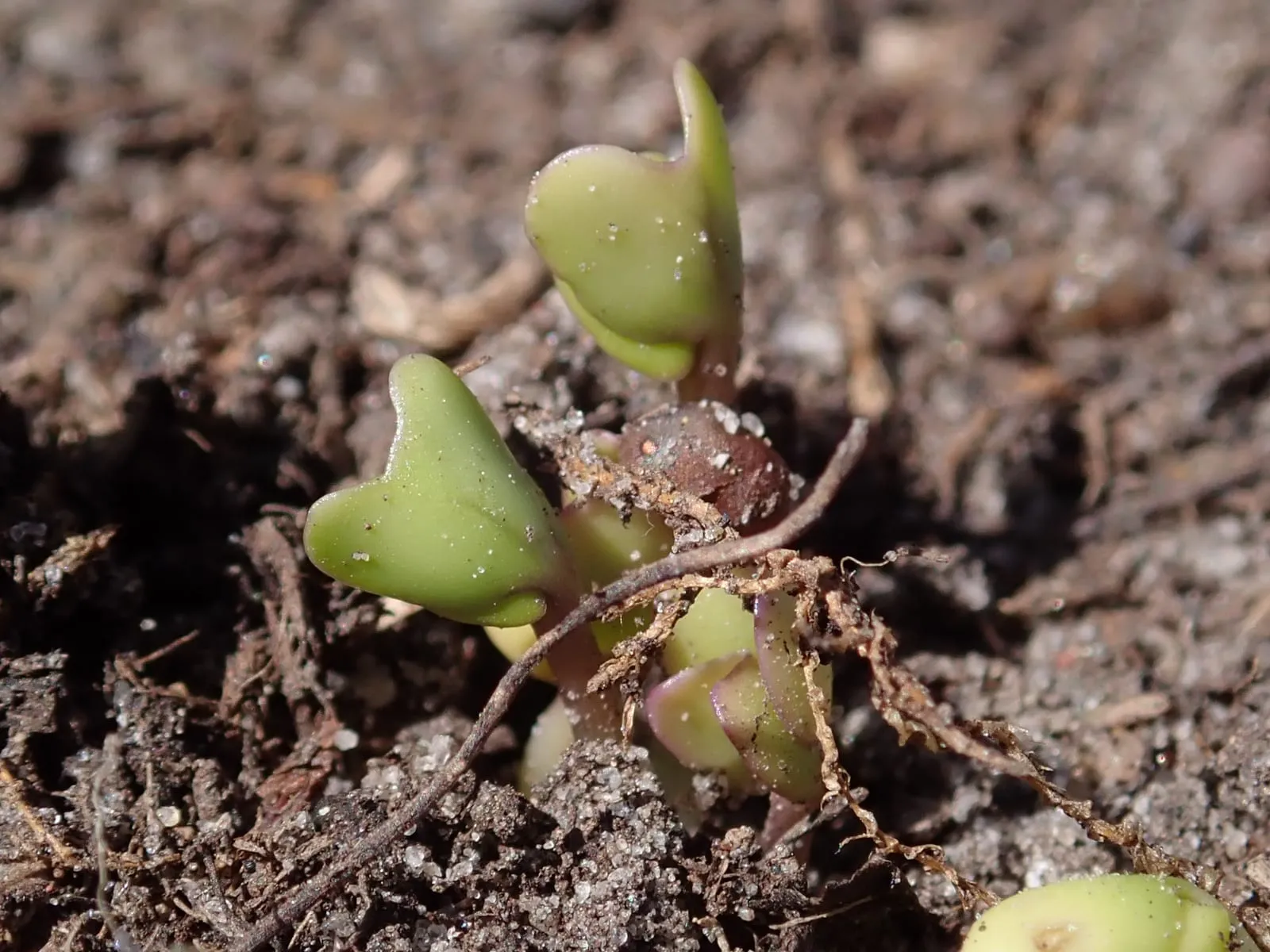
vegetable in zone 3b
Growing broccoli in zone 3b
Brassica oleracea var. italica
- Zone
- 3b -35°F to -30°F
- Growing season
- 100 days
- Suitable varieties
- 2
- Days to harvest
- 60 to 90
The verdict
Broccoli is a cool-season brassica, not a fruit tree crop, so chill-hour accumulation is not a relevant metric here. What matters for zone 3b is whether the frost-free window is long enough to carry the crop from transplant to harvest. At roughly 100 days, zone 3b's growing season sits at the low edge of workable for broccoli. Standard open-pollinated varieties like Waltham 29 (typically 74 days from transplant) and Calabrese (typically 58 to 65 days from transplant) both clear the window, but only with disciplined timing. The cool summers that come with zone 3b temperatures are actually favorable: broccoli bolts readily in heat, and the short, mild summers here reduce that risk considerably. Zone 3b is not a sweet spot for broccoli, but it is not a marginal zone either. The crop is achievable with indoor starts and attentive frost management. The binding constraint is calendar discipline, not temperature tolerance.
Recommended varieties for zone 3b
2 cultivars suited to this zone, with disease-resistance and zone-fit annotations.
| Variety | Notes | Zone fit | Disease resistance |
|---|---|---|---|
| Calabrese fits zone 3b | Sweet, tender, deep flavor; classic green-headed Italian broccoli. Steaming, roasting, fresh, side shoots after main head. Heritage open-pollinated, productive long after main harvest. | | none noted |
| Waltham 29 fits zone 3b | Sweet, tight-headed, classic flavor; cold-hardy fall variety. Roasting, steaming, freezing. Best for fall/overwintering plantings, holds in field through light frost. | | none noted |
Critical timing for zone 3b
Indoor seed starting is not optional in zone 3b. Transplants should be started under lights 5 to 6 weeks before the anticipated last frost, which in most zone 3b locations falls between late May and early June. Transplants can tolerate light frost (28 to 30°F) once hardened off, so setting them out a week or two before the last expected frost date is reasonable with row cover protection. Head formation typically occurs 55 to 75 days after transplanting, placing harvest in late July through mid-August depending on variety and planting date. A fall crop is generally impractical in zone 3b: there is not enough season remaining after summer harvest to grow a second head-forming crop before the first fall frost, which typically arrives by mid-September.
Common challenges in zone 3b
- ▸ Short season
- ▸ Winter desiccation
- ▸ Site selection critical for fruit trees
Disease pressure to watch for
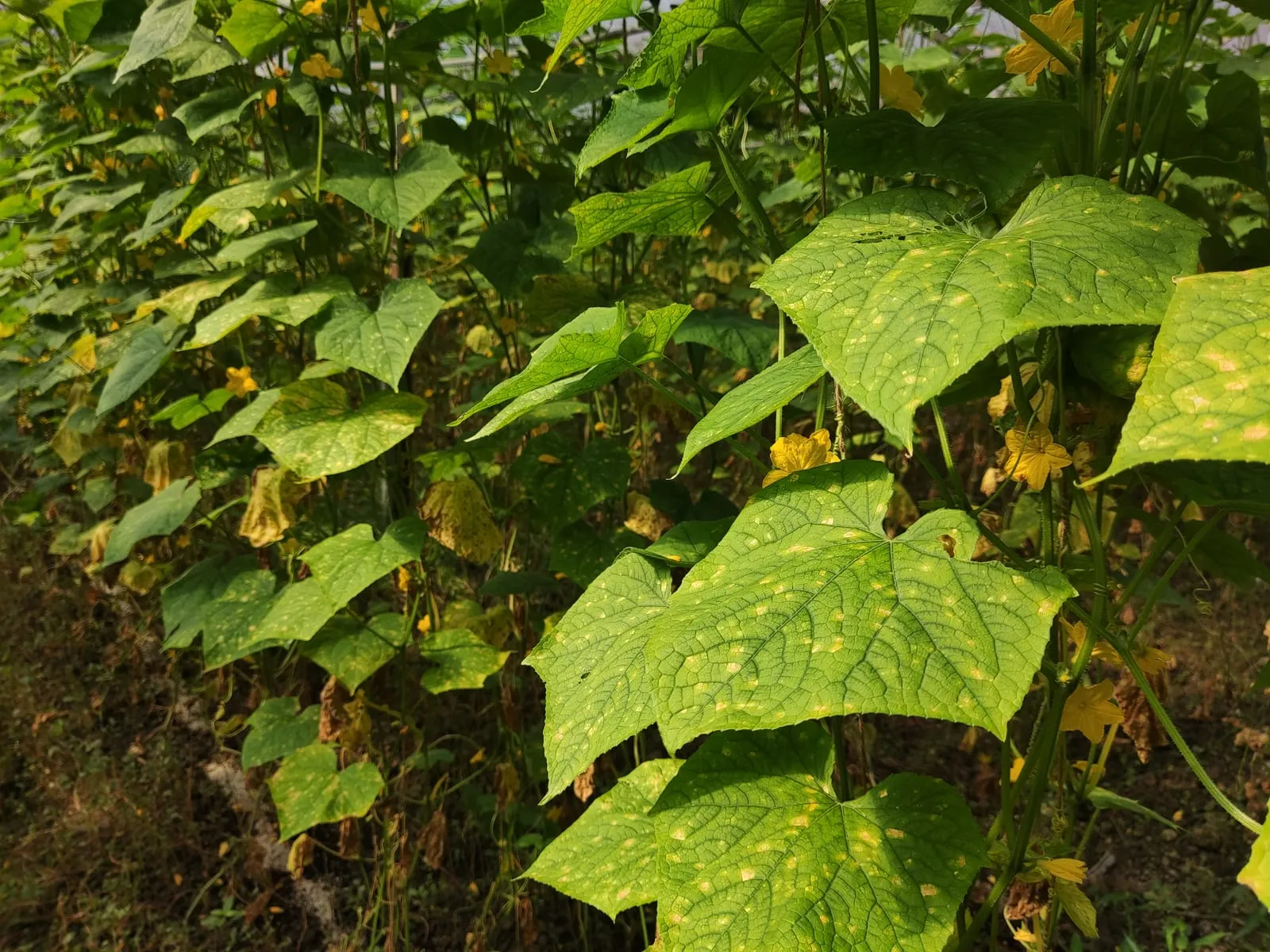
Pseudoperonospora cubensis (cucurbits) and others
Water mold (oomycete, not a true fungus) that thrives in cool damp conditions. Spreads rapidly through cucurbit and brassica plantings on wind-borne spores.
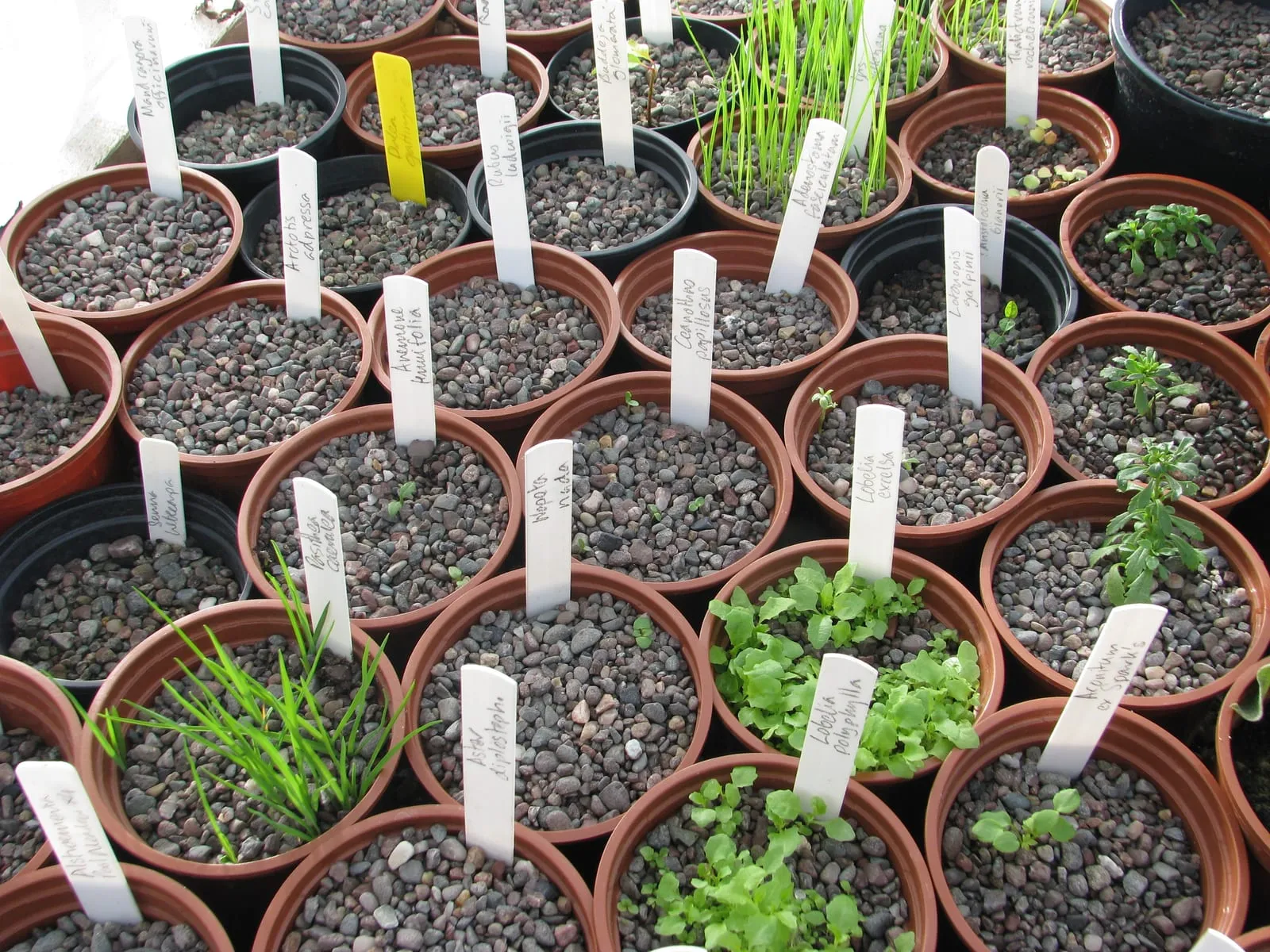
Pythium and Rhizoctonia species
Soil-borne complex of water molds and fungi that kill seedlings before or shortly after emergence. The single most common cause of seed-starting failures.
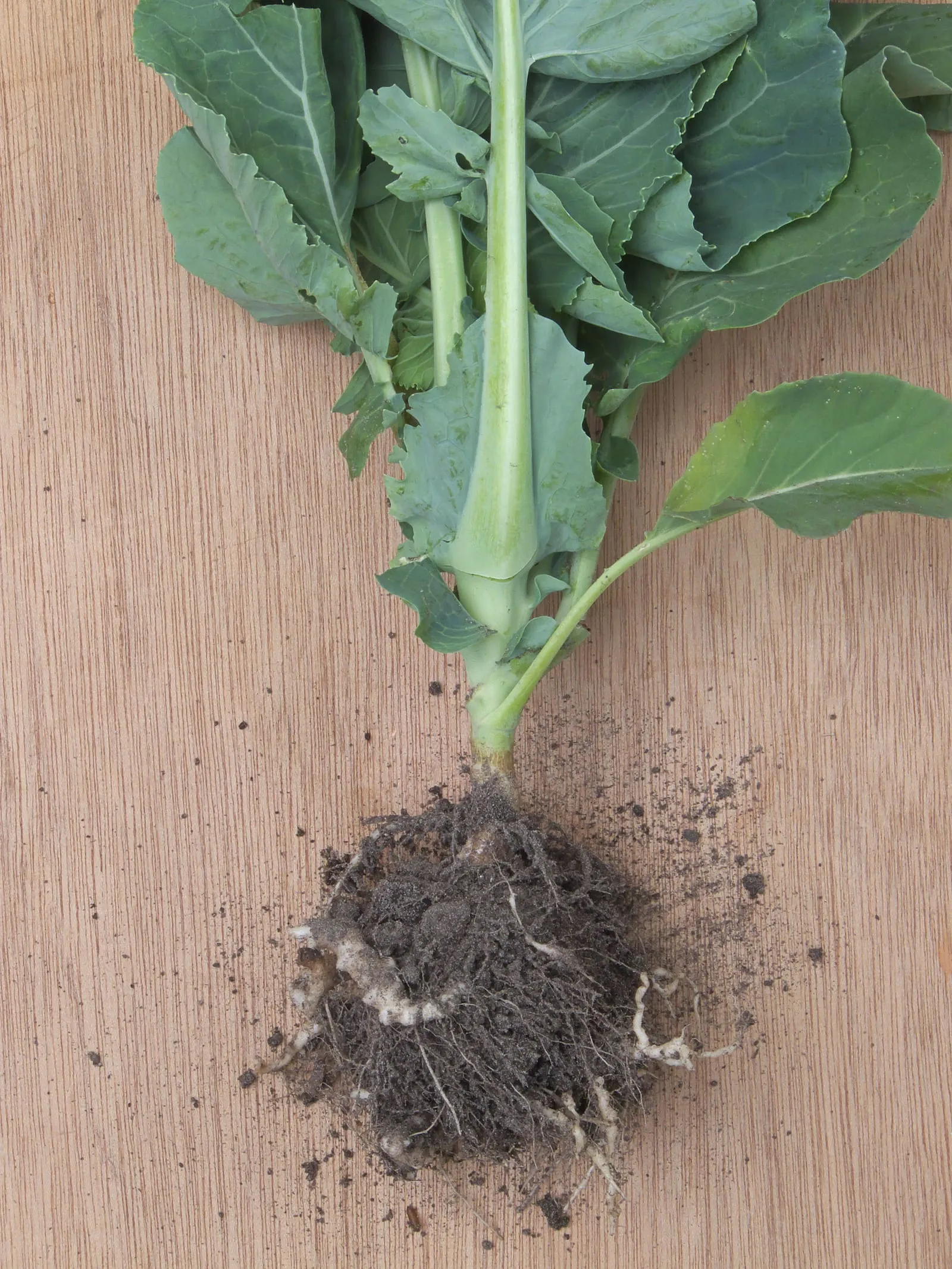
Plasmodiophora brassicae
Soil-borne disease causing characteristic distorted club-shaped roots on brassicas. Persists in soil for 10-20 years; the dominant brassica pathogen in acidic poorly-drained soils.
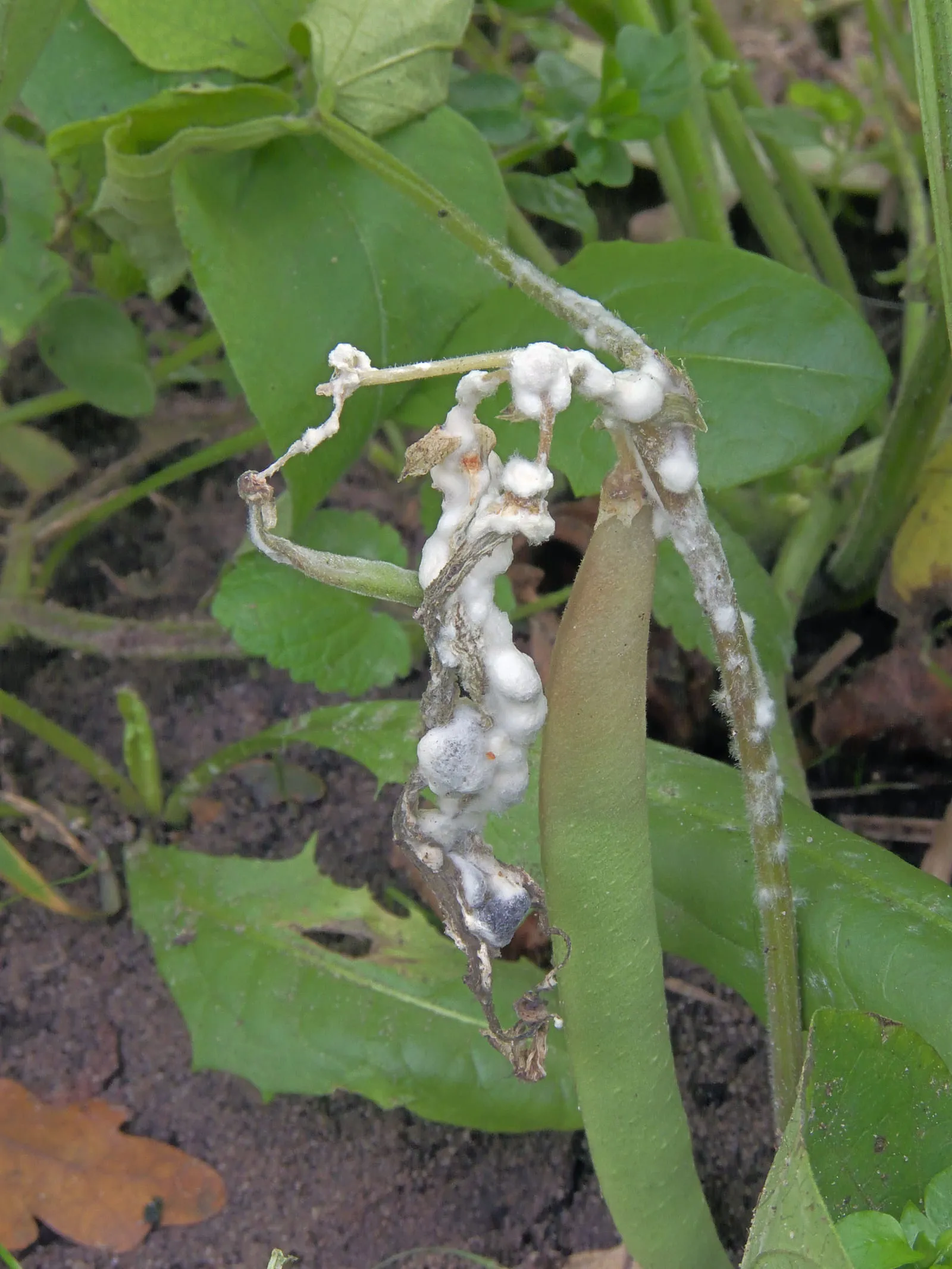
Sclerotinia sclerotiorum
Fungal disease that produces fluffy white mycelium on stems and lower leaves. Forms hard black sclerotia (resting bodies) that survive 5+ years in soil.
Modified care for zone 3b
Starting transplants indoors is the single most important adaptation for zone 3b. Direct-seeding broccoli outdoors is not viable given the 100-day season. Row covers at transplant time serve two purposes: frost protection in late spring and protection from early-season cabbage loopers and imported cabbageworms, which appear soon after transplant. In zone 3b, downy mildew pressure is moderate during cool, wet springs; spacing plants at 18 inches or wider and avoiding overhead irrigation reduces risk. Clubroot is the more serious long-term concern, as the pathogen persists in soil for 15 or more years once established. Maintaining soil pH above 7.0 (confirmed by soil test, not estimated) suppresses clubroot significantly. White mold tends to appear in humid conditions during cool mid-summer periods; removing lower leaves to improve airflow helps. No winter protection is needed for the crop itself since broccoli completes its cycle before hard freezes return.
Frequently asked questions
- Can broccoli be direct-seeded outdoors in zone 3b?
Direct seeding is not practical in zone 3b. The 100-day frost-free window leaves no margin for the germination and early-growth period that direct seeding requires. Starting transplants indoors 5 to 6 weeks before the last frost date is the standard approach.
- Which broccoli variety works best in zone 3b?
Calabrese, at roughly 58 to 65 days from transplant, offers the tightest fit for zone 3b's short season and leaves more buffer before fall frost. Waltham 29 is a reliable backup at 74 days but requires precise timing to avoid running into early fall frosts.
- Is a fall broccoli crop possible in zone 3b?
Generally not. A fall crop would require transplanting in mid-to-late July, and heads would need to mature before mid-September frosts arrive. The math rarely works out. Zone 3b growers are better served by maximizing their single spring crop.
- How do I prevent clubroot in zone 3b?
Soil pH management is the primary lever. Clubroot is suppressed at pH 7.0 and above; lime to reach that target before planting. Avoid rotating brassicas into beds with a history of the disease, as the pathogen survives in soil for over a decade.
+−
+−
+−
+−
Broccoli in adjacent zones
Image: "Brassica oleracea var. italica Limba 2022-04-24 7316", by Salicyna, via Wikimedia Commons, licensed under CC-BY Source.

Related