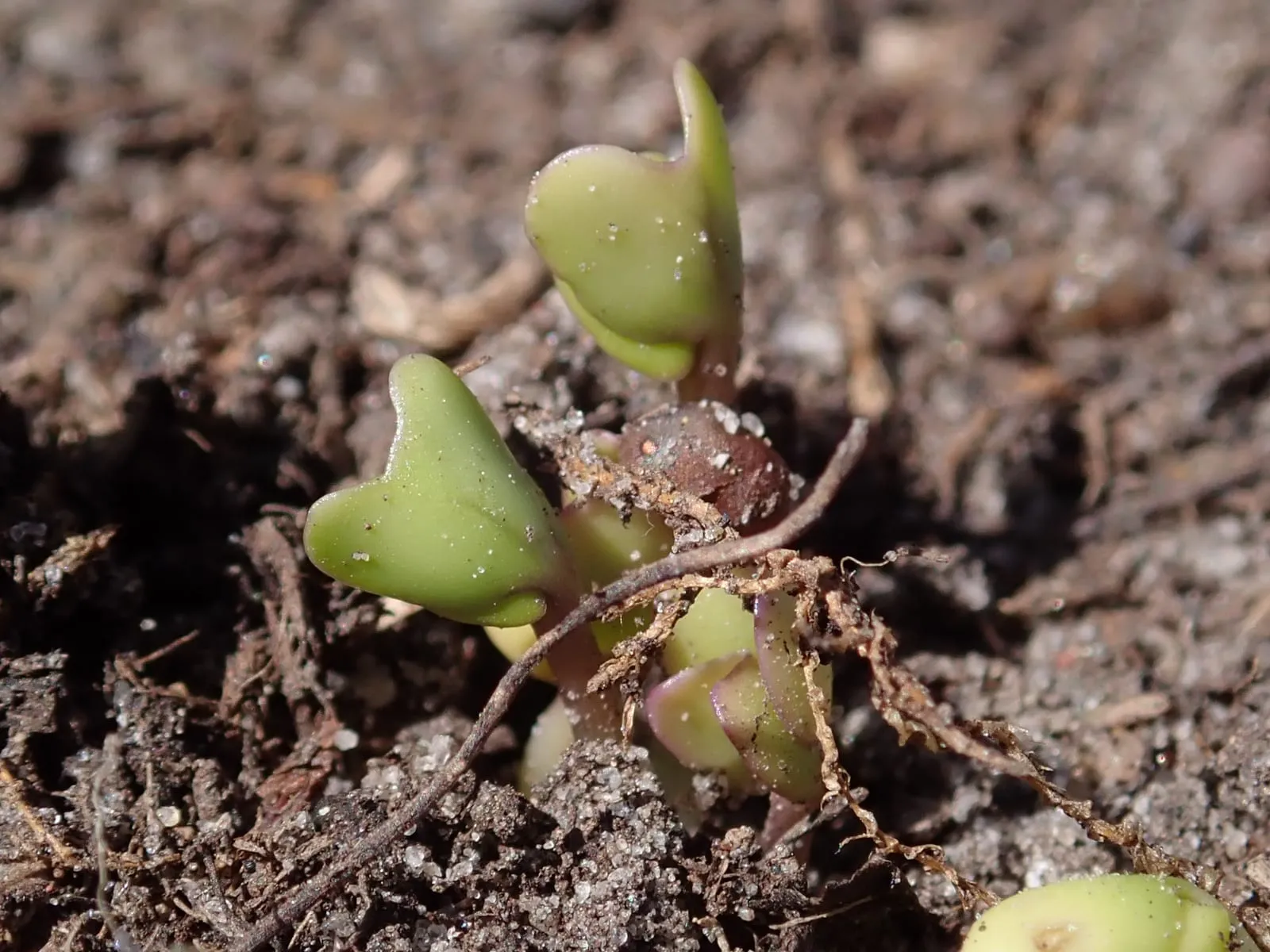
vegetable in zone 3a
Growing broccoli in zone 3a
Brassica oleracea var. italica
- Zone
- 3a -40°F to -35°F
- Growing season
- 90 days
- Suitable varieties
- 1
- Days to harvest
- 60 to 90
The verdict
Broccoli is a genuinely good fit for zone 3a, though the 90-day growing season leaves little margin for error. Unlike fruit trees, broccoli does not require accumulated chill hours; the relevant metric is days to maturity versus available frost-free days. Waltham 29, the variety with documented performance in this climate, reaches harvest in roughly 74 to 78 days from transplant, which fits inside a 90-day window provided transplants go out promptly after last frost.
Zone 3a's winters (minimum temperatures between -40 and -35°F) are not a limiting factor since broccoli is grown as a cool-season annual and is out of the ground long before killing temperatures arrive. The main constraint is calendar precision: a late spring frost or an early fall frost can compress the usable window below what a head-forming crop needs. Zone 3a is workable, not marginal, but it rewards growers who plan around actual frost dates rather than optimistic averages.
Recommended varieties for zone 3a
1 cultivar suited to this zone, with disease-resistance and zone-fit annotations.
| Variety | Notes | Zone fit | Disease resistance |
|---|---|---|---|
| Waltham 29 fits zone 3a | Sweet, tight-headed, classic flavor; cold-hardy fall variety. Roasting, steaming, freezing. Best for fall/overwintering plantings, holds in field through light frost. | | none noted |
Critical timing for zone 3a
Zone 3a last spring frosts typically fall in late May to early June. Starting Waltham 29 seeds indoors 5 to 6 weeks before the anticipated transplant date is standard practice, putting seed-start around mid-April. Transplants go out under row covers immediately after last frost, targeting outdoor establishment by early June.
At 74 to 78 days from transplant, heads are ready for harvest in mid- to late August. Broccoli bolts (sends up flowering stalks and becomes unmarketable) when temperatures climb above roughly 80°F for extended periods. A cooler summer moderates bolt risk; a hot July can push plants to bolt before heads fully develop. Fall crops are generally not viable in zone 3a because first fall frosts, often arriving in September, leave insufficient time for a second planting to head out.
Common challenges in zone 3a
- ▸ Very short growing season
- ▸ Late spring frosts
- ▸ Limited fruit-tree options
- ▸ Heavy mulching required
Disease pressure to watch for
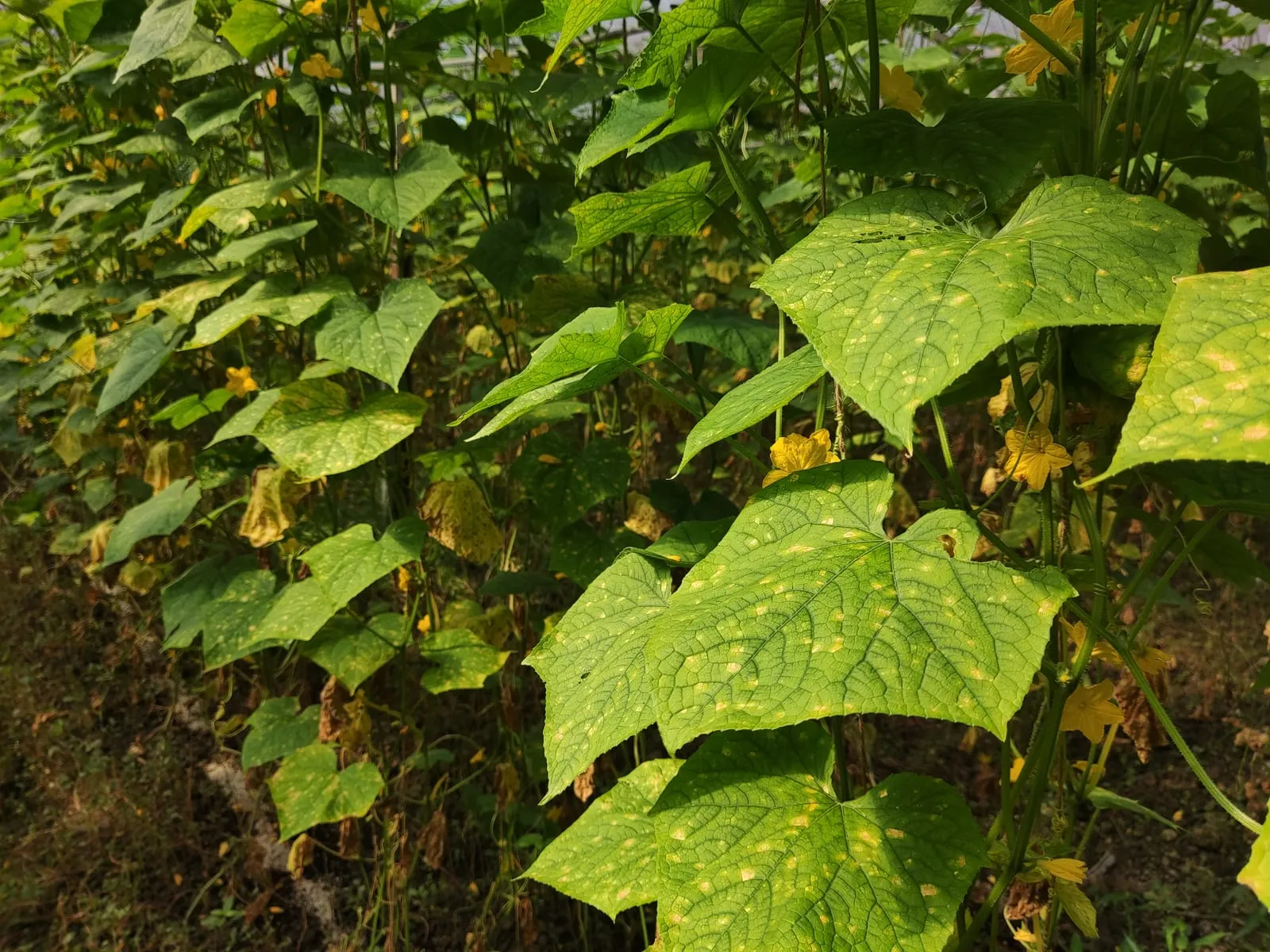
Pseudoperonospora cubensis (cucurbits) and others
Water mold (oomycete, not a true fungus) that thrives in cool damp conditions. Spreads rapidly through cucurbit and brassica plantings on wind-borne spores.
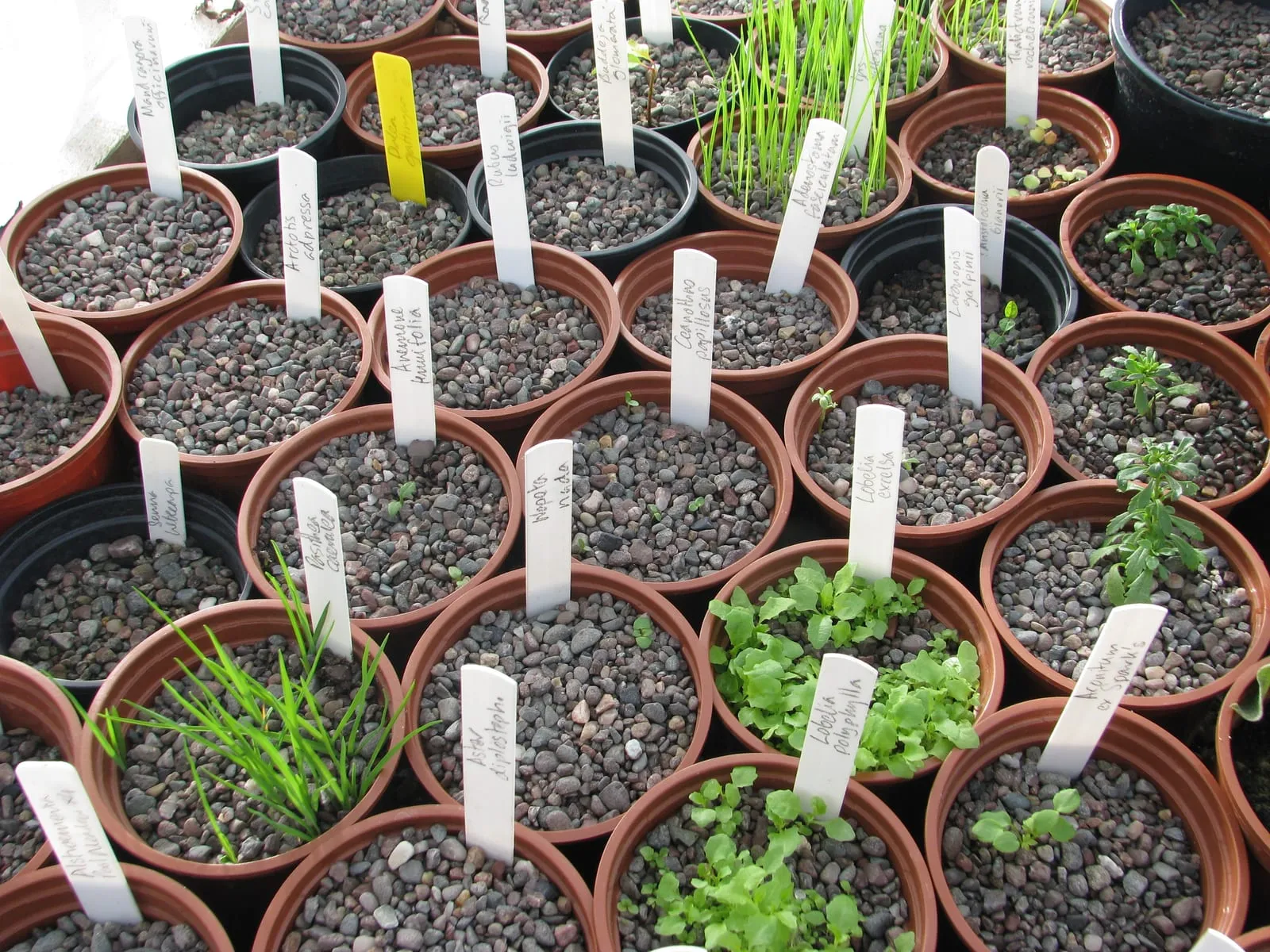
Pythium and Rhizoctonia species
Soil-borne complex of water molds and fungi that kill seedlings before or shortly after emergence. The single most common cause of seed-starting failures.
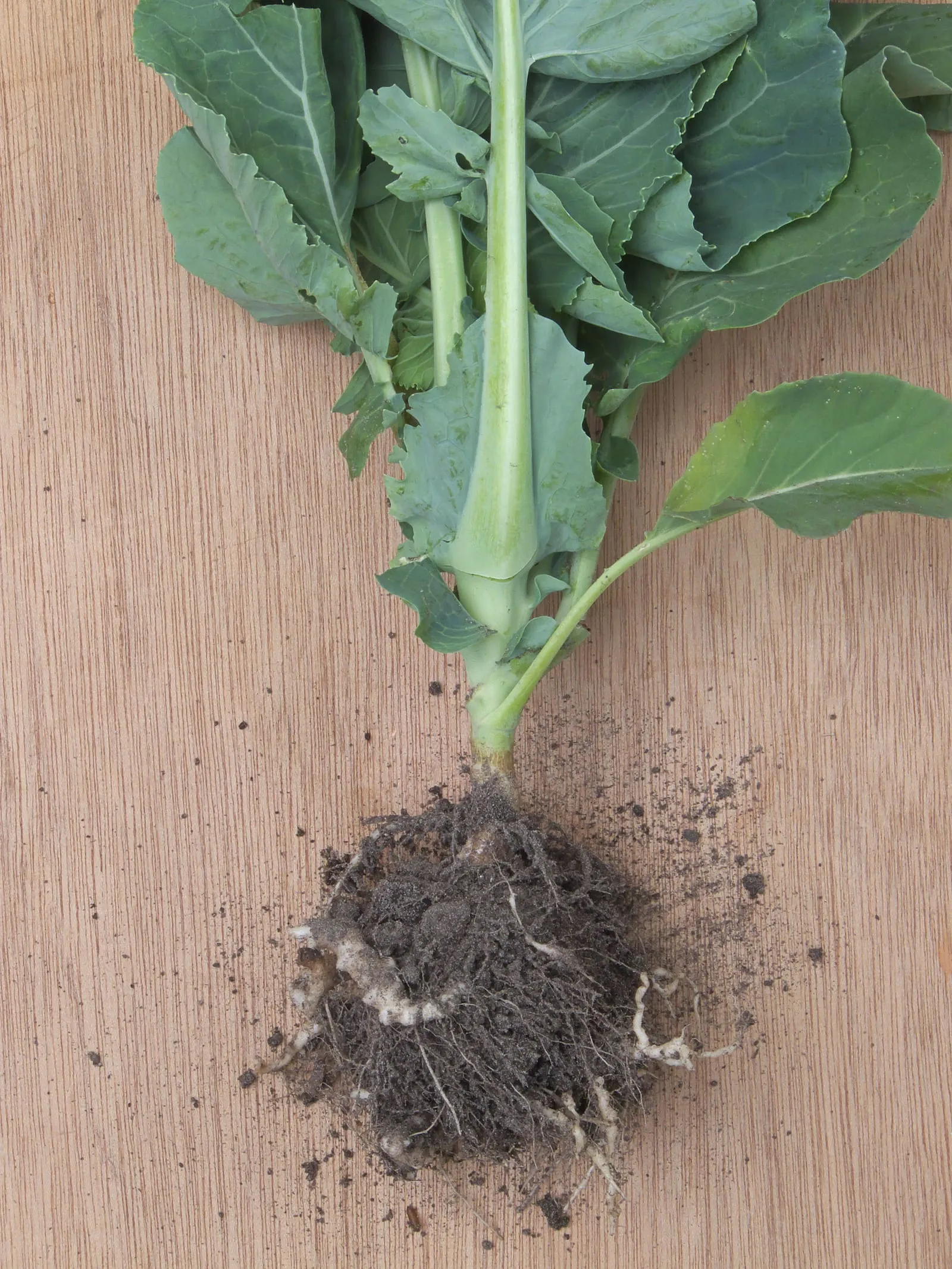
Plasmodiophora brassicae
Soil-borne disease causing characteristic distorted club-shaped roots on brassicas. Persists in soil for 10-20 years; the dominant brassica pathogen in acidic poorly-drained soils.
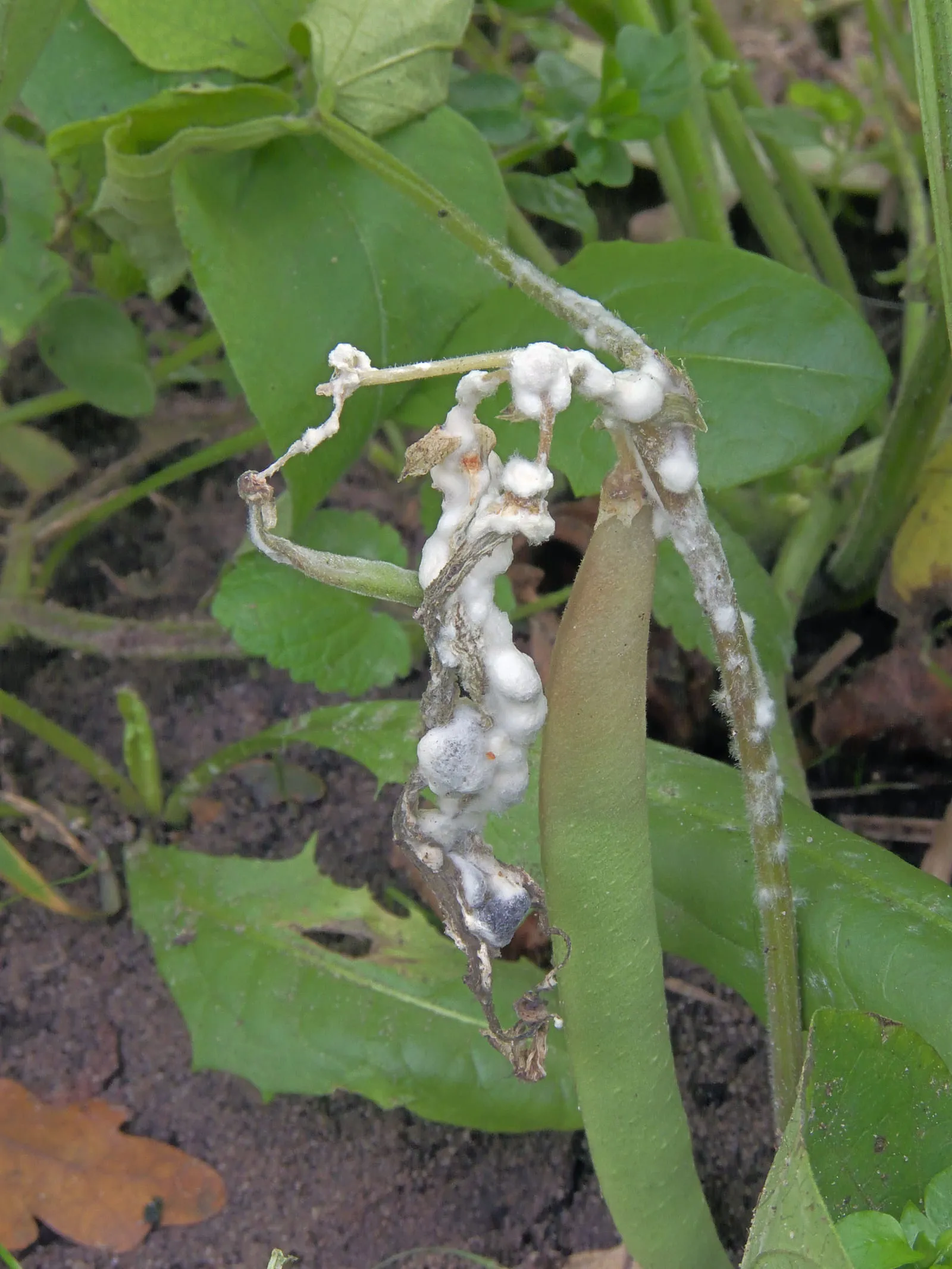
Sclerotinia sclerotiorum
Fungal disease that produces fluffy white mycelium on stems and lower leaves. Forms hard black sclerotia (resting bodies) that survive 5+ years in soil.
Modified care for zone 3a
The primary adaptation in zone 3a is season extension at both ends. Row covers deployed at transplant time can add 5 to 10 frost-free days in spring, which matters when the total window is 90 days. Heavy mulching, already a zone necessity, helps stabilize soil temperature during cool, fluctuating spring nights and reduces heaving stress on young transplants.
Disease management requires consistent attention. Clubroot, a soil-borne pathogen, persists in acidic soils for many years; maintaining soil pH above 7.2 and rotating brassicas on a minimum four-year cycle are the primary controls. Downy mildew and White Mold both favor the cool, humid conditions common in zone 3a summers. Spacing transplants at least 18 inches apart and avoiding overhead irrigation during heading reduce incidence. Cultural controls are the realistic management strategy in a short-season home garden context.
Broccoli in adjacent zones
Image: "Brassica oleracea var. italica Limba 2022-04-24 7316", by Salicyna, via Wikimedia Commons, licensed under CC-BY Source.

Related