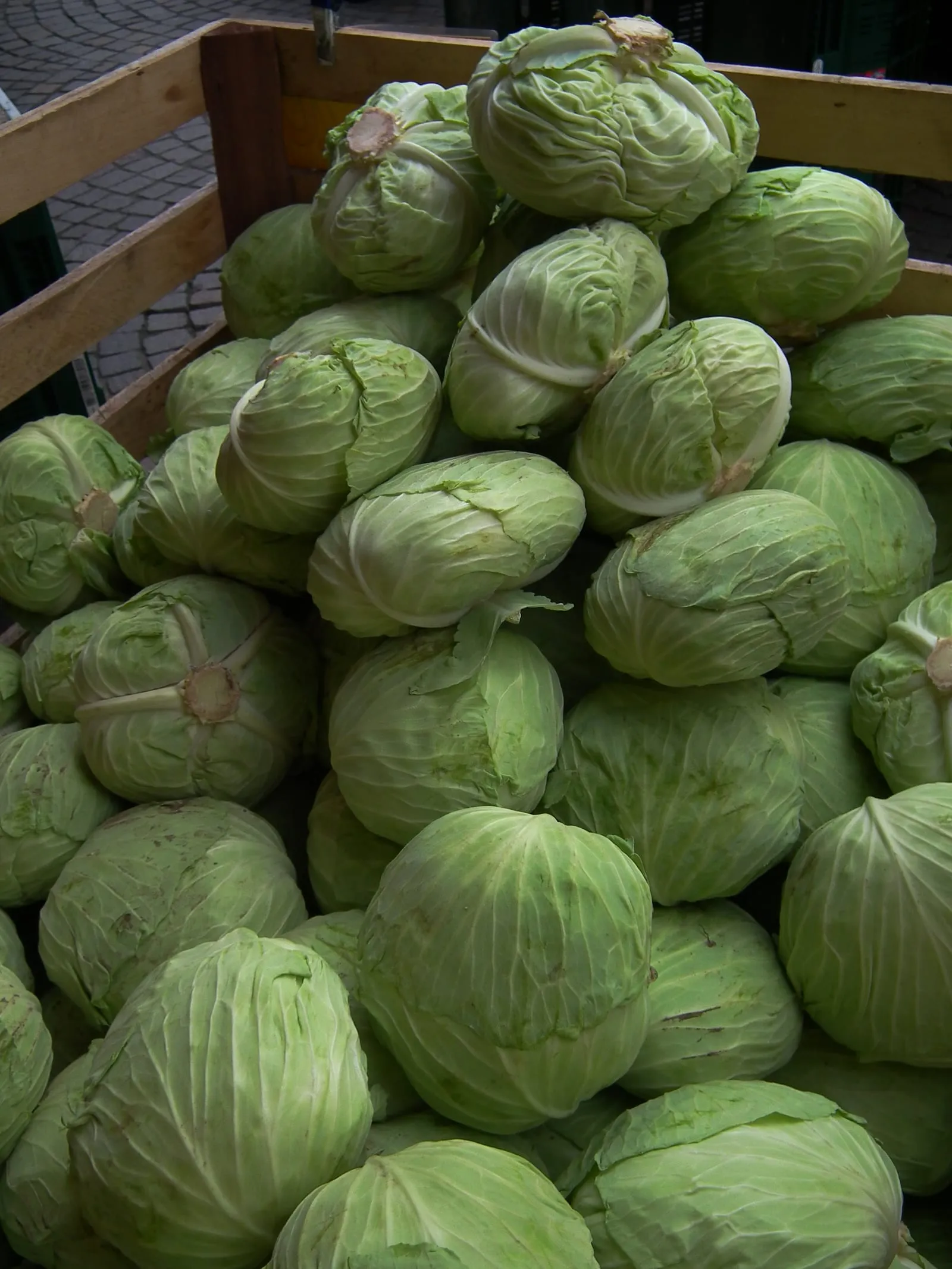
vegetable in zone 5b
Growing cabbage in zone 5b
Brassica oleracea var. capitata
- Zone
- 5b -15°F to -10°F
- Growing season
- 165 days
- Suitable varieties
- 4
- Days to harvest
- 60 to 100
The verdict
Cabbage is well-suited to zone 5b. As a cool-season brassica, it performs best when temperatures range between 45 and 75°F during head development, conditions zone 5b delivers reliably in both spring and fall. Unlike fruit crops, cabbage has no chill-hour requirement for production; its preference for cool weather aligns naturally with the zone's climate.
The 165-day frost-free window is sufficient for two crops per season: a spring planting timed around the last frost (typically late April to mid-May in zone 5b) and a fall planting that matures before the first hard freeze in October. Early Jersey Wakefield and Red Acre perform well under zone 5b's variable spring temperatures. Brunswick and Savoy King handle temperature swings with less tipburn than more heat-sensitive types.
Zone 5b is not a marginal zone for cabbage. The combination of a long enough growing season and reliably cool shoulder seasons puts it squarely in the crop's preferred range.
Recommended varieties for zone 5b
4 cultivars suited to this zone, with disease-resistance and zone-fit annotations.
| Variety | Notes | Zone fit | Disease resistance |
|---|---|---|---|
| Brunswick fits zone 5b | Sweet, dense, classic flavor; large flat-headed German storage cabbage. Sauerkraut, slaw, soups. Heritage open-pollinated, holds in the field, stores 3-4 months. | | none noted |
| Early Jersey Wakefield fits zone 5b | Sweet, mild, tender; pointed conical heads. Slaw, fresh, sauerkraut. Heritage early variety (60 days), excellent for spring planting. | | none noted |
| Savoy King fits zone 5b | Mild, tender, crinkled-leaf elegance; the Savoy cabbage with frilled blue-green leaves. Stir-fries, stuffed leaves, fresh. More cold-tolerant than smooth-leaf types. | | none noted |
| Red Acre fits zone 5b | Sweet-tart, crisp, deep magenta; the standard red home-garden cabbage. Slaw, pickling, fresh. Productive, holds shape, good storage. | | none noted |
Critical timing for zone 5b
For a spring crop, start transplants indoors 6 to 8 weeks before the last expected frost, which falls late April to mid-May across most of zone 5b. That puts indoor sowing in mid-February to early March. Harden off and transplant outside 3 to 4 weeks before the last frost date; established cabbage tolerates light frost down to around 26°F. Spring heads from early varieties like Early Jersey Wakefield typically mature in June through early July.
For a fall crop, count back from the first fall frost (early to mid-October in zone 5b) by the variety's days-to-maturity plus two weeks, then set transplants accordingly. That usually means transplanting in late July to early August. Fall crops often develop tighter structure and better flavor than spring-grown heads, as the cooling temperatures in September reduce bitterness and improve texture.
Common challenges in zone 5b
- ▸ Plum curculio
- ▸ Codling moth
- ▸ Cedar-apple rust
Disease pressure to watch for
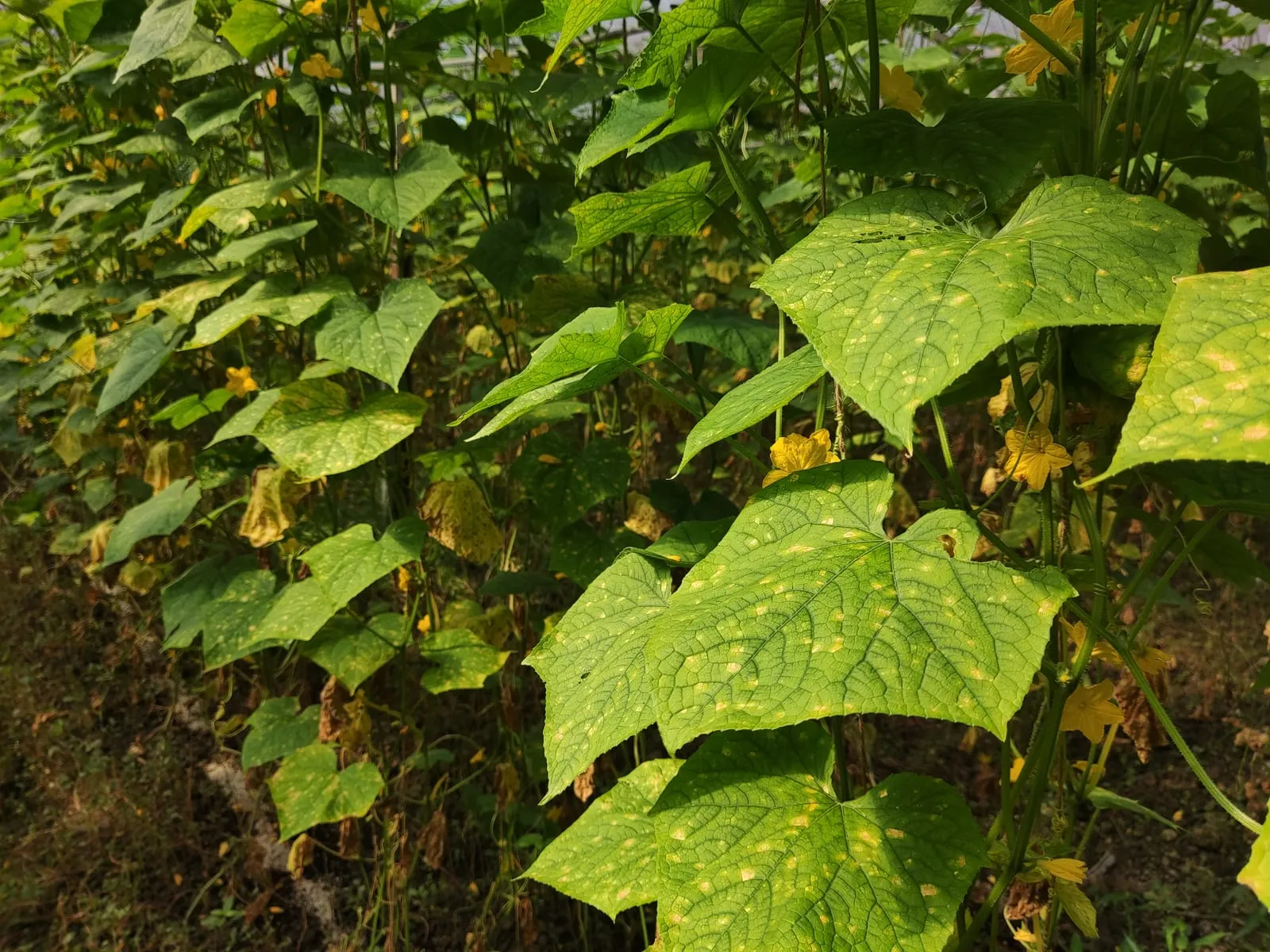
Pseudoperonospora cubensis (cucurbits) and others
Water mold (oomycete, not a true fungus) that thrives in cool damp conditions. Spreads rapidly through cucurbit and brassica plantings on wind-borne spores.
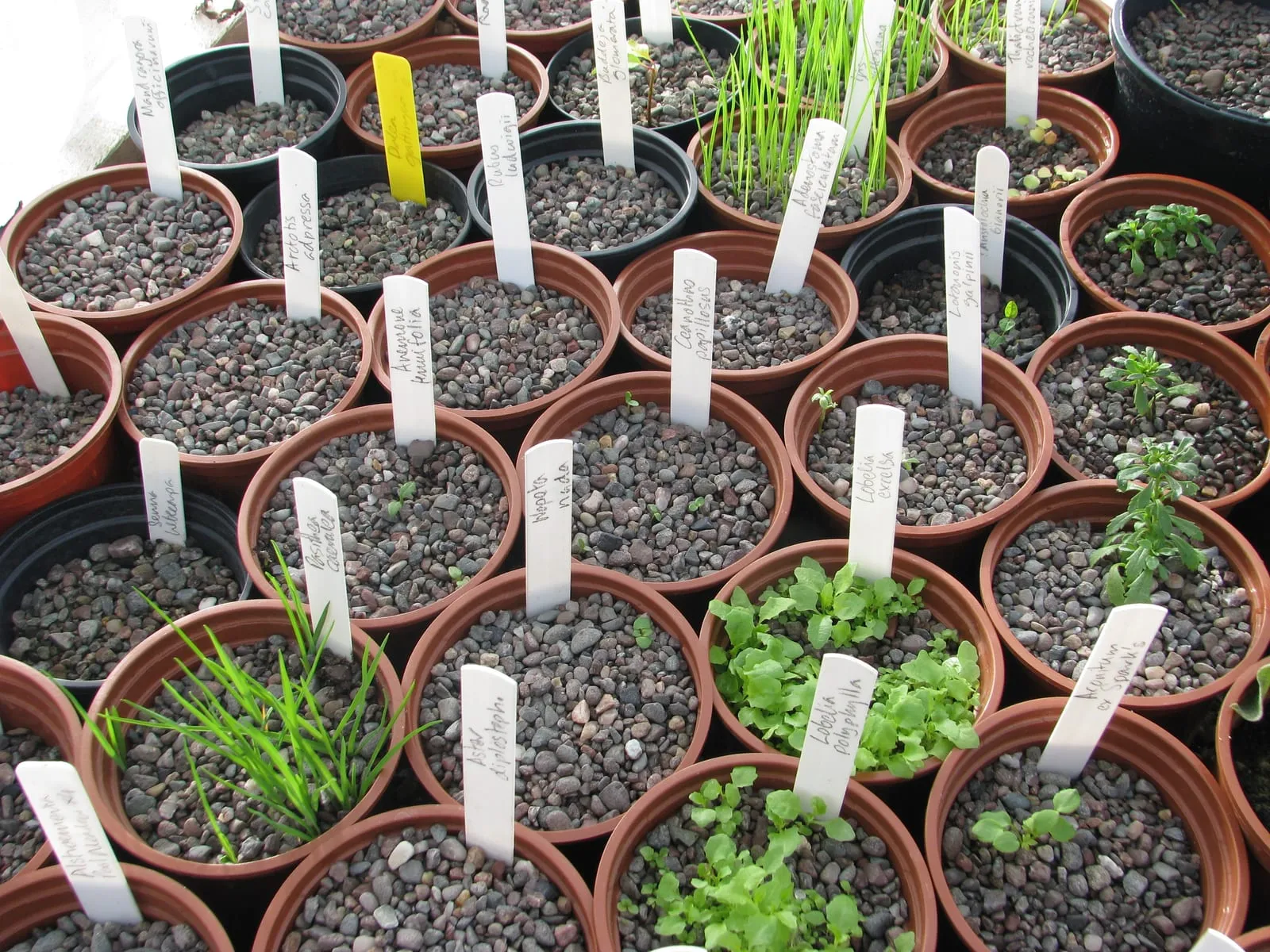
Pythium and Rhizoctonia species
Soil-borne complex of water molds and fungi that kill seedlings before or shortly after emergence. The single most common cause of seed-starting failures.
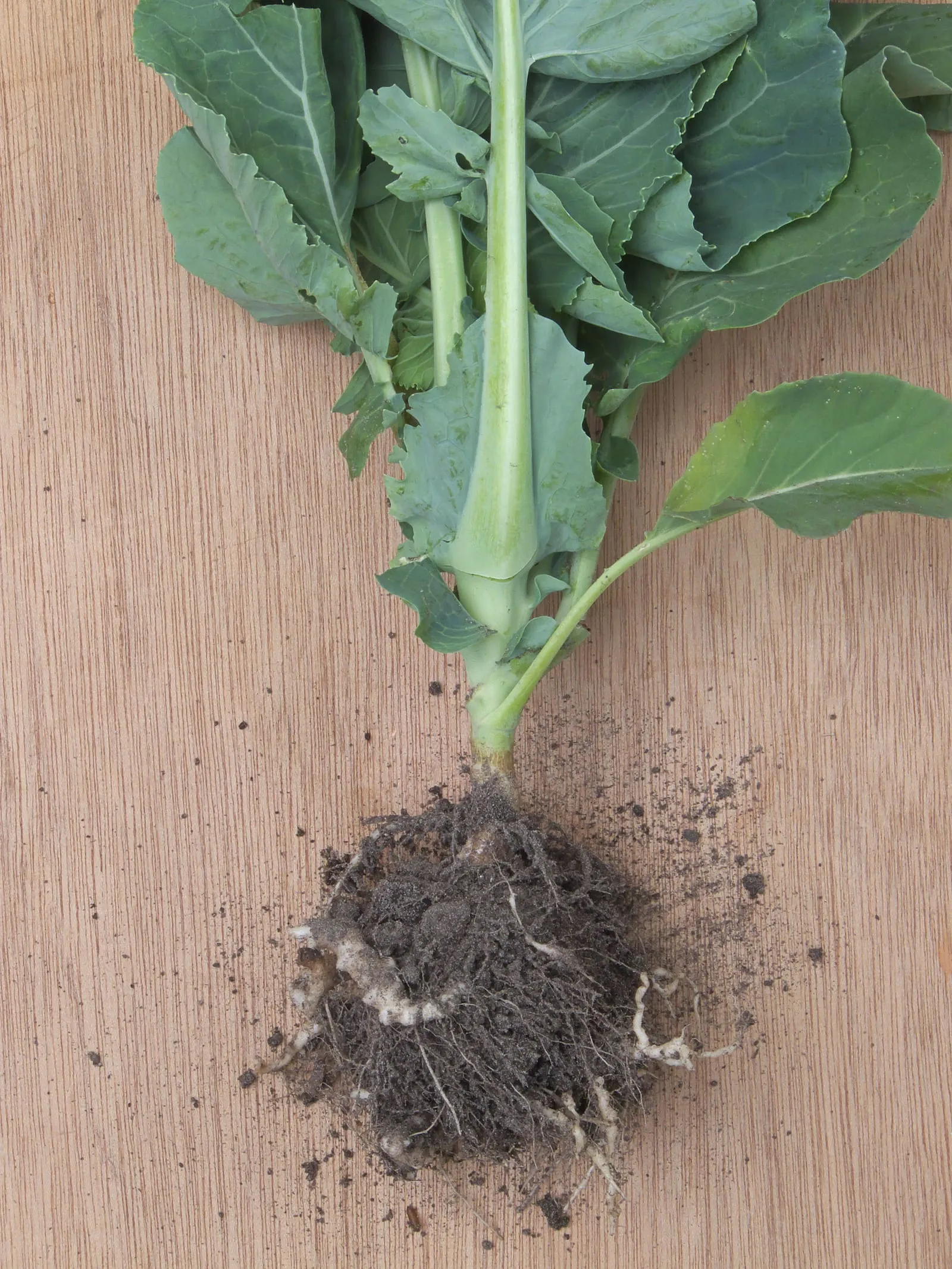
Plasmodiophora brassicae
Soil-borne disease causing characteristic distorted club-shaped roots on brassicas. Persists in soil for 10-20 years; the dominant brassica pathogen in acidic poorly-drained soils.
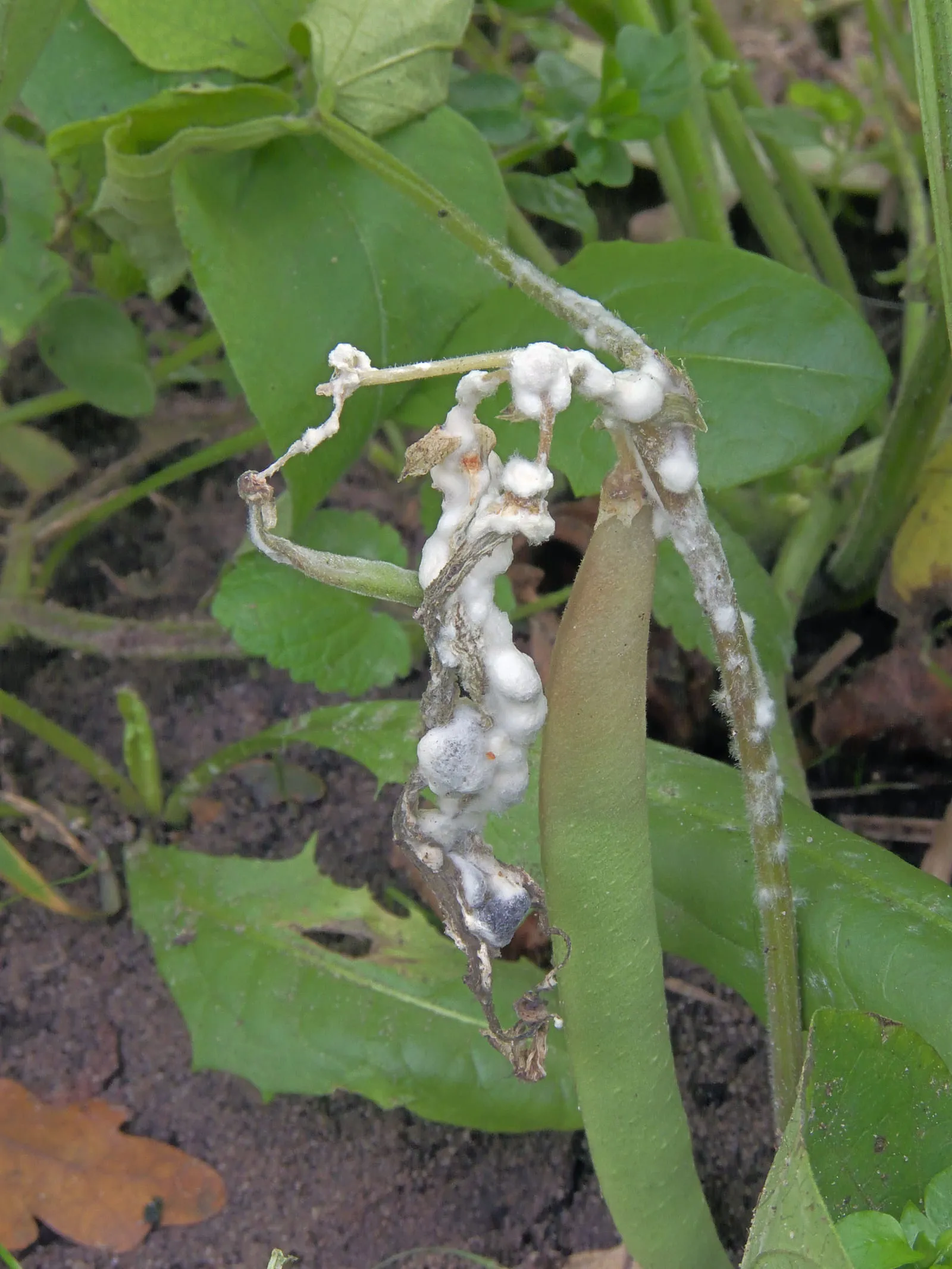
Sclerotinia sclerotiorum
Fungal disease that produces fluffy white mycelium on stems and lower leaves. Forms hard black sclerotia (resting bodies) that survive 5+ years in soil.
Modified care for zone 5b
The primary disease to manage in zone 5b is clubroot, a soilborne pathogen that persists for years in acidic, poorly drained ground. Maintaining soil pH above 7.0 and improving drainage reduces incidence substantially; raised beds help in heavier clay soils. Clubroot pressure is higher in fields with a history of brassica crops, so rotating to a different bed every three to four years is worth enforcing.
Downy mildew thrives in the cool, wet springs typical of zone 5b. Spacing transplants for airflow and avoiding overhead irrigation in the evening limits spread. White mold can establish in dense plantings during humid periods; clearing crop debris promptly after harvest reduces carryover inoculum.
All heads should be harvested before sustained hard freezes below 26°F. Cabbage is not overwintered for heads in zone 5b, so there is no need for protective mulching or row covers at season's end beyond what is used to extend the fall harvest window.
Cabbage in adjacent zones
Image: "Weißkohl Brassica oleracea var. capitata 2011", by 4028mdk09, via Wikimedia Commons, licensed under CC-BY Source.

Related