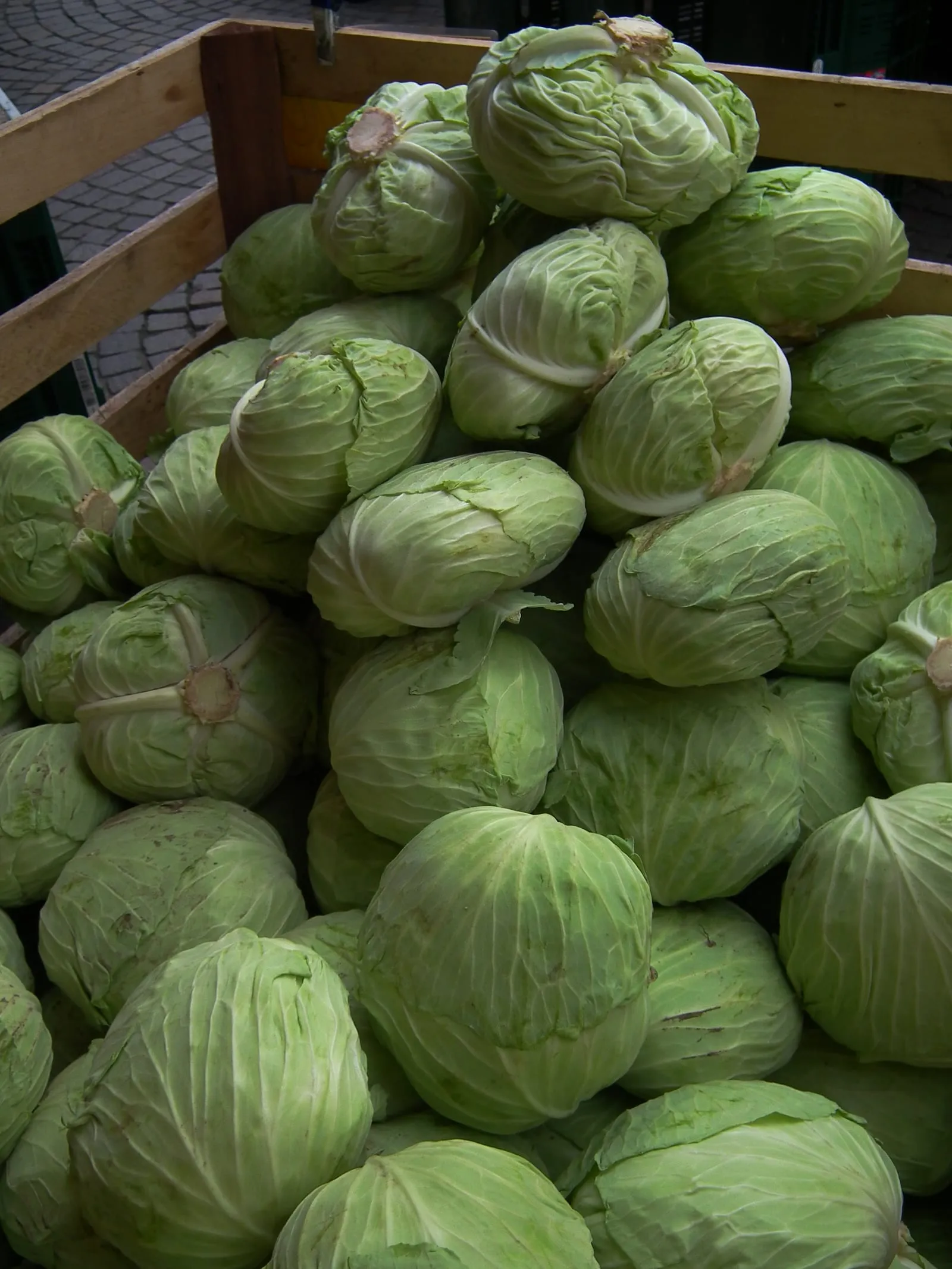
vegetable in zone 5a
Growing cabbage in zone 5a
Brassica oleracea var. capitata
- Zone
- 5a -20°F to -15°F
- Growing season
- 150 days
- Suitable varieties
- 4
- Days to harvest
- 60 to 100
The verdict
Cabbage is well matched to zone 5a. The crop is a cool-season annual, and zone 5a's 150-day growing season with reliably cool spring and fall shoulders creates ideal conditions for head development. Unlike fruiting crops, cabbage has no chill-hour requirement; what it needs is sustained temperatures in the 45 to 75°F range during head formation, which zone 5a delivers in both spring and fall windows.
The compatible varieties listed (Brunswick, Early Jersey Wakefield, Savoy King, Red Acre) are all bred for short to mid-season performance in northern climates. Zone 5a is not marginal for cabbage; it is a sweet spot. The key risk window is the transition from spring to summer heat, when heads must finish forming before temperatures consistently exceed 80°F and cause bolting or internal tip burn. A fall planting sidesteps this pressure entirely.
Recommended varieties for zone 5a
4 cultivars suited to this zone, with disease-resistance and zone-fit annotations.
| Variety | Notes | Zone fit | Disease resistance |
|---|---|---|---|
| Brunswick fits zone 5a | Sweet, dense, classic flavor; large flat-headed German storage cabbage. Sauerkraut, slaw, soups. Heritage open-pollinated, holds in the field, stores 3-4 months. | | none noted |
| Early Jersey Wakefield fits zone 5a | Sweet, mild, tender; pointed conical heads. Slaw, fresh, sauerkraut. Heritage early variety (60 days), excellent for spring planting. | | none noted |
| Savoy King fits zone 5a | Mild, tender, crinkled-leaf elegance; the Savoy cabbage with frilled blue-green leaves. Stir-fries, stuffed leaves, fresh. More cold-tolerant than smooth-leaf types. | | none noted |
| Red Acre fits zone 5a | Sweet-tart, crisp, deep magenta; the standard red home-garden cabbage. Slaw, pickling, fresh. Productive, holds shape, good storage. | | none noted |
Critical timing for zone 5a
Zone 5a supports two distinct cabbage windows. For the spring crop, start transplants indoors 6 to 8 weeks before the last frost date (typically late April to early May), harden off, and set out from mid-April through early May. Early Jersey Wakefield at roughly 63 days from transplant suits this window well. Brunswick and Savoy King run 85 to 90 days and fit more comfortably in a fall planting.
For fall production, count back from the first fall frost (typically mid-September to mid-October in zone 5a) and set out transplants in mid-July. A light frost after heads form improves sweetness, so timing fall harvest for after the first frost event is a reasonable strategy.
Common challenges in zone 5a
- ▸ Fire blight in pears
- ▸ Cedar-apple rust
- ▸ Late spring frosts
Disease pressure to watch for
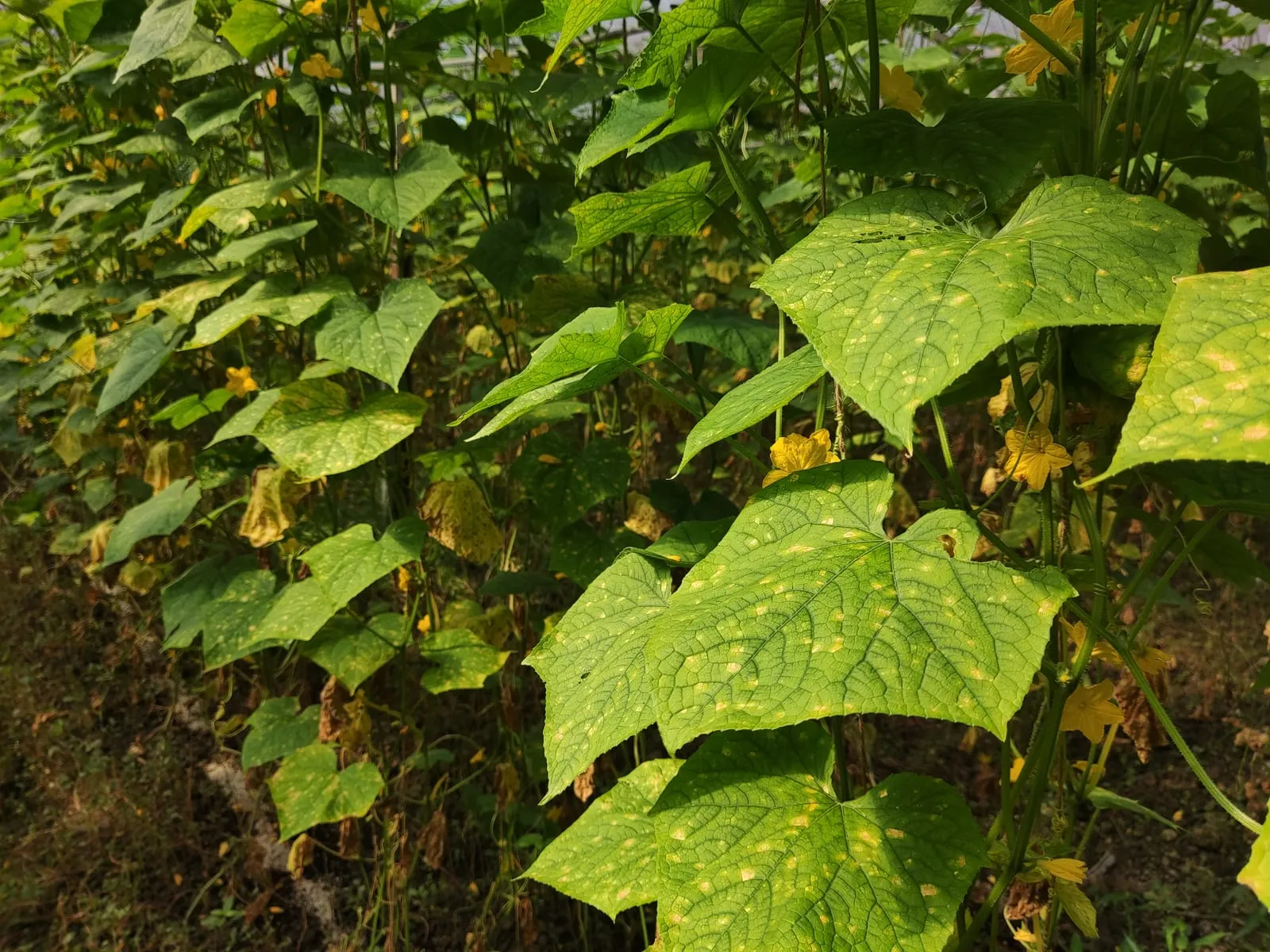
Pseudoperonospora cubensis (cucurbits) and others
Water mold (oomycete, not a true fungus) that thrives in cool damp conditions. Spreads rapidly through cucurbit and brassica plantings on wind-borne spores.
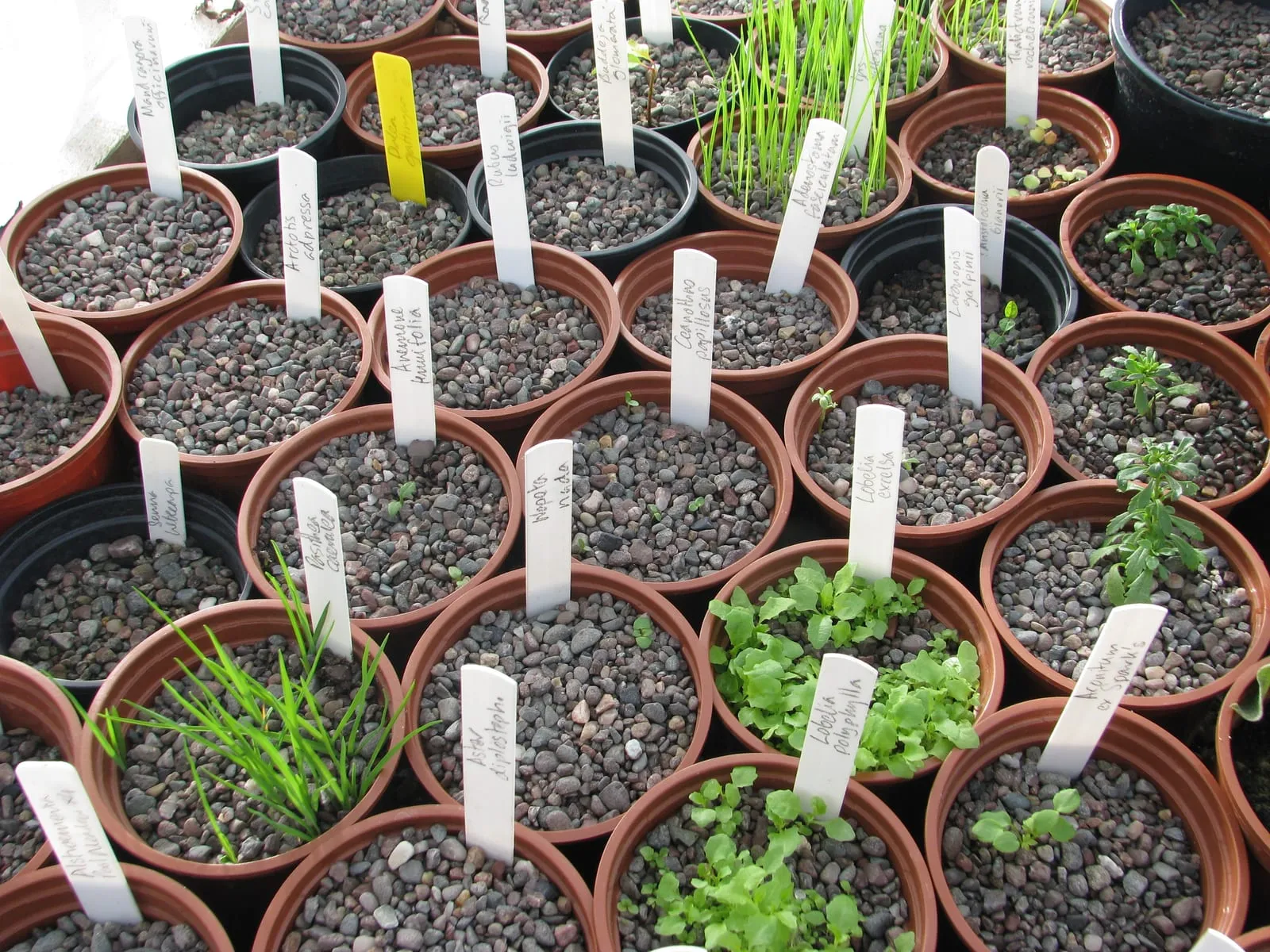
Pythium and Rhizoctonia species
Soil-borne complex of water molds and fungi that kill seedlings before or shortly after emergence. The single most common cause of seed-starting failures.
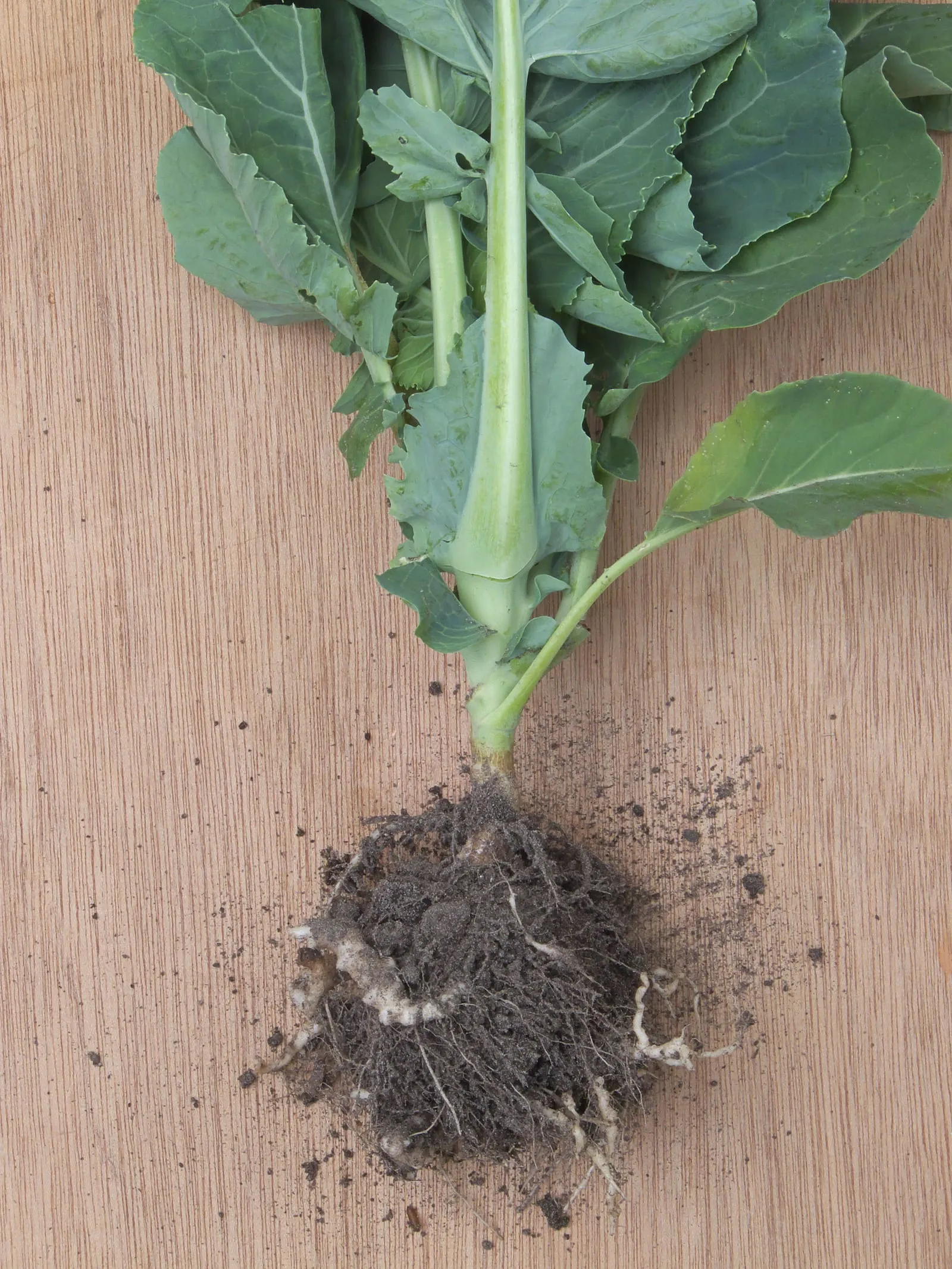
Plasmodiophora brassicae
Soil-borne disease causing characteristic distorted club-shaped roots on brassicas. Persists in soil for 10-20 years; the dominant brassica pathogen in acidic poorly-drained soils.
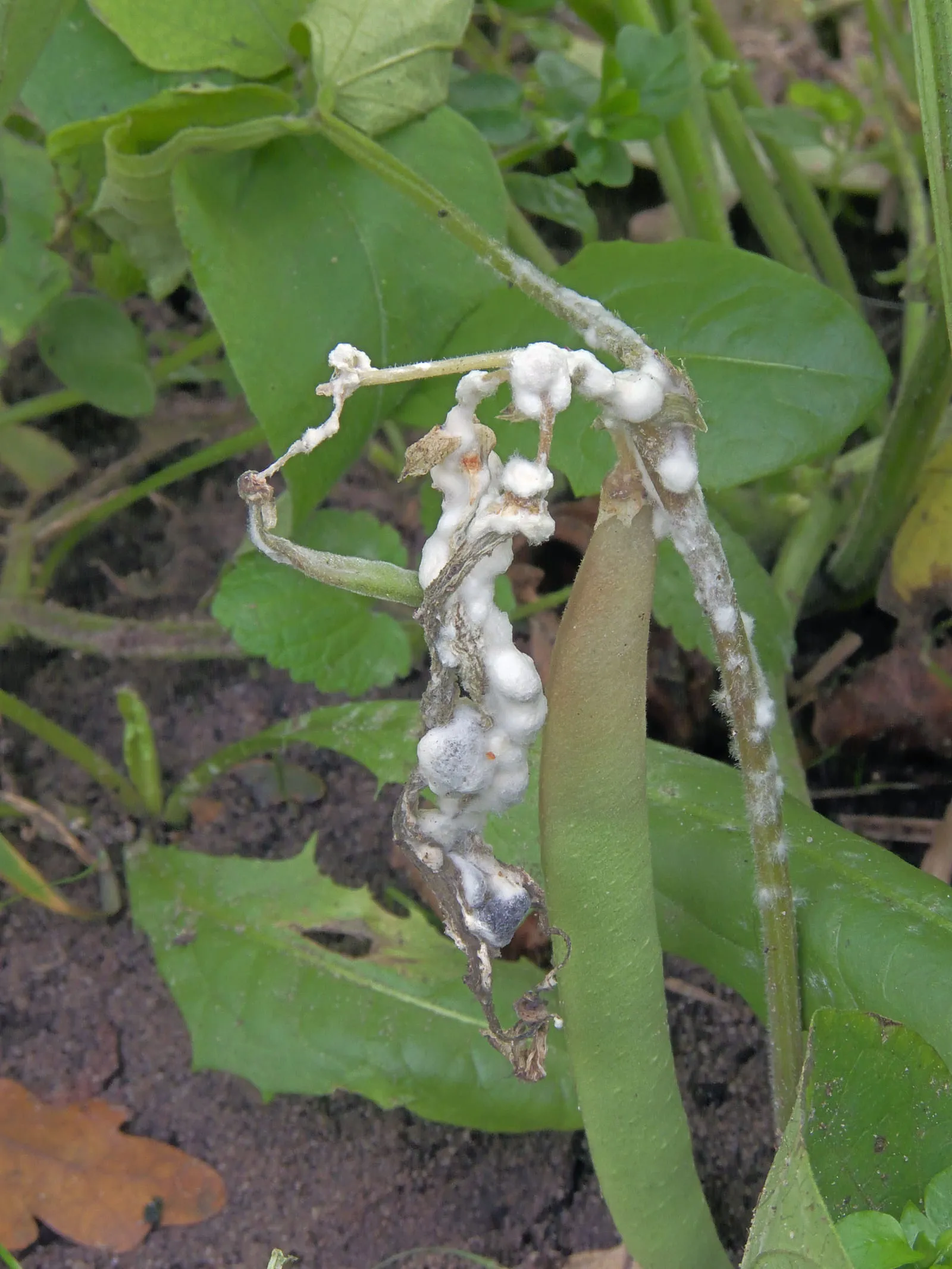
Sclerotinia sclerotiorum
Fungal disease that produces fluffy white mycelium on stems and lower leaves. Forms hard black sclerotia (resting bodies) that survive 5+ years in soil.
Modified care for zone 5a
Late spring frosts are the primary transplant risk in zone 5a. Harden off seedlings over 7 to 10 days before field planting and keep row cover available through early May. An unexpected frost after transplanting can kill or seriously set back unhardened plants.
Clubroot persists in acidic soils and is more problematic during the wet springs common to zone 5a. Maintaining soil pH above 7.0 through lime applications is the main management lever; rotate cabbage-family crops on a minimum 3-year cycle within any given bed.
Downy mildew flares during cool, humid periods typical of zone 5a springs and falls. Increase plant spacing and avoid evening overhead irrigation to reduce canopy humidity. White mold risk rises during wet summers when dense foliage limits airflow between plants.
Cabbage in adjacent zones
Image: "Weißkohl Brassica oleracea var. capitata 2011", by 4028mdk09, via Wikimedia Commons, licensed under CC-BY Source.

Related