herb
Mint
Mentha species
USDA hardiness range
- Zones
- 3b–9b
- Days to harvest
- 60 to 90
- Sun
- Partial
- Water
- Moderate
- Lifespan
- perennial
Growing mint
Mint thrives across a wide range of USDA zones, from 3b through 9b, making it one of the most adaptable perennial herbs for the home garden. In zones 3 and 4, plants die back completely each winter but return reliably from established root systems given adequate mulch. In zones 7 and warmer, stems often remain semi-evergreen through mild winters. The crop reaches harvestable size within 60 to 90 days of transplanting, though established second-year plantings yield far more generously and earlier in the season.
The defining challenge with mint is not getting it to grow, but keeping it in bounds. All Mentha species spread aggressively by underground rhizomes. A plant set directly in garden soil can colonize a wide area within one season and prove difficult to remove without systematic digging over multiple years. This tendency to spread is a design problem, not a cultivation one: site the planting intentionally from the start.
Mint grown in partial shade produces more aromatic, less bitter leaves than plants pushed into full afternoon sun. The genus tolerates a range of soils and modest neglect, but consistent moisture and some shade during peak summer heat improve leaf quality noticeably. See Cornell Mint Production for variety-specific yield and production data.
Recommended varieties
See all 4 →4 cultivars for home growers, with notes on flavor, ripening, and disease resistance.
| Variety | Notes | Zone fit | Disease resistance |
|---|---|---|---|
| Spearmint | Bright, sweet, classic mint flavor; the Mojito and tabbouleh mint. Tea, cocktails, lamb, fruit salads. Spreads aggressively by runners, plant in containers or barriers. | | none noted |
| Peppermint | Sharp, cool, intense menthol; tea and confection mint. Tea, ice cream, chocolate combinations. Even more aggressive spreader than spearmint, container only. | | none noted |
| Mojito | Sweet, less menthol than spearmint, citrus undertones; the Cuban mint. Mojitos, fresh summer cocktails, fruit. Slightly less aggressive spread than spearmint. | | none noted |
| Chocolate | Mint with cocoa-chocolate undertones; novelty culinary mint. Desserts, cocktails, hot chocolate. Still aggressive, still container-only. | | none noted |
Soil and site requirements
Mint adapts to most garden soils but performs best in moderately fertile, well-drained loam with a pH between 6.0 and 7.0. Poorly drained, compacted, or chronically waterlogged soils encourage root rot and weaken plants across multiple seasons. The herb tolerates heavier clay better than most culinary herbs, provided drainage is not consistently poor.
Partial shade is the preferred exposure, particularly in zones 7 and warmer where afternoon sun accelerates leaf scorch and bitterness. A north-facing bed, dappled light under deciduous canopy, or a site that receives morning sun and afternoon shade all work well. In zones 3 through 5, more direct sun is acceptable because the growing season is cooler and leaf-scorching temperatures are less common.
Container planting is strongly recommended for all Mentha species. A five-gallon pot buried to its rim in the garden bed controls rhizome spread without sacrificing growth or requiring frequent watering. When planting in open ground, use buried metal or plastic edging extending at least 12 inches deep. Spacing depends on species: spearmint wants 18 to 24 inches between plants, peppermint at least 24 inches. Even with barriers, inspect perimeter roots each spring and sever escapees promptly before they establish beyond the boundary.
Common pests
Common challenges
The most common reason home mint plantings become problems is not selecting a contained site from the start. Rhizomes spread laterally 12 or more inches per season and root at every node they contact. A planting set directly in open garden soil almost always escapes into adjacent beds or lawn within two seasons. Once established in uncontrolled ground, full removal requires digging out every root fragment across multiple growing seasons. Containment from planting day is far easier than remediation.
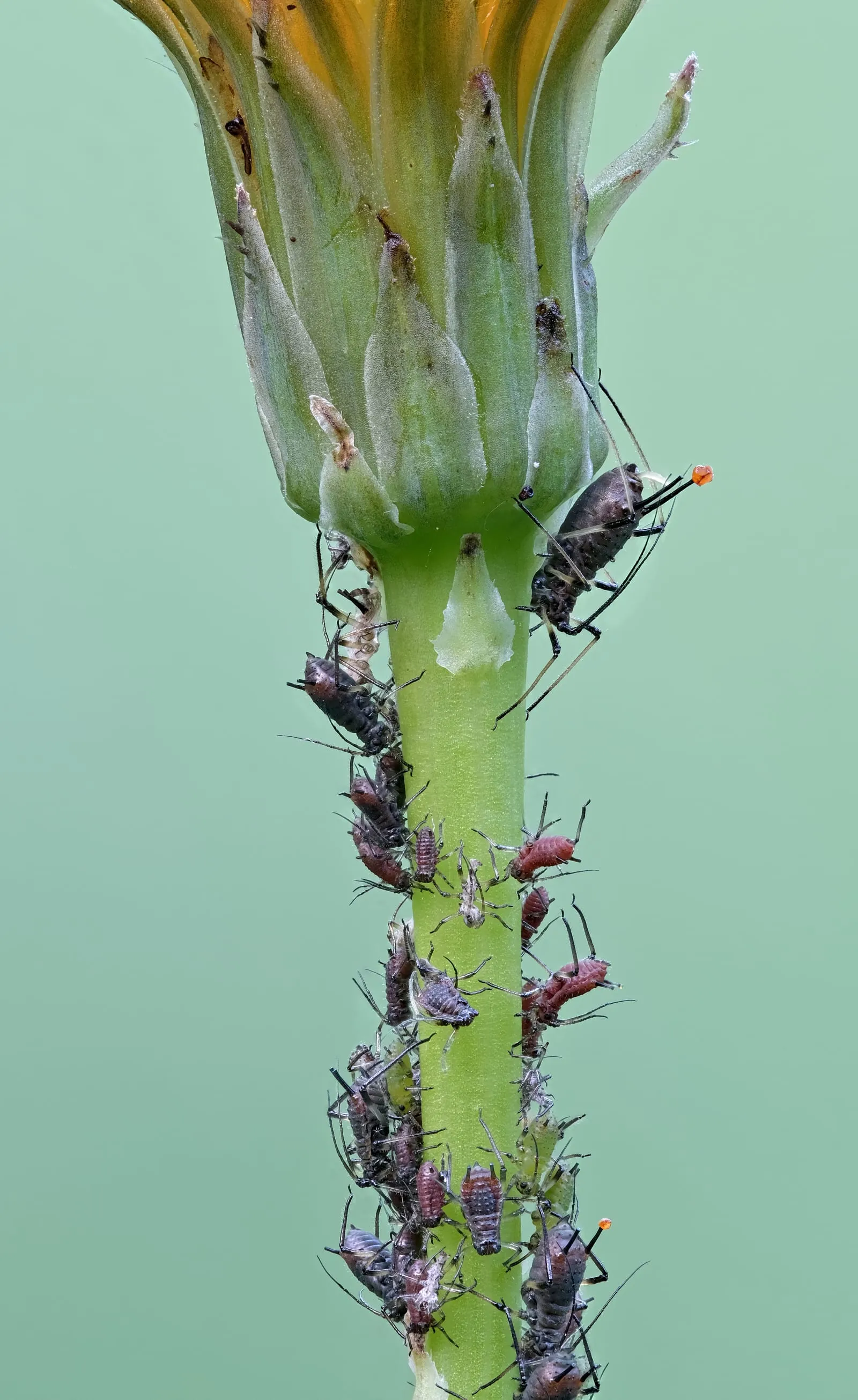
Aphid pressure is the primary pest concern. Colonies cluster on new growth and stem tips, causing curled or distorted leaves and reducing harvest quality on affected stems. In most garden situations, a forceful water spray or manual removal manages light infestations adequately. Container plants warrant closer attention because restricted root volume limits the plant's capacity to outgrow repeated damage.
Drought stress, often combined with excessive sun exposure, causes leaves to become small, bitter, and prone to edge burn. Mint requires consistent soil moisture, not waterlogged conditions, but it should not be allowed to wilt repeatedly through the growing season. Irregular watering also makes container plants more vulnerable to aphid colonization. Mulching the soil surface in both containers and garden beds helps buffer moisture swings and reduces watering frequency during dry stretches.
Companion plants
Frequently asked questions
- Does mint have a chill-hour requirement?
No. Mint is a perennial herb grown for foliage, not fruit, so it has no chill-hour requirement in the way fruit trees do. In zones 3 through 5, established root systems overwinter reliably and re-sprout each spring; a layer of mulch in fall reduces the risk of deep freeze killing the crown.
- How many days until mint is ready to harvest?
First harvest is possible 60 to 90 days after transplanting. Established second-year plants can be cut earlier in the season. Harvest by cutting stems just above a leaf pair, which encourages branching and sustained production through the season.
- What USDA zones does mint grow in?
Mint grows in zones 3b through 9b. It is among the more cold-hardy perennial culinary herbs; established plants in zones 3 and 4 survive winter temperatures well below 0°F with mulch cover. In zones 8b and 9, summer heat is a greater limitation than winter cold.
- Does mint need pollinators to produce a harvest?
No. Mint is harvested for its leaves, not fruit or seed, so pollinator activity has no bearing on the edible yield. Mint flowers do attract bees and beneficial insects, but most growers pinch flowering stems off to redirect the plant's energy into vigorous foliage production.
- What is the most common pest affecting mint?
Aphids are the primary pest concern, typically targeting new growth and stem tips. In most home garden situations, a forceful spray of water or manual removal manages light infestations. Heavy infestations on container plants are more serious because limited root volume restricts the plant's ability to outgrow repeated damage.
- Is mint suited to container growing?
Container growing is strongly recommended for all Mentha species to prevent aggressive rhizome spread. A five-gallon pot is a practical minimum; larger containers dry out less quickly and support more generous harvests. Even containers buried to their rims in the garden can develop perimeter escapes that need cutting back each spring.
- How much sun does mint need?
Partial shade is preferred, particularly in zones 7 and warmer where full afternoon sun causes leaf scorch and bitterness. Morning sun with afternoon shade, or dappled light under deciduous canopy, produces the most aromatic foliage. In zones 3 through 5, more direct sun is tolerable because peak summer temperatures are lower.
+−
+−
+−
+−
+−
+−
+−
Sources
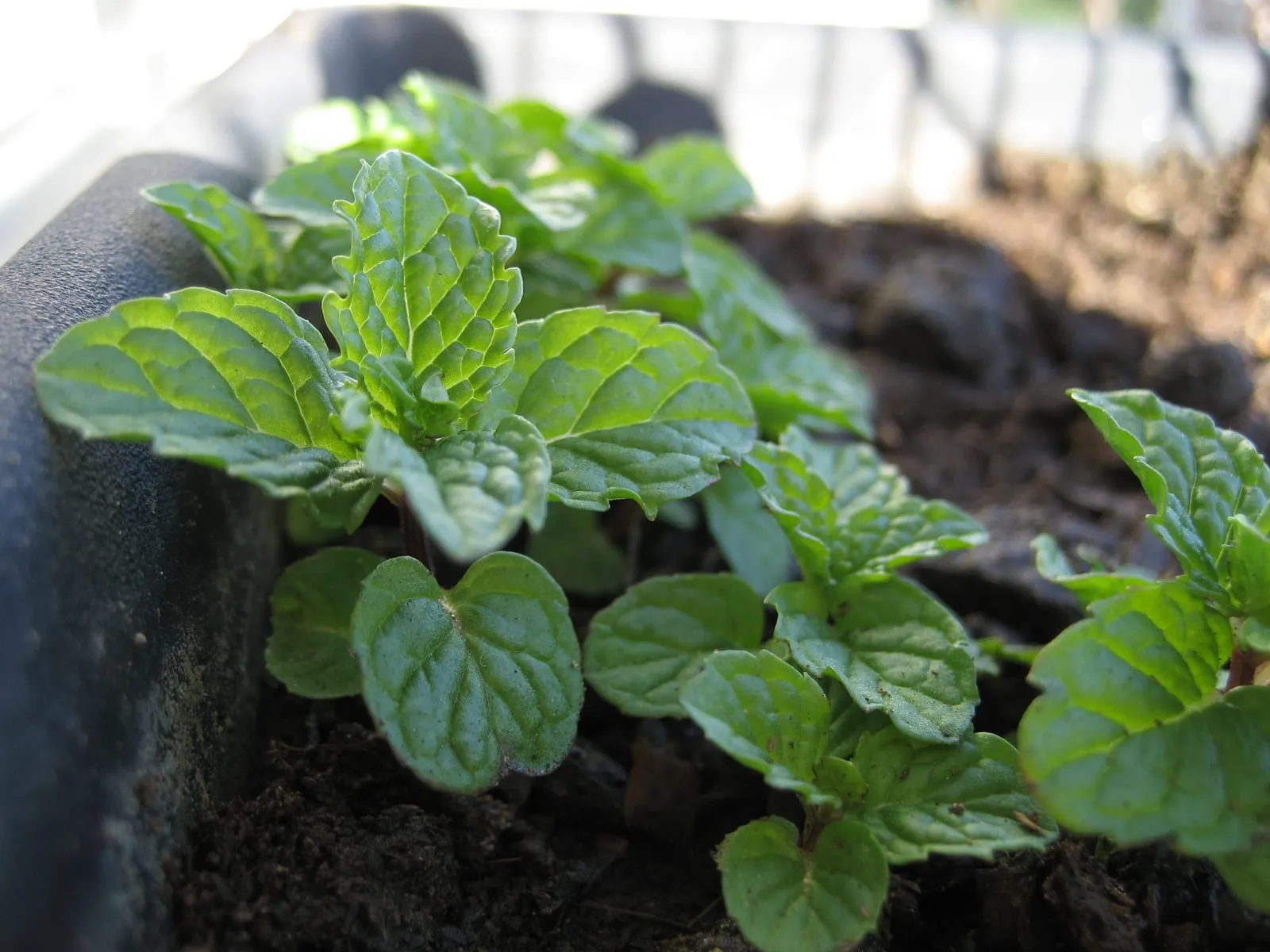
Image: "Mentha piperita (1)", by Vsolymossy, via Wikimedia Commons, licensed under CC-BY. Source.
.JPG)
Mint by zone
Related