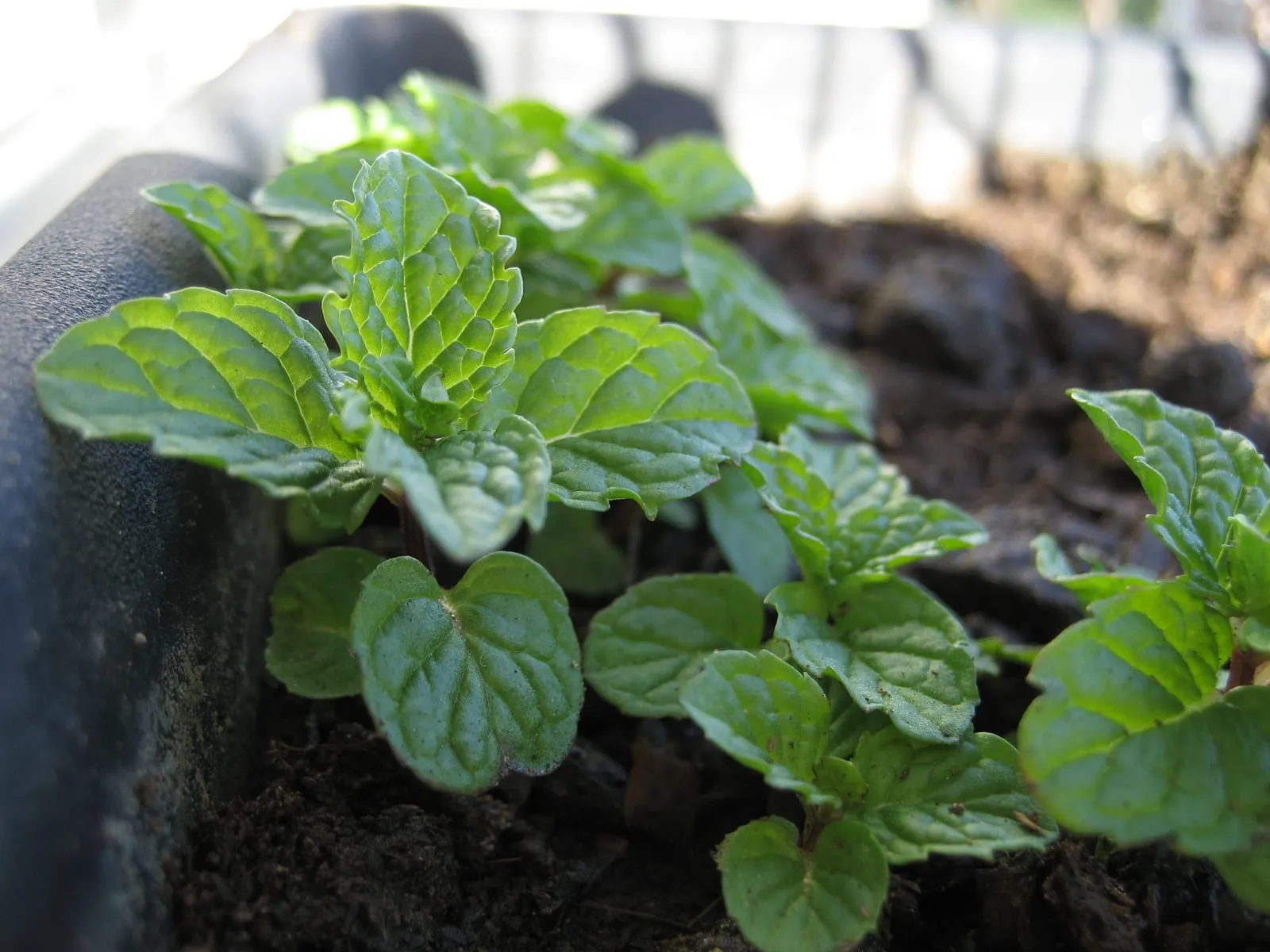
herb in zone 6b
Growing mint in zone 6b
Mentha species
- Zone
- 6b -5°F to 0°F
- Growing season
- 190 days
- Suitable varieties
- 4
- Days to harvest
- 60 to 90
The verdict
Zone 6b is a reliable growing environment for mint. Unlike fruit crops with specific chill-hour requirements, mint has no such threshold. It is a cold-hardy perennial that dies back to the soil surface each winter and re-emerges from its root system in spring. The zone's winter lows of -5 to 0°F are within the hardiness range of all four varieties in this dataset: Spearmint, Peppermint, Mojito, and Chocolate mint are all rated to at least zone 5 or 6. The 190-day growing season gives mint ample time to produce multiple flushes before hard frost. This is not a marginal zone for mint. The primary risk in zone 6b is not cold injury to established plants but rather erratic late-spring frosts catching early new growth, which typically recovers on its own without intervention.
Recommended varieties for zone 6b
4 cultivars suited to this zone, with disease-resistance and zone-fit annotations.
| Variety | Notes | Zone fit | Disease resistance |
|---|---|---|---|
| Spearmint fits zone 6b | Bright, sweet, classic mint flavor; the Mojito and tabbouleh mint. Tea, cocktails, lamb, fruit salads. Spreads aggressively by runners, plant in containers or barriers. | | none noted |
| Peppermint fits zone 6b | Sharp, cool, intense menthol; tea and confection mint. Tea, ice cream, chocolate combinations. Even more aggressive spreader than spearmint, container only. | | none noted |
| Mojito fits zone 6b | Sweet, less menthol than spearmint, citrus undertones; the Cuban mint. Mojitos, fresh summer cocktails, fruit. Slightly less aggressive spread than spearmint. | | none noted |
| Chocolate fits zone 6b | Mint with cocoa-chocolate undertones; novelty culinary mint. Desserts, cocktails, hot chocolate. Still aggressive, still container-only. | | none noted |
Critical timing for zone 6b
Mint breaks dormancy and sends up new shoots in zone 6b as soil temperatures approach 50°F, typically in late March to mid-April. First harvest of leaf material is usually possible by late April or May, once stems reach 4 to 6 inches. Left to its own cycle, mint blooms in mid to late summer, generally July through August. Flowering reduces leaf oil concentration and flavor intensity, so growers who prioritize culinary harvest usually cut plants back before bloom. The first hard frost in zone 6b, typically arriving in late October or early November depending on local conditions, ends the above-ground season. Plants go fully dormant shortly after.
Common challenges in zone 6b
- ▸ Cedar-apple rust
- ▸ Fire blight
- ▸ Stink bugs
Modified care for zone 6b
Mint in zone 6b requires little adaptation from standard practice. The cold winters do not threaten established rhizomes. A light mulch layer applied after the ground freezes can protect rhizomes in exposed or particularly cold microclimates, but most established plantings overwinter without any cover. The more pressing management concern in this zone is containment: mint spreads aggressively by underground stolons, and without barriers it will colonize adjacent beds within a single season. Planting in buried containers or root-barrier edging is standard practice. Stink bugs are noted as a regional challenge and can cause minor cosmetic damage to mint foliage, though the aromatic oils in mint offer some deterrent compared to fruiting crops. No additional disease management is flagged for this combination.
Frequently asked questions
- Does mint need any winter protection in zone 6b?
Established mint rhizomes survive zone 6b winters without protection in most situations. A thin mulch layer after the ground freezes can buffer against extreme cold in exposed spots, but it is generally unnecessary for healthy, in-ground plantings.
- Which mint varieties perform best in zone 6b?
Spearmint, Peppermint, Mojito, and Chocolate mint are all reliably hardy in zone 6b. Variety choice typically comes down to intended use rather than cold tolerance, since all four handle the zone's winter lows without difficulty.
- When should mint be cut back in zone 6b?
For culinary use, cut stems back to a few inches before the plant flowers in mid to late summer to preserve leaf flavor and encourage a second flush of growth. A final cutback after the first frost tidies the planting before winter dormancy.
+−
+−
+−
Mint in adjacent zones
Image: "Mentha piperita (1)", by Vsolymossy, via Wikimedia Commons, licensed under CC-BY Source.
.JPG)
Related