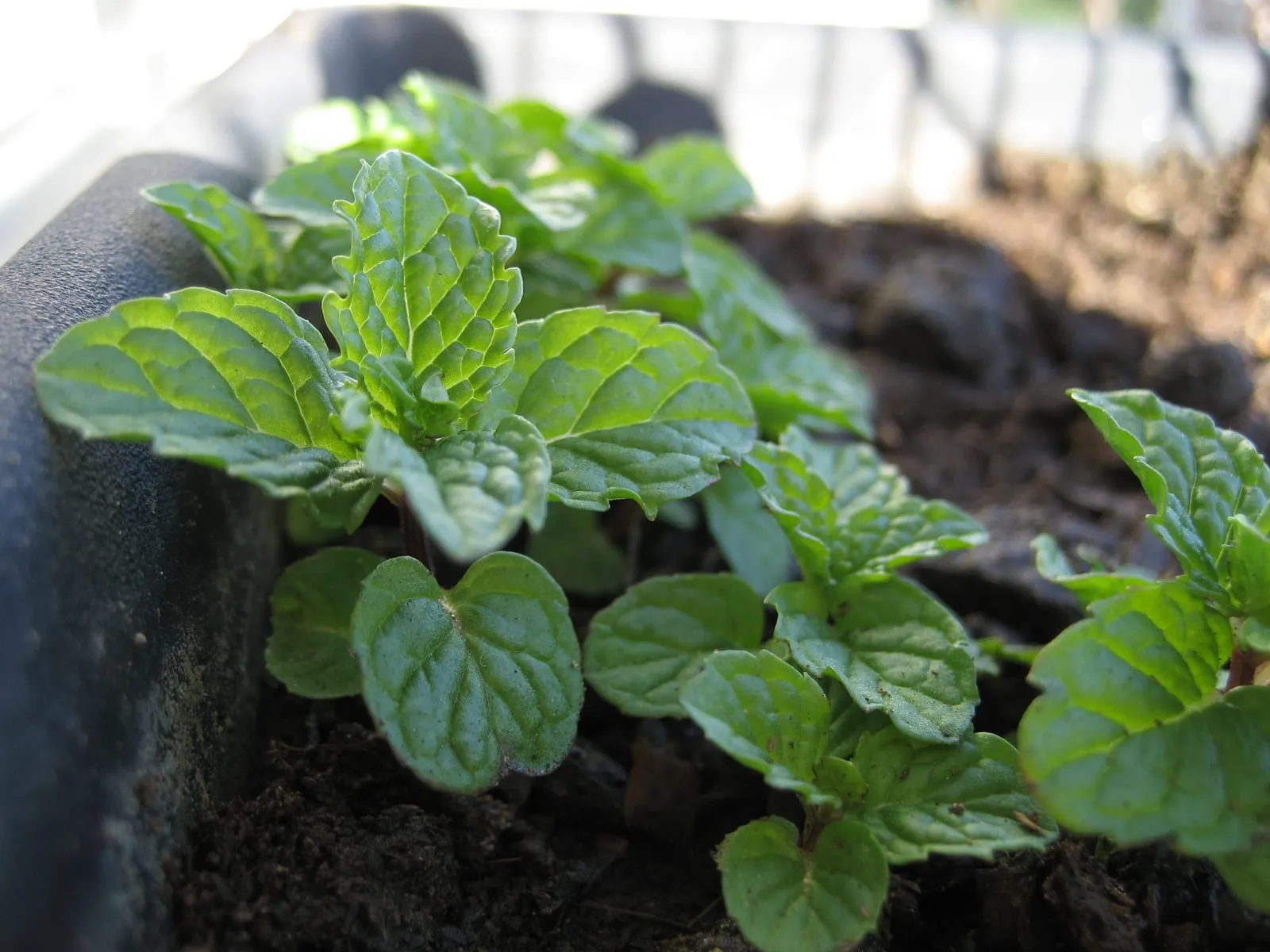
herb in zone 7a
Growing mint in zone 7a
Mentha species
- Zone
- 7a 0°F to 5°F
- Growing season
- 210 days
- Suitable varieties
- 4
- Days to harvest
- 60 to 90
The verdict
Mint is not a chill-hour crop, so zone 7a's winter minimum temperatures of 0 to 5°F present no particular barrier. Unlike fruit trees that require cold stratification to set fruit, mint simply goes dormant when temperatures drop and reliably resurfaces in spring once soil warms above roughly 50°F. Zone 7a's 210-day growing season gives the crop ample time to establish, spread, and produce multiple harvests before hard frost.
This is a sweet spot for mint, not a marginal zone. The combination of mild winters and long summers suits all four common varieties well: Spearmint, Peppermint, Mojito, and Chocolate mint all overwinter successfully without supplemental protection across most of zone 7a. The one caveat is the zone's characteristically high summer humidity, which can accelerate foliar fungal issues in crowded plantings. A site with good air movement and full to partial sun eliminates most of that risk.
Recommended varieties for zone 7a
4 cultivars suited to this zone, with disease-resistance and zone-fit annotations.
| Variety | Notes | Zone fit | Disease resistance |
|---|---|---|---|
| Spearmint fits zone 7a | Bright, sweet, classic mint flavor; the Mojito and tabbouleh mint. Tea, cocktails, lamb, fruit salads. Spreads aggressively by runners, plant in containers or barriers. | | none noted |
| Peppermint fits zone 7a | Sharp, cool, intense menthol; tea and confection mint. Tea, ice cream, chocolate combinations. Even more aggressive spreader than spearmint, container only. | | none noted |
| Mojito fits zone 7a | Sweet, less menthol than spearmint, citrus undertones; the Cuban mint. Mojitos, fresh summer cocktails, fruit. Slightly less aggressive spread than spearmint. | | none noted |
| Chocolate fits zone 7a | Mint with cocoa-chocolate undertones; novelty culinary mint. Desserts, cocktails, hot chocolate. Still aggressive, still container-only. | | none noted |
Critical timing for zone 7a
In zone 7a, mint typically breaks dormancy in late February to early March as soil temperatures climb out of the low 40s°F. Harvestable foliage arrives by April, and the first substantial cutting can occur before the midsummer bloom window, which generally falls in June through July. Cutting back at or just before bloom keeps leaf oils concentrated and delays the plant going to seed.
Zone 7a's first fall frost typically arrives in late October to mid-November, putting the outdoor harvest window at roughly seven months. After a hard frost the foliage deteriorates quickly, but the root system survives and returns the following spring. Growers wanting leaves into November can extend the season by three to four weeks with a cold frame or row cover placed over established beds.
Common challenges in zone 7a
- ▸ Cedar-apple rust
- ▸ Brown rot
- ▸ Fire blight
- ▸ High humidity disease pressure
Modified care for zone 7a
The main adjustment in zone 7a is managing the humidity-driven disease pressure that accompanies dense plantings. Mint spreads aggressively via stolons, and thick, congested patches trap moisture and invite rust and crown rot. Dividing clumps every two to three years, clearing dead center growth, and spacing new transplants at least 18 inches apart reduces disease incidence considerably without any chemical intervention.
Winter protection is generally unnecessary across zone 7a. The 0 to 5°F minimum kills foliage but not the crown, and established mint survives most winters without mulching. In colder microclimates near the lower end of the zone, a light layer of straw over the crown after the first hard frost provides insurance without smothering the plant.
Summer heat in zone 7a can trigger early bolting in Peppermint specifically; partial afternoon shade moderates this and extends the harvest window by two to three weeks.
Mint in adjacent zones
Image: "Mentha piperita (1)", by Vsolymossy, via Wikimedia Commons, licensed under CC-BY Source.
.JPG)
Related