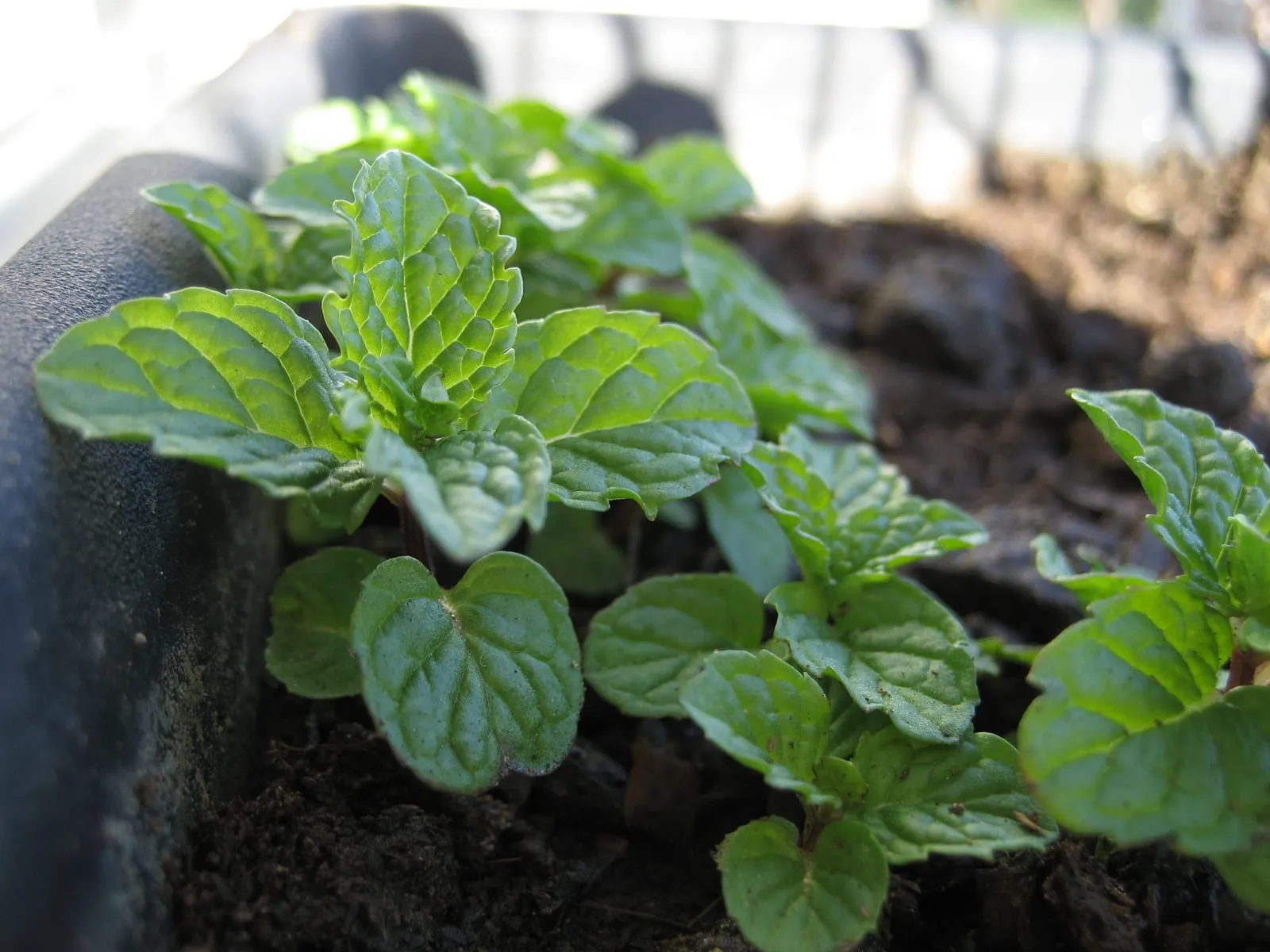
herb in zone 7b
Growing mint in zone 7b
Mentha species
- Zone
- 7b 5°F to 10°F
- Growing season
- 220 days
- Suitable varieties
- 4
- Days to harvest
- 60 to 90
The verdict
Zone 7b is a reliable and productive zone for mint, not a marginal one. Unlike fruit trees, mint has no chill-hour requirement, so the zone's minimum winter temperatures of 5 to 10°F present no barrier. Mint is hardy to zone 3 or 4, meaning it overwinters comfortably in zone 7b without mulching in most years and re-emerges each spring as a true perennial.
All four varieties suited to this zone, Spearmint, Peppermint, Mojito, and Chocolate mint, overwinter reliably here. Spearmint and Peppermint are the most cold-tolerant of the group and break dormancy earliest. Mojito and Chocolate mint are marginally less cold-hardy but still perennial in zone 7b under normal winters.
The 220-day growing season supports multiple harvests from April through October. The greater constraint in this zone is summer heat and humidity rather than winter cold. Peppermint in particular prefers cooler conditions and may show stress during the hottest weeks; afternoon shade and consistent soil moisture help offset this.
Recommended varieties for zone 7b
4 cultivars suited to this zone, with disease-resistance and zone-fit annotations.
| Variety | Notes | Zone fit | Disease resistance |
|---|---|---|---|
| Spearmint fits zone 7b | Bright, sweet, classic mint flavor; the Mojito and tabbouleh mint. Tea, cocktails, lamb, fruit salads. Spreads aggressively by runners, plant in containers or barriers. | | none noted |
| Peppermint fits zone 7b | Sharp, cool, intense menthol; tea and confection mint. Tea, ice cream, chocolate combinations. Even more aggressive spreader than spearmint, container only. | | none noted |
| Mojito fits zone 7b | Sweet, less menthol than spearmint, citrus undertones; the Cuban mint. Mojitos, fresh summer cocktails, fruit. Slightly less aggressive spread than spearmint. | | none noted |
| Chocolate fits zone 7b | Mint with cocoa-chocolate undertones; novelty culinary mint. Desserts, cocktails, hot chocolate. Still aggressive, still container-only. | | none noted |
Critical timing for zone 7b
Mint emerges from dormancy in late March to early April in zone 7b as soil temperatures climb above 50°F. Stems are typically harvestable at 6 to 8 inches by mid-April. The first spring flush is the most vigorous and tends to carry the strongest flavor.
Flowering occurs from July through August depending on variety. Flavor quality declines as plants approach bloom because essential oil concentration shifts. Cutting stems back by half before flower buds open extends the productive window and encourages a fresh flush of foliage.
Zone 7b's average last spring frost falls around March 20 to April 5, and first fall frost around November 1 to 15. Mint tolerates light frosts and continues producing into October. After a hard frost, top growth dies back to the ground; roots remain dormant through winter and do not require protection.
Common challenges in zone 7b
- ▸ Cedar-apple rust pressure heavy in piedmont
- ▸ Japanese beetles
- ▸ Brown marmorated stink bug
- ▸ Late summer disease pressure
Modified care for zone 7b
In zone 7b, management adjustments relative to cooler growing regions center on summer stress and pest pressure rather than winter hardiness.
Late summer humidity creates conditions favorable for powdery mildew and mint rust. Spacing plants to promote air circulation and avoiding overhead irrigation reduces incidence. Heavily affected stems can be cut back to the ground; new growth typically comes in clean.
Japanese beetles feed actively on mint foliage from late June through August. Hand-picking and targeted insecticidal soap applications are effective on small plantings. Brown marmorated stink bug can cause stippled, discolored foliage but rarely threatens plant survival.
Peppermint benefits from a 2 to 3 inch mulch layer to moderate summer soil temperature. Afternoon shade during the hottest weeks (July through August) is worth considering if leaf scorch appears.
Mint spreads aggressively by underground runners in zone 7b's long growing season. Planting in buried containers or installing a root barrier is standard practice where lateral spread is not wanted.
Frequently asked questions
- Does mint need to be replanted each year in zone 7b?
No. Mint is reliably perennial in zone 7b. Top growth dies back after hard frost, but roots overwinter without any special protection and re-emerge in late March to early April. Established clumps spread readily and can persist for many years.
- Which mint varieties perform best in zone 7b?
Spearmint, Peppermint, Mojito, and Chocolate mint all overwinter reliably in zone 7b. Spearmint and Peppermint are the most cold-tolerant. Mojito and Chocolate mint are marginally less hardy but still perennial under normal winters in this zone.
- How do you keep mint from taking over a garden bed in zone 7b?
Plant mint in a buried container (a 5-gallon pot with the bottom removed, sunk flush with soil level) or install a physical rhizome barrier at least 10 inches deep. Surface runners are easy to pull; underground rhizomes spread more persistently and need a physical barrier to stop them.
+−
+−
+−
Mint in adjacent zones
Image: "Mentha piperita (1)", by Vsolymossy, via Wikimedia Commons, licensed under CC-BY Source.
.JPG)
Related