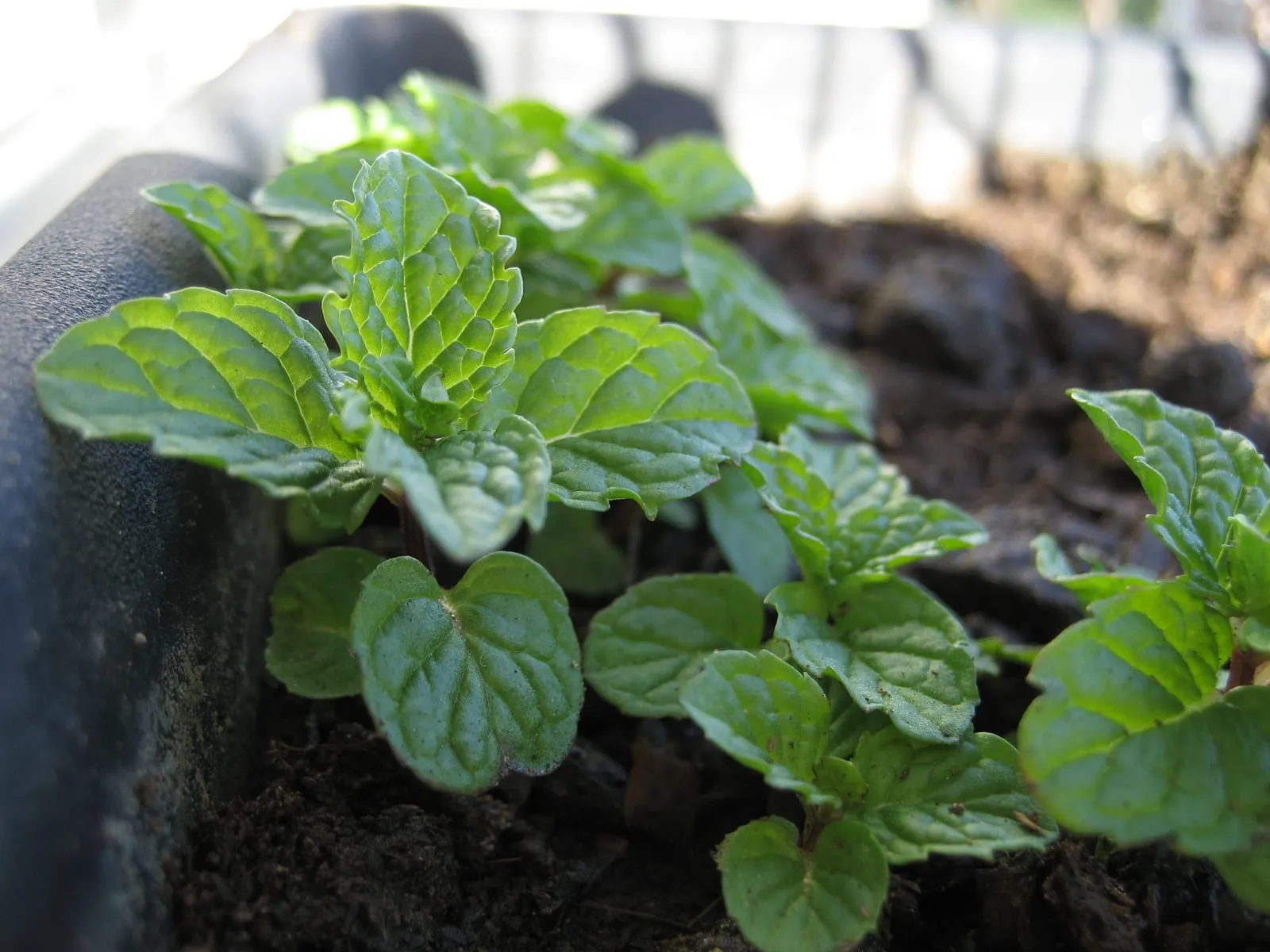
herb in zone 8a
Growing mint in zone 8a
Mentha species
- Zone
- 8a 10°F to 15°F
- Growing season
- 240 days
- Suitable varieties
- 2
- Days to harvest
- 60 to 90
The verdict
Mint is well-suited to zone 8a and performs reliably across most of the zone's range. Unlike fruit crops, mint has no meaningful chill-hour requirement. Its dormancy is triggered by day length and cold temperatures, not by accumulated chilling, so the zone's mild winters pose no compatibility problem. The 240-day growing season is generous: mint emerges early in spring, produces harvestable growth for most of the year, and dies back only briefly in the coldest months. In mild winters, roots may never fully go dormant.
Specialized varieties like Spearmint and Mojito mint both perform well here. The primary limiting factor in zone 8a is summer heat rather than cold. Extended periods above 90°F can cause mint to bolt, turn bitter, or decline in leaf quality. Afternoon shade and consistent moisture offset this. For most zone 8a growers, mint is a low-difficulty crop that requires more management for containment than for survival.
Recommended varieties for zone 8a
2 cultivars suited to this zone, with disease-resistance and zone-fit annotations.
| Variety | Notes | Zone fit | Disease resistance |
|---|---|---|---|
| Spearmint fits zone 8a | Bright, sweet, classic mint flavor; the Mojito and tabbouleh mint. Tea, cocktails, lamb, fruit salads. Spreads aggressively by runners, plant in containers or barriers. | | none noted |
| Mojito fits zone 8a | Sweet, less menthol than spearmint, citrus undertones; the Cuban mint. Mojitos, fresh summer cocktails, fruit. Slightly less aggressive spread than spearmint. | | none noted |
Critical timing for zone 8a
In zone 8a, mint breaks dormancy in late February or early March as soil temperatures warm. Harvestable leaves are typically available by late March or April, depending on whether plants were cut back the previous fall. Flowering begins in midsummer, generally July through August. Flavor quality peaks before flowering; once flower spikes emerge, leaves become more pungent and sometimes harsh.
Zone 8a's last frost typically falls between late January and mid-February, so spring growth is rarely interrupted by late freezes. First fall frost arrives in late November or December, giving a long harvest window. Cutting plants back hard in early fall can delay bolting and extend the productive season by several weeks.
Common challenges in zone 8a
- ▸ Insufficient chill hours for some apple varieties
- ▸ Pierce's disease in grapes
- ▸ Heat stress on cool-season crops
Modified care for zone 8a
The main zone 8a adjustment is managing summer heat stress. Mint grown in full sun during July and August in the warmer parts of the zone can bolt quickly and lose leaf quality. Afternoon shade, or planting on an east-facing exposure, reduces heat load without sacrificing morning productivity. Consistent irrigation matters more here than in cooler zones; mint wilts under drought and rebounds, but repeated stress shortens the harvest window.
Winter protection is rarely necessary in zone 8a. A light mulch over the root zone after the first frost helps maintain soil moisture and moderates temperature swings, but plants that die back will regrow reliably in spring. Containment is a more practical concern than protection: mint spreads aggressively via underground runners in warm soils, and raised beds or buried barriers prevent it from overtaking adjacent plantings.
Frequently asked questions
- Does mint need winter protection in zone 8a?
Generally no. Mint roots survive zone 8a winters without protection. A light mulch after the first frost helps retain soil moisture, but the plants will regrow in spring even without it. In the warmest parts of zone 8a, foliage may stay semi-evergreen through winter.
- Why does mint taste bitter in summer in zone 8a?
High summer temperatures accelerate bolting. Once mint sends up flower spikes, the leaves develop stronger, sometimes harsh, essential oil concentrations. Cutting back flower stems as soon as they appear and providing afternoon shade can delay this. Harvest leaves early in the day when temperatures are cooler for better flavor.
- How do you keep mint from taking over the garden in zone 8a?
Zone 8a's long warm season gives mint ample time to spread via underground runners. Planting in containers or burying a physical root barrier (a section of large pot or metal edging) at least 10 inches deep keeps runners contained. Dividing plants every two to three years also reduces vigor.
+−
+−
+−
Mint in adjacent zones
Image: "Mentha piperita (1)", by Vsolymossy, via Wikimedia Commons, licensed under CC-BY Source.
.JPG)
Related