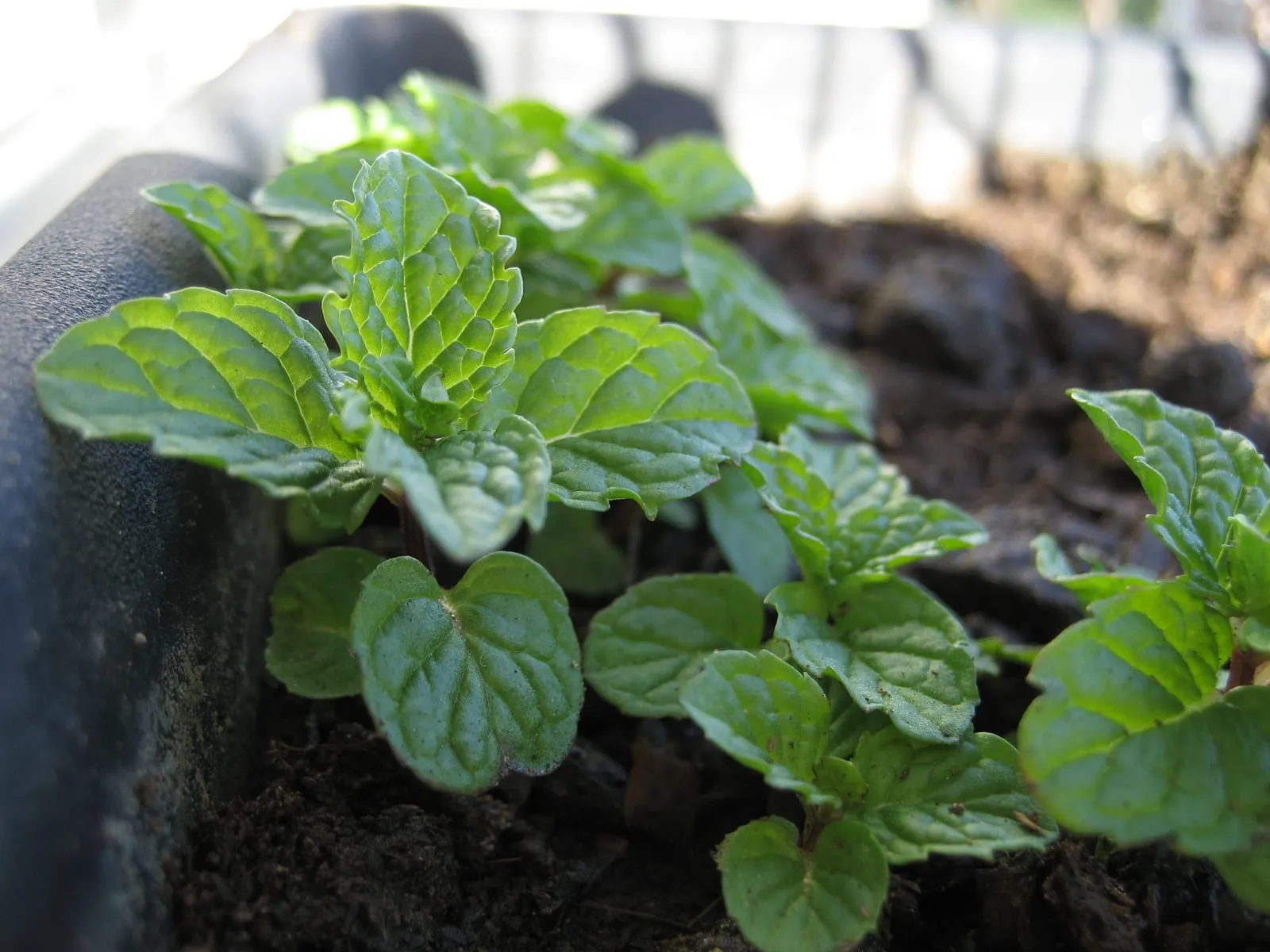
herb in zone 8b
Growing mint in zone 8b
Mentha species
- Zone
- 8b 15°F to 20°F
- Growing season
- 260 days
- Suitable varieties
- 0
- Days to harvest
- 60 to 90
The verdict
Zone 8b is a comfortable fit for mint, not a marginal one. Mint has no meaningful chill-hour requirement, so the zone challenges that constrain tree fruits simply do not apply here. The minimum winter temperatures of 15 to 20°F are cold enough to knock back top growth and trigger the brief dormancy that keeps perennial mint healthy, but not cold enough to kill established roots. Most mint species and cultivars are rated to zone 5 or colder, so zone 8b sits well within the comfortable end of the range.
The 260-day growing season means mint can be harvested across a very long window, often from late February through November with little interruption. The main limitation in zone 8b is not cold tolerance but summer heat and humidity, which can encourage rust, powdery mildew, and other foliar problems during the hottest months. Sandy soils, which are common in parts of zone 8b, present a secondary concern: nematode pressure can weaken root systems over time if the same bed is planted year after year.
Critical timing for zone 8b
In zone 8b, mint typically breaks dormancy in late February or early March, well ahead of zones where hard freezes persist into spring. Harvestable growth is usually available by mid-March. Flowering occurs from June through August depending on species; spearmint and peppermint tend to flower earlier than some of the ornamental mints.
Harvesting before flower initiation produces the most flavorful leaves, so a first major harvest in May or early June captures peak oil content. A second flush of growth follows after cutting back flowering stems. The first killing frost in zone 8b typically arrives in late November to mid-December, allowing late-season harvests well into fall. Mulching lightly after the first frost extends the productive window by a few weeks.
Common challenges in zone 8b
- ▸ Low chill hours limit apple variety selection
- ▸ Citrus greening risk
- ▸ Nematodes in sandy soils
Modified care for zone 8b
The primary management adjustment in zone 8b is containment: mint spreads by underground runners and will colonize adjacent beds quickly in the long growing season. Growing in buried containers or regularly edging beds prevents lateral spread.
Summer fungal pressure is higher in zone 8b than in cooler zones. Thinning plantings to improve airflow reduces rust and mildew incidence. Avoiding overhead irrigation in favor of drip or soaker methods also helps. In sandy soils, rotating mint plantings every two to three years reduces nematode buildup; adding compost improves both moisture retention and biological soil activity that suppresses nematode populations.
Winter protection is rarely needed for established roots in zone 8b. A thin layer of straw mulch after the first freeze protects root crowns in unusually cold winters and keeps early spring growth cleaner.
Frequently asked questions
- Does mint go dormant in zone 8b winters?
Yes, but only briefly. Top growth typically dies back after the first frost, but roots survive zone 8b winters without protection in most years. New growth re-emerges in late February or early March, earlier than in colder zones.
- Which mint varieties perform best in zone 8b?
Spearmint, peppermint, and chocolate mint all perform reliably in zone 8b. Pennyroyal tolerates the heat and humidity well. Vietnamese coriander mint handles summer conditions particularly well in the warmer parts of the zone.
- How do nematodes affect mint in zone 8b sandy soils?
Root-knot nematodes can reduce vigor and yields in sandy soils over time. Rotating mint plantings every two to three years and incorporating compost are the most practical management strategies for home growers.
+−
+−
+−
Mint in adjacent zones
Image: "Mentha piperita (1)", by Vsolymossy, via Wikimedia Commons, licensed under CC-BY Source.
.JPG)
Related