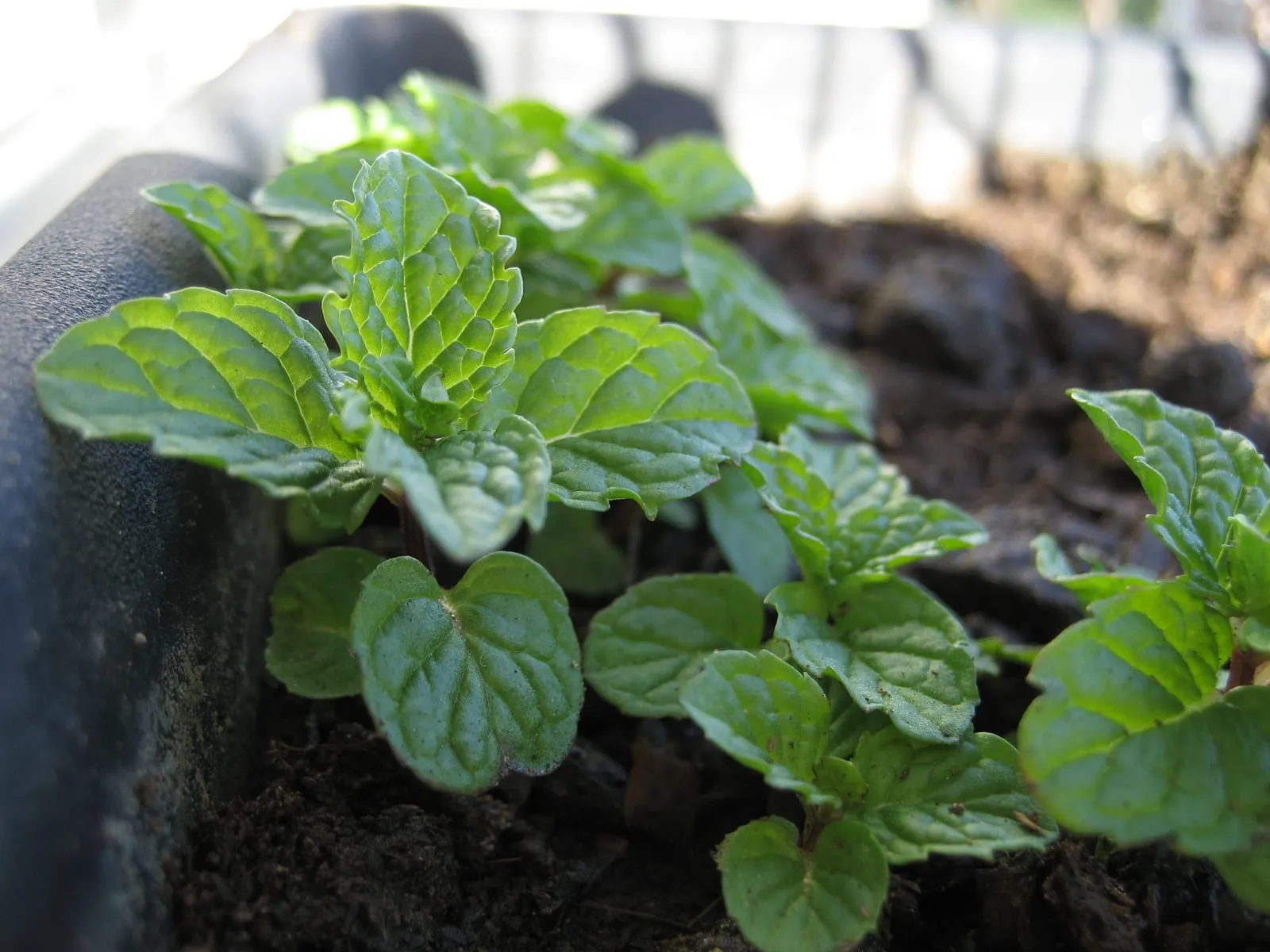
herb in zone 9a
Growing mint in zone 9a
Mentha species
- Zone
- 9a 20°F to 25°F
- Growing season
- 290 days
- Suitable varieties
- 0
- Days to harvest
- 60 to 90
The verdict
Mint is a reliable perennial through zone 9a, though the warm edge of its range introduces heat stress rather than cold risk. Chill hours are not a factor here: mint has no vernalization requirement, so the zone 9a minimum of 20 to 25°F poses no compatibility problem. The 290-day growing season suits the plant's aggressive, fast-recovering habit well.
The real constraint in zone 9a is summer heat. Mint's preferred temperature range runs cooler than what much of this zone delivers from June through September. In the hottest microclimates, plants may go partially dormant or produce smaller, coarser leaves during peak summer. A site with afternoon shade and consistent soil moisture offsets much of this. For most zone 9a growers in coastal California, along the Gulf Coast, or in South Texas, mint performs as a near-year-round perennial with only minor summer setbacks.
Critical timing for zone 9a
In zone 9a, mint resumes vigorous growth in late February or early March, well ahead of any frost risk. Spring is the peak production window, with harvests available from March through May before heat sets in. Flower stalks typically emerge from May into July depending on cultivar and location; harvesting leaf stems just as buds form preserves the highest essential oil concentration.
A second productive period often follows from September through November as temperatures moderate. In the mildest zone 9a areas, such as coastal strips or southern Florida, mint may remain semi-active through the winter months rather than going fully dormant. The zone's minimal frost exposure means winter kill is rarely a concern, though a brief cold snap to the low end of the 9a range can knock back foliage without killing established roots.
Common challenges in zone 9a
- ▸ Limited stone fruit options due to insufficient chill
- ▸ Hurricane and tropical storm exposure
- ▸ Citrus disease pressure
Modified care for zone 9a
Zone 9a growers need to shift management focus from winter protection to summer mitigation. Unlike growers in zones 5 to 7, mulching for cold protection is largely unnecessary; instead, 2 to 3 inches of organic mulch serves to retain moisture and moderate soil temperature during hot months.
Afternoon shade, from a trellis, a wall, or taller companion plants, reduces leaf scorch and slows bolting. Irrigation should be consistent rather than deep-and-infrequent; mint in hot weather wilts noticeably when soil dries between waterings. Powdery mildew and mint rust are the primary disease concerns in humid zone 9a regions, particularly along the Gulf Coast. Thinning crowded stems improves airflow and reduces incidence. Containment remains essential regardless of zone: even in summer heat, mint spreads aggressively by underground runners and will colonize adjacent beds if left unmanaged.
Frequently asked questions
- Does mint survive winter in zone 9a?
Yes. Zone 9a winters are mild enough that established mint roots survive without protection. Foliage may die back after a cold snap, but the root system persists and sends up new growth in late winter or early spring.
- Why does mint look ragged in summer in zone 9a?
Heat stress causes leaf scorch, accelerated bolting, and reduced oil content in warm-zone summers. Afternoon shade, consistent moisture, and cutting plants back by half in June can help them recover before the fall growing window.
- Can mint be grown year-round in zone 9a?
In most of zone 9a, mint produces usable foliage for nine to ten months of the year, with a slowdown rather than full dormancy in midsummer heat. In the coolest parts of the zone, a brief winter dormancy is normal and the plant rebounds by late February.
+−
+−
+−
Mint in adjacent zones
Image: "Mentha piperita (1)", by Vsolymossy, via Wikimedia Commons, licensed under CC-BY Source.
.JPG)
Related