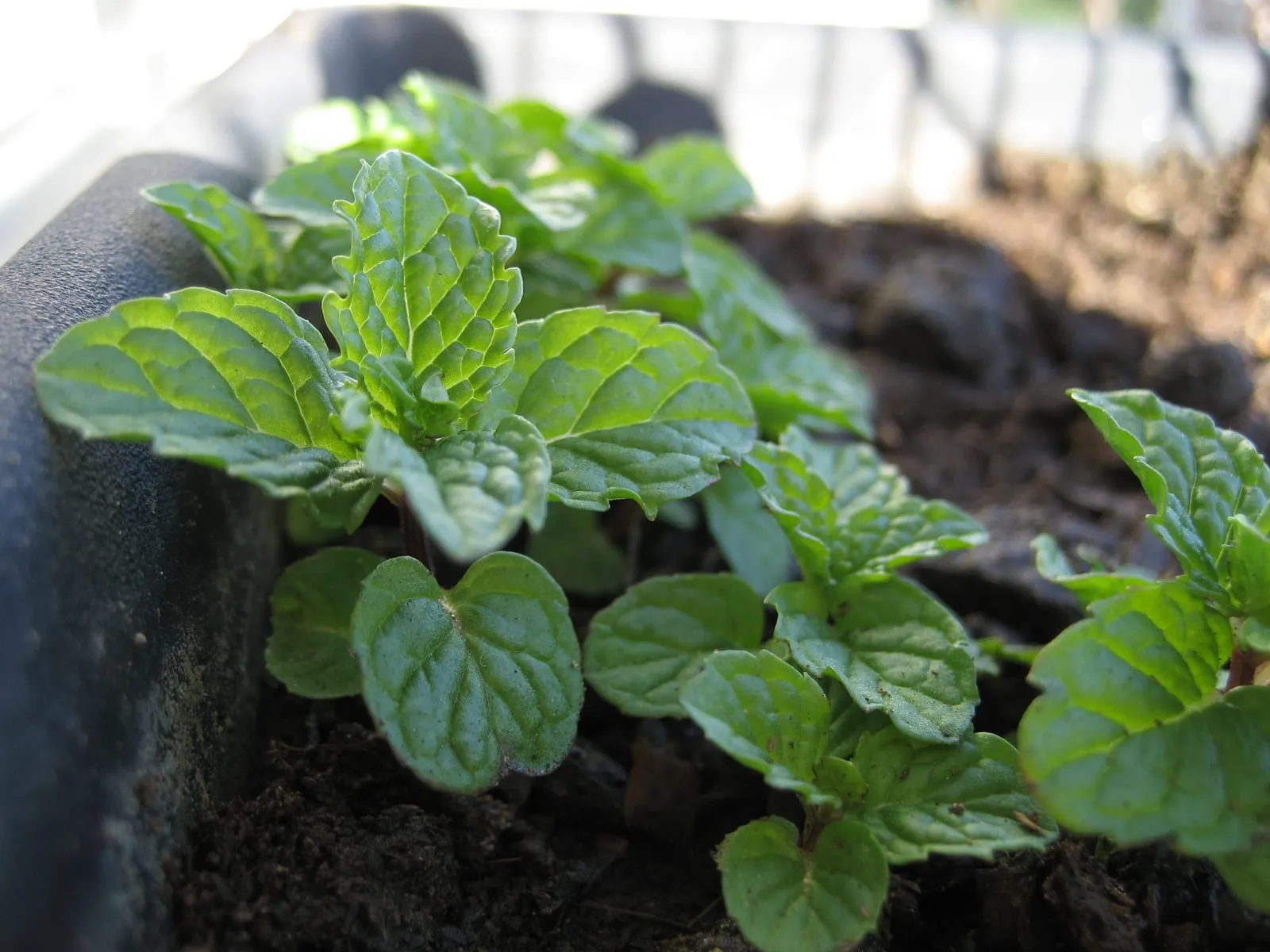
herb in zone 9b
Growing mint in zone 9b
Mentha species
- Zone
- 9b 25°F to 30°F
- Growing season
- 310 days
- Suitable varieties
- 0
- Days to harvest
- 60 to 90
The verdict
Mint is one of the more zone-flexible herbs, and zone 9b suits it reasonably well for most of the calendar year. Unlike fruit trees, mint has no meaningful chill-hour requirement, so the warm winters that disqualify many stone fruits are not a limiting factor here. The 310-day growing season gives mint ample time to establish, spread, and produce harvestable foliage across multiple flushes.
The principal challenge in zone 9b is summer heat rather than winter cold. Sustained temperatures above 95°F, common inland during July and August, can cause leaf scorch, wilting, and reduced oil content in the foliage. Coastal locations contend with salt spray instead, which can desiccate the tender leaf margins. Neither condition kills established mint outright, but both degrade harvest quality during peak summer. Zone 9b is best described as a workable zone for mint with a summer management caveat, not a sweet spot the way cooler zones 6 through 8 are.
Critical timing for zone 9b
In zone 9b, mint behaves almost as a year-round perennial rather than a plant that fully dies back in winter. Minimum temperatures of 25 to 30°F rarely persist long enough to kill the root system, and foliage often remains through December and into January before any frost causes dieback.
Harvest windows effectively run from late February or early March through June, then again from September through November once summer heat eases. The midsummer lull, when foliage flavor drops and plants look stressed, is the functional rest period in this zone rather than winter dormancy. Flowering typically occurs from May through August; pinching flower buds as they form extends the productive leaf harvest. Letting plants bloom signals the end of peak leaf quality for that flush.
Common challenges in zone 9b
- ▸ Heat stress in summer
- ▸ Insufficient chill for most apples
- ▸ Salt spray near coasts
Modified care for zone 9b
The most important adjustment for zone 9b is irrigation. Mint prefers consistently moist soil, and the combination of long dry summers and high evapotranspiration rates means it will need more frequent watering than in cooler regions. Mulching heavily around the base helps retain soil moisture and moderate root-zone temperatures.
Afternoon shade becomes genuinely useful in July and August, particularly for inland locations where temperatures regularly exceed 95°F. A shade cloth at 30 to 40 percent or placement near a taller crop that blocks western sun can preserve leaf quality through the worst heat. Winter protection is rarely necessary; a light frost cloth on nights when temperatures dip toward the zone minimum of 25°F is adequate insurance for tender above-ground growth. Container growing is worth considering regardless of zone, since mint spreads aggressively via underground runners, and containers simplify heat management by allowing growers to move plants to cooler spots during extreme weather.
Mint in adjacent zones
Image: "Mentha piperita (1)", by Vsolymossy, via Wikimedia Commons, licensed under CC-BY Source.
.JPG)
Related