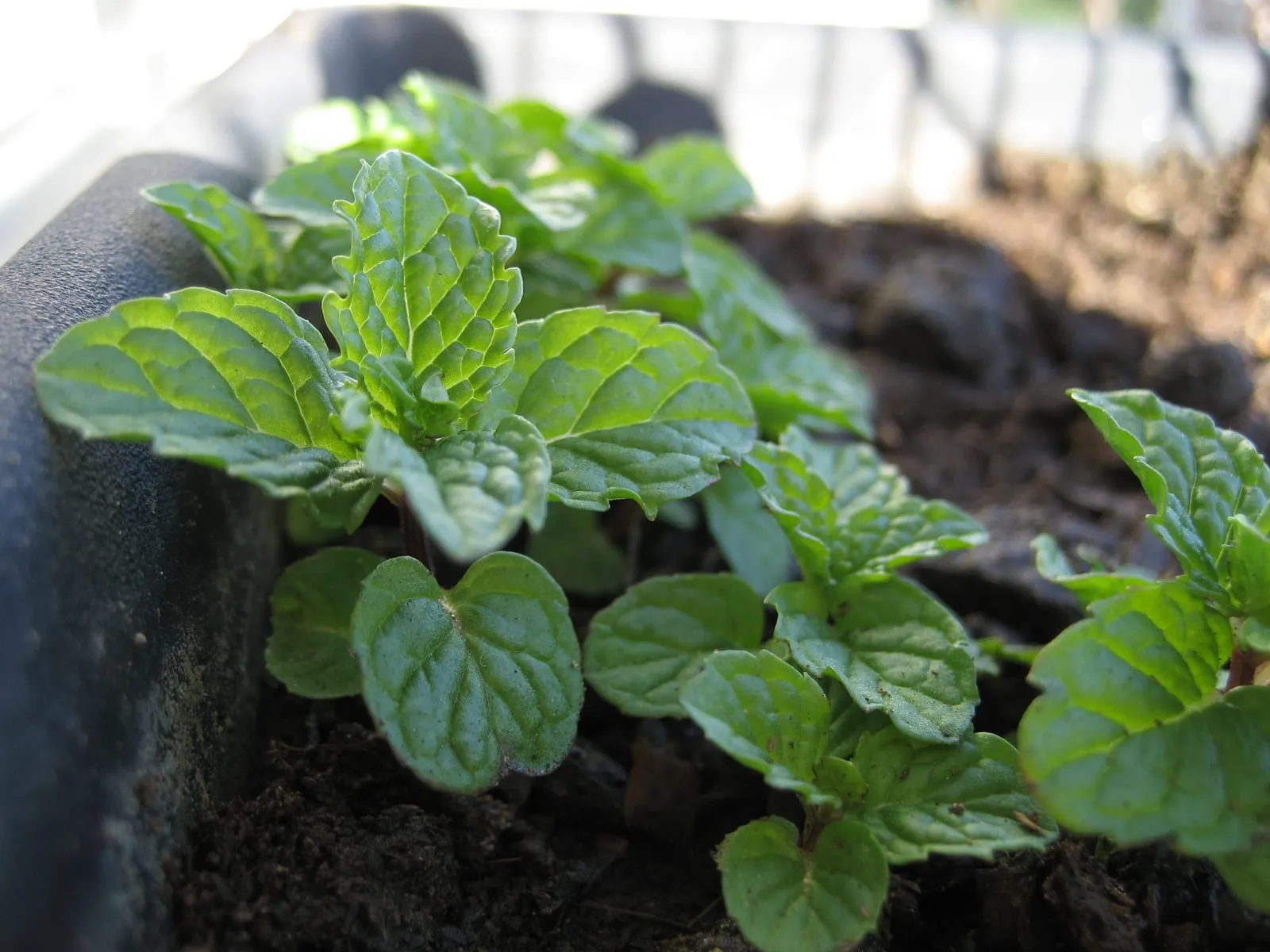
herb in zone 6a
Growing mint in zone 6a
Mentha species
- Zone
- 6a -10°F to -5°F
- Growing season
- 180 days
- Suitable varieties
- 4
- Days to harvest
- 60 to 90
The verdict
Mint is a reliable perennial in zone 6a. As a cold-hardy plant rated to zone 3 or 4, the -10 to -5°F winter minimum that defines zone 6a poses no meaningful threat to established roots. The 180-day growing season gives mint ample time to establish, spread, and produce multiple harvests from late spring through early fall.
Chill-hour accumulation is not relevant for mint the way it is for fruit crops. Mint does not require a cold dormancy period to bloom or produce; it dies back to the rootstock in winter and re-emerges in spring when soil warms. Zone 6a winters trigger that dormancy without damaging the plant.
All four varieties suited to this zone (Spearmint, Peppermint, Mojito, Chocolate) are reliably perennial here. None of them occupy a marginal edge of their hardiness range in zone 6a. This combination sits squarely within the crop's preferred band, not at its limits.
Recommended varieties for zone 6a
4 cultivars suited to this zone, with disease-resistance and zone-fit annotations.
| Variety | Notes | Zone fit | Disease resistance |
|---|---|---|---|
| Spearmint fits zone 6a | Bright, sweet, classic mint flavor; the Mojito and tabbouleh mint. Tea, cocktails, lamb, fruit salads. Spreads aggressively by runners, plant in containers or barriers. | | none noted |
| Peppermint fits zone 6a | Sharp, cool, intense menthol; tea and confection mint. Tea, ice cream, chocolate combinations. Even more aggressive spreader than spearmint, container only. | | none noted |
| Mojito fits zone 6a | Sweet, less menthol than spearmint, citrus undertones; the Cuban mint. Mojitos, fresh summer cocktails, fruit. Slightly less aggressive spread than spearmint. | | none noted |
| Chocolate fits zone 6a | Mint with cocoa-chocolate undertones; novelty culinary mint. Desserts, cocktails, hot chocolate. Still aggressive, still container-only. | | none noted |
Critical timing for zone 6a
Mint breaks dormancy and pushes new growth in mid-March to early April in zone 6a, typically two to four weeks before the last frost. Emerging shoots tolerate light freezes without significant setback. First harvest can begin once stems reach 4 to 5 inches, usually in late April or May depending on the spring.
Blooms appear mid to late summer, generally July through August. Flavor concentration is highest just before flowering; growers who prioritize culinary use cut stems hard before flower buds open to keep the plant in a vegetative state. After the first hard frost in October, top growth collapses and the plant enters dormancy. With 180 days available between frosts, two or three substantial harvests per season are practical without stressing the plant.
Common challenges in zone 6a
- ▸ Brown rot in stone fruit
- ▸ Japanese beetles
- ▸ Spring frost damage to peach buds
Modified care for zone 6a
The primary zone 6a adjustment for mint is containment, not winter protection. The long growing season gives rhizomes ample time to colonize adjacent beds. Growing mint in buried containers, fabric barriers, or raised beds with physical edging prevents unwanted spread into vegetable rows or lawn edges.
Winter protection is generally unnecessary for established plants, which survive zone 6a minimums without mulching. A light straw mulch over the root zone applied in November can accelerate spring emergence by a week or two, which may matter to growers harvesting early. New transplants set out in August or later benefit from mulch in their first winter.
Japanese beetles, documented pressure in zone 6a, occasionally feed on mint foliage. Damage is typically cosmetic rather than plant-threatening. On a culinary crop, hand-picking in early morning when beetles are sluggish is preferable to insecticide applications.
Frequently asked questions
- Does mint need winter protection in zone 6a?
Established mint does not. The root system survives zone 6a minimums of -10 to -5°F without mulching. New transplants set out late in the season can benefit from a light straw mulch their first winter to insulate the root zone before it is well established.
- When is the best time to harvest mint in zone 6a?
First harvest is typically possible in late April or May once stems reach 4 to 5 inches. Flavor is strongest just before the plant flowers in mid-summer, so cutting heavily in late June or early July captures peak aromatic oils. A second or third cut is practical before the first fall frost in October.
- Which mint varieties perform best in zone 6a?
Spearmint and Peppermint are the most cold-tolerant and widely grown in zone 6a. Mojito mint and Chocolate mint are also reliably perennial here. All four die back to the roots in winter and re-emerge in spring without special protection.
- Will mint spread and take over my garden in zone 6a?
Yes, this is the main management concern in zone 6a. The 180-day growing season gives underground runners substantial time to spread. Planting in buried containers or edged raised beds is the most effective way to limit spread without sacrificing vigor.
+−
+−
+−
+−
Mint in adjacent zones
Image: "Mentha piperita (1)", by Vsolymossy, via Wikimedia Commons, licensed under CC-BY Source.
.JPG)
Related