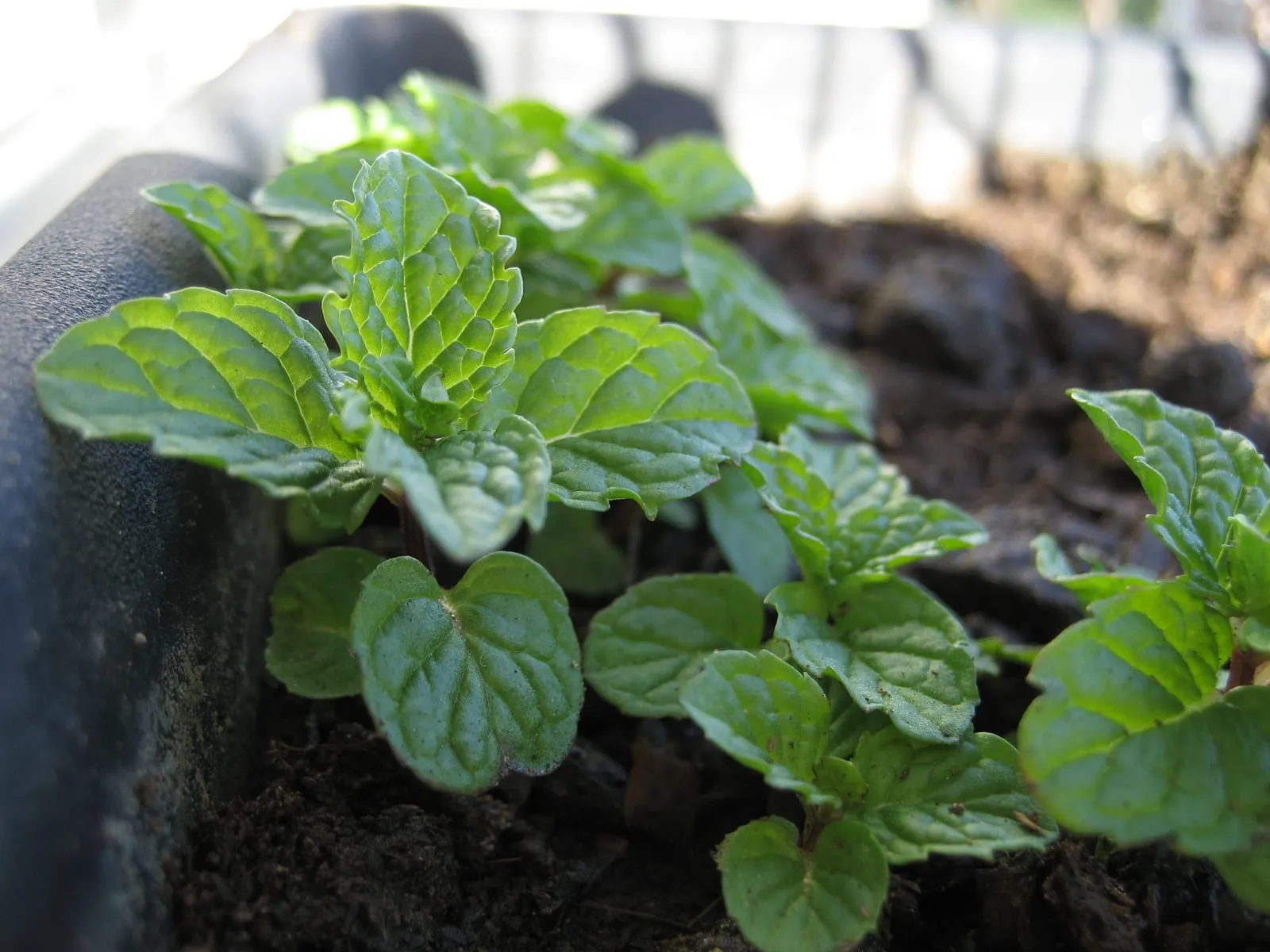
herb in zone 5b
Growing mint in zone 5b
Mentha species
- Zone
- 5b -15°F to -10°F
- Growing season
- 165 days
- Suitable varieties
- 4
- Days to harvest
- 60 to 90
The verdict
Mint is cold-hardy to USDA zones 3 and 4, making zone 5b a reliable sweet spot rather than a marginal case. Winter minimums of -15 to -10°F fall within the plant's natural tolerance, and roots survive underground without supplemental heat. Unlike fruit trees, mint carries no meaningful chill-hour requirement; it simply goes dormant as temperatures drop and re-emerges when soil warms in spring.
Zone 5b's 165-day growing season is more than sufficient for multiple harvests across the window. The binding constraint in this zone is not cold hardiness but containment: mint spreads aggressively via underground rhizomes, and the long, warm summers accelerate that spread. Planting in buried containers or dedicated raised beds keeps it from colonizing adjacent plantings.
All four of the recommended varieties (Spearmint, Peppermint, Mojito, and Chocolate) overwinter reliably in this zone without special protection under most conditions.
Recommended varieties for zone 5b
4 cultivars suited to this zone, with disease-resistance and zone-fit annotations.
| Variety | Notes | Zone fit | Disease resistance |
|---|---|---|---|
| Spearmint fits zone 5b | Bright, sweet, classic mint flavor; the Mojito and tabbouleh mint. Tea, cocktails, lamb, fruit salads. Spreads aggressively by runners, plant in containers or barriers. | | none noted |
| Peppermint fits zone 5b | Sharp, cool, intense menthol; tea and confection mint. Tea, ice cream, chocolate combinations. Even more aggressive spreader than spearmint, container only. | | none noted |
| Mojito fits zone 5b | Sweet, less menthol than spearmint, citrus undertones; the Cuban mint. Mojitos, fresh summer cocktails, fruit. Slightly less aggressive spread than spearmint. | | none noted |
| Chocolate fits zone 5b | Mint with cocoa-chocolate undertones; novelty culinary mint. Desserts, cocktails, hot chocolate. Still aggressive, still container-only. | | none noted |
Critical timing for zone 5b
Mint breaks dormancy in early spring when soil temperatures consistently reach 50°F, typically late April to early May in zone 5b following the final frost. Active leaf production runs through June and into July, and plants reach peak harvest size before midsummer heat triggers bolting.
Bloom occurs mid-to-late summer, generally July through August depending on conditions. Leaf quality and essential oil concentration drop once flowering begins, so successive harvests in June and early July capture the most aromatic foliage. Cutting plants back at the start of bloom encourages a second flush of vegetative growth.
The first fall frost, arriving in October for most zone 5b locations, signals the end of the growing season. Plants that are cut back in late summer often produce a brief flush of new growth before cold ends productivity.
Common challenges in zone 5b
- ▸ Plum curculio
- ▸ Codling moth
- ▸ Cedar-apple rust
Modified care for zone 5b
Zone 5b growers can keep mint largely low-maintenance, but a few seasonal adjustments improve long-term performance. After the first hard frost, cutting stems to soil level and applying 2 to 3 inches of straw mulch over the crown protects rhizomes through periods of deep freeze. Remove the mulch promptly after the last spring frost date to prevent crown rot as temperatures rise.
The pest complex commonly noted for zone 5b (codling moth, plum curculio) targets tree fruit and poses little threat to herbs. Mint in this zone faces different pressure: aphids and spider mites during hot, dry spells in July and August, and occasional rust (Puccinia menthae) in cool, wet springs. Rust rarely warrants chemical treatment; removing and disposing of affected stems is usually sufficient. Consistent harvesting throughout the season also reduces disease pressure by improving air circulation through the planting.
Mint in adjacent zones
Image: "Mentha piperita (1)", by Vsolymossy, via Wikimedia Commons, licensed under CC-BY Source.
.JPG)
Related