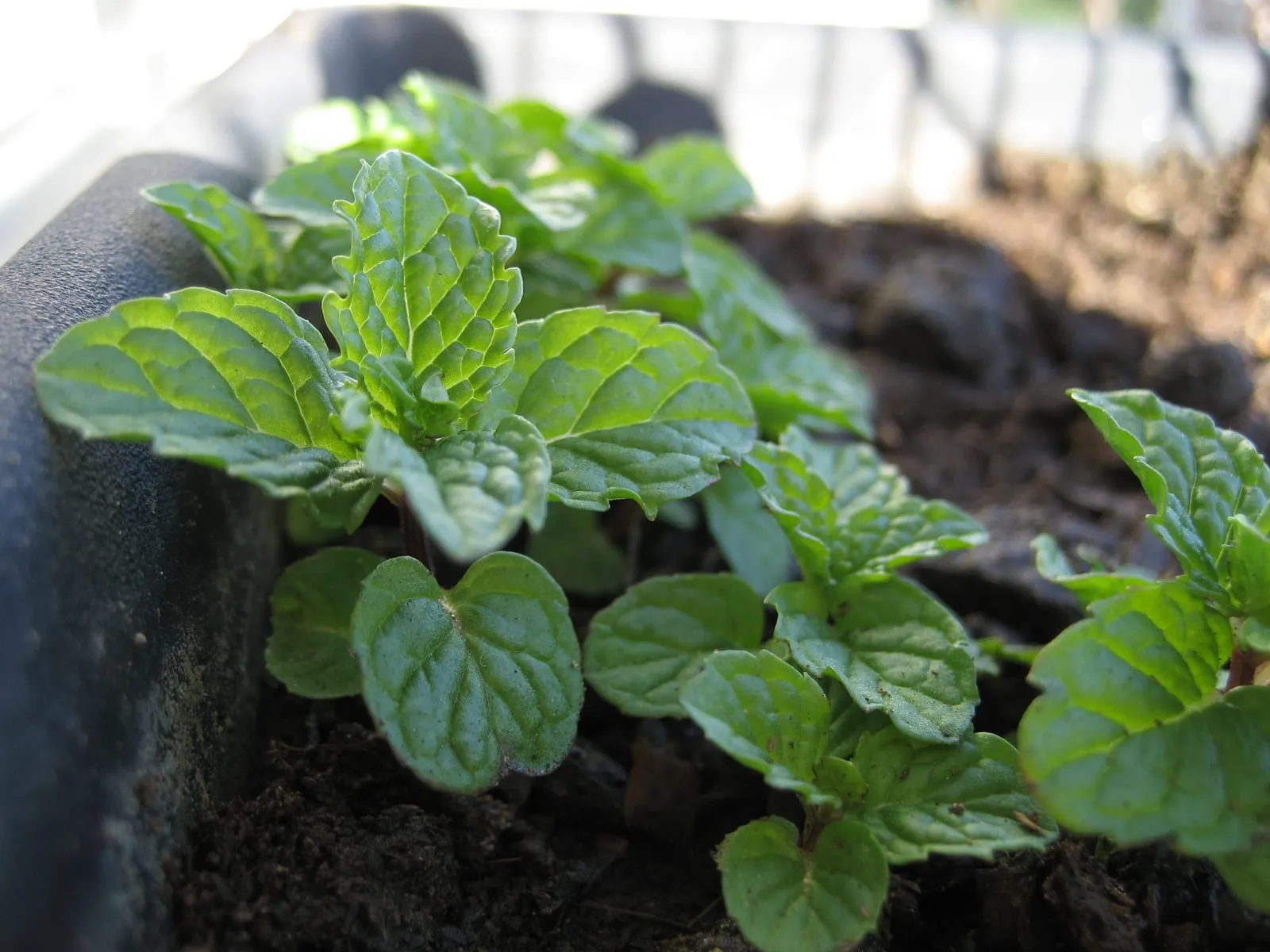
herb in zone 5a
Growing mint in zone 5a
Mentha species
- Zone
- 5a -20°F to -15°F
- Growing season
- 150 days
- Suitable varieties
- 4
- Days to harvest
- 60 to 90
The verdict
Mint is well-suited to zone 5a and this is not a marginal case. As a cold-hardy perennial, mint tolerates winter lows down to -20°F (-29°C), which sits at the floor of zone 5a's range. The 150-day growing season provides more than enough time for multiple harvests before hard frost returns.
Unlike fruit trees, mint has no chill-hour requirement. It resumes growth when soil temperatures reach roughly 50°F in spring, then dies back to the root in fall and overwinters as underground rhizomes. This cycle repeats reliably in zone 5a for all four varieties in the input data: Spearmint, Peppermint, Mojito, and Chocolate mint.
The real limiting factor in zone 5a is not winter cold but late spring frosts that can burn back tender new growth in April and May. That is a timing and protection issue, not a suitability issue. Established plants will recover from frost setback.
Recommended varieties for zone 5a
4 cultivars suited to this zone, with disease-resistance and zone-fit annotations.
| Variety | Notes | Zone fit | Disease resistance |
|---|---|---|---|
| Spearmint fits zone 5a | Bright, sweet, classic mint flavor; the Mojito and tabbouleh mint. Tea, cocktails, lamb, fruit salads. Spreads aggressively by runners, plant in containers or barriers. | | none noted |
| Peppermint fits zone 5a | Sharp, cool, intense menthol; tea and confection mint. Tea, ice cream, chocolate combinations. Even more aggressive spreader than spearmint, container only. | | none noted |
| Mojito fits zone 5a | Sweet, less menthol than spearmint, citrus undertones; the Cuban mint. Mojitos, fresh summer cocktails, fruit. Slightly less aggressive spread than spearmint. | | none noted |
| Chocolate fits zone 5a | Mint with cocoa-chocolate undertones; novelty culinary mint. Desserts, cocktails, hot chocolate. Still aggressive, still container-only. | | none noted |
Critical timing for zone 5a
Mint breaks dormancy in mid- to late April in zone 5a, once soil temperatures consistently exceed 50°F. New shoots emerging in April are frost-tender, and late spring frosts remain a risk through mid-May in most of the zone.
First harvest is typically possible by late May or early June, once stems reach 4 to 6 inches. A second and third harvest follow at roughly 4 to 6 week intervals through the season. Mint blooms July through August in zone 5a; flowering marks the point of highest essential oil concentration in the leaves and is the preferred harvest window for culinary and tea use.
Top growth dies back after the first hard frost, usually in October. Cut stems to the ground at that point. The plant carries over as dormant rhizomes until the following spring.
Common challenges in zone 5a
- ▸ Fire blight in pears
- ▸ Cedar-apple rust
- ▸ Late spring frosts
Modified care for zone 5a
The main adjustment for zone 5a is protecting new growth during the late spring frost window. Shoots emerging in April can be damaged on nights that drop below 28°F; a light row cover on those nights prevents setback without restricting daytime growth. Remove the cover once the frost-free date has reliably passed, typically late May.
After the first hard frost in fall, apply 2 to 3 inches of straw or shredded leaf mulch over the planting area. This insulates rhizomes during deep cold snaps and, more importantly, buffers the freeze-thaw cycles of early spring that can heave roots out of the soil.
Mint grown in containers requires extra attention. Pot-grown plants lack the insulation that in-ground soil provides; move containers into an unheated garage or shed before temperatures fall below 10°F. In-ground plants in zone 5a typically need no supplemental watering or shade modifications compared to warmer parts of mint's range.
Mint in adjacent zones
Image: "Mentha piperita (1)", by Vsolymossy, via Wikimedia Commons, licensed under CC-BY Source.
.JPG)
Related