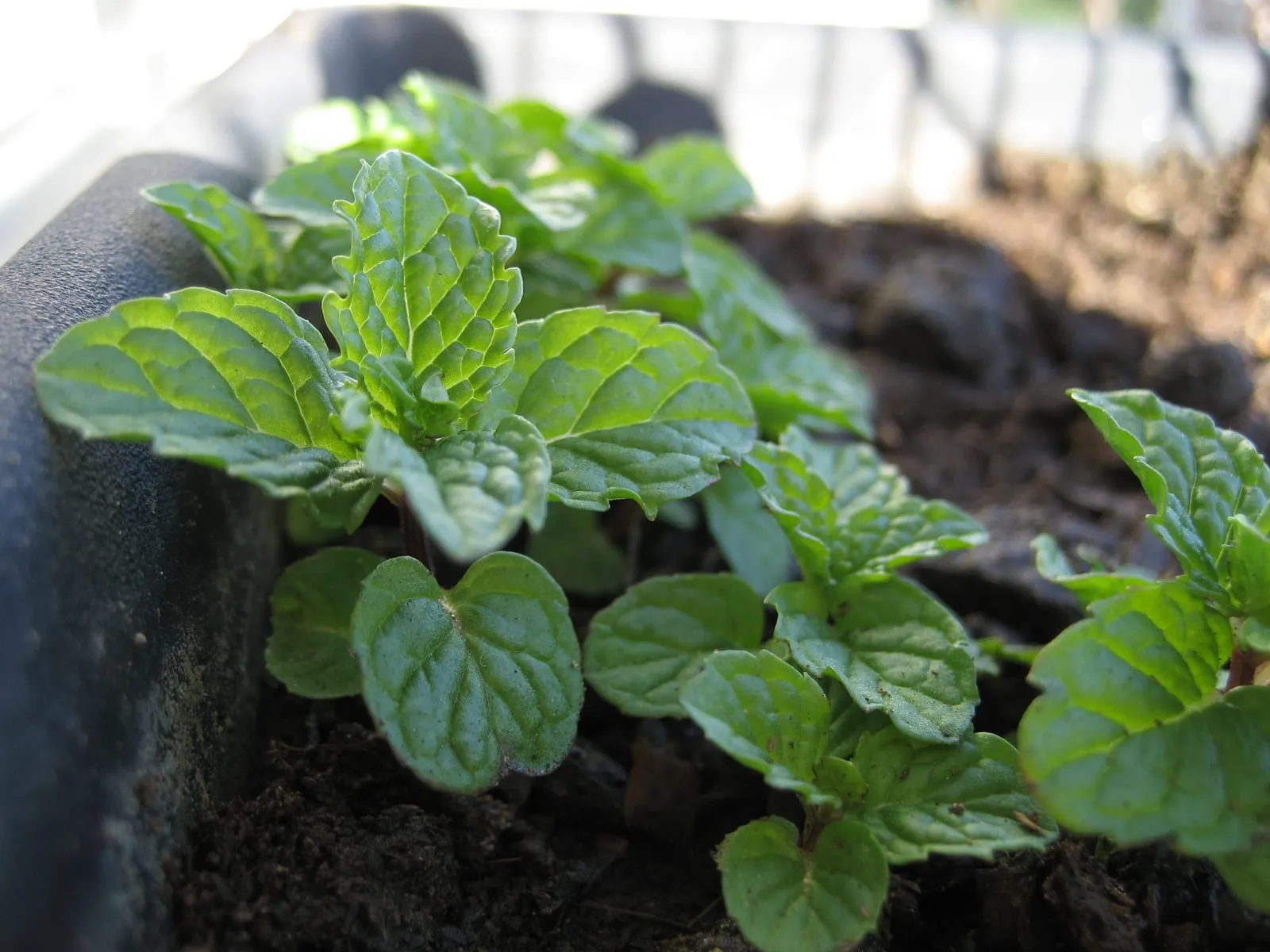
herb in zone 4b
Growing mint in zone 4b
Mentha species
- Zone
- 4b -25°F to -20°F
- Growing season
- 130 days
- Suitable varieties
- 4
- Days to harvest
- 60 to 90
The verdict
Mint is reliably perennial through zone 4b. Established plants die back to the ground each fall and re-emerge from rhizomes once soil temperatures climb above roughly 50°F in spring. The -25 to -20°F minimum temperatures in zone 4b fall well within the documented hardiness range for spearmint and peppermint, both of which tolerate zone 3 conditions when rhizomes are insulated by snow or mulch. This is a comfortable zone for mint, not a marginal one.
Unlike fruit trees, mint has no meaningful chill-hour requirement. The 130-day growing season in zone 4b is ample for multiple harvests before the first fall frost. Varieties like Mojito and Chocolate mint, which can be slightly less cold-tolerant than the straight spearmint and peppermint species, perform well in zone 4b provided they are in-ground rather than in containers left outdoors year-round.
Recommended varieties for zone 4b
4 cultivars suited to this zone, with disease-resistance and zone-fit annotations.
| Variety | Notes | Zone fit | Disease resistance |
|---|---|---|---|
| Spearmint fits zone 4b | Bright, sweet, classic mint flavor; the Mojito and tabbouleh mint. Tea, cocktails, lamb, fruit salads. Spreads aggressively by runners, plant in containers or barriers. | | none noted |
| Peppermint fits zone 4b | Sharp, cool, intense menthol; tea and confection mint. Tea, ice cream, chocolate combinations. Even more aggressive spreader than spearmint, container only. | | none noted |
| Mojito fits zone 4b | Sweet, less menthol than spearmint, citrus undertones; the Cuban mint. Mojitos, fresh summer cocktails, fruit. Slightly less aggressive spread than spearmint. | | none noted |
| Chocolate fits zone 4b | Mint with cocoa-chocolate undertones; novelty culinary mint. Desserts, cocktails, hot chocolate. Still aggressive, still container-only. | | none noted |
Critical timing for zone 4b
Mint emergence in zone 4b typically follows the last spring frost by two to three weeks, with new shoots appearing once soil warms in mid-to-late May. Leaf harvest for peak flavor should happen before plants send up flower spikes, which generally occurs in July through early August in zone 4b. Cutting plants back to a few inches at first bloom encourages a second flush of vegetative growth.
A second harvest window runs through September. Zone 4b's first fall frosts typically arrive in late September to mid-October, so the harvest season closes fairly abruptly. Plants cut back after the second harvest will direct energy into rhizome reserves for winter survival.
Common challenges in zone 4b
- ▸ Spring frost timing
- ▸ Apple scab pressure
- ▸ Cane berry winter dieback
Modified care for zone 4b
The primary zone 4b adjustment is winter protection of rhizomes. After the first hard freeze in fall, apply 3 to 4 inches of straw mulch over the root zone. This buffers against the repeated freeze-thaw cycles that are more damaging to rhizomes than sustained cold. Pull the mulch back gradually in spring once overnight temperatures reliably stay above 28°F.
Container-grown mint is the bigger concern. Pots freeze through completely during zone 4b winters, killing rhizomes that would otherwise survive in the ground. Move containers to an unheated garage or basement before temperatures drop below 20°F, keeping the soil barely moist through dormancy.
Spring planting of new divisions or transplants should wait until after the zone's last frost date, typically mid-May. No disease adjustments specific to zone 4b are indicated for mint; the standard practice of thinning dense plantings for air circulation addresses rust and mildew adequately across the range.
Mint in adjacent zones
Image: "Mentha piperita (1)", by Vsolymossy, via Wikimedia Commons, licensed under CC-BY Source.
.JPG)
Related