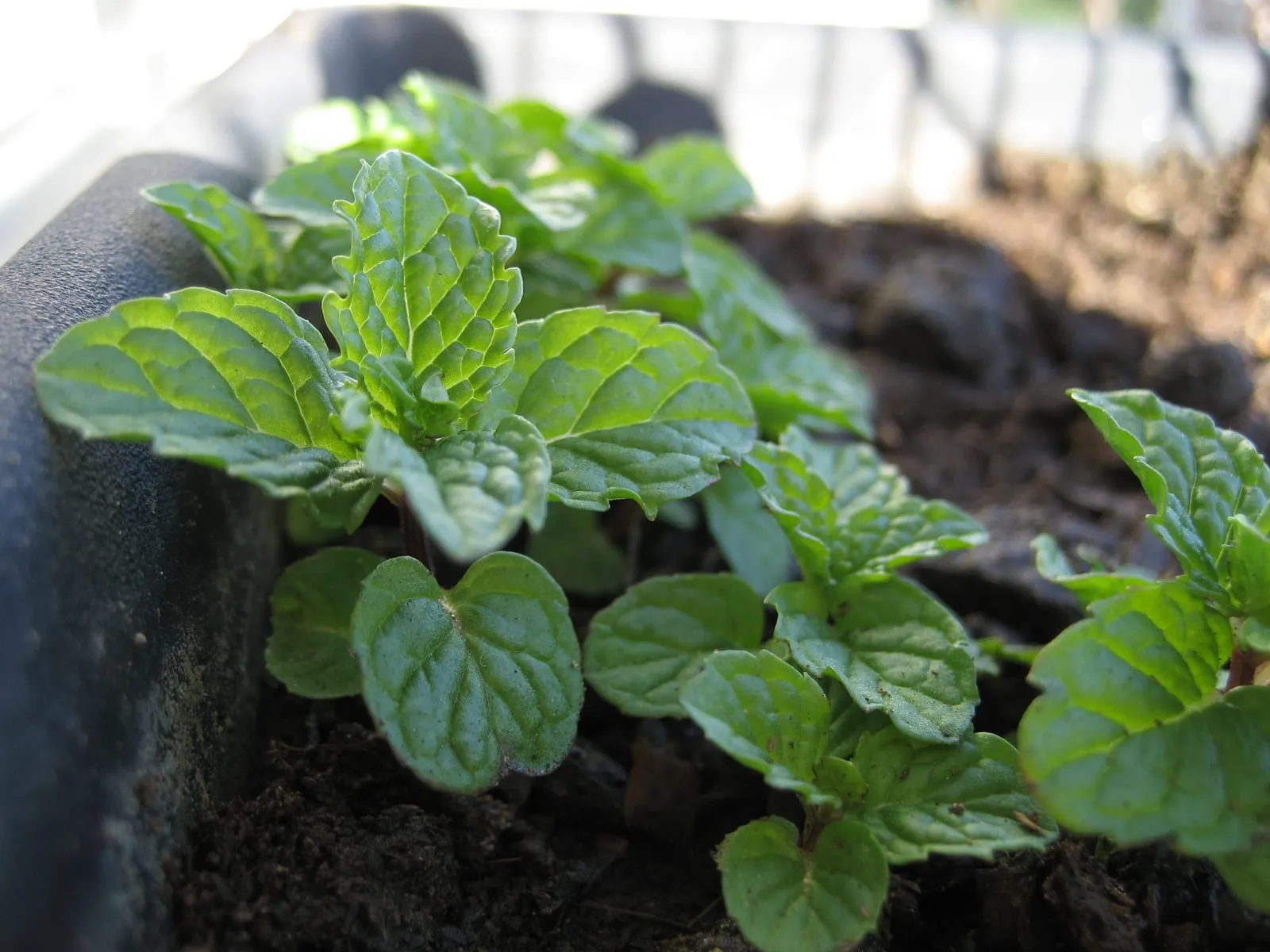
herb in zone 3b
Growing mint in zone 3b
Mentha species
- Zone
- 3b -35°F to -30°F
- Growing season
- 100 days
- Suitable varieties
- 2
- Days to harvest
- 60 to 90
The verdict
Mint is a reliable perennial in zone 3b, not a marginal one. Both spearmint and peppermint are cold-hardy to around -30 to -40°F when properly mulched, which puts them squarely within zone 3b's range (-35 to -30°F minimum). Unlike fruit trees, mint has no meaningful chill-hour requirement, so the zone's cold winters are not a limiting factor.
The 100-day growing season is shorter than mint's preference in warmer zones, but sufficient to support vigorous foliage production and multiple harvests. Mint prioritizes vegetative growth over flowering in cooler climates, which is actually an advantage for leaf yield. Expect plants to emerge later in spring than in southern zones and to go dormant earlier in fall, but the productive window between those points is quite usable.
Recommended varieties for zone 3b
2 cultivars suited to this zone, with disease-resistance and zone-fit annotations.
| Variety | Notes | Zone fit | Disease resistance |
|---|---|---|---|
| Spearmint fits zone 3b | Bright, sweet, classic mint flavor; the Mojito and tabbouleh mint. Tea, cocktails, lamb, fruit salads. Spreads aggressively by runners, plant in containers or barriers. | | none noted |
| Peppermint fits zone 3b | Sharp, cool, intense menthol; tea and confection mint. Tea, ice cream, chocolate combinations. Even more aggressive spreader than spearmint, container only. | | none noted |
Critical timing for zone 3b
In zone 3b, mint typically breaks dormancy in late May to early June, after the last frost clears. Growth accelerates quickly once soil temperatures reach 50°F. Leaf harvest can begin as soon as stems reach 6 to 8 inches, often by late June. The first significant flush runs through July.
Flowering occurs in mid to late summer, usually August in zone 3b. Flavor and essential oil concentration peak just before bloom, making late July the optimal harvest window for culinary or drying purposes. The first fall frost, which arrives in late August or early September across much of zone 3b, cuts the season short and triggers dormancy. Harvesting a final cutting before that first frost is worth the effort.
Common challenges in zone 3b
- ▸ Short season
- ▸ Winter desiccation
- ▸ Site selection critical for fruit trees
Modified care for zone 3b
The primary adjustment in zone 3b is winter mulching. Without 3 to 4 inches of straw or shredded leaf mulch applied after the ground freezes, exposed mint crowns face serious desiccation risk from zone 3b's dry, windswept winters. Mulch holds soil moisture and moderates freeze-thaw cycling that can heave shallow roots.
In-ground mint survives zone 3b winters reliably with mulching; container-grown mint does not. Pots should be buried in the ground or moved to an unheated garage once dormancy sets in, as above-ground containers experience temperatures far colder than the soil minimum. Spring planting should be delayed until after the last frost date to avoid setting back newly divided or transplanted crowns.
Frequently asked questions
- Does mint need to be replanted each year in zone 3b?
No. Both spearmint and peppermint overwinter reliably in zone 3b when mulched after freeze-up. Plants go fully dormant but the roots survive. Expect regrowth by late May or early June.
- Can mint be grown in containers in zone 3b?
Yes, but containers cannot be left outside over winter. Above-ground pots experience temperatures well below the -30 to -35°F soil minimum, which will kill the roots. Bury pots in the ground for winter or store in an unheated space that stays above -20°F.
- Is the 100-day season long enough to harvest mint more than once?
Yes. Mint grows quickly and a first harvest can happen by late June. A second cutting is possible in late July before flowering begins. That is typically the target window for the highest leaf oil concentration.
+−
+−
+−
Mint in adjacent zones
Image: "Mentha piperita (1)", by Vsolymossy, via Wikimedia Commons, licensed under CC-BY Source.
.JPG)
Related