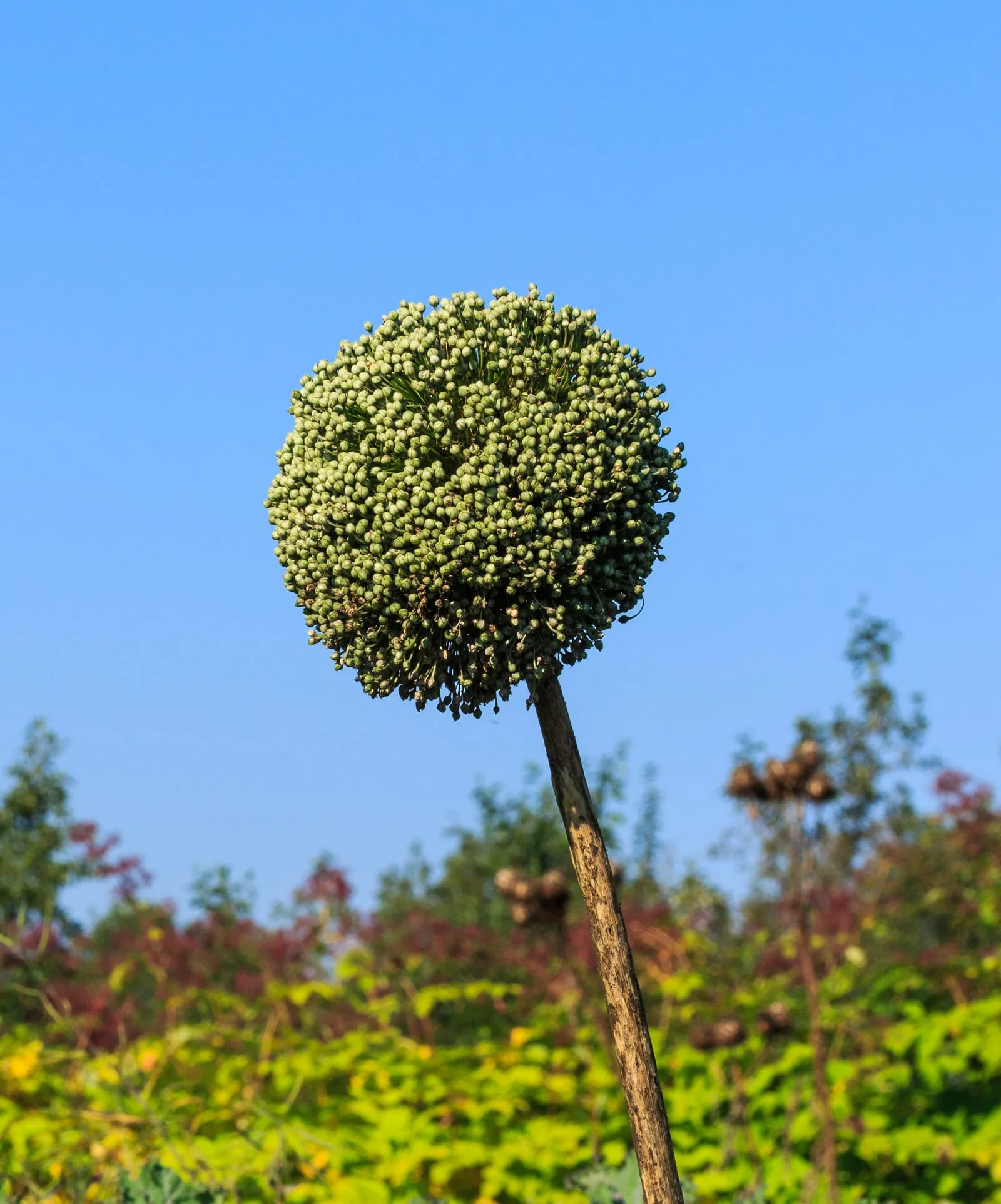
vegetable
Leek
Allium ampeloprasum
USDA hardiness range
- Zones
- 3b–8b
- Days to harvest
- 100 to 130
- Sun
- Full
- Water
- Moderate
- Lifespan
- biennial grown as annual
Growing leek
Leek occupies a useful niche among alliums: it tolerates cold that would damage bulbing onions, produces mild flavor without garlic's pungency, and holds in the ground through hard frosts when mature. The crop suits zones 3b through 8b, though the 100 to 130 day growing season shapes strategy considerably by zone. In short-season climates (zones 3b through 5a), direct seeding outdoors rarely works; transplants started indoors 10 to 12 weeks before last frost are the only reliable path to a full harvest. In zones 6 through 8b, both transplanting and direct sowing are workable, with the milder-winter end of that range also supporting fall planting for late-winter or spring harvest.
Where leeks underperform is equally worth noting. Zone 9 and warmer, summer heat and brief winters favor bulbing onions rather than leeks, and bolting pressure increases. Below zone 3b, the growing season becomes too compressed even with transplants. Within the suited range, the primary separator between productive and failed plantings is moisture consistency. Leeks demand steady soil moisture from transplanting through harvest; periods of drought followed by heavy irrigation cause the shanks to develop concentric rings that split during cooking. The long growing season also means weeds compete through a window most gardeners underestimate.
Recommended varieties
See all 3 →3 cultivars for home growers, with notes on flavor, ripening, and disease resistance.
| Variety | Notes | Zone fit | Disease resistance |
|---|---|---|---|
| King Richard | Mild, sweet, delicate onion-cousin flavor; long slender white shanks. Soups, sauteing, French preparations. Early variety (75 days), tender, less cold-hardy. | | none noted |
| Bandit | Sweet, robust, classic leek flavor; thick blue-green leaves over white shank. Soups, gratins, fresh. Cold-hardy overwintering type, holds in field through frost. | | none noted |
| American Flag | Mild, sweet, classic flavor; heritage open-pollinated variety with thick white shanks. Soups, gratins, fresh. Cold-tolerant, dependable home-garden standard. | | none noted |
Soil and site requirements
Leeks perform best in deep, fertile, well-drained loam with a pH between 6.0 and 7.0. Depth matters more here than with most alliums: the white shank (the edible portion) develops by blanching, either through trenching at planting time or progressive hilling as the plant grows. In heavy clay soils, drainage is typically inadequate and the elongated root system encounters compaction that stunts the shank. Sandy soils drain freely but lose moisture quickly, conflicting with the crop's requirement for consistent irrigation. A loose, amended loam in the 6.0 to 7.0 pH range covers both concerns.
Full sun, at least 6 hours of direct light, is required for adequate growth. Partial shade delays development significantly in a crop that already demands a long season. Spacing of 6 inches between plants in rows 12 to 18 inches apart is standard, with transplants set into a trench 4 to 6 inches below grade to encourage shank elongation. Raised beds work well in regions with clay-heavy native soil, provided irrigation compensates for faster drainage. In zones 3b through 5a, south-facing exposures warm earlier and extend the effective growing window. Low spots and frost pockets are worth avoiding, particularly at the cold end of the range where early-season transplants are vulnerable to late frosts.
Common diseases
Common pests
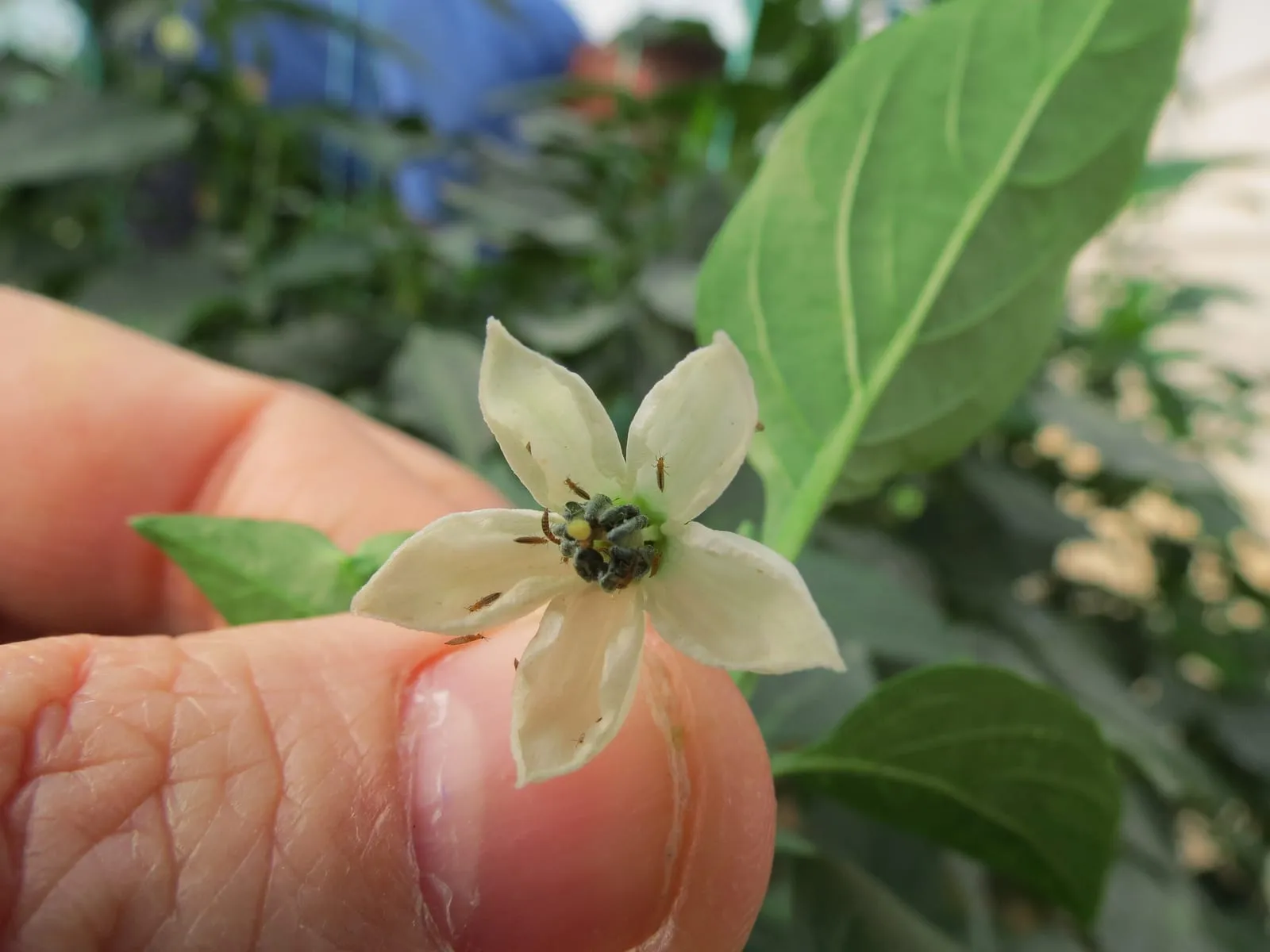
Thrips tabaci
Tiny slender insects that rasp leaf surfaces and suck plant juices. Most damaging on onion and garlic where they reduce bulb size and transmit Iris yellow spot virus.

Delia antiqua
Fly whose larvae tunnel into onion bulbs and roots, causing rot and stunted plants. Three generations per year in most US zones.
Common challenges
The first and most consistent failure in colder zones is insufficient growing season. Leeks need 100 to 130 days from transplant, and growers in zones 3b through 5a who direct-seed outdoors or transplant too late frequently reach first frost with underdeveloped shanks. Starting transplants indoors 10 to 12 weeks before the last frost date and hardening them off before setting out is not optional at the cold end of the range.
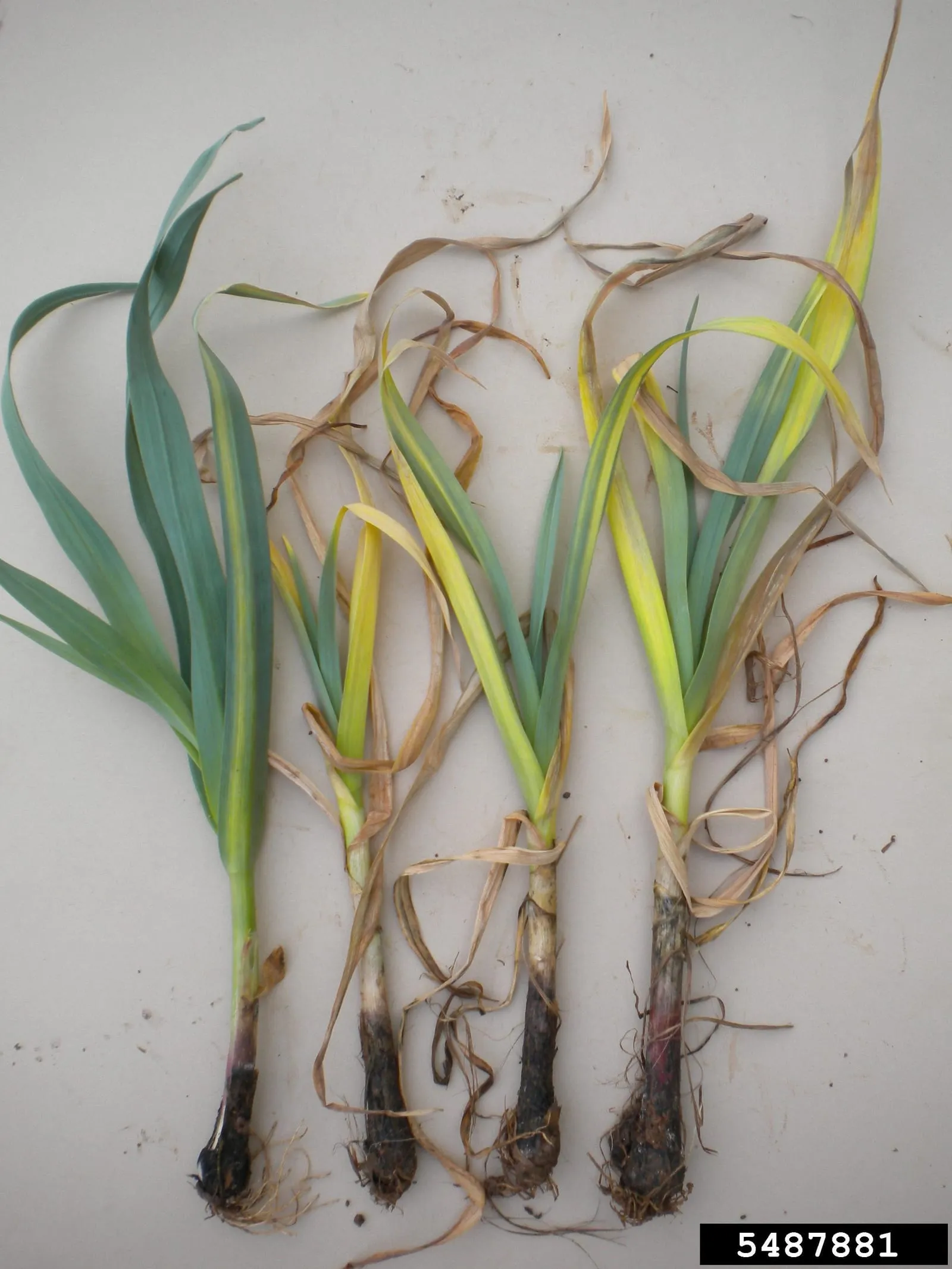
Onion White Rot is the disease concern most specific to leeks and the broader allium family. The soilborne fungal pathogen is long-lived, with sclerotia persisting in soil for 15 to 20 years in the absence of a host, and has no practical chemical remedy for home gardens. Management is prevention: avoid introducing contaminated transplants or soil, do not replant alliums in affected beds, and rotate leeks out of a given bed for as many seasons as practical. Cornell Leek Production offers detailed guidance on identifying and managing this pathogen.
Inadequate blanching is the third common problem, producing short green shanks with less of the mild, sweet flavor the crop is valued for. The white portion develops when the shank is excluded from light, either by setting transplants into a trench and progressively filling it, or by hilling soil around the base as the plant grows. Both methods work; consistent attention through the growing season is the variable most growers underinvest in.
Companion plants
Frequently asked questions
- Do leeks have a chill-hour requirement?
No. Chill-hour requirements apply to perennial fruit crops that need winter dormancy to set fruit. Leeks are grown as annuals and have no such requirement. Cold tolerance is a separate trait: mature leeks, especially cold-hardy varieties like Bandit, can hold in the field through frost and light freezes, but that is frost hardiness, not a chilling prerequisite.
- How many days to harvest does leek require?
Leeks typically reach harvest maturity in 100 to 130 days from transplant, depending on variety. King Richard is an early type at around 75 days; American Flag and Bandit run longer. In short-season zones (3b through 5a), choosing an early variety and starting transplants indoors 10 to 12 weeks before last frost gives the best chance of reaching harvest before first fall frost.
- What USDA hardiness zones are suited for growing leeks?
Leeks grow well in zones 3b through 8b. Cold-hardy overwintering types like Bandit extend the practical range toward the colder end. In zones 8a and 8b, fall planting for late-winter or early spring harvest is an option. Zone 9 and warmer is generally too warm for reliable performance due to heat stress and increased bolting pressure.
- Are leeks self-fertile? Do they need pollinators?
For standard annual production, pollination is not a factor: the edible portion is the vegetative shank, not a fruit or seed. Leeks are self-fertile if grown to flower for seed saving in their second year, and insect visitation improves seed set, but annual growers harvesting shanks have no pollinator requirements to manage.
- What is onion white rot, and how serious is it for leeks?
Onion white rot is a soilborne fungal disease affecting leeks and all alliums. It is serious because the pathogen's sclerotia can persist in soil for 15 to 20 years, and there is no effective home-garden remedy once a bed is infected. Prevention through clean transplants and strict long-term crop rotation is the only practical management strategy.
- Why are leek shanks short and green instead of long and white?
Short, green shanks result from insufficient blanching. The white portion develops only when the shank is excluded from light. Setting transplants into a trench and progressively filling it as the plant grows, or hilling soil up around the base through the season, are the two standard methods. Starting early and maintaining the practice consistently through the growing season makes the difference.
- When should leek transplants be started indoors?
Start transplants indoors 10 to 12 weeks before the last expected frost date for the planting location. Leeks establish slowly compared to other alliums and benefit from the head start. Harden transplants off over 7 to 10 days before setting them out. In zones 6 and warmer, earlier direct sowing outdoors is possible once soil can be worked in spring.
+−
+−
+−
+−
+−
+−
+−
Sources
Image: "In zaad geschoten prei. (Allium ampeloprasum). Locatie, De Kruidhof Buitenpost 03", by Dominicus Johannes Bergsma, via Wikimedia Commons, licensed under CC-BY. Source.
._Locatie,_De_Kruidhof_Buitenpost_03.jpg)
Leek by zone
Related