vegetable in zone 8a
Growing leek in zone 8a
Allium ampeloprasum
- Zone
- 8a 10°F to 15°F
- Growing season
- 240 days
- Suitable varieties
- 1
- Days to harvest
- 100 to 130
The verdict
Leeks do not require chill hours, so zone 8a's mild winters are an asset rather than a constraint. The 240-day growing season provides ample runway for fall plantings that carry through winter and into early spring harvest. King Richard, the variety best suited to this zone, matures in roughly 75 days and performs well when transplanted in late summer or early fall.
The binding limitation in zone 8a is heat, not cold. Leeks are cool-season crops that stall and lose quality when temperatures climb above 80°F, which puts summer planting out of reach. The planting window is narrower here than in zones 5 through 7, where leeks can be sown in spring as well as fall. That said, zone 8a winters are mild enough that established leeks typically overwinter without protection, and the crop can be harvested across a long window from December through March. For growers willing to work around the restricted timing, zone 8a is a reasonable fit.
Recommended varieties for zone 8a
1 cultivar suited to this zone, with disease-resistance and zone-fit annotations.
| Variety | Notes | Zone fit | Disease resistance |
|---|---|---|---|
| King Richard fits zone 8a | Mild, sweet, delicate onion-cousin flavor; long slender white shanks. Soups, sauteing, French preparations. Early variety (75 days), tender, less cold-hardy. | | none noted |
Critical timing for zone 8a
In zone 8a, the productive window runs from fall through early spring. Transplants go into the ground from late August through October; direct-seeded crops should be sown no later than mid-September to allow adequate time before cold slows growth. Harvest runs from December through March, depending on planting date and variety.
Last frost dates in zone 8a generally fall between mid-February and mid-March. Established leeks tolerate hard freezes without damage, but late-planted seedlings may need row cover during cold snaps in January and February. As temperatures rise and day length increases in spring, leeks bolt, typically in March or April in this zone. Once a flower stalk begins to emerge, the stem becomes fibrous and the crop is no longer usable, so plan to complete harvest before the first signs of bolting.
Common challenges in zone 8a
- ▸ Insufficient chill hours for some apple varieties
- ▸ Pierce's disease in grapes
- ▸ Heat stress on cool-season crops
Disease pressure to watch for
Modified care for zone 8a
Timing is the central adjustment in zone 8a. Leeks must be treated as a fall-through-spring crop, not a year-round one. Starting transplants indoors in late July allows them to be hardened off and set out in late August, reducing heat stress during establishment. Transplanting too early into still-hot soil delays root development and increases transplant shock; row cover can help buffer temperatures during warm spells in the early fall window.
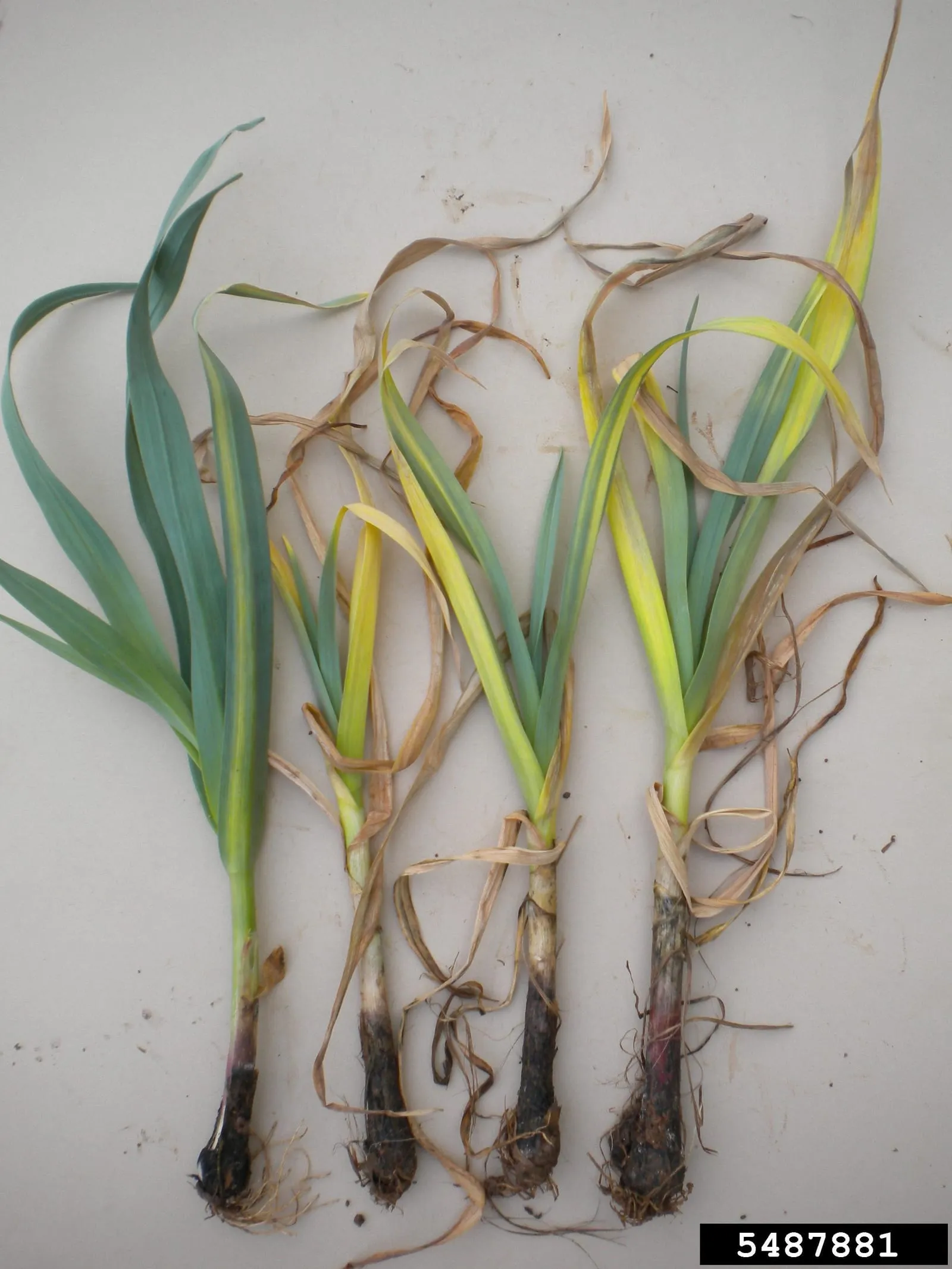
Onion White Rot (Sclerotium cepivorum) is a soilborne fungus that affects leeks and all allium crops. Sclerotia persist in soil for 20 or more years, making rotation essential. Avoid planting leeks or any allium in beds where white rot has appeared, and rotate alliums to a new location every three to four years as a preventive measure. No effective chemical controls are available to home growers once the fungus is established in a bed.
Frequently asked questions
- Can leeks survive frost in zone 8a?
Established leeks tolerate temperatures well below 32°F and are rarely damaged by the mild freezes typical of zone 8a winters. Young transplants set out in fall may benefit from light row cover during hard freezes in January and February, but mature plants generally need no winter protection in this zone.
- Why can't leeks be grown in summer in zone 8a?
Leeks are cool-season crops that lose quality and stop growing in sustained heat above roughly 80°F. Zone 8a summers regularly exceed that threshold, making summer cultivation impractical. Fall and winter planting sidesteps this limitation entirely.
- What is Onion White Rot and how serious is it for leeks?
Onion White Rot is a soilborne fungal disease caused by Sclerotium cepivorum that attacks the roots and base of all allium crops, including leeks. Its sclerotia can persist in soil for two decades or more, so once a bed is infected, growing alliums there is risky indefinitely. Crop rotation to unaffected ground is the most reliable management tool available to home growers.
- When do leeks bolt in zone 8a?
Most leeks in zone 8a begin sending up flower stalks in March or April as temperatures rise and day length increases. Once bolting starts, the stem becomes fibrous and the crop loses its culinary value. Harvest should be completed before the first signs of a central flower stalk emerging.
+−
+−
+−
+−
Leek in adjacent zones
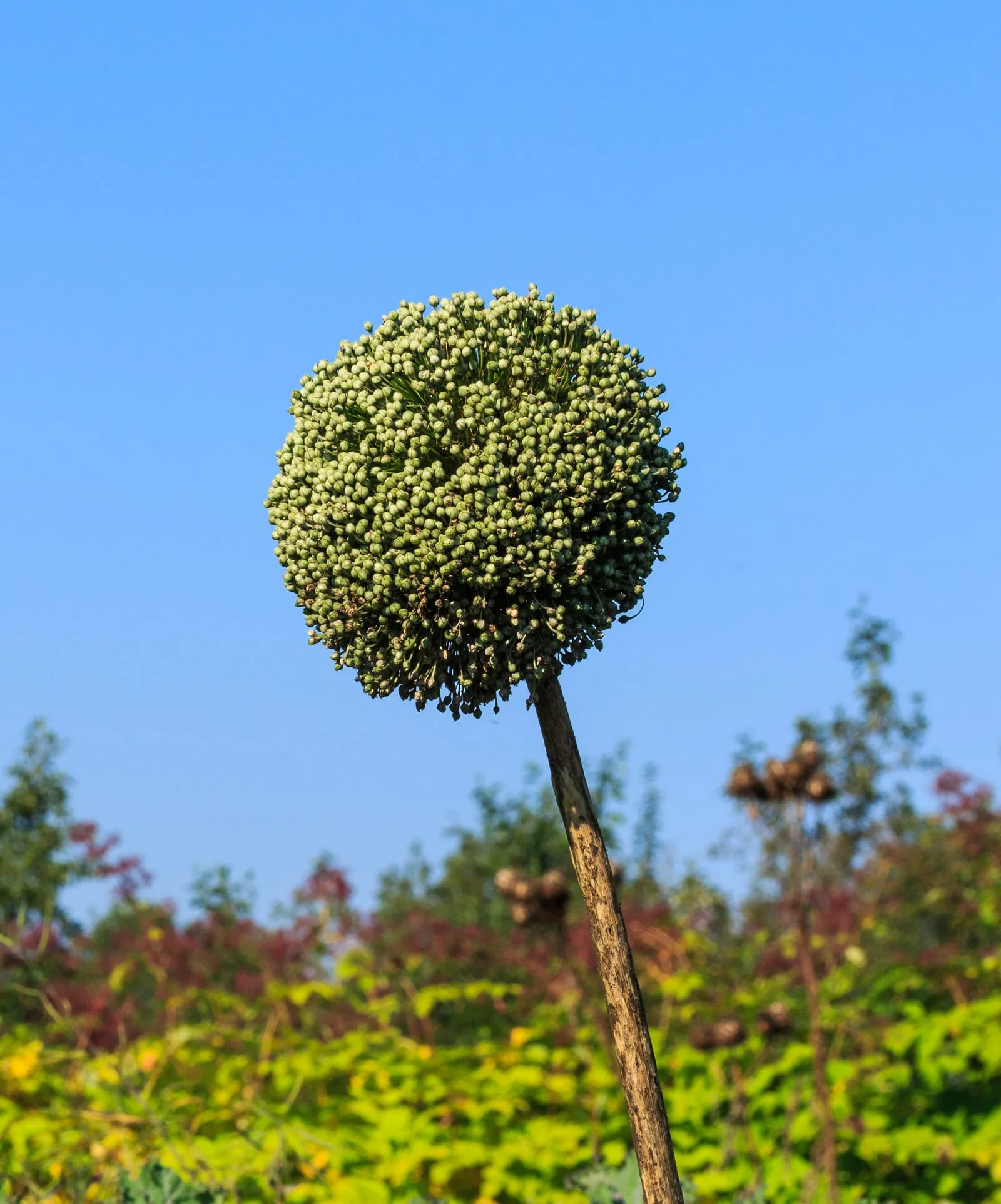
Image: "In zaad geschoten prei. (Allium ampeloprasum). Locatie, De Kruidhof Buitenpost 03", by Dominicus Johannes Bergsma, via Wikimedia Commons, licensed under CC-BY Source.
._Locatie,_De_Kruidhof_Buitenpost_03.jpg)
Related