vegetable in zone 8b
Growing leek in zone 8b
Allium ampeloprasum
- Zone
- 8b 15°F to 20°F
- Growing season
- 260 days
- Suitable varieties
- 0
- Days to harvest
- 100 to 130
The verdict
Leeks are a cool-season biennial grown as an annual, and zone 8b is well-suited for fall and winter production. Unlike fruit crops, leeks have no chill-hour requirement, so the zone's warmer winters are not a limiting factor. The minimum winter temperatures of 15-20°F fall within mature leek tolerance; established plants can withstand brief dips to around 10-15°F without significant damage, and zone 8b winters rarely push that cold for extended periods.
The 260-day growing season creates a generous fall-to-spring window. Leeks planted in late summer or early fall develop through the cooler months and can be harvested from late December through April before heat triggers bolting. Summer planting is not viable; extended heat above 85°F stalls growth and accelerates premature flowering. The zone's primary constraint for leeks is the hot, humid summer, not the winter. Growers who treat leeks as a seasonal crop rather than a year-round one will find zone 8b a productive fit.
Critical timing for zone 8b
In zone 8b, leeks are transplanted in late August through October for harvest between December and March. Starting transplants indoors 8-10 weeks before the fall planting date gives shanks the head start needed to size up before the coldest weeks. Direct sowing is possible but extends the timeline and often produces uneven stands.
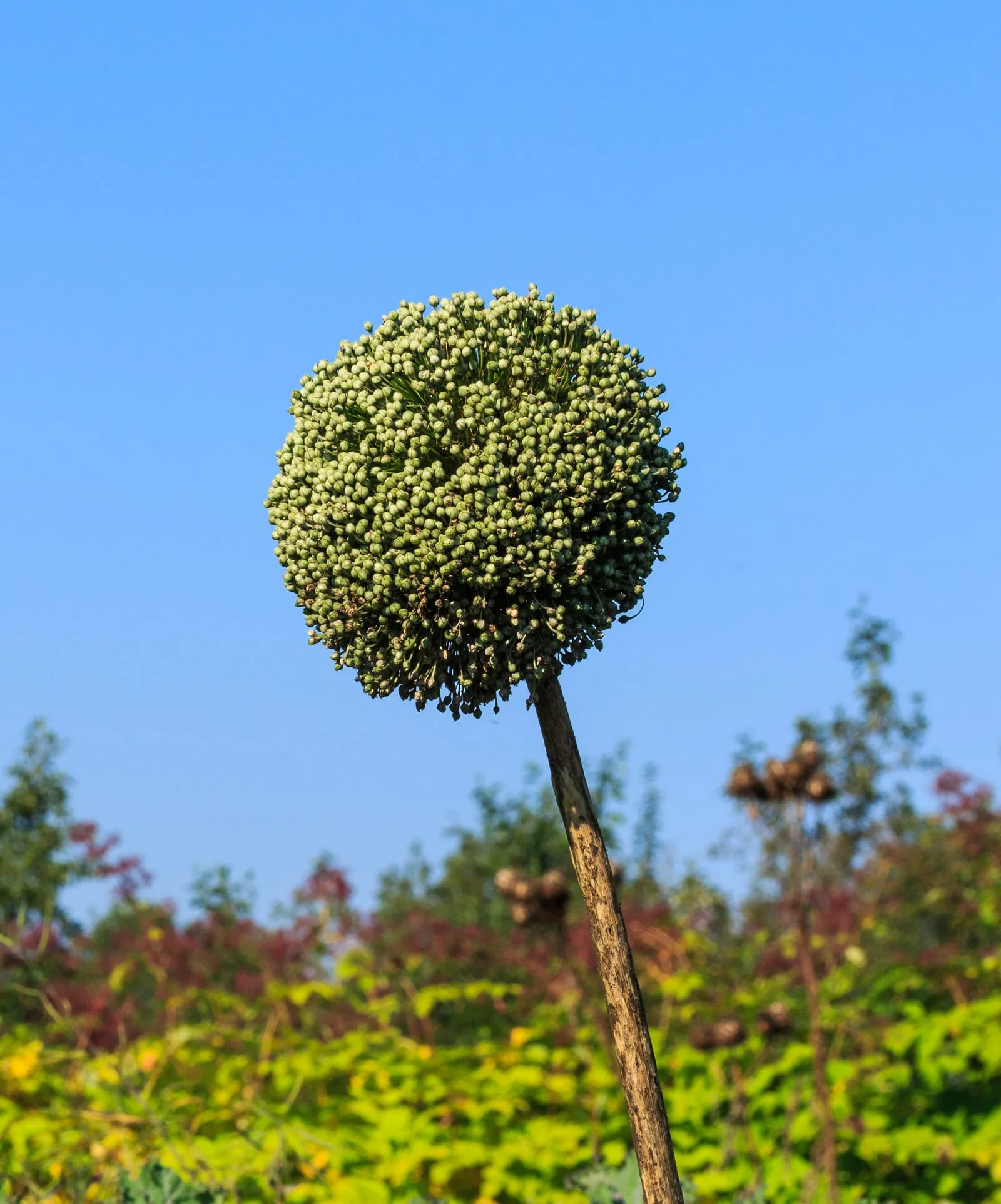
Harvest typically runs through February and into early March before warming temperatures signal the onset of bolting. Leeks left in the ground past their prime will produce flower scapes; once the scape emerges, the shank becomes fibrous and loses eating quality. Zone 8b's frost window generally runs November through February, which aligns well with the harvest period. A light frost actually sweetens the shank flavor and causes no structural harm.
Common challenges in zone 8b
- ▸ Low chill hours limit apple variety selection
- ▸ Citrus greening risk
- ▸ Nematodes in sandy soils
Disease pressure to watch for
Modified care for zone 8b
The most important adaptation in zone 8b is scheduling. Leeks should not go in before late August, when soil temperatures have begun dropping from summer highs. Planting into soil still above 80°F invites poor establishment and increased disease pressure.
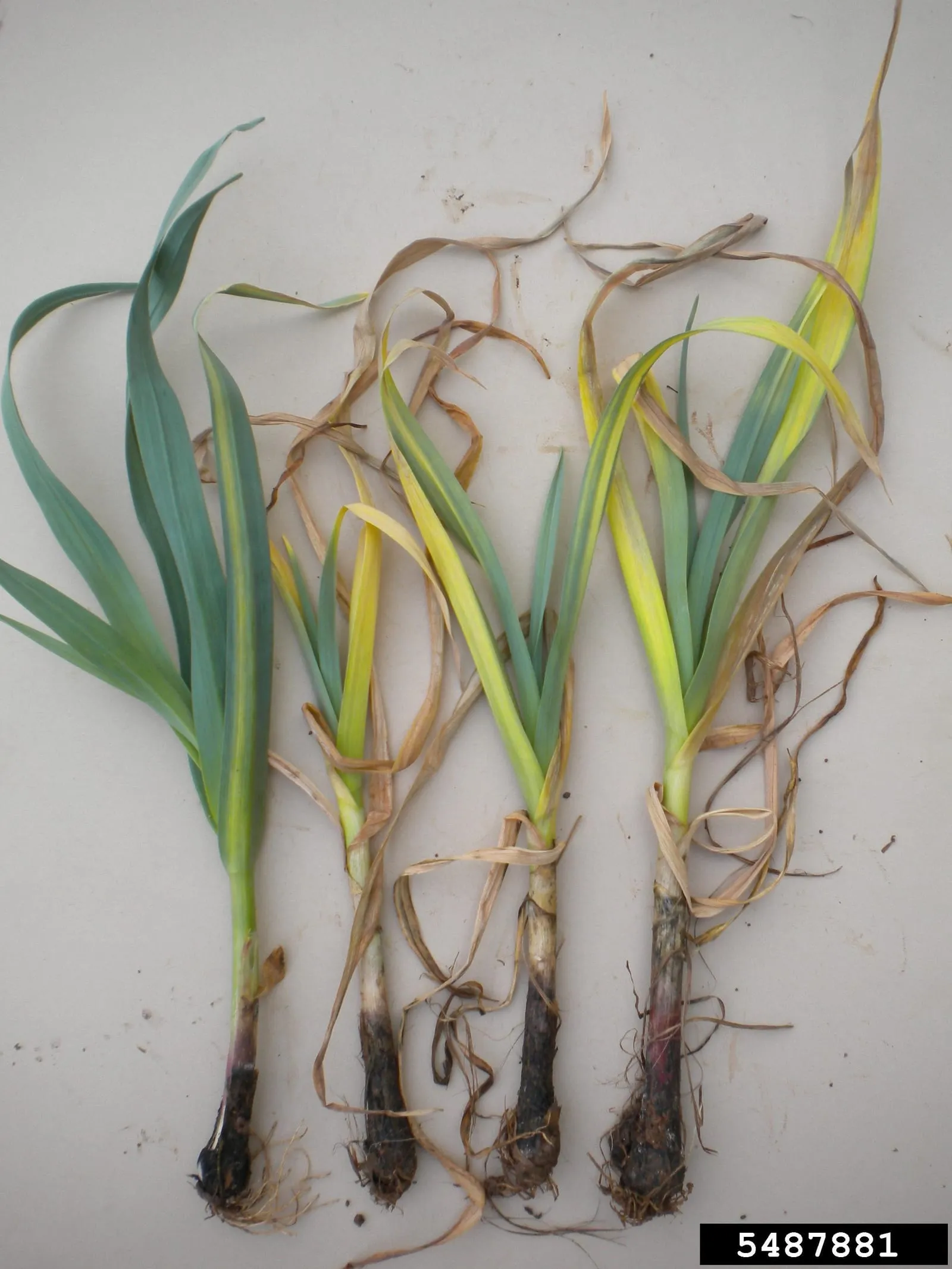
Nematodes in sandy soils are a documented concern for this zone. Where root-knot nematode populations are present, raised beds with amended loam dilute nematode density and improve drainage. Rotating leeks away from any allium-family planting from the prior three years is essential to limit onion white rot (Sclerotium cepivorum), which persists as sclerotia in soil for decades once established. There is no effective in-season treatment for white rot in home settings; prevention through rotation and sourcing clean transplants is the only reliable control.
Hilling, drawing soil up around the developing shanks, matters more in zone 8b's wetter winters. Consistent hilling encourages long, blanched shanks with milder flavor and better shelf life after harvest.
Frequently asked questions
- Do leeks need frost protection in zone 8b?
Established leeks generally do not need protection in zone 8b. Mature plants tolerate brief dips to around 10-15°F, and the zone's winters rarely sustain temperatures that low for more than a few nights. A light mulch layer provides adequate insurance during unusual cold snaps.
- When should leek seeds be started indoors for zone 8b?
Start seeds indoors in late June or July for transplanting in late August through September. An 8-10 week head start allows transplants to establish and begin sizing before the coolest months. Cells or plug trays work well; transplants should be pencil-thick at the base before going into the ground.
- What causes onion white rot and how is it prevented?
Onion white rot is caused by Sclerotium cepivorum, a soilborne fungus that produces long-lived sclerotia capable of persisting in soil for 20+ years without a host. Prevention relies on crop rotation of at least three years without alliums, using clean transplants from uninfested stock, and avoiding transfer of contaminated soil between beds.
- Can leeks be grown through the summer in zone 8b?
Summer production is not practical in zone 8b. Sustained heat above 85°F stalls shank development and encourages premature bolting. Leeks are best treated as a fall-through-spring crop in this zone, with planting beginning in late summer once temperatures moderate.
+−
+−
+−
+−
Leek in adjacent zones
Image: "In zaad geschoten prei. (Allium ampeloprasum). Locatie, De Kruidhof Buitenpost 03", by Dominicus Johannes Bergsma, via Wikimedia Commons, licensed under CC-BY Source.
._Locatie,_De_Kruidhof_Buitenpost_03.jpg)
Related