vegetable in zone 7b
Growing leek in zone 7b
Allium ampeloprasum
- Zone
- 7b 5°F to 10°F
- Growing season
- 220 days
- Suitable varieties
- 3
- Days to harvest
- 100 to 130
The verdict
Leek is a cool-season vegetable, so chill-hour accumulation is not a relevant metric here. What matters is a sustained cool period for stem development, and zone 7b delivers that reliably. Minimum winter temperatures of 5 to 10°F fall within the tolerance range of established leek plants, particularly when stems are hilled for insulation. The 220-day growing season accommodates both spring and fall planting schedules without difficulty.
Zone 7b sits in the sweet spot for leek production across the mid-Atlantic and upper Southeast. Winters are cold enough to hold overwintered plants in the ground without premature bolting, yet mild enough that heavy protection is rarely needed. Varieties with established track records in this region include King Richard, Bandit, and American Flag, all of which handle the zone's winter temperature swings without significant losses.
Recommended varieties for zone 7b
3 cultivars suited to this zone, with disease-resistance and zone-fit annotations.
| Variety | Notes | Zone fit | Disease resistance |
|---|---|---|---|
| King Richard fits zone 7b | Mild, sweet, delicate onion-cousin flavor; long slender white shanks. Soups, sauteing, French preparations. Early variety (75 days), tender, less cold-hardy. | | none noted |
| Bandit fits zone 7b | Sweet, robust, classic leek flavor; thick blue-green leaves over white shank. Soups, gratins, fresh. Cold-hardy overwintering type, holds in field through frost. | | none noted |
| American Flag fits zone 7b | Mild, sweet, classic flavor; heritage open-pollinated variety with thick white shanks. Soups, gratins, fresh. Cold-tolerant, dependable home-garden standard. | | none noted |
Critical timing for zone 7b
In zone 7b, leeks are commonly started from seed indoors in late January or early February, then transplanted outdoors after the average last frost, which falls in late March to mid-April across most of the zone. Transplants set out in spring will reach harvest size in roughly 100 to 120 days, placing peak harvest in July through September.
A second planting window opens in late July to early August, when transplants can go in the ground for overwintered leeks harvested from February through April. This fall-planted crop often produces the best stem quality, as cool autumn temperatures slow top growth and encourage the dense shafts leeks are valued for. Bolting is rarely a concern unless an overwintered plant experiences a sustained warm spell in late spring.
Common challenges in zone 7b
- ▸ Cedar-apple rust pressure heavy in piedmont
- ▸ Japanese beetles
- ▸ Brown marmorated stink bug
- ▸ Late summer disease pressure
Disease pressure to watch for
Modified care for zone 7b
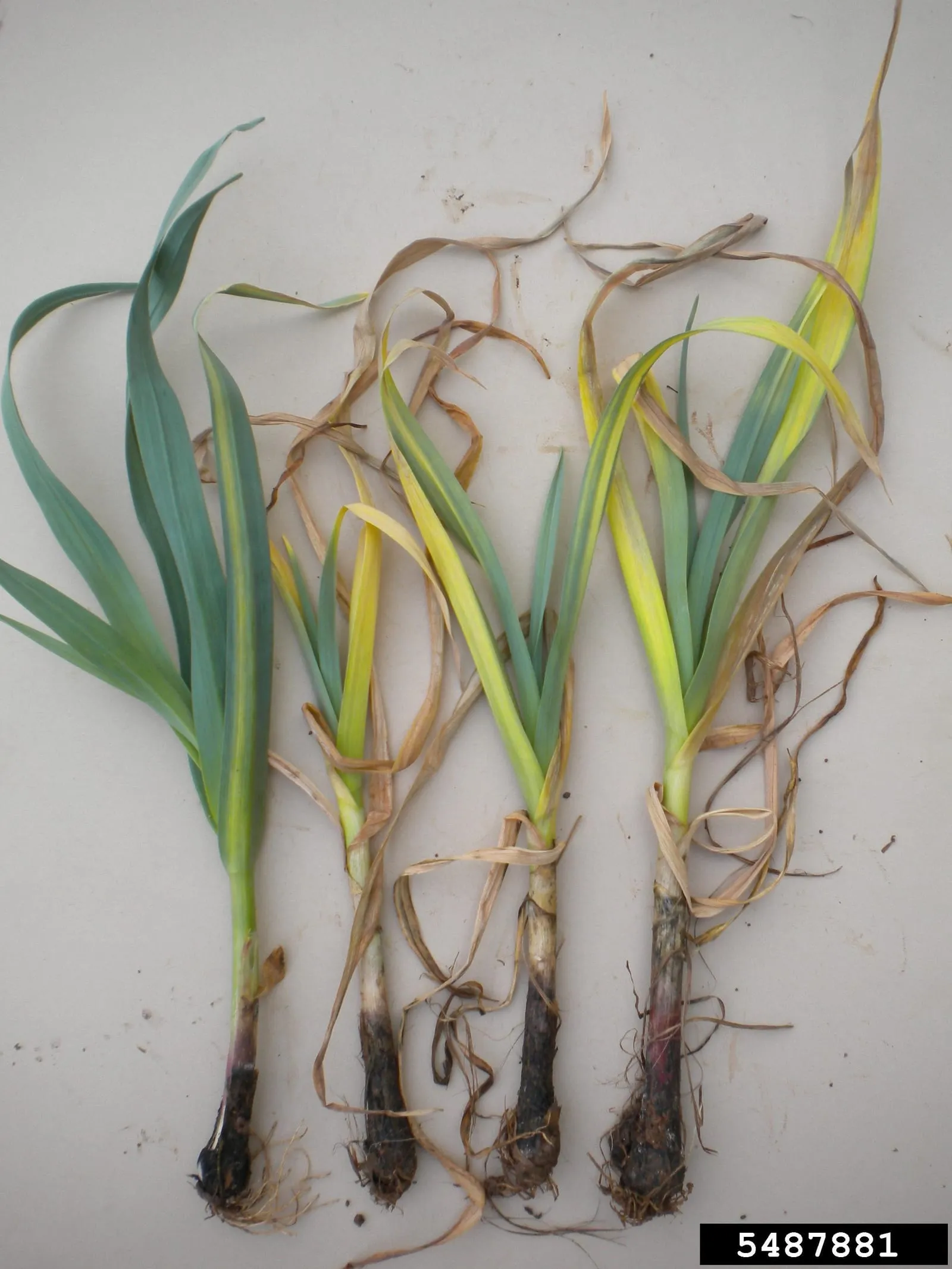
Onion White Rot (Sclerotium cepivorum) is the primary disease threat for leeks in zone 7b. This soilborne fungus can persist in garden beds for decades once established. Crop rotation on a minimum 4-year cycle, combined with removal of plant debris at season's end, is the most reliable long-term defense. No alliums (leeks, onions, garlic, chives) should follow each other in the same bed within that window.
Japanese beetles and brown marmorated stink bugs are significant pests throughout zone 7b but cause only superficial foliar damage to leeks in most cases. Late summer humidity does elevate general fungal pressure; spacing transplants at least 6 inches apart improves air circulation and reduces the risk. Winter protection beyond hilling the stems with soil is not typically necessary for established transplants in zone 7b.
Leek in adjacent zones
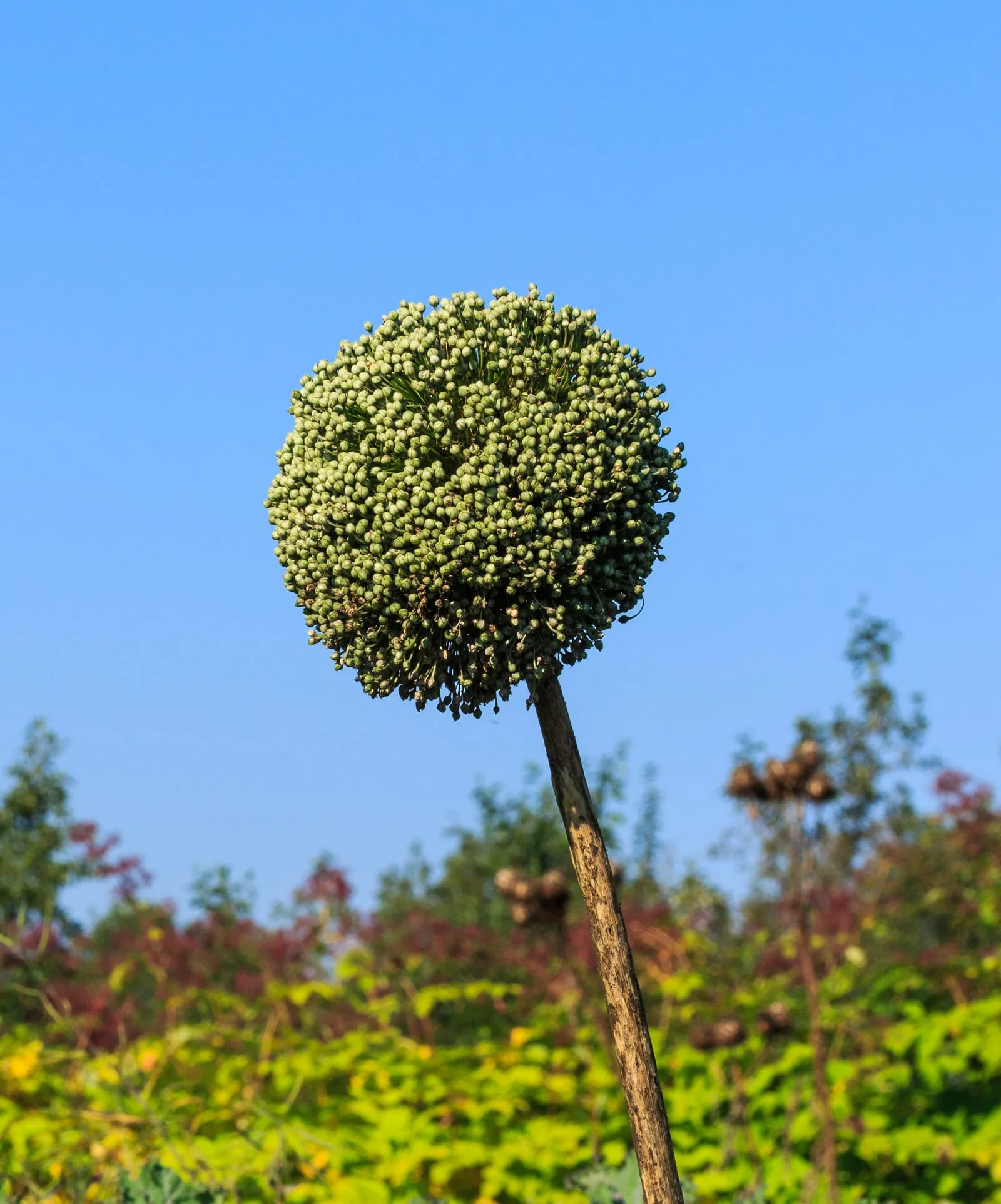
Image: "In zaad geschoten prei. (Allium ampeloprasum). Locatie, De Kruidhof Buitenpost 03", by Dominicus Johannes Bergsma, via Wikimedia Commons, licensed under CC-BY Source.
._Locatie,_De_Kruidhof_Buitenpost_03.jpg)
Related