vegetable in zone 7a
Growing leek in zone 7a
Allium ampeloprasum
- Zone
- 7a 0°F to 5°F
- Growing season
- 210 days
- Suitable varieties
- 3
- Days to harvest
- 100 to 130
The verdict
Leeks are cool-season alliums without chill-hour requirements, so zone matching centers on growing season length and summer heat tolerance rather than winter cold accumulation. Zone 7a's 210-day season comfortably fits leek's 75 to 120 days to maturity for either a spring or fall crop, with room to spare.
The zone is a reliable producer for leeks, not a marginal one. Established plants tolerate minimum temperatures of 0 to 5°F when mulched, and mulched leeks in the ground often survive zone 7a winters without significant damage. The more relevant pressure is summer heat: leeks prefer sustained temperatures below 80°F and zone 7a summers regularly exceed that threshold for weeks at a time. The solution is timing rather than zone avoidance. Varieties like Bandit and American Flag show reasonable heat tolerance once established, and King Richard's fast maturity, around 75 days, makes it well suited for spring plantings that finish before peak summer heat.
Recommended varieties for zone 7a
3 cultivars suited to this zone, with disease-resistance and zone-fit annotations.
| Variety | Notes | Zone fit | Disease resistance |
|---|---|---|---|
| King Richard fits zone 7a | Mild, sweet, delicate onion-cousin flavor; long slender white shanks. Soups, sauteing, French preparations. Early variety (75 days), tender, less cold-hardy. | | none noted |
| Bandit fits zone 7a | Sweet, robust, classic leek flavor; thick blue-green leaves over white shank. Soups, gratins, fresh. Cold-hardy overwintering type, holds in field through frost. | | none noted |
| American Flag fits zone 7a | Mild, sweet, classic flavor; heritage open-pollinated variety with thick white shanks. Soups, gratins, fresh. Cold-tolerant, dependable home-garden standard. | | none noted |
Critical timing for zone 7a
For culinary production in zone 7a, two planting windows work well. Spring: start seeds indoors 10 to 12 weeks before last frost, roughly late January to early February, and transplant after hard frost risk passes in late March to early April. Harvest runs from June into early August before summer heat peaks. Fall: direct sow or transplant in late July through mid-August for fall and winter harvest.
Zone 7a's mild winters allow leeks to stand in the ground through December and often into January with light mulch. The first fall frost, typically mid to late October in zone 7a, sweetens shank flavor without ending the harvest window. Leeks left to overwinter will bolt and send up a seed stalk the following spring, at which point culinary quality drops sharply.
Common challenges in zone 7a
- ▸ Cedar-apple rust
- ▸ Brown rot
- ▸ Fire blight
- ▸ High humidity disease pressure
Disease pressure to watch for
Modified care for zone 7a
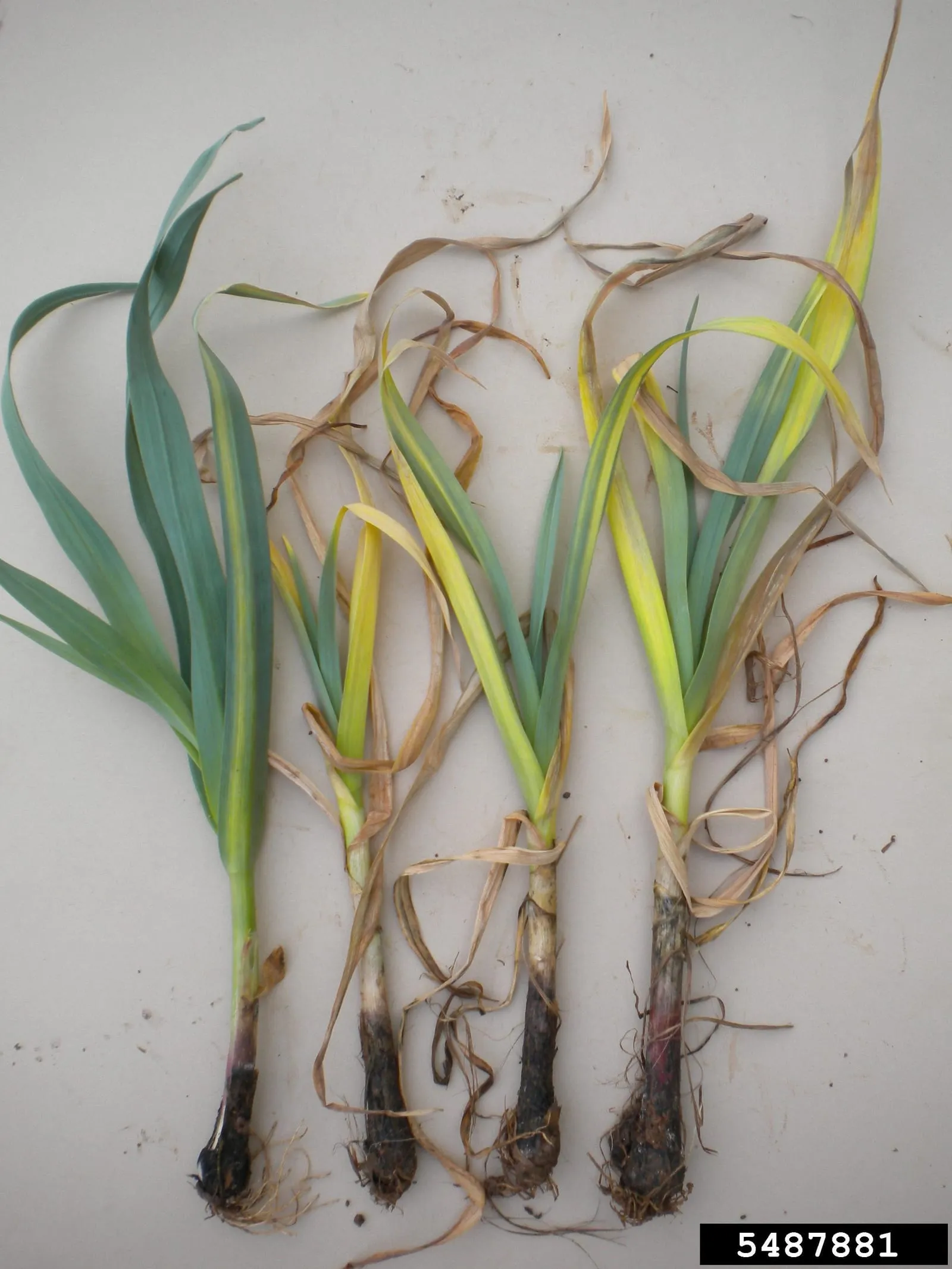
The primary disease concern for leeks in zone 7a is Onion White Rot (Stromatinia cepivora), a soilborne fungus that can persist in soil for decades. Zone 7a's combination of warm spring soil temperatures and high seasonal humidity creates conditions favorable for infection. Crop rotation of at least four years between allium plantings in the same bed is the most durable prevention. Raised beds with sharp drainage reduce risk further by keeping root zones drier.
Summer heat management deserves more attention in zone 7a than in cooler leek-growing regions. Spring plantings need to be in the ground early enough to size up before June, when temperatures frequently climb above 85°F. For fall crops, August transplants into well-amended soil with consistent irrigation will establish before autumn temperatures slow growth. Hilling soil around shanks throughout the season, a standard blanching practice, is equally important across the zone 7a growing range and does not require modification.
Leek in adjacent zones
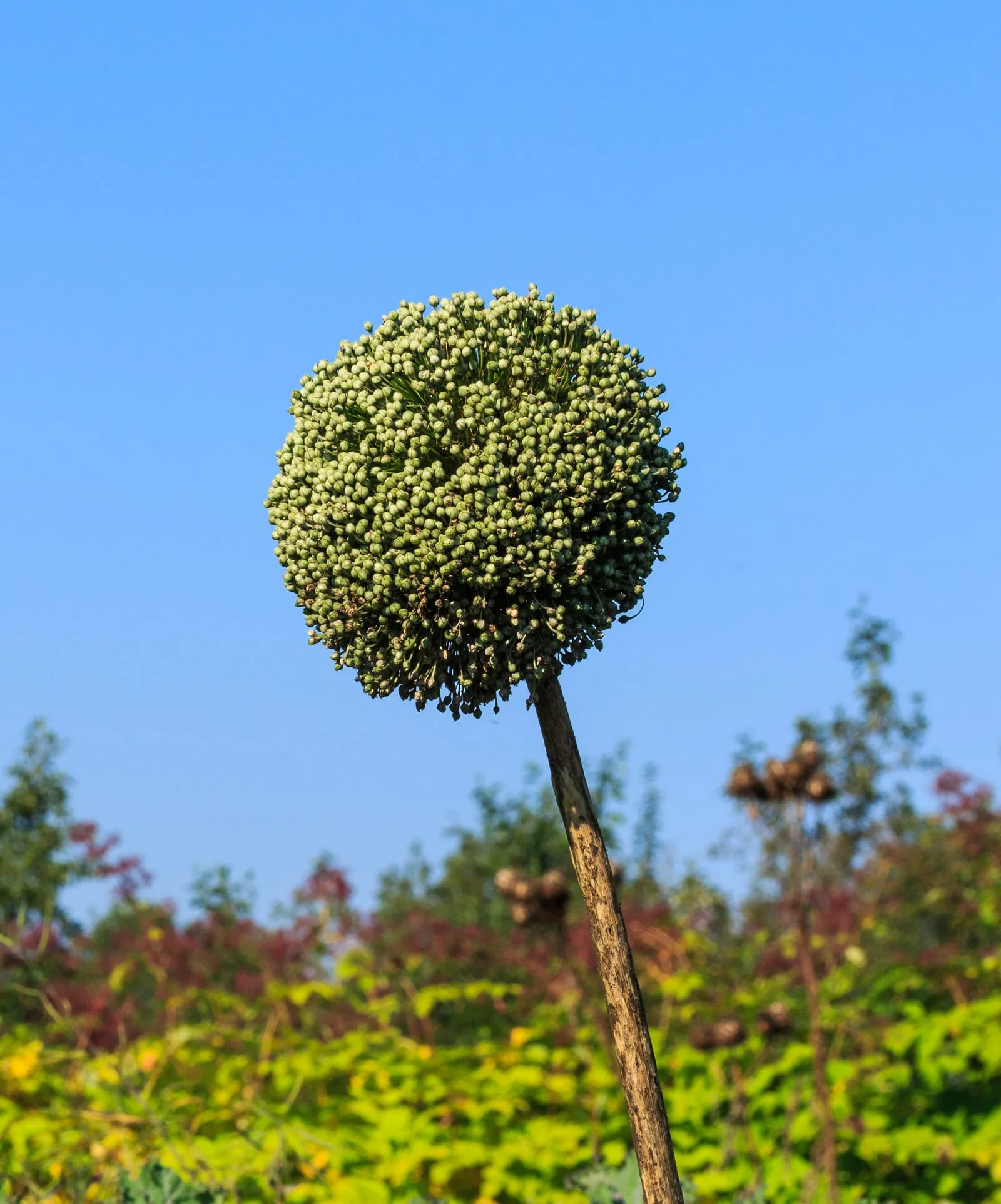
Image: "In zaad geschoten prei. (Allium ampeloprasum). Locatie, De Kruidhof Buitenpost 03", by Dominicus Johannes Bergsma, via Wikimedia Commons, licensed under CC-BY Source.
._Locatie,_De_Kruidhof_Buitenpost_03.jpg)
Related