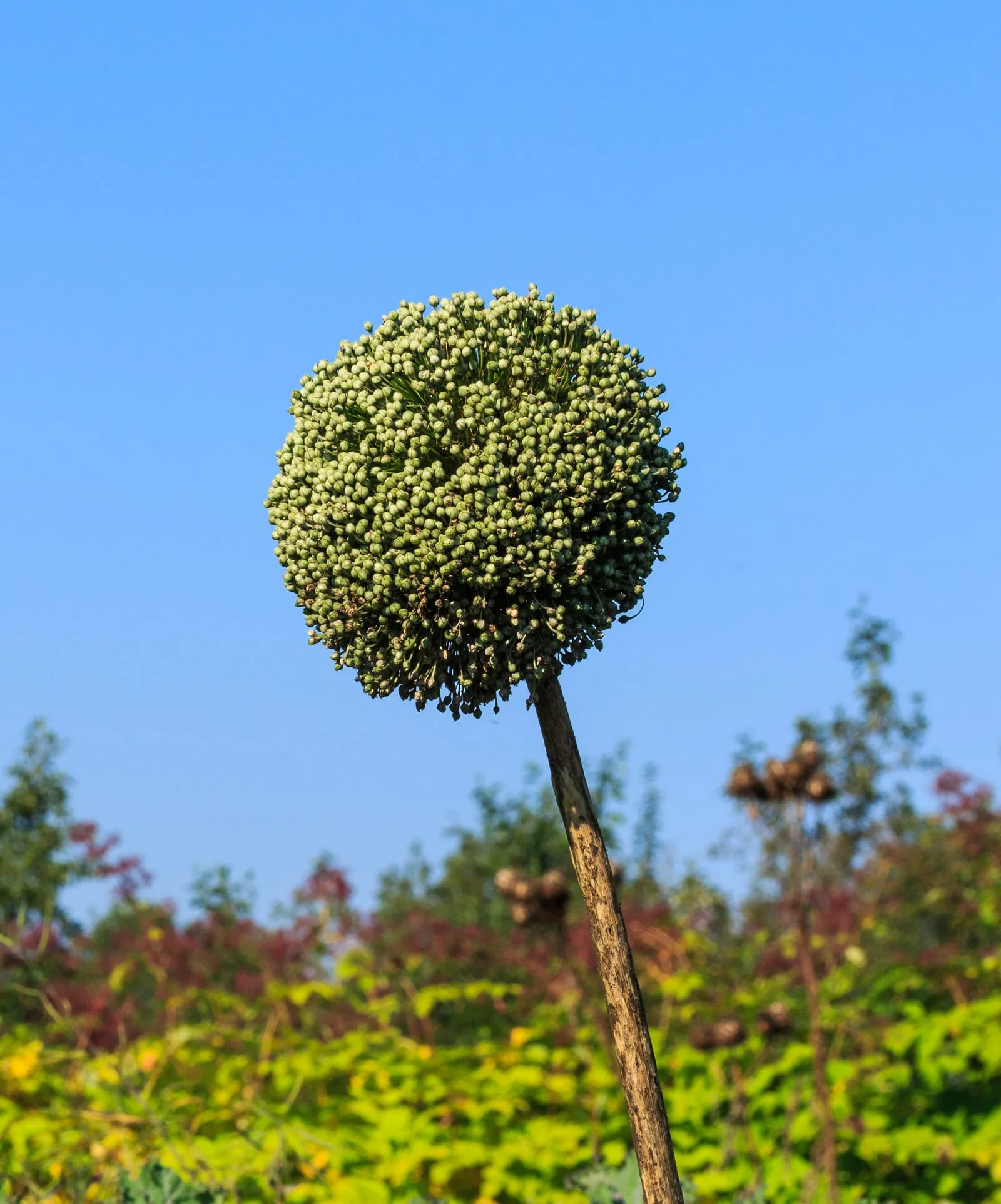
vegetable in zone 6b
Growing leek in zone 6b
Allium ampeloprasum
- Zone
- 6b -5°F to 0°F
- Growing season
- 190 days
- Suitable varieties
- 3
- Days to harvest
- 100 to 130
The verdict
Leek is a strong fit for zone 6b. As a cool-season biennial, it thrives where summers stay moderate and winters are cold enough to slow but not eliminate growth. Zone 6b's 190-day growing season comfortably accommodates even the longest-maturing varieties, including American Flag, which needs roughly 130 days from transplant to full size. Shorter-season types like King Richard (approximately 75 days) leave room for succession plantings or a fall crop.
Unlike fruit crops, leeks carry no chill-hour requirement, so the zone's winter temperature range of -5 to 0°F is relevant only for overwintering plants in the ground rather than for any dormancy or fruiting trigger. Hardy varieties like Bandit are specifically bred to tolerate those lows under mulch, making in-ground overwintering feasible in most zone 6b locations. This is not a marginal zone for leeks. It is closer to a sweet spot, particularly for growers who want to harvest across a long fall-to-spring window.
Recommended varieties for zone 6b
3 cultivars suited to this zone, with disease-resistance and zone-fit annotations.
| Variety | Notes | Zone fit | Disease resistance |
|---|---|---|---|
| King Richard fits zone 6b | Mild, sweet, delicate onion-cousin flavor; long slender white shanks. Soups, sauteing, French preparations. Early variety (75 days), tender, less cold-hardy. | | none noted |
| Bandit fits zone 6b | Sweet, robust, classic leek flavor; thick blue-green leaves over white shank. Soups, gratins, fresh. Cold-hardy overwintering type, holds in field through frost. | | none noted |
| American Flag fits zone 6b | Mild, sweet, classic flavor; heritage open-pollinated variety with thick white shanks. Soups, gratins, fresh. Cold-tolerant, dependable home-garden standard. | | none noted |
Critical timing for zone 6b
Transplant timing in zone 6b is anchored to the last spring frost, which typically falls between April 10 and April 30 depending on location. Seeds started indoors 10 to 12 weeks before that date, in mid-January to mid-February, produce transplants ready to go out in mid-April after hardening.
Spring-planted leeks reach harvestable size from mid-August through November, with flavor often improving after light frosts. Overwintering types like Bandit, planted in late summer or fall, are left in the ground through winter and harvested the following March to April before second-year bolting begins. Leeks are biennial; plants left past their first winter will send up a flower stalk in spring, which makes the stem woody and inedible. Harvest before that stage.
Common challenges in zone 6b
- ▸ Cedar-apple rust
- ▸ Fire blight
- ▸ Stink bugs
Disease pressure to watch for
Modified care for zone 6b
The primary zone 6b adjustment for leeks is managing overwintered plants. Varieties bred for cold tolerance, such as Bandit, survive zone 6b winters with 6 to 8 inches of straw mulch pulled back for harvest and replaced afterward. Without mulch, sustained temperatures below -5°F can kill the crown.
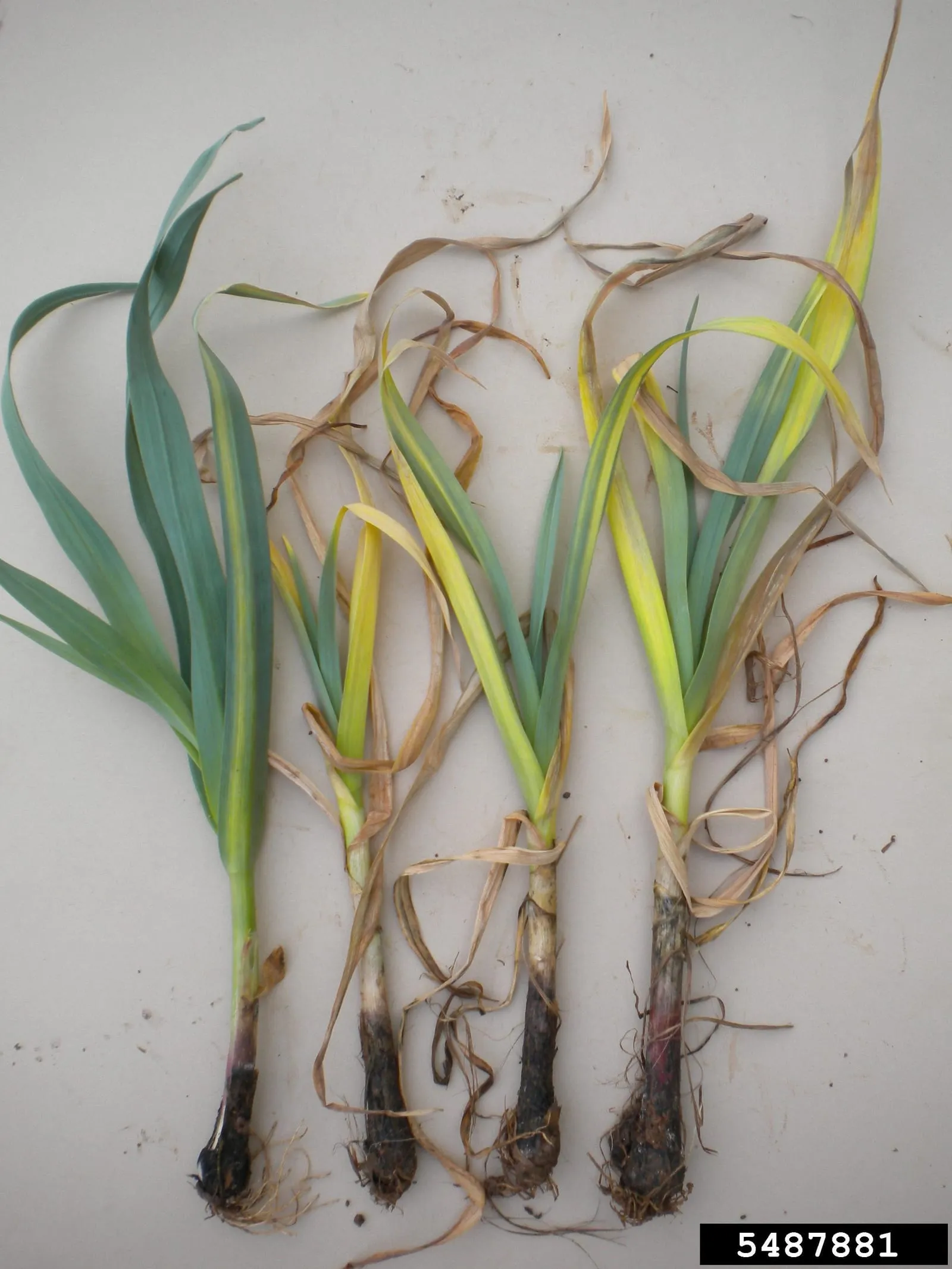
Onion White Rot (Sclerotium cepivorum) is the most consequential disease risk. Cool, wet spring soils in zone 6b create favorable conditions for infection. Sclerotia persist in soil for 20 or more years, so rotating alliums to a different bed every 3 to 4 years is necessary once contamination occurs, not optional. Avoid overhead irrigation during cool, overcast stretches in spring.
Stink bugs, noted as a zone pressure, can puncture leek foliage and introduce secondary rot. Row cover applied at transplanting and removed only for access reduces feeding damage without affecting a crop that needs no pollination.
Leek in adjacent zones
Image: "In zaad geschoten prei. (Allium ampeloprasum). Locatie, De Kruidhof Buitenpost 03", by Dominicus Johannes Bergsma, via Wikimedia Commons, licensed under CC-BY Source.
._Locatie,_De_Kruidhof_Buitenpost_03.jpg)
Related