vegetable in zone 6a
Growing leek in zone 6a
Allium ampeloprasum
- Zone
- 6a -10°F to -5°F
- Growing season
- 180 days
- Suitable varieties
- 3
- Days to harvest
- 100 to 130
The verdict
Zone 6a, with winter lows between -10°F and -5°F and a growing season of roughly 180 days, is a solid fit for leeks. Unlike fruit trees, leeks have no meaningful chill-hour requirement. What matters is season length, cold hardiness of the shank, and the ability to overwinter seedlings or transplants without killing them outright. Zone 6a delivers on all three. Leeks tolerate hard frosts through the mid-20s°F with minimal damage, and cold exposure in fall actually improves flavor by concentrating sugars in the shank.
All three recommended varieties perform reliably here. King Richard is a fast-maturing type that suits shorter windows; Bandit and American Flag carry better cold tolerance and are worth favoring for fall-into-winter harvests. This is not a marginal zone for leeks. Growers in zone 6a can expect consistent yields with standard management, and the long cool shoulder seasons on both ends of the 180-day window suit the crop well.
Recommended varieties for zone 6a
3 cultivars suited to this zone, with disease-resistance and zone-fit annotations.
| Variety | Notes | Zone fit | Disease resistance |
|---|---|---|---|
| King Richard fits zone 6a | Mild, sweet, delicate onion-cousin flavor; long slender white shanks. Soups, sauteing, French preparations. Early variety (75 days), tender, less cold-hardy. | | none noted |
| Bandit fits zone 6a | Sweet, robust, classic leek flavor; thick blue-green leaves over white shank. Soups, gratins, fresh. Cold-hardy overwintering type, holds in field through frost. | | none noted |
| American Flag fits zone 6a | Mild, sweet, classic flavor; heritage open-pollinated variety with thick white shanks. Soups, gratins, fresh. Cold-tolerant, dependable home-garden standard. | | none noted |
Critical timing for zone 6a
Seed leeks indoors 10 to 12 weeks before the last spring frost date. For most of zone 6a, that means sowing in late January or early February, with transplants ready for the ground in April once soil is workable. Direct sowing outdoors is possible but rarely practical given that leeks typically need 100 to 120 days to reach full shank diameter.
Fall harvest in zone 6a runs from September through November. Leeks can stay in the ground through the first light frosts, and a few cold nights often improve flavor. The binding constraint is hard soil freeze. Once the ground locks up, late-season harvest becomes difficult and plant quality declines. Plan to finish harvest by late November in most zone 6a locations, or mulch heavily and pull through early winter if conditions allow.
Common challenges in zone 6a
- ▸ Brown rot in stone fruit
- ▸ Japanese beetles
- ▸ Spring frost damage to peach buds
Disease pressure to watch for
Modified care for zone 6a
The most important timing adjustment in zone 6a is starting seeds early enough. Transplants set out too late in spring will not develop full shanks before summer heat stalls growth. Aim for pencil-thick transplants by the time they go in the ground.
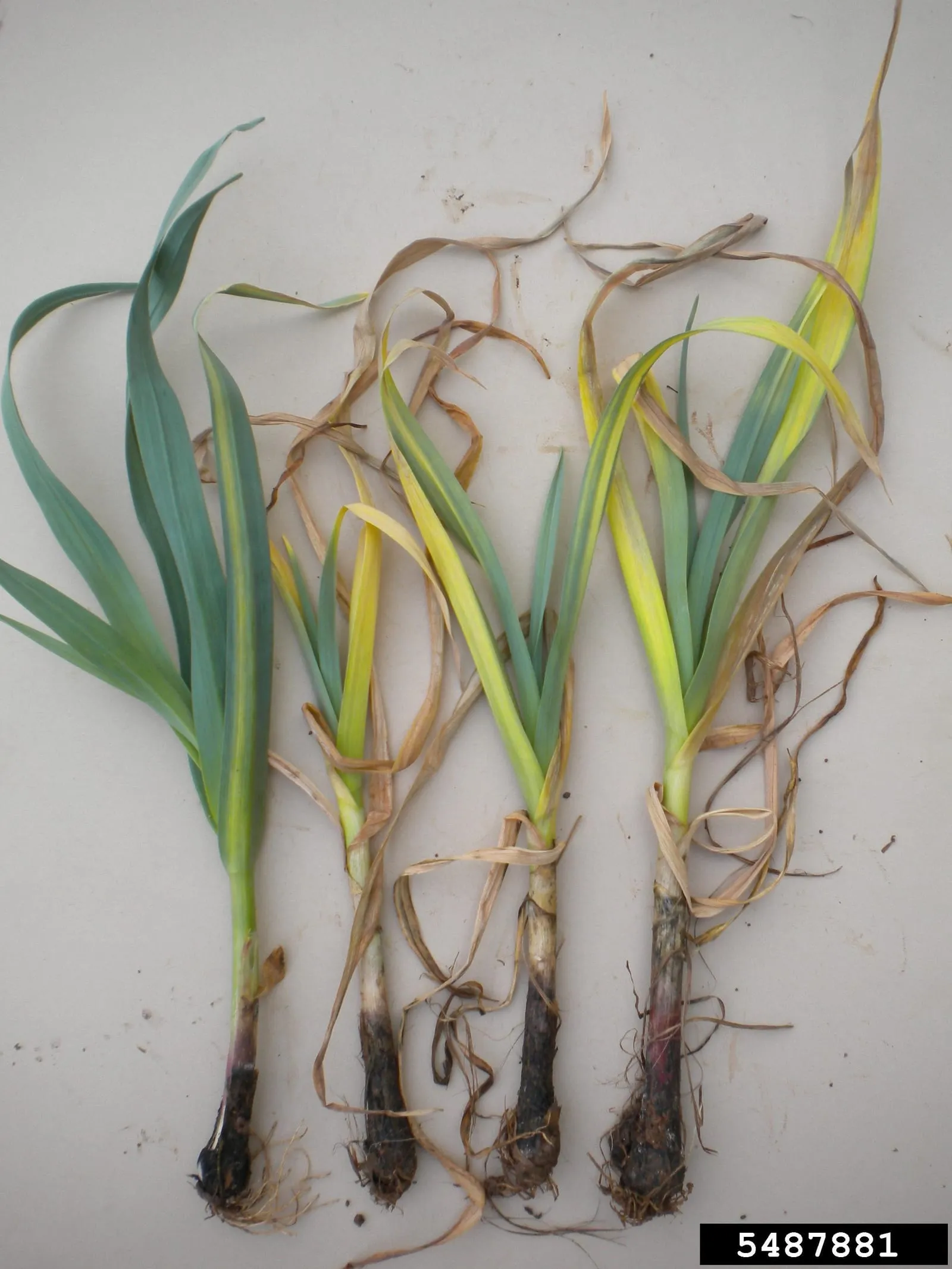
Blanching, hilling soil up around the shank progressively through the season, is standard practice regardless of zone and should not be skipped here. The primary disease concern for zone 6a leek growers is Onion White Rot (Stromatinia cepivorum), a soilborne fungal pathogen that can persist in soil for 20 or more years. It spreads readily in cool, wet spring conditions that zone 6a regularly provides. Avoid planting leeks or any allium in beds with a white rot history. Rotate alliums on at least a 3-year cycle and do not move soil from affected beds. No effective organic remediation exists once white rot is established.
Leek in adjacent zones
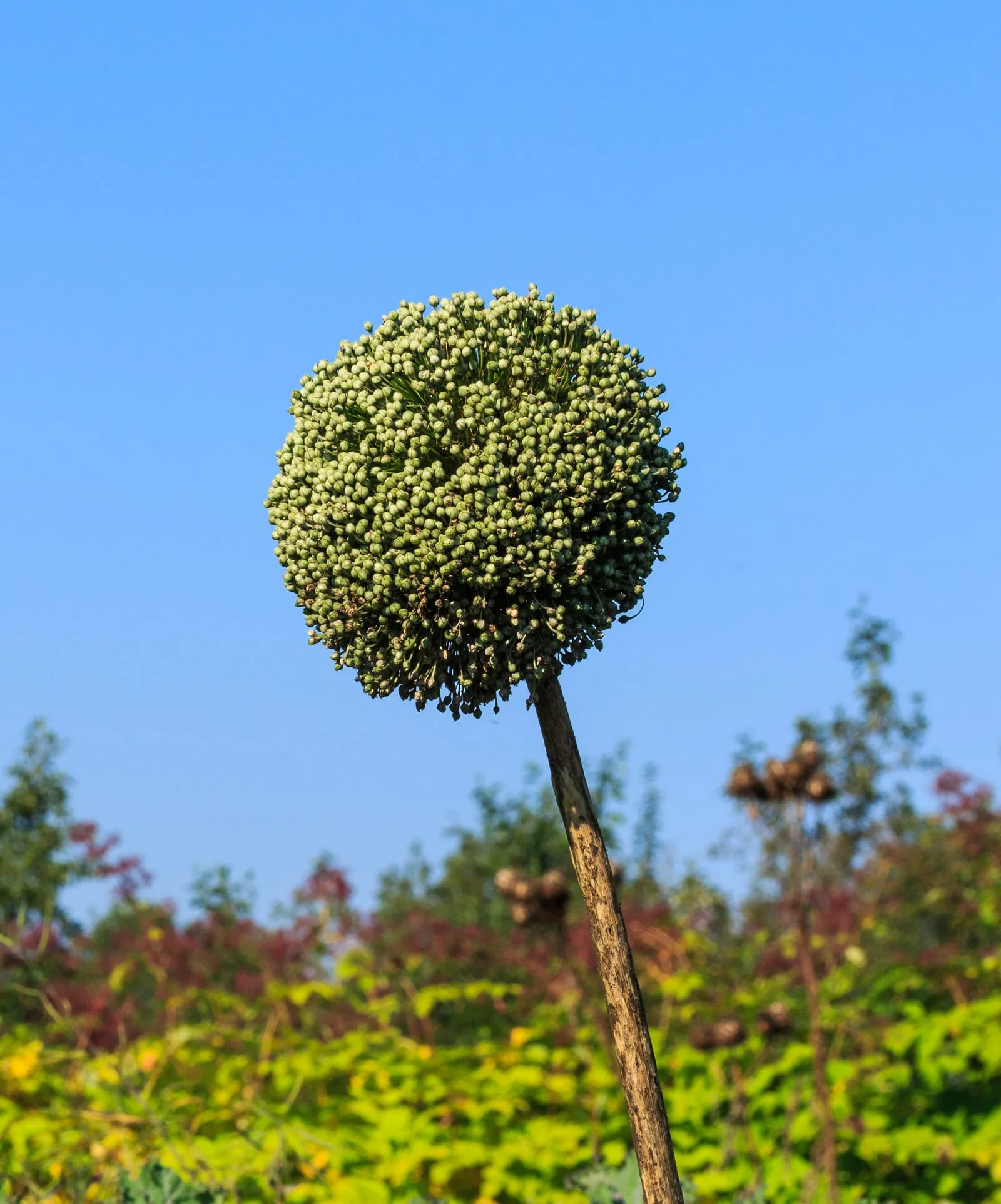
Image: "In zaad geschoten prei. (Allium ampeloprasum). Locatie, De Kruidhof Buitenpost 03", by Dominicus Johannes Bergsma, via Wikimedia Commons, licensed under CC-BY Source.
._Locatie,_De_Kruidhof_Buitenpost_03.jpg)
Related