vegetable in zone 3b
Growing leek in zone 3b
Allium ampeloprasum
- Zone
- 3b -35°F to -30°F
- Growing season
- 100 days
- Suitable varieties
- 1
- Days to harvest
- 100 to 130
The verdict
Leek is a viable crop in zone 3b, but the 100-day growing season leaves almost no buffer. Most standard leek varieties require 100 to 120 days from transplant to full harvest size, which makes them a marginal fit at best for this zone. The Bandit variety is specifically selected for short-season performance, reaching usable size in roughly 80 to 100 days from transplant, and it is the practical choice here.
Unlike fruit trees, leeks do not have chill-hour requirements, so extreme winter cold is not a direct factor in variety selection. The binding constraint is season length, not cold hardiness. Leeks tolerate light frost well and can even improve in flavor after a light freeze, which works in zone 3b's favor for late-season harvest. The challenge is compressing transplant establishment, stem development, and blanching into a window that closes quickly. Growers who start transplants early indoors and get them in the ground promptly after last frost can make zone 3b work for leeks, but the margin for delays is thin.
Recommended varieties for zone 3b
1 cultivar suited to this zone, with disease-resistance and zone-fit annotations.
| Variety | Notes | Zone fit | Disease resistance |
|---|---|---|---|
| Bandit fits zone 3b | Sweet, robust, classic leek flavor; thick blue-green leaves over white shank. Soups, gratins, fresh. Cold-hardy overwintering type, holds in field through frost. | | none noted |
Critical timing for zone 3b
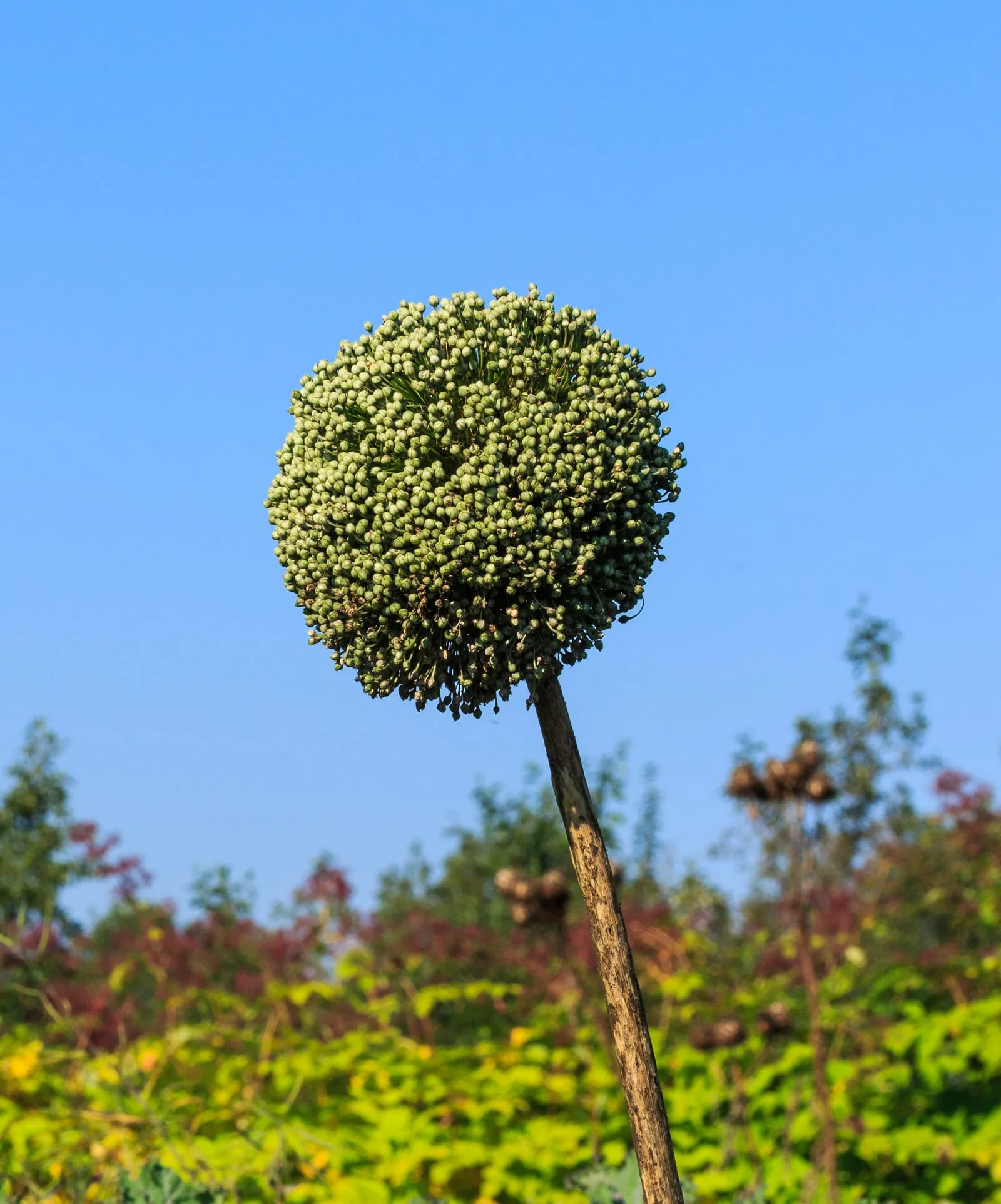
Leek is a biennial grown as an annual for harvest; it does not flower in its first growing season under normal conditions. Bolting is not a practical concern in zone 3b because the season ends before vernalization can trigger it.
In zone 3b, transplants should go in the ground as soon as the soil can be worked after last frost, typically late May to early June. That means starting seeds indoors in mid to late February, roughly 10 to 12 weeks before the anticipated transplant date. Harvest runs from mid-August through mid-September. Waiting until after a light frost can improve sweetness, but hard freezes below 25°F will damage exposed plants. The practical harvest window is narrow, around four to six weeks, before conditions deteriorate.
Common challenges in zone 3b
- ▸ Short season
- ▸ Winter desiccation
- ▸ Site selection critical for fruit trees
Disease pressure to watch for
Modified care for zone 3b
The most important adjustment in zone 3b is moving the indoor start date earlier than most guides recommend. A 10 to 12 week head start, begun in mid-February, is necessary to have transplants large enough to benefit from the full growing window.
Blanching, the practice of hilling soil around the stems to develop the white shaft, needs to begin by early August rather than mid-August, to fit within the shorter season. Row cover can extend the usable harvest window by a week or two at the back end of the season.
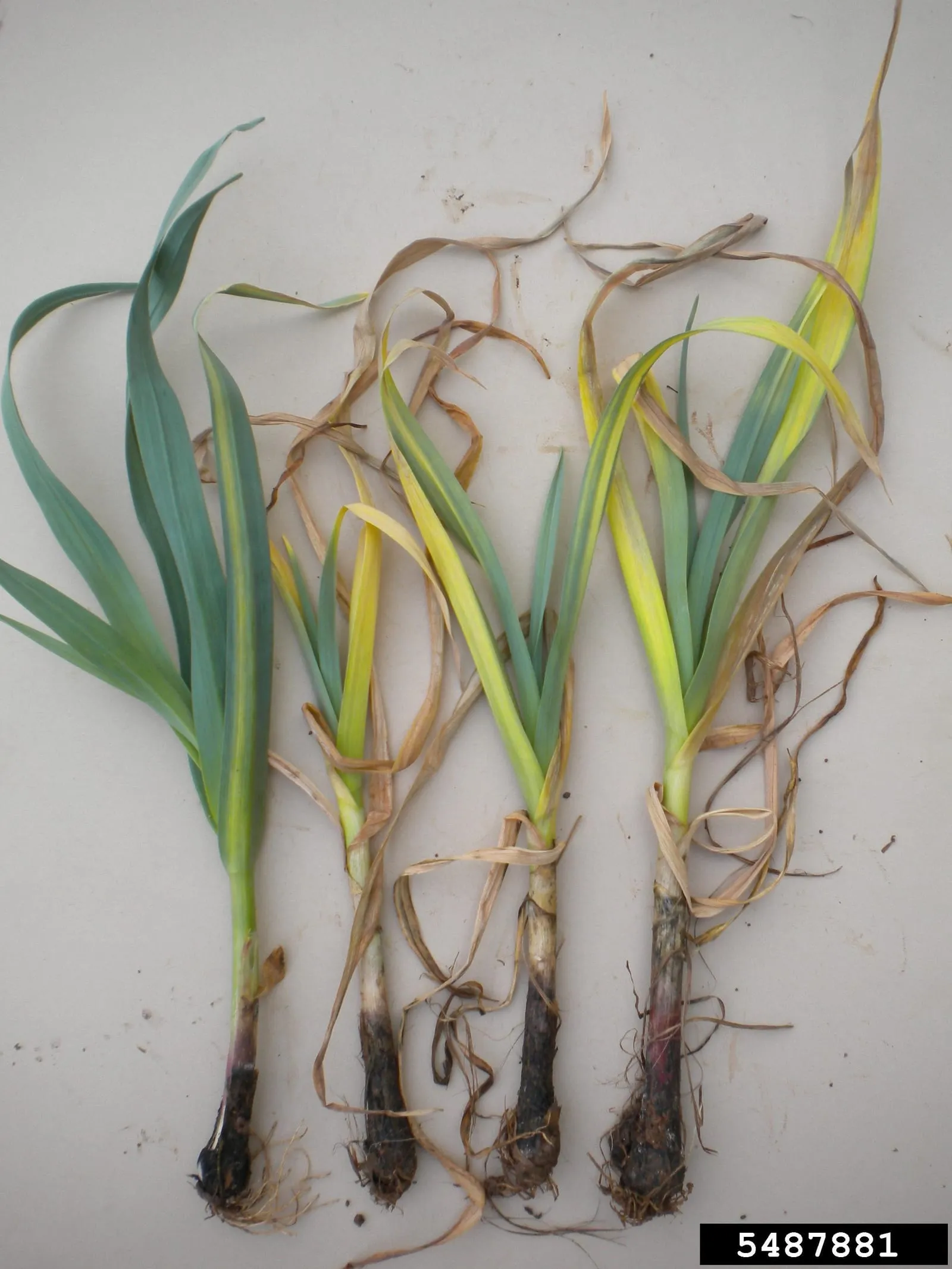
Onion White Rot (Stromatinia cepivora) is the primary disease concern. The pathogen thrives in cool, wet soils, conditions common in zone 3b during early summer. Avoid planting in low spots with poor drainage, and do not return alliums to the same bed for at least eight years if the disease has appeared, as sclerotia persist in soil for decades. There are no effective fungicide rescues once infection is established.
Frequently asked questions
- Can leeks overwinter in zone 3b?
No. Zone 3b minimum temperatures of -35 to -30°F will kill leek plants even with heavy mulch. Leeks should be harvested before hard freezes arrive in September and either used fresh or stored in a cool root cellar.
- Why is Bandit recommended for zone 3b instead of other leek varieties?
Bandit reaches usable harvest size in roughly 80 to 100 days from transplant, which fits within zone 3b's 100-day growing season. Longer-season varieties such as American Flag require 110 to 120 days and will not reliably mature before fall frosts.
- How early should leek seeds be started indoors in zone 3b?
Start seeds indoors in mid-February, approximately 10 to 12 weeks before your expected last frost date. Zone 3b last frost dates typically fall in late May to early June, so a February 10 to 20 start is appropriate for most of the zone.
+−
+−
+−
Leek in adjacent zones
Image: "In zaad geschoten prei. (Allium ampeloprasum). Locatie, De Kruidhof Buitenpost 03", by Dominicus Johannes Bergsma, via Wikimedia Commons, licensed under CC-BY Source.
._Locatie,_De_Kruidhof_Buitenpost_03.jpg)
Related