vegetable in zone 3b
Growing pole bean in zone 3b
Phaseolus vulgaris
- Zone
- 3b -35°F to -30°F
- Growing season
- 100 days
- Suitable varieties
- 1
- Days to harvest
- 60 to 80
The verdict
Zone 3b's 100-day frost-free window sits at the lower boundary of what pole beans can reliably produce. Unlike perennial fruit crops, pole beans carry no chill-hour requirement; the relevant thresholds are soil temperature (minimum 60°F at planting, preferably 65°F) and the number of frost-free days available. Most pole bean varieties need 60 to 90 days from direct sowing to first harvest, which leaves almost no margin in a zone where the last spring frost often falls in late May and the first fall frost can arrive by late August or early September. Scarlet Runner, the variety best suited to zone 3b conditions, matures in roughly 65 to 70 days and tolerates somewhat cooler night temperatures than most snap types. Zone 3b is a marginal growing environment for pole beans: success is achievable in most years, but it depends on deliberate timing and a willingness to use season-extension techniques. In a poor year, an early fall frost can cut the harvest window to nearly nothing.
Recommended varieties for zone 3b
1 cultivar suited to this zone, with disease-resistance and zone-fit annotations.
| Variety | Notes | Zone fit | Disease resistance |
|---|---|---|---|
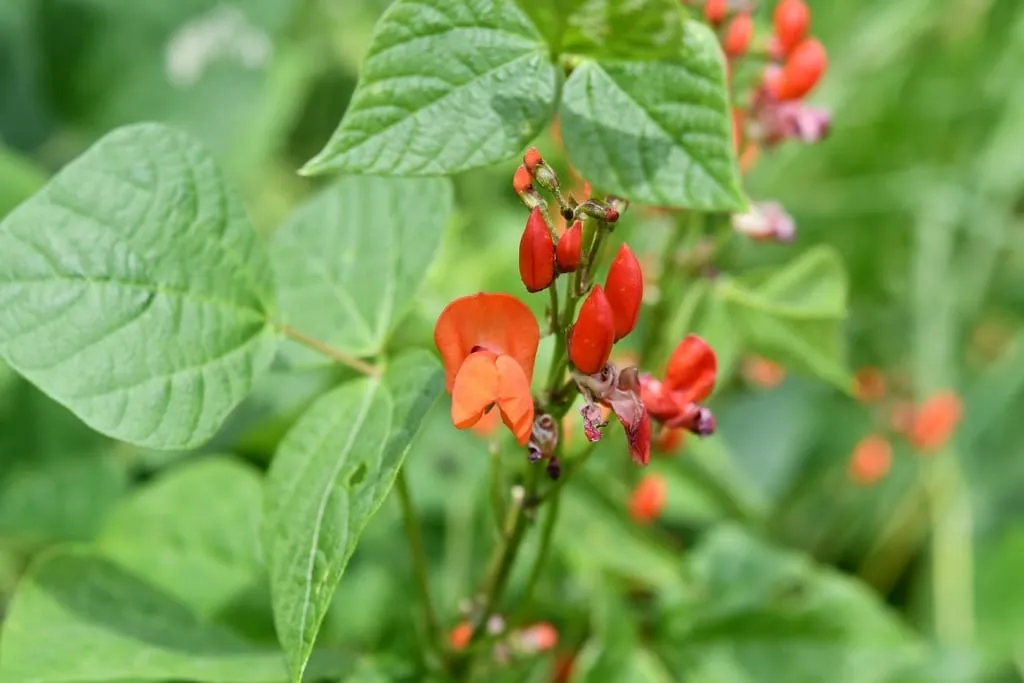
| Scarlet Runner fits zone 3b | Hearty, slightly mealy, complex flavor; fresh-eating snap bean and dry shell-bean. Bright red flowers attract hummingbirds. Productive in cooler summers, prefers it cool. | | none noted |
Critical timing for zone 3b
Direct sow after the last spring frost, typically late May to early June in zone 3b. Soil temperature should read at least 60°F before seeding; planting into cold soil delays germination and increases the risk of seed rot. Pole beans begin flowering approximately 50 to 60 days after germination, placing first bloom in mid to late July under normal zone 3b conditions. Harvest follows 10 to 20 days after flowering begins. A first fall frost arriving in late August or early September compresses the picking window considerably, often limiting harvest to a single 2 to 3 week flush rather than the extended, multi-month harvest common in warmer zones. Monitor forecasts closely in August and be ready to cover or harvest ahead of frost.
Common challenges in zone 3b
- ▸ Short season
- ▸ Winter desiccation
- ▸ Site selection critical for fruit trees
Disease pressure to watch for
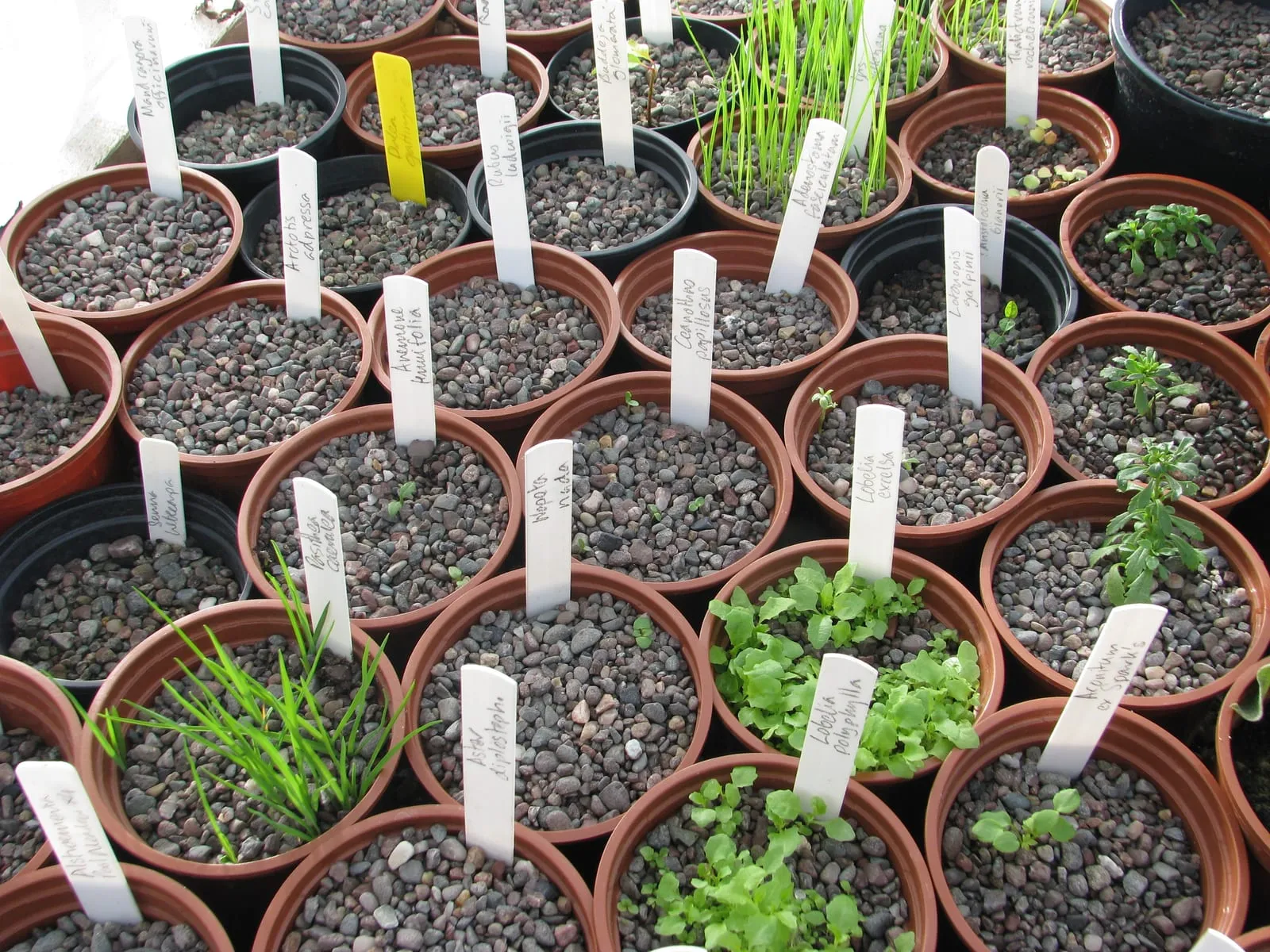
Pythium and Rhizoctonia species
Soil-borne complex of water molds and fungi that kill seedlings before or shortly after emergence. The single most common cause of seed-starting failures.
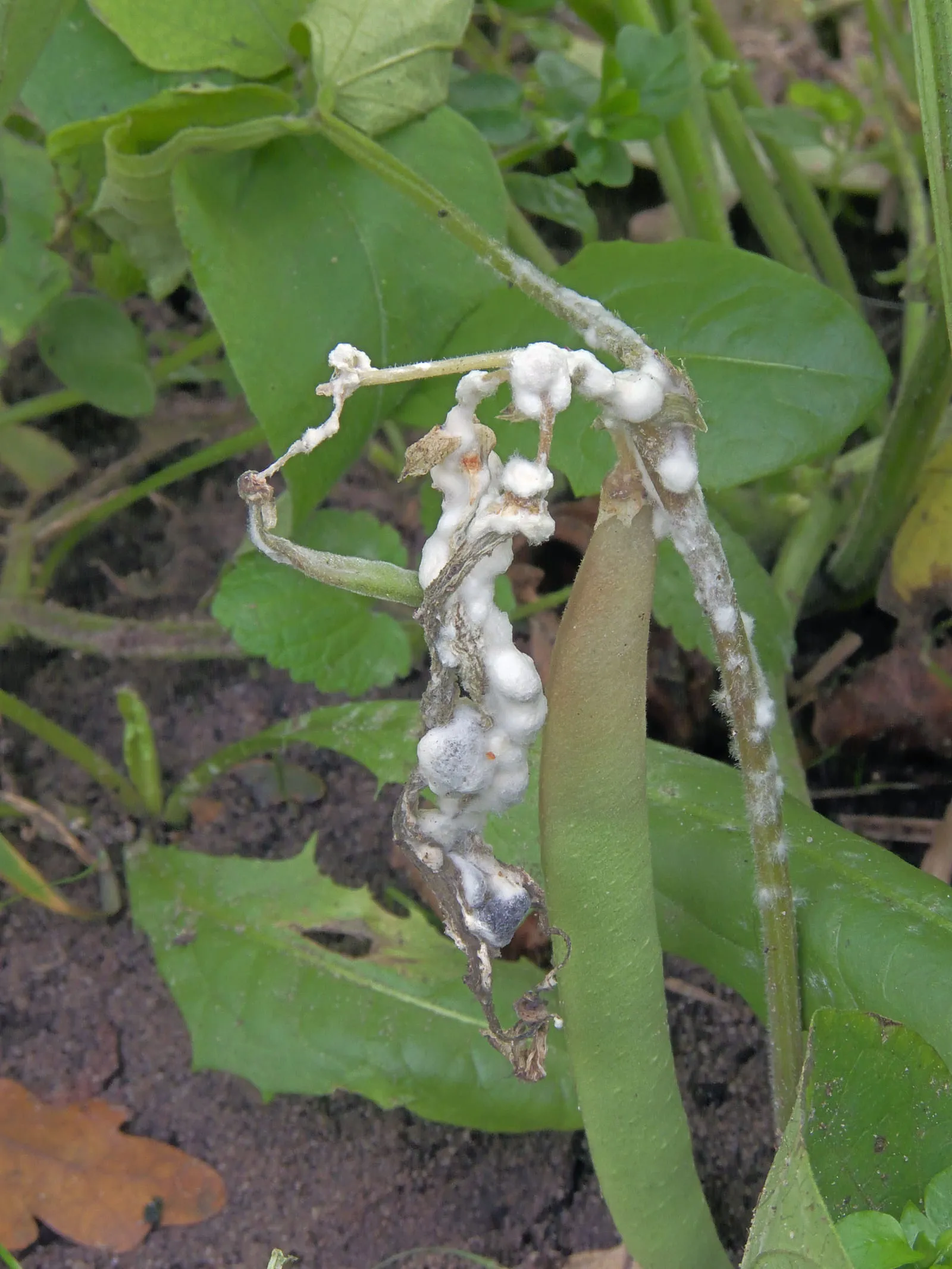
Sclerotinia sclerotiorum
Fungal disease that produces fluffy white mycelium on stems and lower leaves. Forms hard black sclerotia (resting bodies) that survive 5+ years in soil.
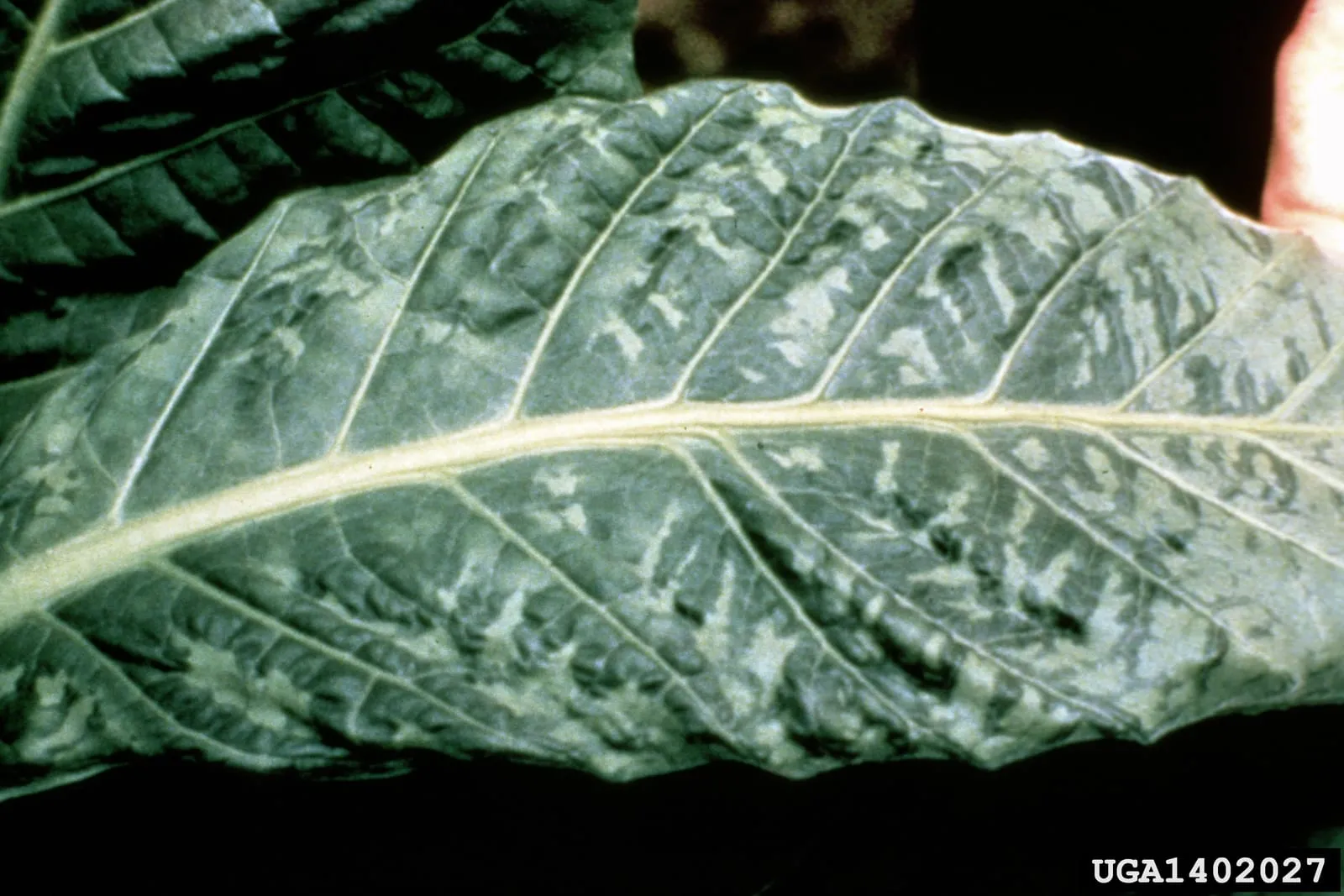
Cucumber mosaic virus, Tobacco mosaic virus, and others
Family of plant viruses producing mottled yellow-and-green leaf patterns. Vectored primarily by aphids; some are seed-transmitted or spread by handling tools and tobacco products.
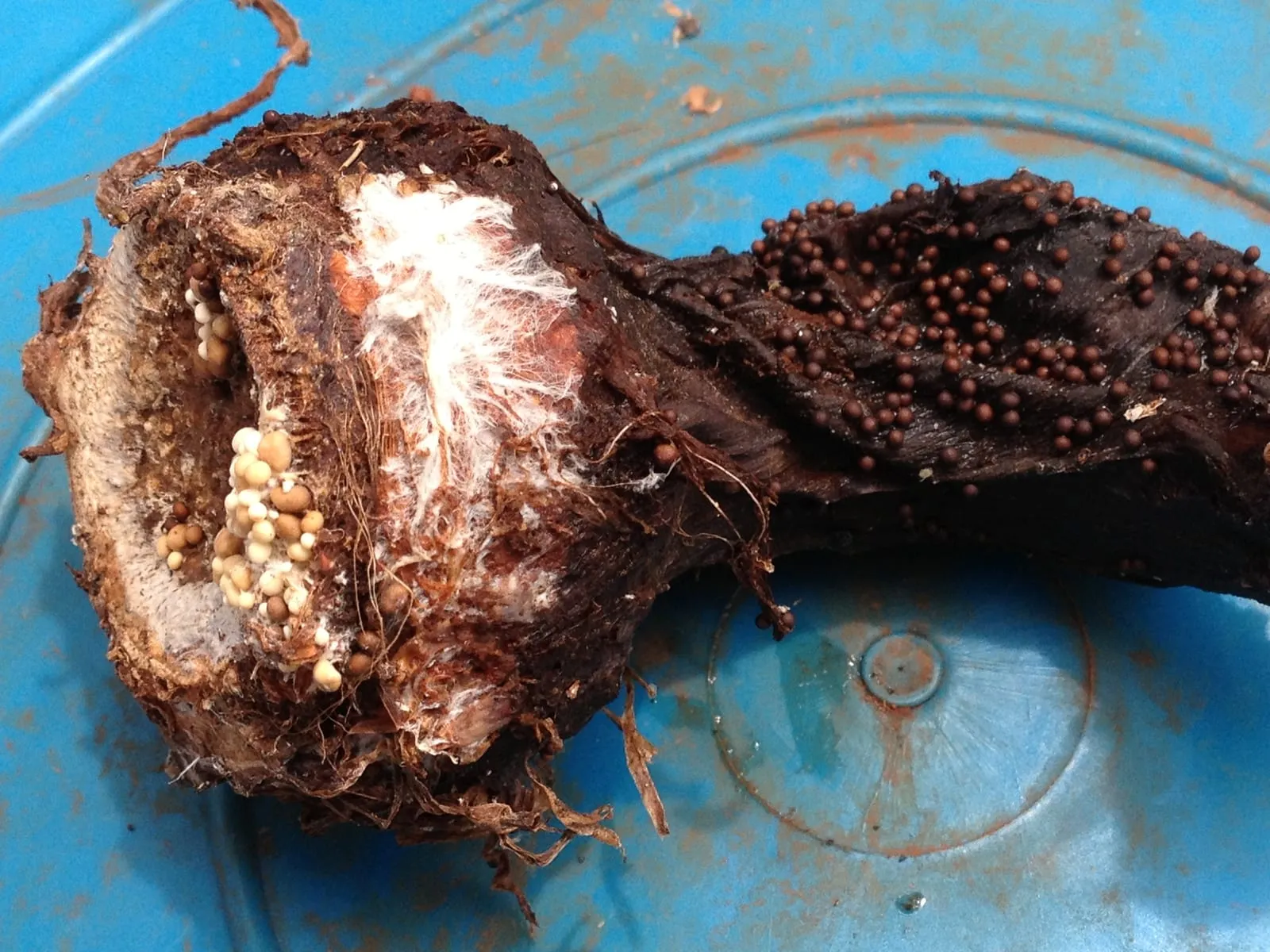
Sclerotium rolfsii
Soil-borne fungal disease most damaging in warm humid Southern conditions. White mycelial fans and small mustard-seed-sized sclerotia at the soil line are diagnostic.
Modified care for zone 3b
Two adjustments matter most in zone 3b: accelerating soil warmup at the start of the season and managing White Mold pressure through the summer.
Lay black plastic mulch over the planting bed two weeks before sowing to pre-warm the soil. Floating row covers can also push the frost-free window by a few degrees at either end of the season, but remove solid covers once plants are up to ensure adequate air circulation and pollinator access during bloom.
White Mold (Sclerotinia sclerotiorum) is well-suited to the cool, moist conditions that zone 3b summers can deliver. Space plants at least 8 to 10 inches apart and avoid overhead irrigation; wet foliage in cool weather accelerates infection. Remove any visibly infected stems or pods immediately and dispose of them away from the garden. Do not compost infected material, as the fungal sclerotia can persist in soil for multiple years.
Pole Bean in adjacent zones
Image: "Ayocote", by Neptalí Ramírez Marcial, via iNaturalist, licensed under CC-BY Source.
Related