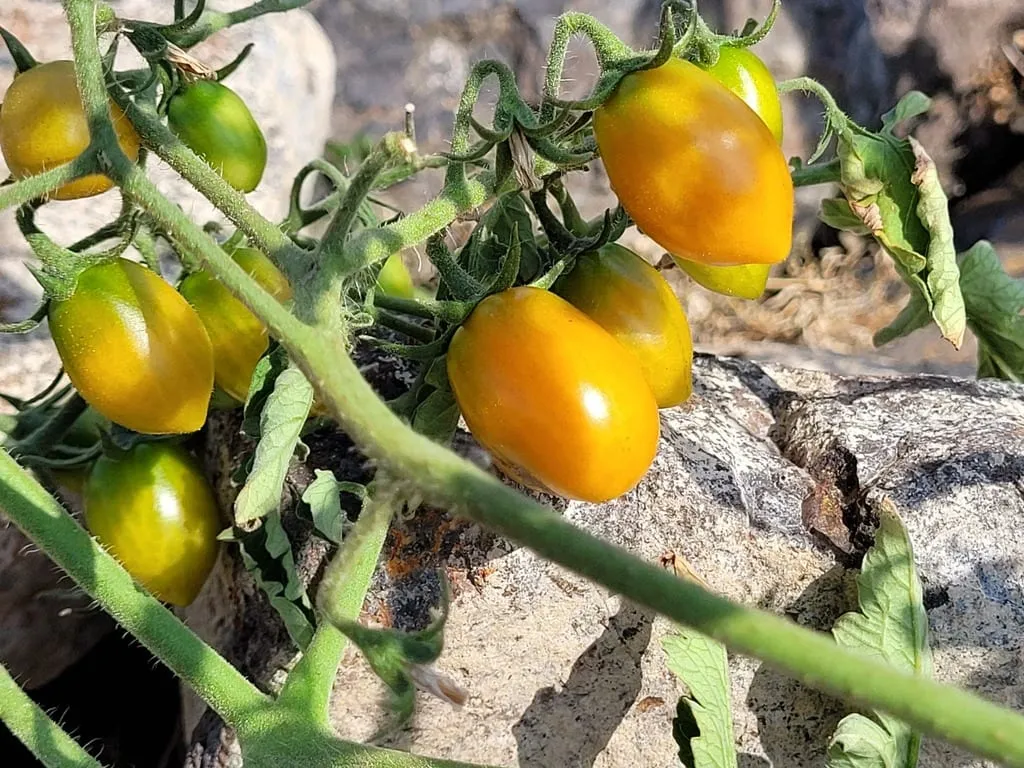
vegetable in zone 6b
Growing tomato in zone 6b
Solanum lycopersicum
- Zone
- 6b -5°F to 0°F
- Growing season
- 190 days
- Suitable varieties
- 7
- Days to harvest
- 55 to 90
The verdict
Tomatoes are warm-season annuals, so chill-hour accumulation is not a relevant metric here. What matters is season length and frost timing. Zone 6b's 190-day growing season is more than adequate for the full range of tomato types, from fast-maturing varieties like Early Girl (around 50 to 55 days to first harvest from transplant) to longer-season heirlooms like Brandywine and Mortgage Lifter, which typically need 80 to 90 days.
Zone 6b is a solid fit for tomatoes, not a marginal one. Growers in this zone have enough warm weeks to ripen even demanding full-season varieties when transplants go in at the right time. The limiting factor is not heat accumulation but disease pressure. Early blight, late blight, and Septoria leaf spot tend to build through humid midsummer stretches, and zone 6b's combination of warm days and summer rainfall creates reliable conditions for all three. Variety selection with an eye toward disease resistance or proven regional performance matters considerably more here than in drier western climates.
Recommended varieties for zone 6b
7 cultivars suited to this zone, with disease-resistance and zone-fit annotations.
| Variety | Notes | Zone fit | Disease resistance |
|---|---|---|---|
| Brandywine fits zone 6b | Rich, complex, full tomato flavor with high sugar and high acid; the heritage standard for fresh slicing and BLTs. Beefsteak indeterminate, pink-red, dense flesh. Susceptible to disease but unmatched in flavor. | | none noted |
| Cherokee Purple fits zone 6b | Smoky-sweet, complex, almost wine-like; dark purple-red beefsteak. Fresh slicing, sandwiches, salads. Indeterminate, productive, more disease-tolerant than most heirlooms. | | none noted |
| Sungold fits zone 6b | Intensely sweet, candy-like, tropical-fruit notes; small orange cherry tomato. Fresh snacking, salads. Indeterminate, very productive, splits if irrigation is uneven. | | none noted |
| San Marzano fits zone 6b | Sweet-low-acid, dense flesh with few seeds; the Italian paste tomato standard. Sauce, canning, sun-drying. Indeterminate, long fruiting period. | | none noted |
| Early Girl fits zone 6b | Tart-sweet, classic balanced tomato flavor; medium-size red slicer. Fresh, salads, sandwiches. Determinate, ripens early (55 days), reliable in short seasons. | | none noted |
| Roma fits zone 6b | Mild, low-water content, meaty; the workhorse paste tomato. Sauce, canning, drying. Determinate, concentrated harvest, holds well after picking. | | none noted |
| Mortgage Lifter fits zone 6b | Sweet, mild, very low acid; large pink-red beefsteak with few seeds. Fresh slicing, sandwiches. Indeterminate, productive heritage variety from Depression-era Virginia. | | none noted |
Critical timing for zone 6b
Last frost in zone 6b typically falls between late April and early May, varying by local topography and elevation. Tomato transplants should not go into the ground until soil temperature consistently reaches 60°F, which usually aligns with the post-frost window. Starting seeds indoors 6 to 8 weeks before the expected last frost date puts seedlings at transplant size when outdoor conditions allow.
Harvest timing depends on variety. Sungold and Early Girl begin producing 50 to 60 days after transplant, meaning first ripe fruit by mid to late July in most zone 6b locations. Full-season heirlooms like Brandywine and Cherokee Purple follow in August. First fall frost, typically mid to late October in zone 6b, closes the season and gives growers roughly five months of production potential from transplant to frost.
Common challenges in zone 6b
- ▸ Cedar-apple rust
- ▸ Fire blight
- ▸ Stink bugs
Disease pressure to watch for
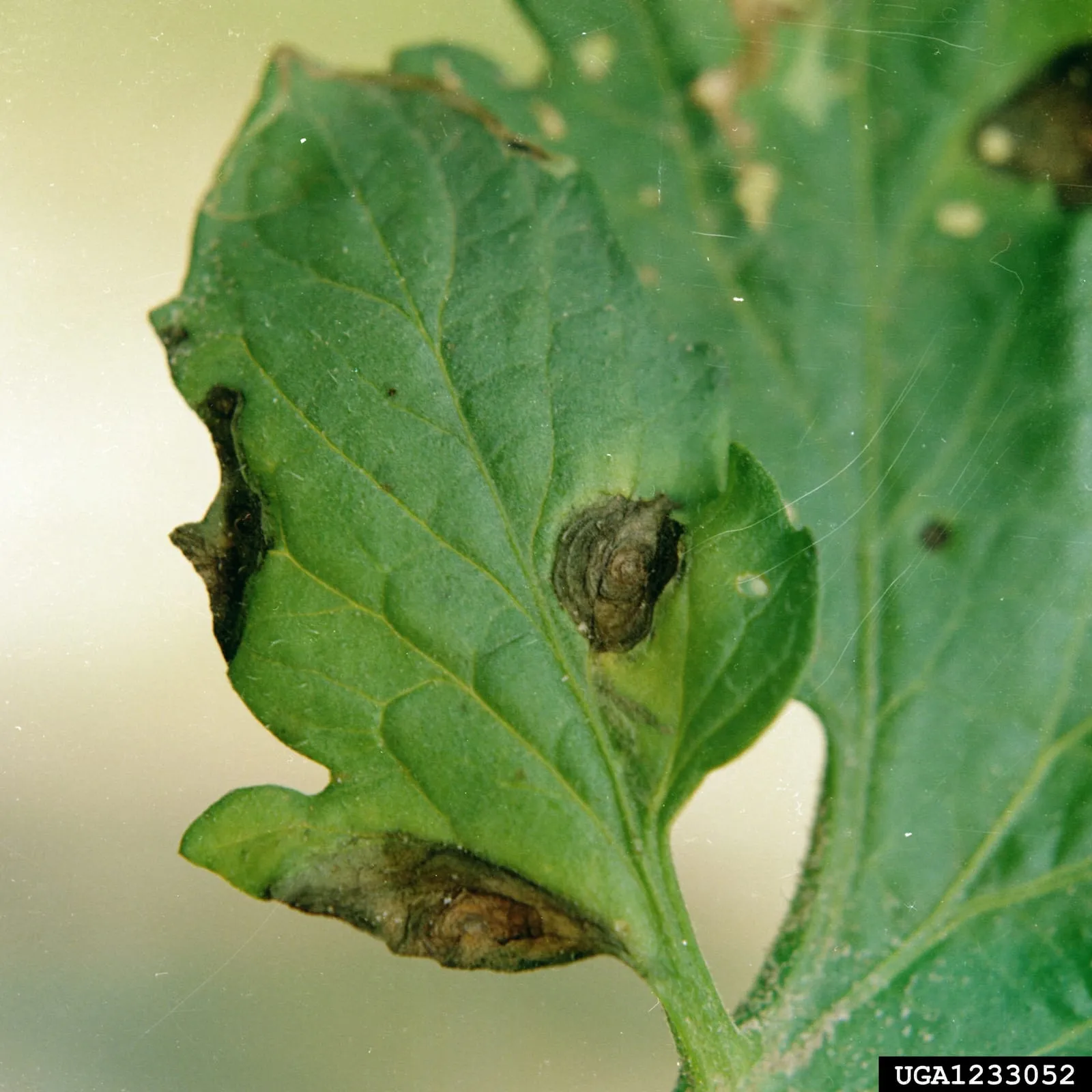
Alternaria solani
Fungal disease starting on lower leaves and progressing upward. The most common tomato and potato leaf disease in the eastern US.
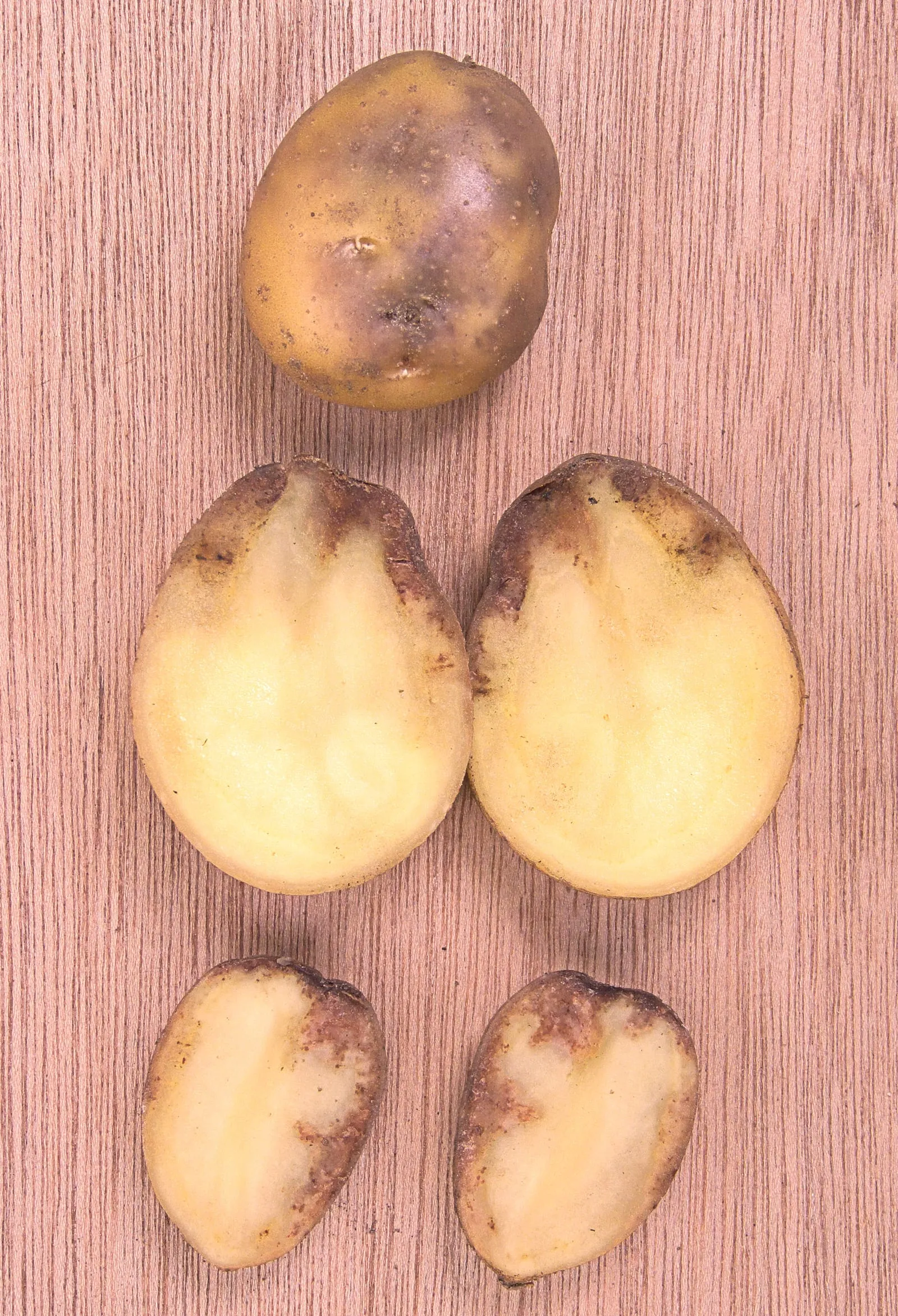
Phytophthora infestans
The pathogen responsible for the Irish Potato Famine. Devastating in cool wet weather; can destroy a tomato planting in days.
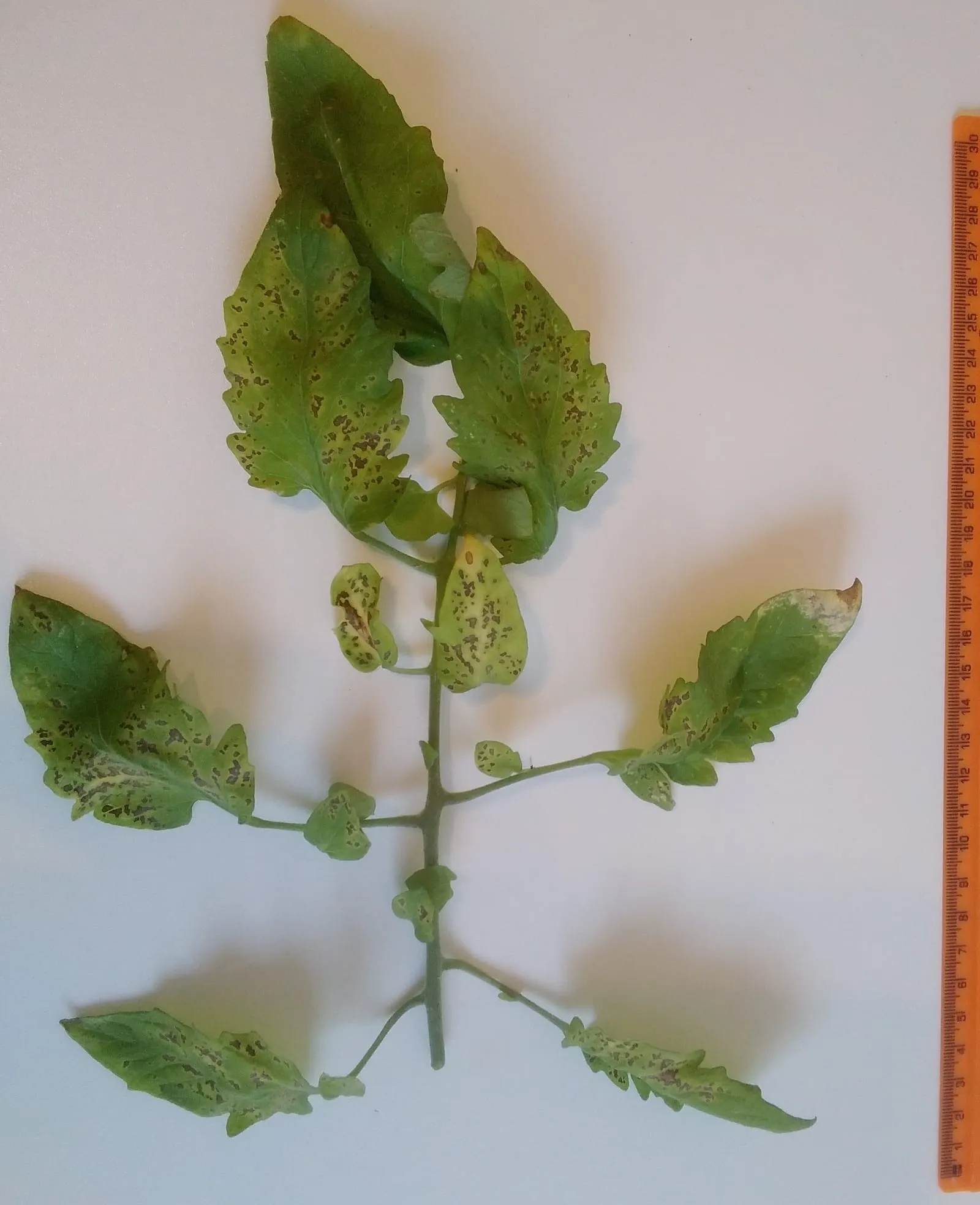
Septoria lycopersici
Fungal disease that defoliates tomato from the bottom up. Doesn't directly affect fruit but reduces yield through loss of leaf area.
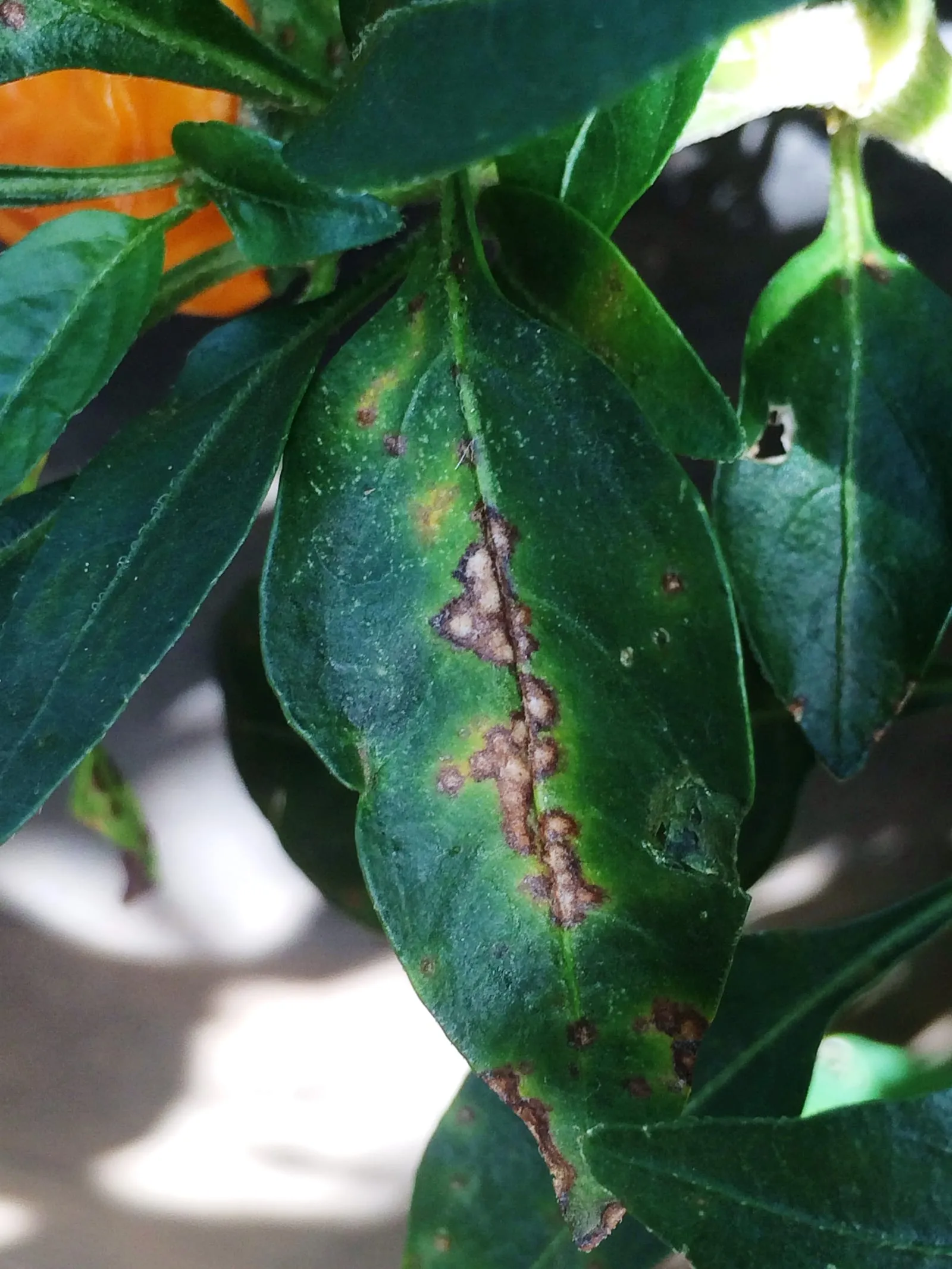
Xanthomonas euvesicatoria and X. perforans
Bacterial disease causing leaf spots and fruit blemishes on pepper and tomato. Severe in warm humid weather, transmitted via splashing water and seed.
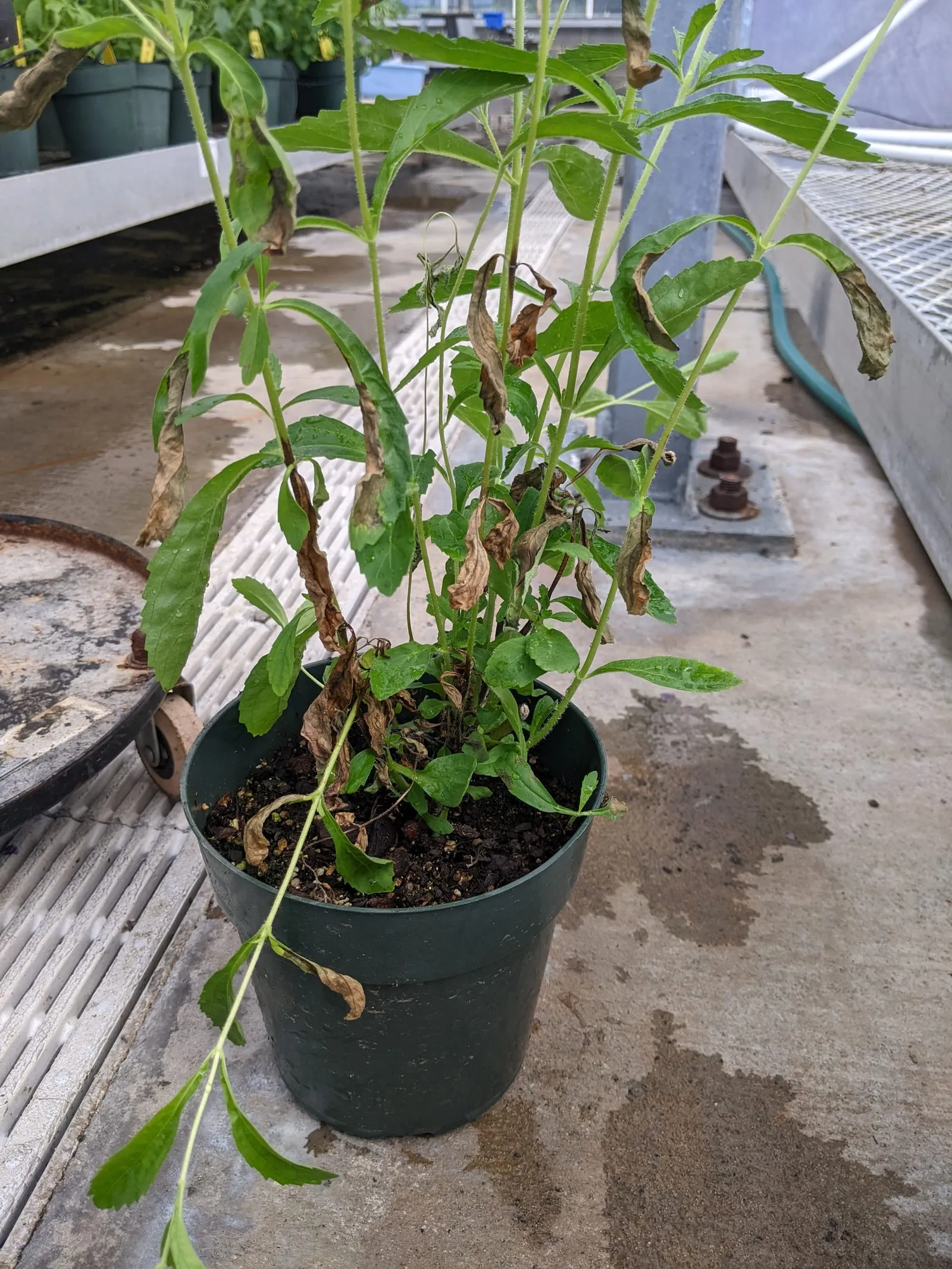
Tomato spotted wilt orthotospovirus (TSWV)
Virus vectored by thrips, particularly western flower thrips. Wide host range and growing global distribution. No cure once infected.
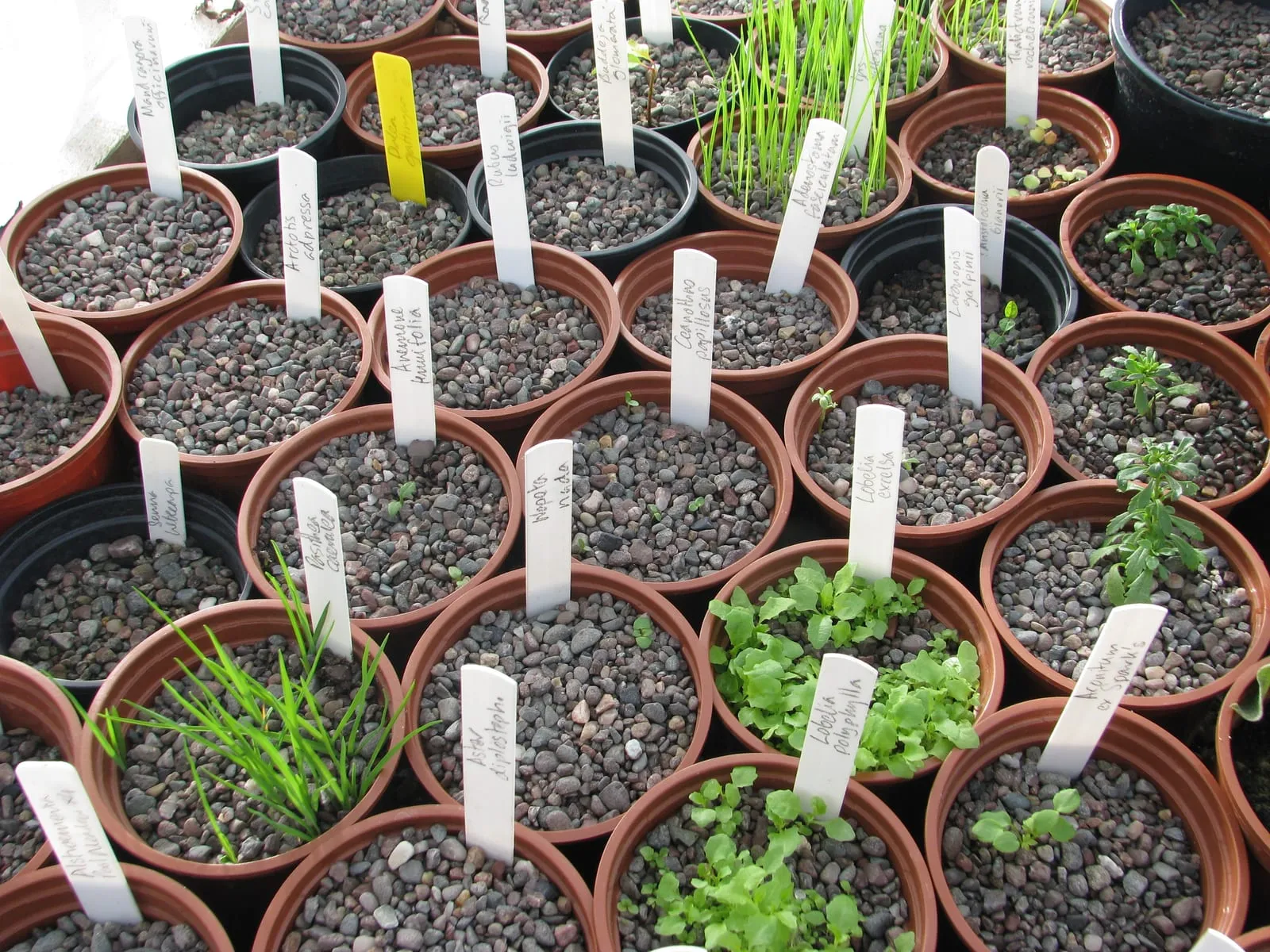
Pythium and Rhizoctonia species
Soil-borne complex of water molds and fungi that kill seedlings before or shortly after emergence. The single most common cause of seed-starting failures.
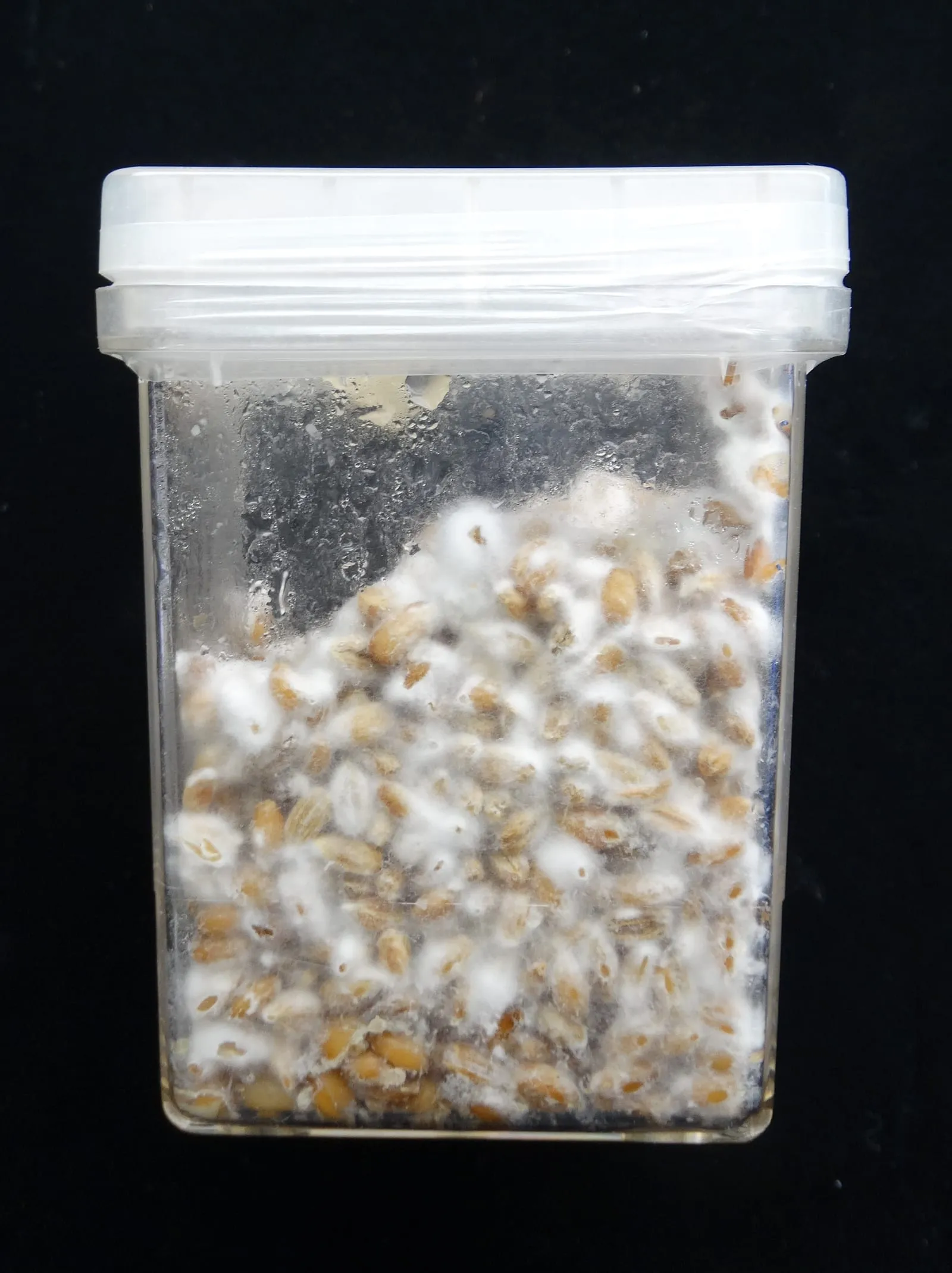
Fusarium oxysporum
Soil-borne fungal disease that plugs vascular tissue and kills affected plants. Persists in soil for many years; impossible to eliminate once established.
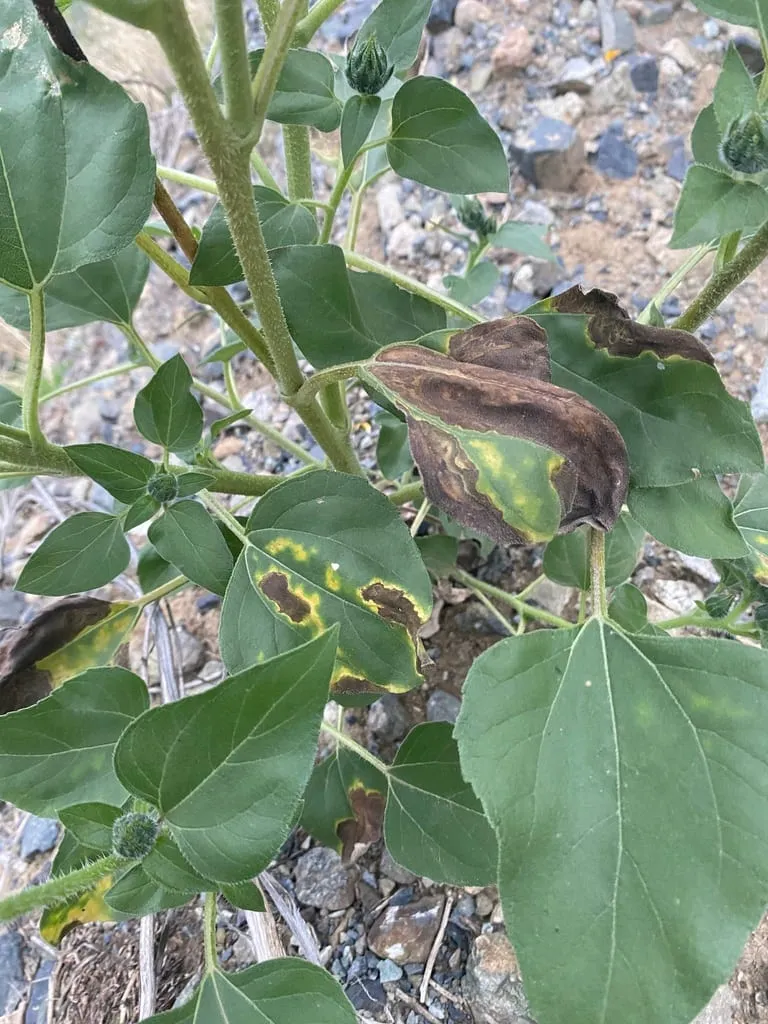
Verticillium dahliae
Soil-borne fungal disease similar to fusarium wilt but with broader host range and cooler temperature optimum. Persists in soil for 10+ years.
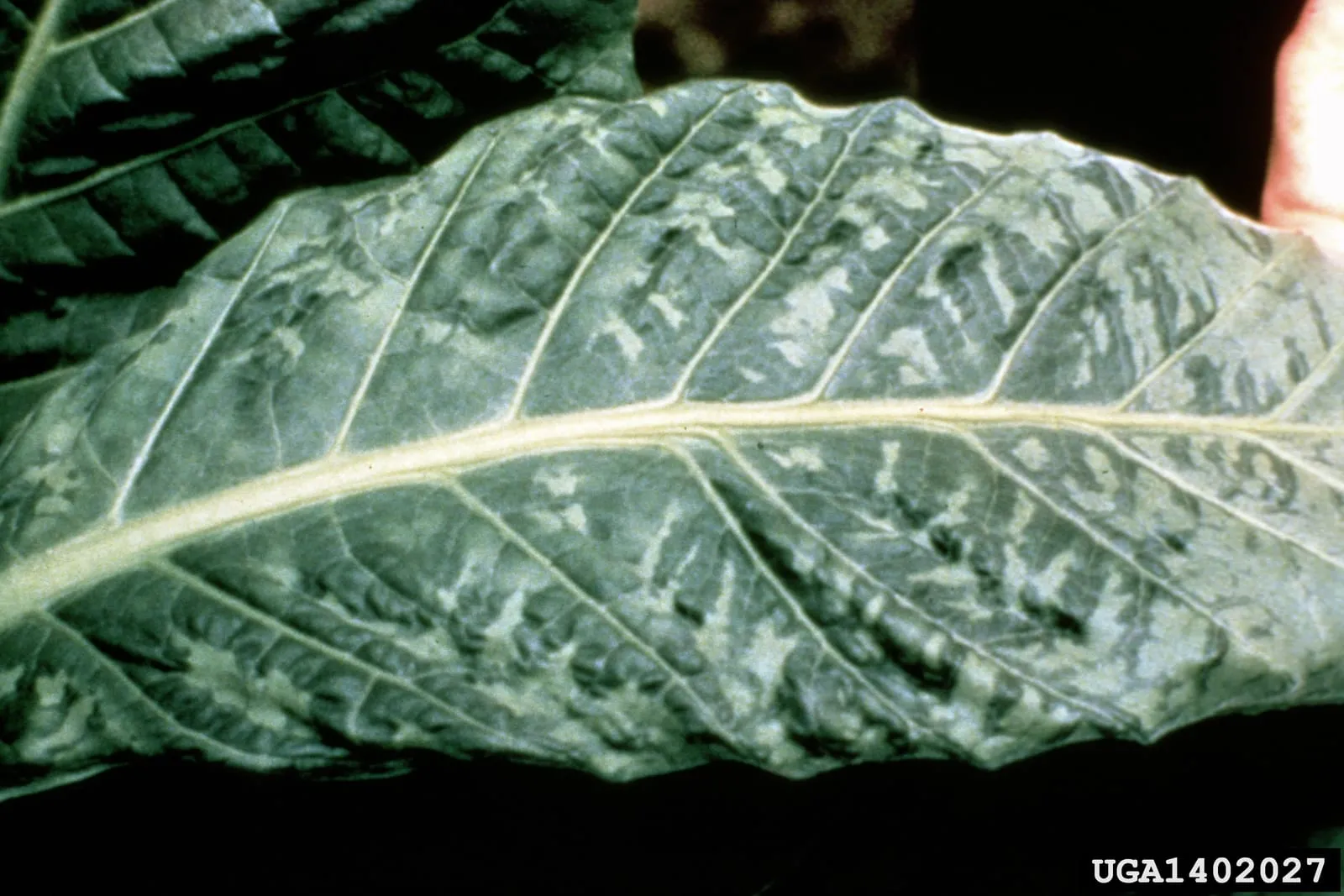
Cucumber mosaic virus, Tobacco mosaic virus, and others
Family of plant viruses producing mottled yellow-and-green leaf patterns. Vectored primarily by aphids; some are seed-transmitted or spread by handling tools and tobacco products.
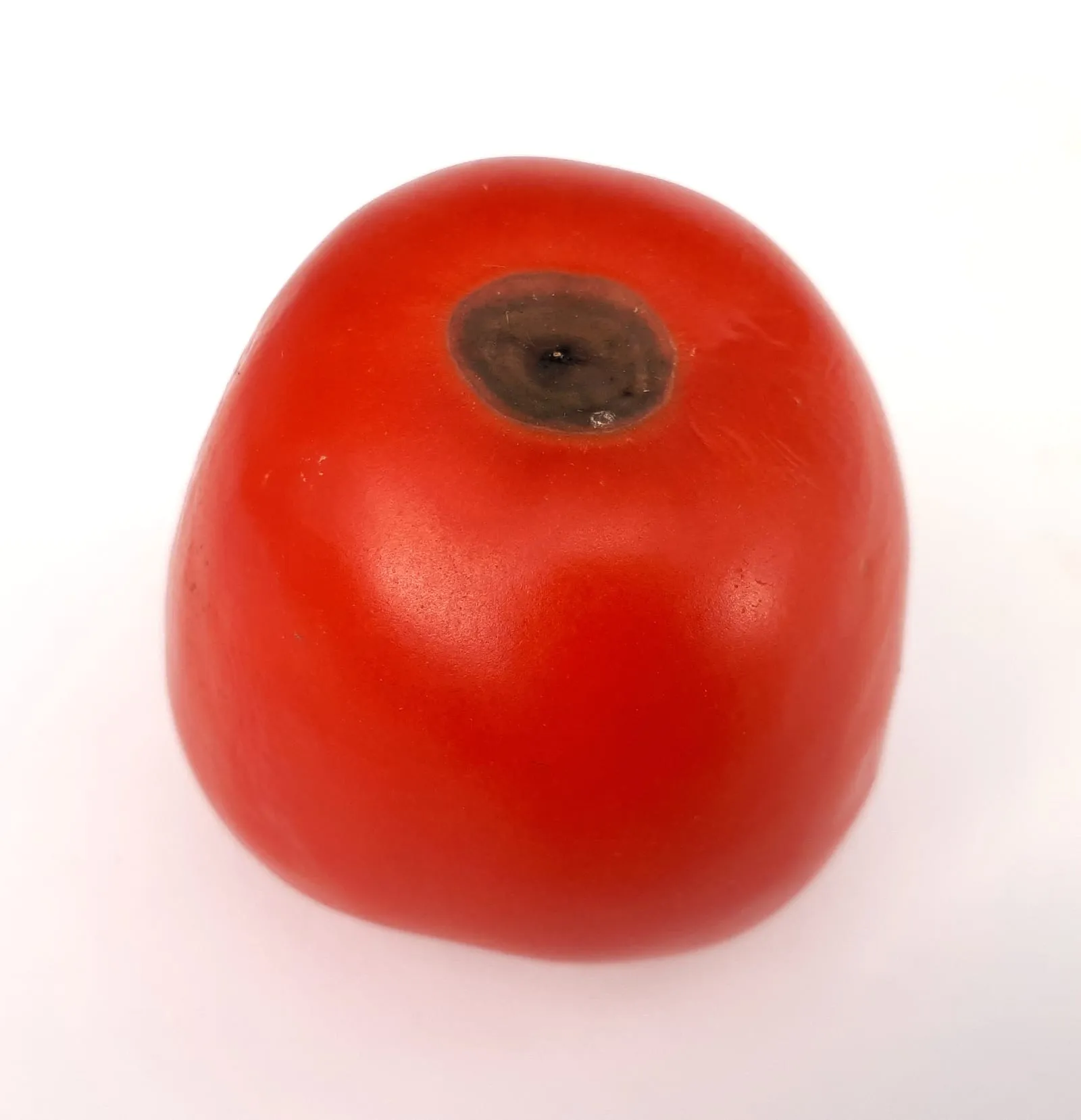
Calcium deficiency physiological disorder
Not a true disease but a calcium-uptake disorder caused by inconsistent soil moisture during fruit development. The dominant cause of damaged first-fruit on home tomato plantings.
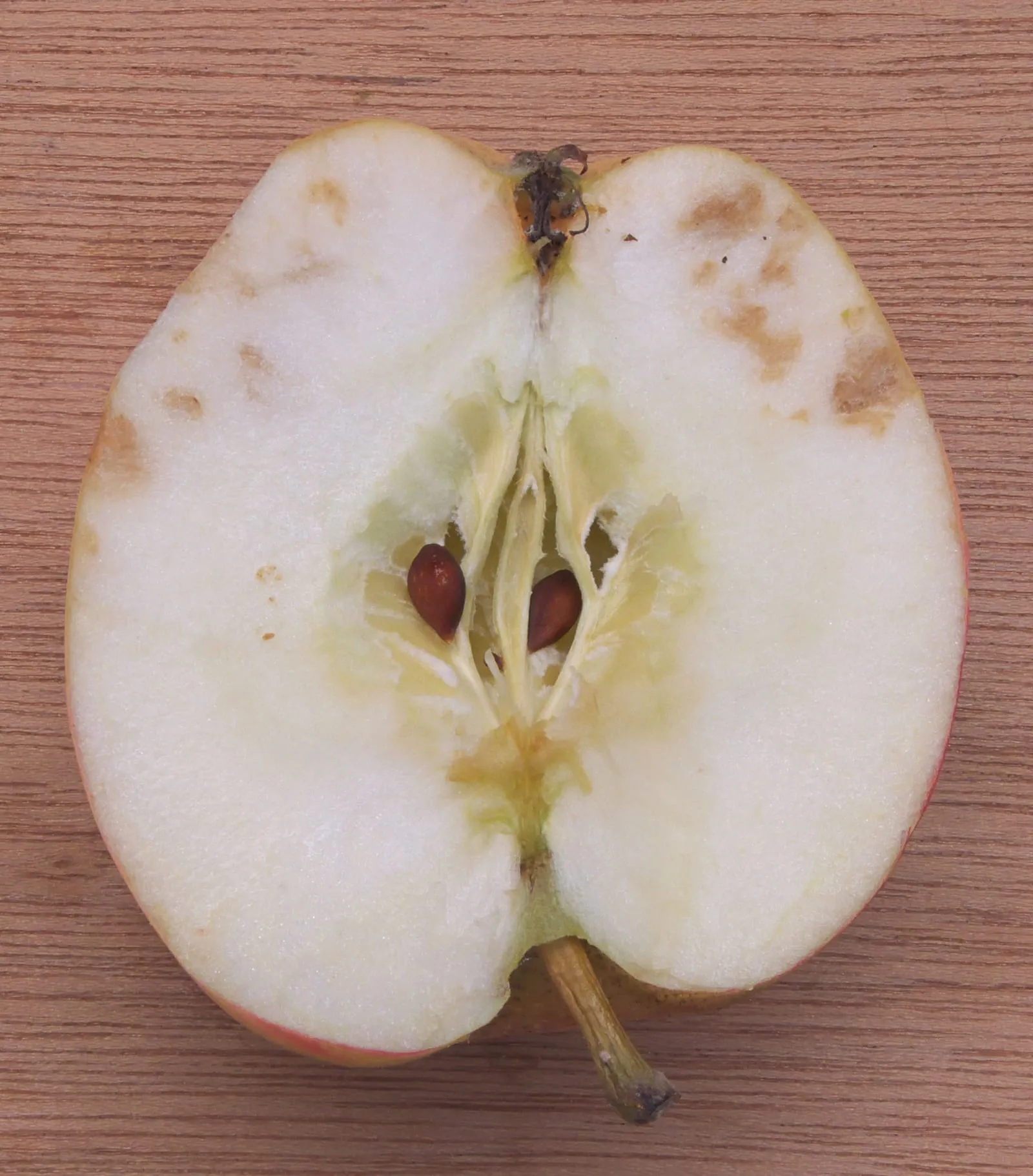
Physiological disorder
Damage from direct intense sun exposure on fruit or bark, particularly on plants suddenly exposed by pruning, defoliation, or hot weather. Distinct from sunburn (which is reversible).
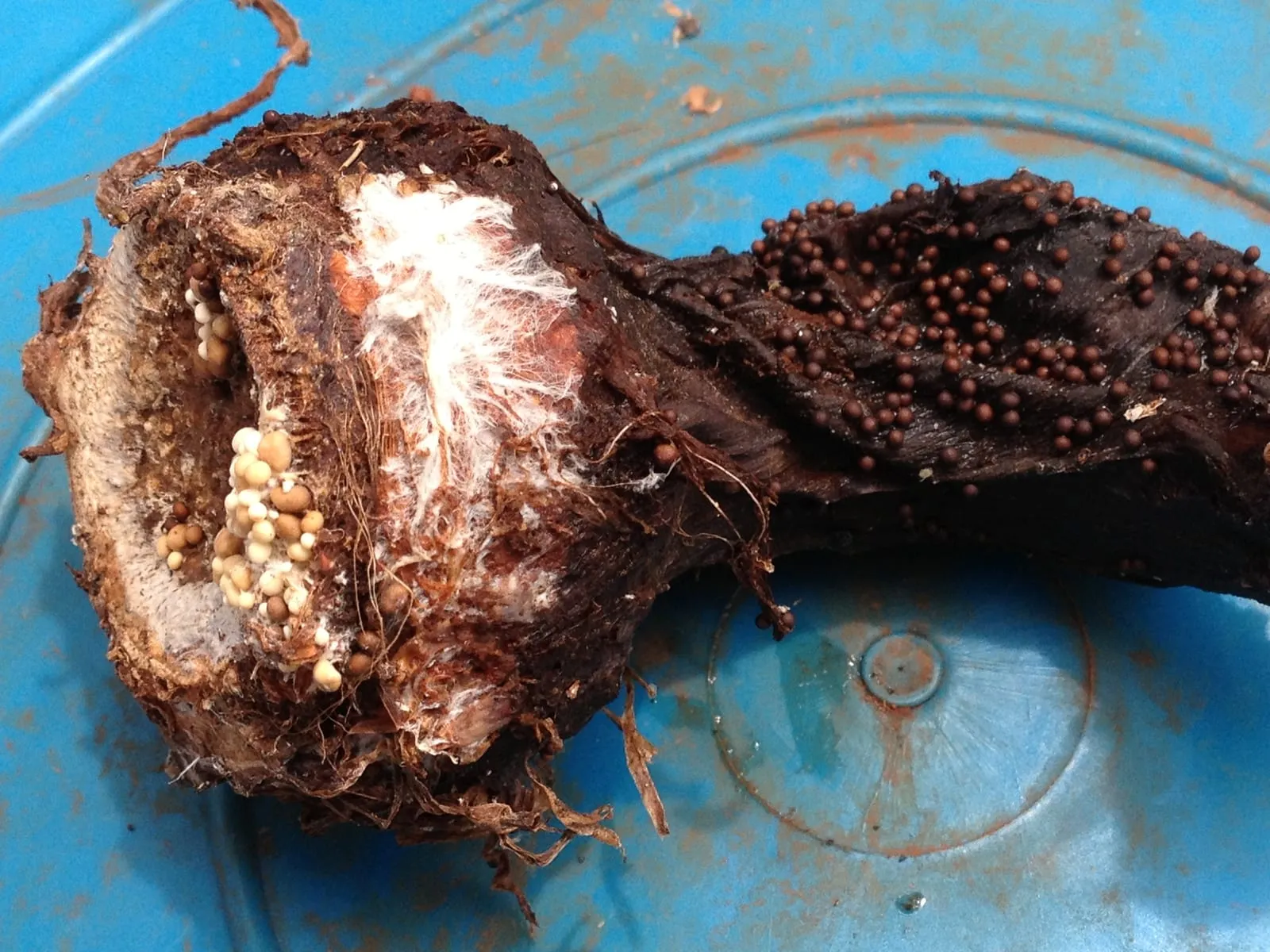
Sclerotium rolfsii
Soil-borne fungal disease most damaging in warm humid Southern conditions. White mycelial fans and small mustard-seed-sized sclerotia at the soil line are diagnostic.
Modified care for zone 6b
The fungal disease complex in zone 6b warrants consistent attention from midsummer onward. Early blight and Septoria leaf spot are nearly universal in humid eastern zone 6b gardens. Maintaining airflow by pruning lower foliage, using drip irrigation rather than overhead watering, and mulching heavily to prevent soil splash all reduce infection rates meaningfully. Late blight is less predictable but moves fast when regional conditions favor it; monitoring alerts through local university extension services helps with timing protective copper applications.
Stink bugs are increasing pressure across much of zone 6b, particularly in Mid-Atlantic and Appalachian growing areas. Floating row covers in early season can reduce feeding damage on young transplants, though covers must come off once plants begin flowering.
For growers looking to extend the front end of the season, Wall-O-Waters or floating row covers allow transplanting 2 to 3 weeks before the bare last-frost date, which can make a practical difference for long-season varieties like San Marzano and Mortgage Lifter.
Tomato in adjacent zones
Image: "Tomate", by Andrea, via iNaturalist, licensed under CC-BY Source.
Related