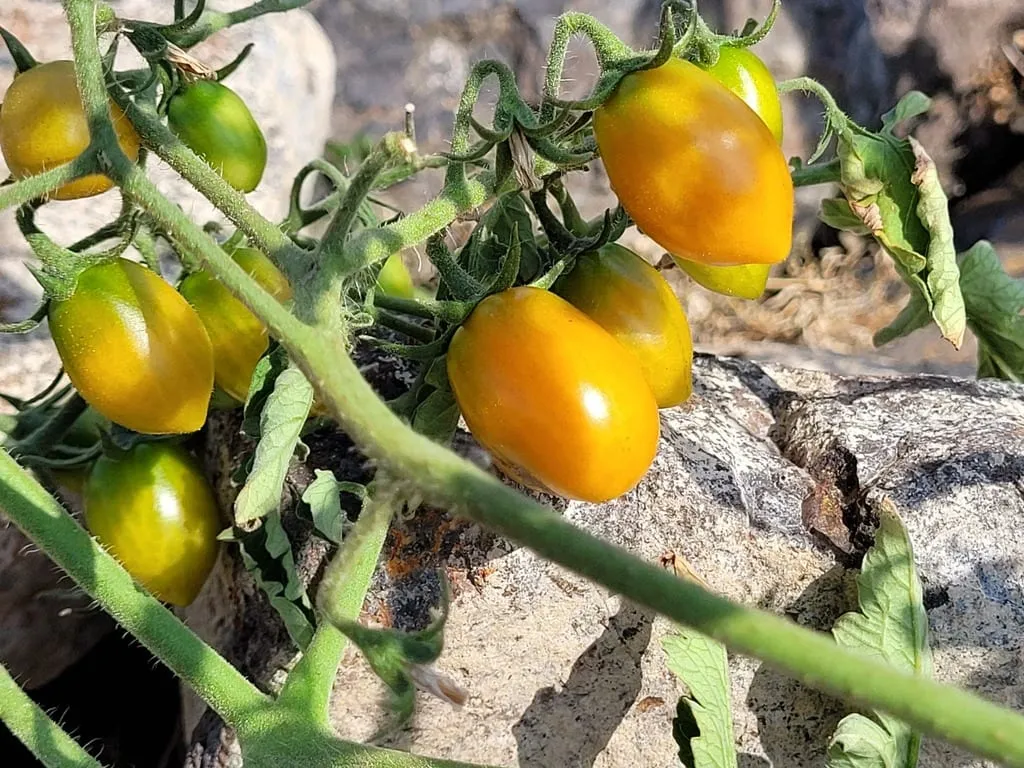
vegetable in zone 9a
Growing tomato in zone 9a
Solanum lycopersicum
- Zone
- 9a 20°F to 25°F
- Growing season
- 290 days
- Suitable varieties
- 2
- Days to harvest
- 55 to 90
The verdict
Tomato is well-suited to zone 9a, which offers a 290-day growing season and minimum winter temperatures of 20 to 25°F. Unlike stone fruits, tomatoes require no chill hours, so the zone's mild winters are an asset rather than a constraint. The long frost-free window allows two distinct production cycles per year, something growers in zones 6 or 7 cannot achieve.
The main limitation in zone 9a is summer heat rather than cold. Sustained temperatures above 95°F cause pollen sterility and blossom drop, which can interrupt fruit set during the peak of summer. This makes variety selection and timing critical. Sungold and San Marzano perform well here, but growers should evaluate heat tolerance and disease resistance together, since zone 9a carries significant pressure from Fusarium Wilt, Verticillium Wilt, and Tomato Spotted Wilt Virus. For most tomato types, zone 9a is a productive zone rather than a marginal one, provided the summer heat window is managed.
Recommended varieties for zone 9a
2 cultivars suited to this zone, with disease-resistance and zone-fit annotations.
| Variety | Notes | Zone fit | Disease resistance |
|---|---|---|---|
| Sungold fits zone 9a | Intensely sweet, candy-like, tropical-fruit notes; small orange cherry tomato. Fresh snacking, salads. Indeterminate, very productive, splits if irrigation is uneven. | | none noted |
| San Marzano fits zone 9a | Sweet-low-acid, dense flesh with few seeds; the Italian paste tomato standard. Sauce, canning, sun-drying. Indeterminate, long fruiting period. | | none noted |
Critical timing for zone 9a
In zone 9a, the spring tomato cycle begins with transplants set out in late February through mid-March, after the last frost risk has passed (typically mid-January to early February depending on exact location). Bloom follows 6 to 8 weeks after transplant, placing flowering in April. Harvest from spring plantings runs May through early July before summer heat stresses the plants.
A fall cycle, which is often the higher-yielding of the two in this zone, begins with transplants or direct-seeded starts in early to mid-August. Bloom occurs in September, and harvest extends through November before the first frost arrives (typically late November to December). Growers who time the fall cycle well often find it produces cleaner fruit with lower disease pressure than the spring run.
Common challenges in zone 9a
- ▸ Limited stone fruit options due to insufficient chill
- ▸ Hurricane and tropical storm exposure
- ▸ Citrus disease pressure
Disease pressure to watch for
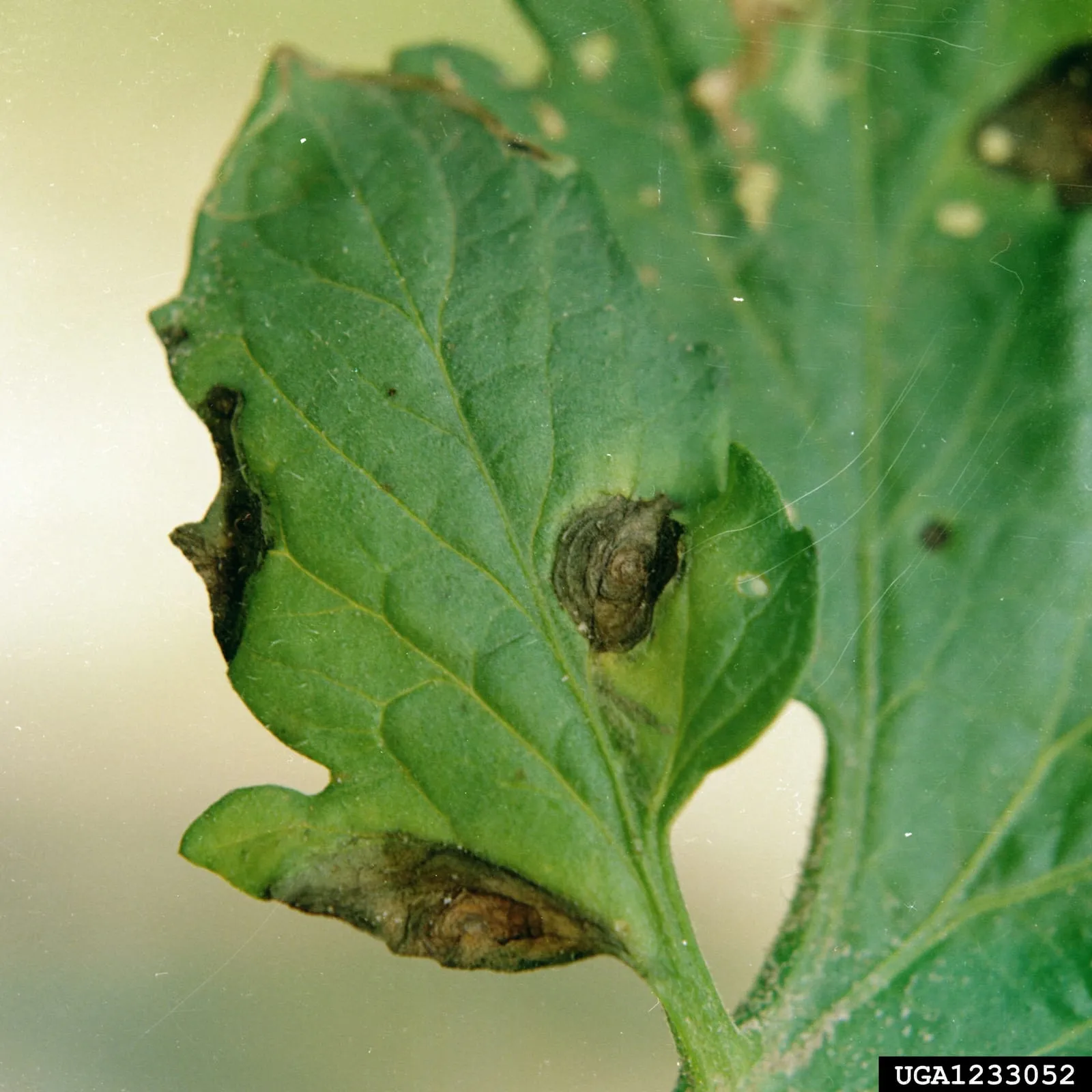
Alternaria solani
Fungal disease starting on lower leaves and progressing upward. The most common tomato and potato leaf disease in the eastern US.
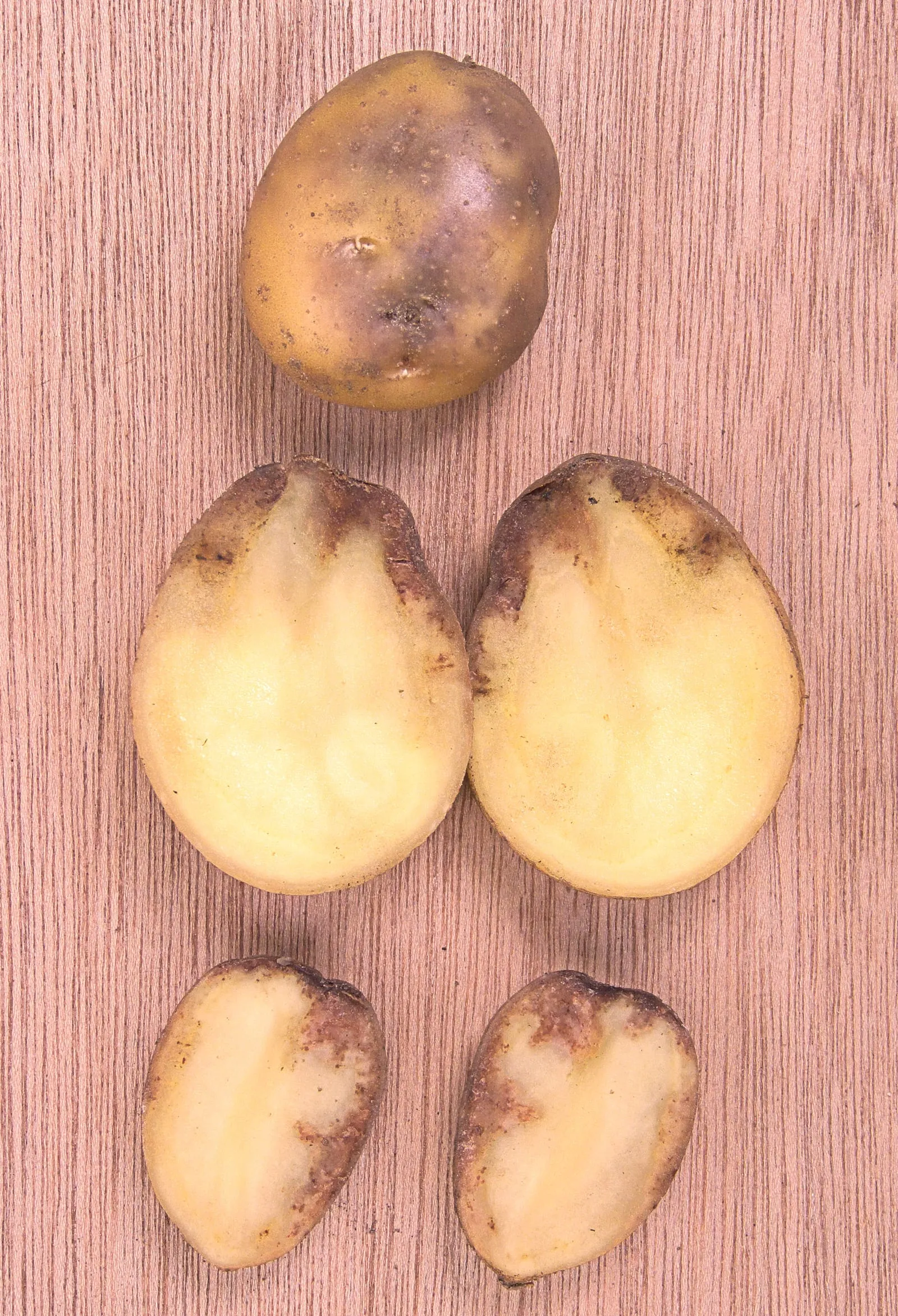
Phytophthora infestans
The pathogen responsible for the Irish Potato Famine. Devastating in cool wet weather; can destroy a tomato planting in days.
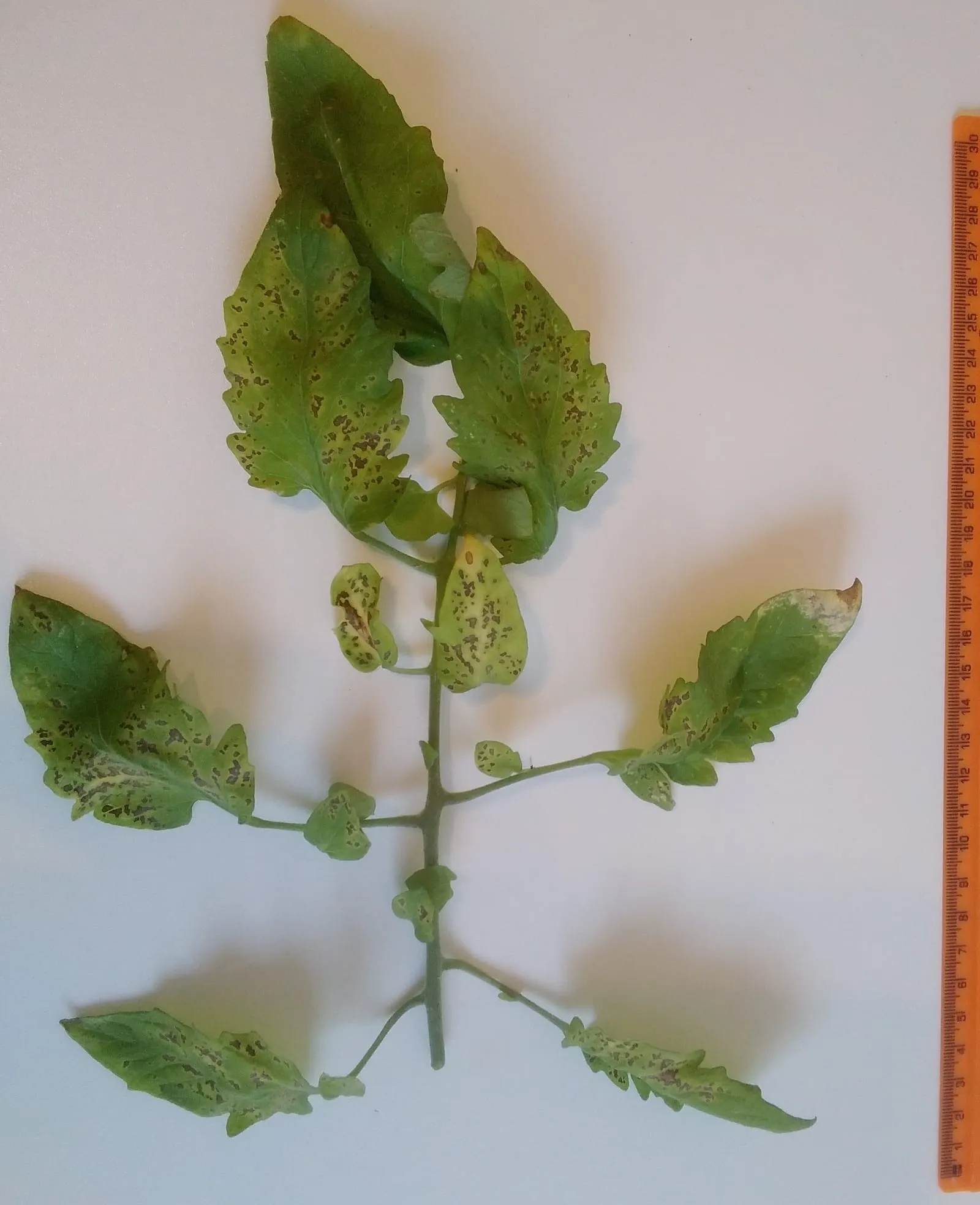
Septoria lycopersici
Fungal disease that defoliates tomato from the bottom up. Doesn't directly affect fruit but reduces yield through loss of leaf area.
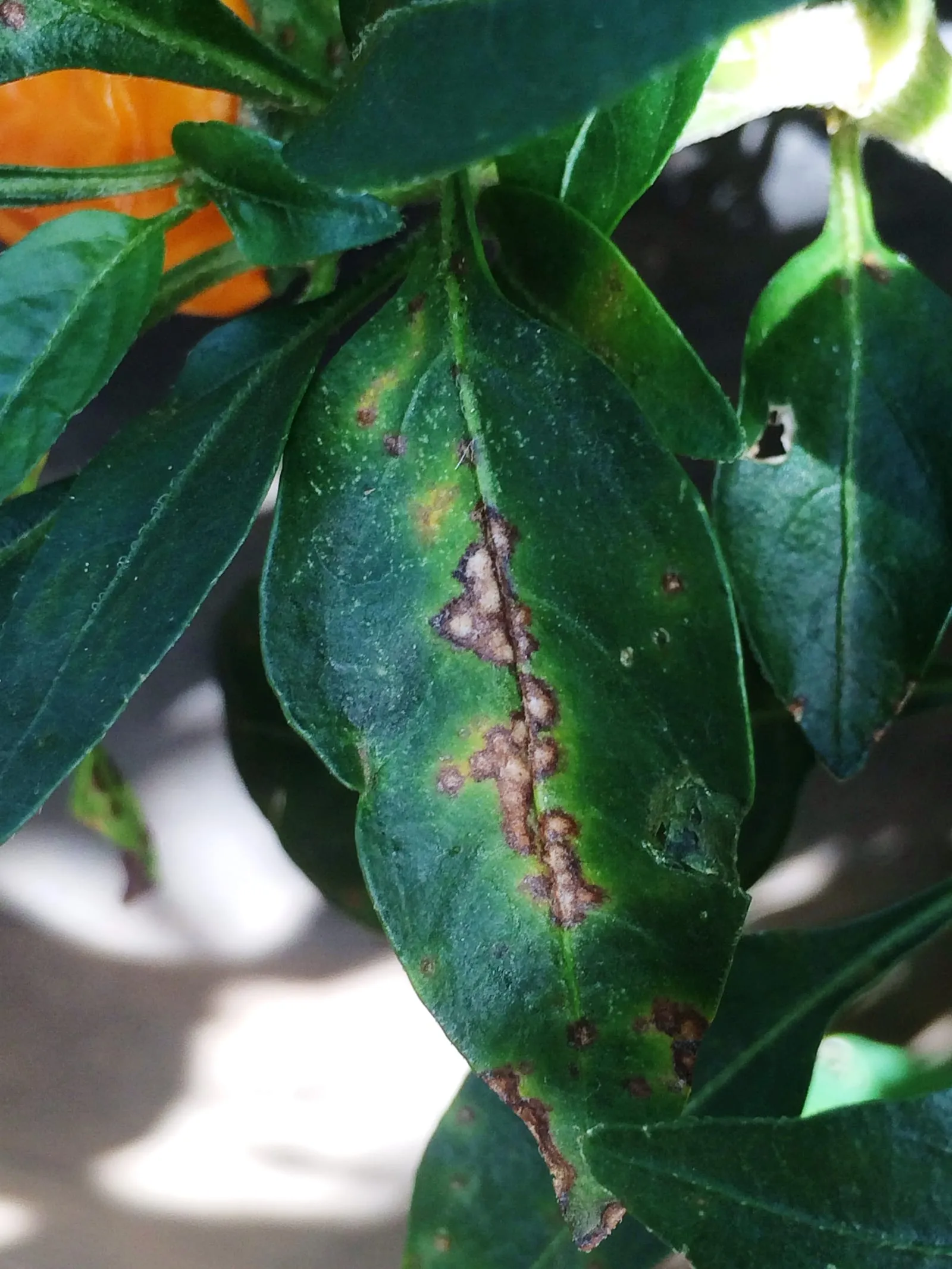
Xanthomonas euvesicatoria and X. perforans
Bacterial disease causing leaf spots and fruit blemishes on pepper and tomato. Severe in warm humid weather, transmitted via splashing water and seed.
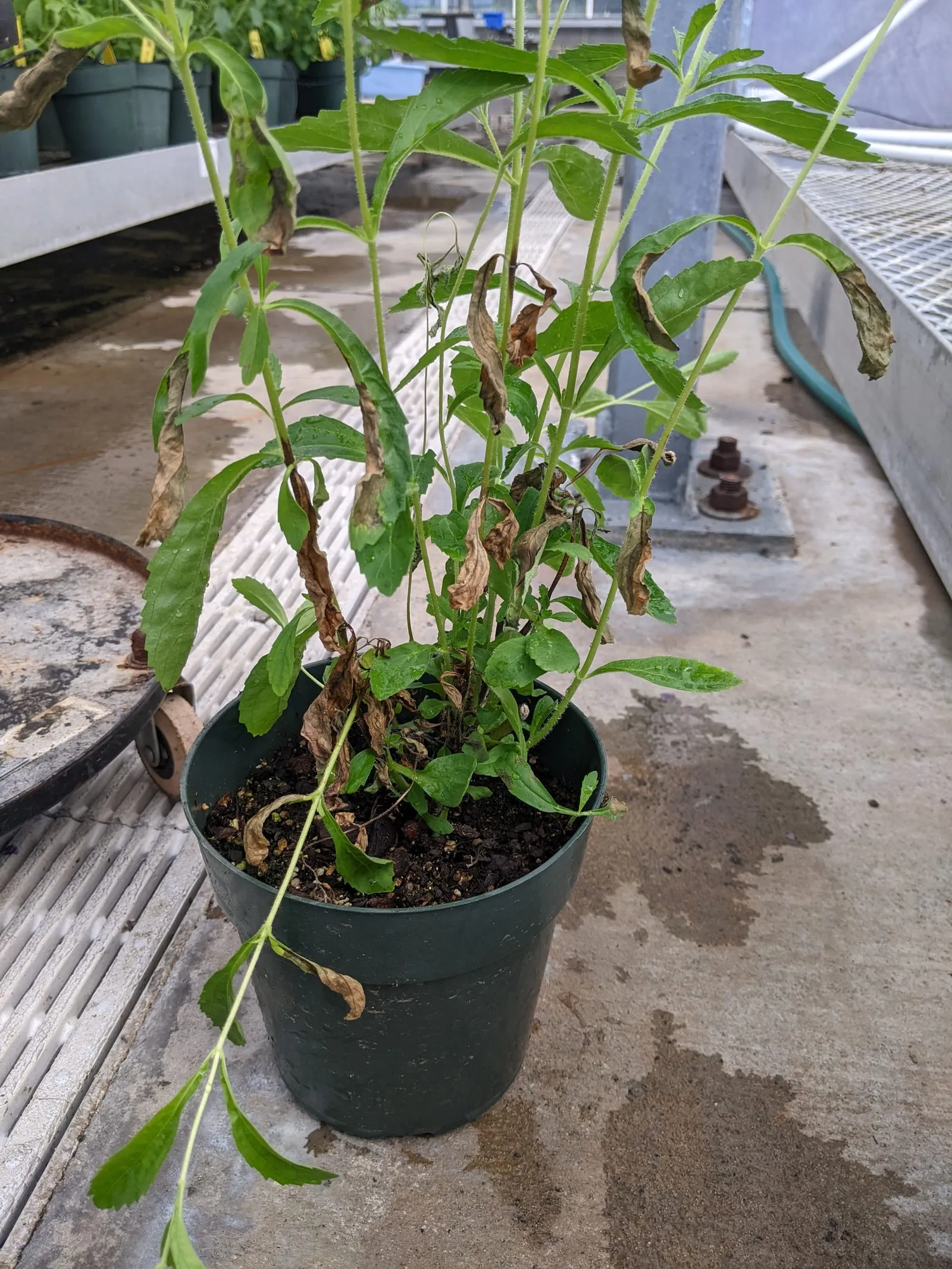
Tomato spotted wilt orthotospovirus (TSWV)
Virus vectored by thrips, particularly western flower thrips. Wide host range and growing global distribution. No cure once infected.
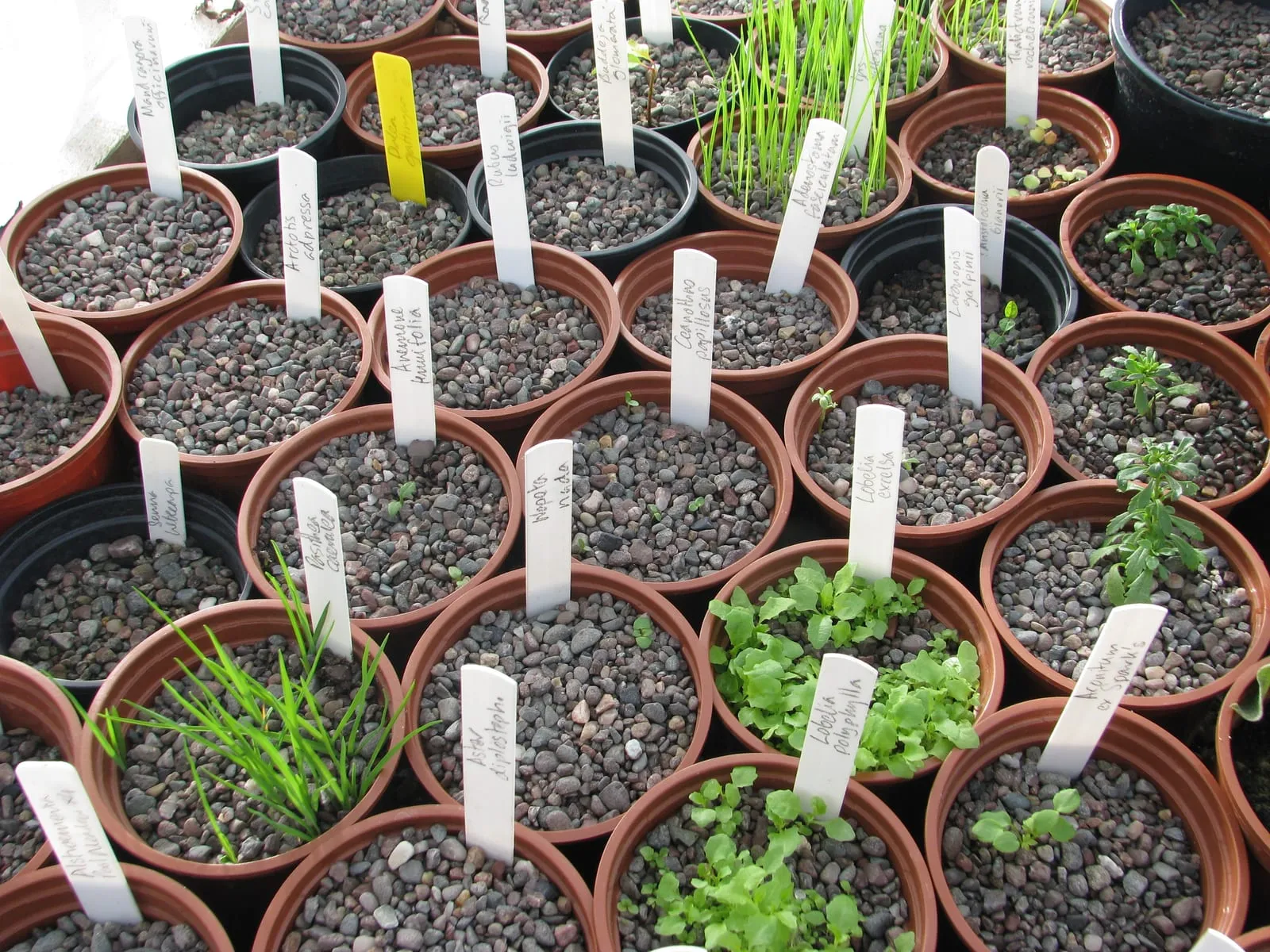
Pythium and Rhizoctonia species
Soil-borne complex of water molds and fungi that kill seedlings before or shortly after emergence. The single most common cause of seed-starting failures.
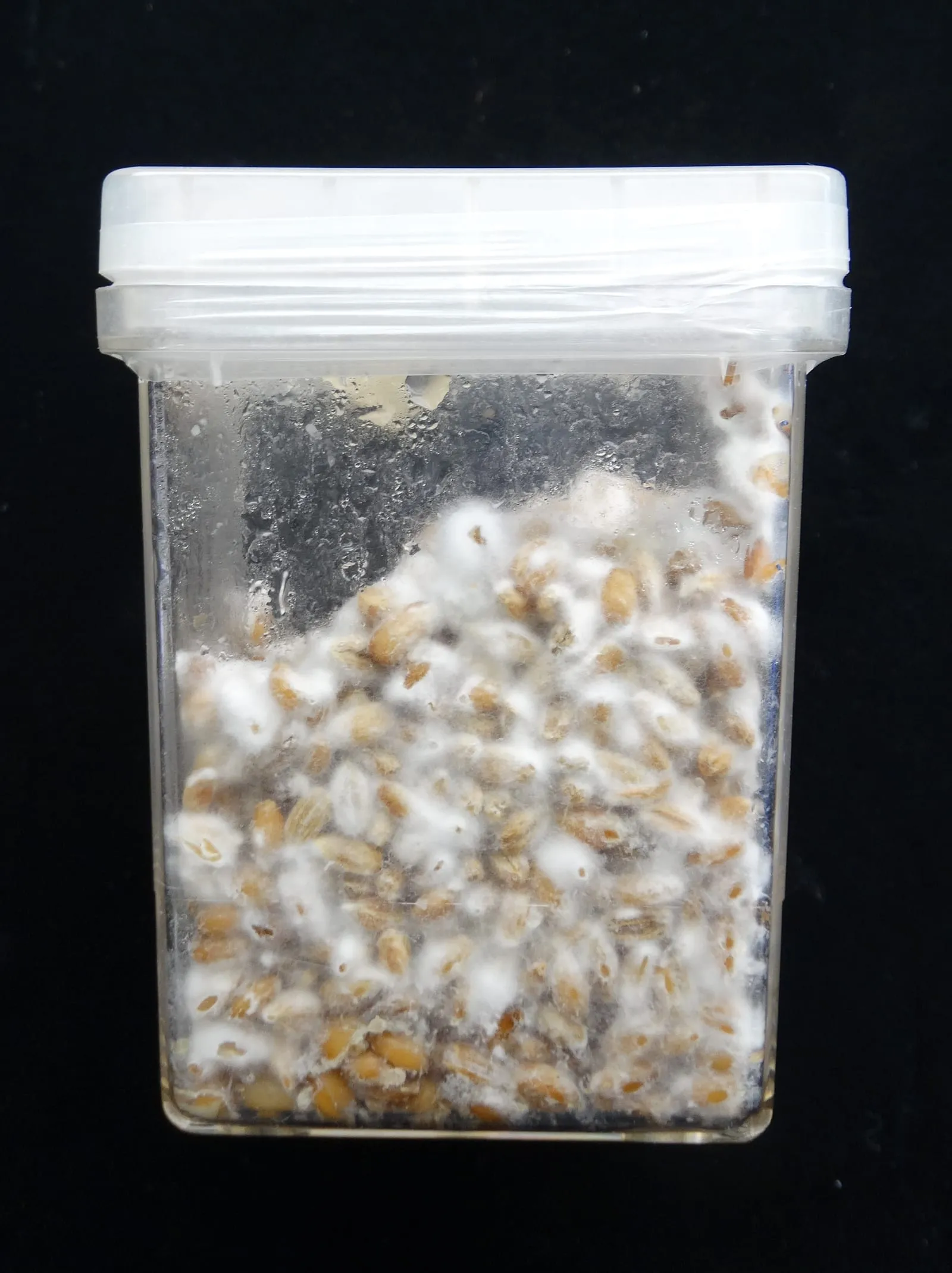
Fusarium oxysporum
Soil-borne fungal disease that plugs vascular tissue and kills affected plants. Persists in soil for many years; impossible to eliminate once established.
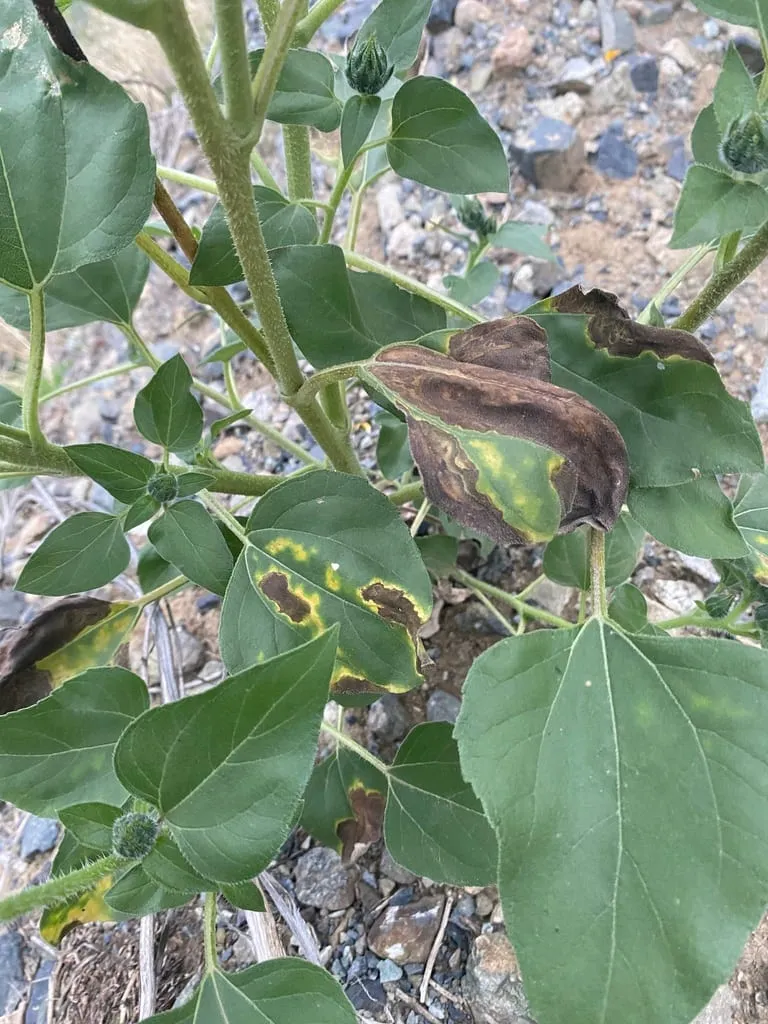
Verticillium dahliae
Soil-borne fungal disease similar to fusarium wilt but with broader host range and cooler temperature optimum. Persists in soil for 10+ years.
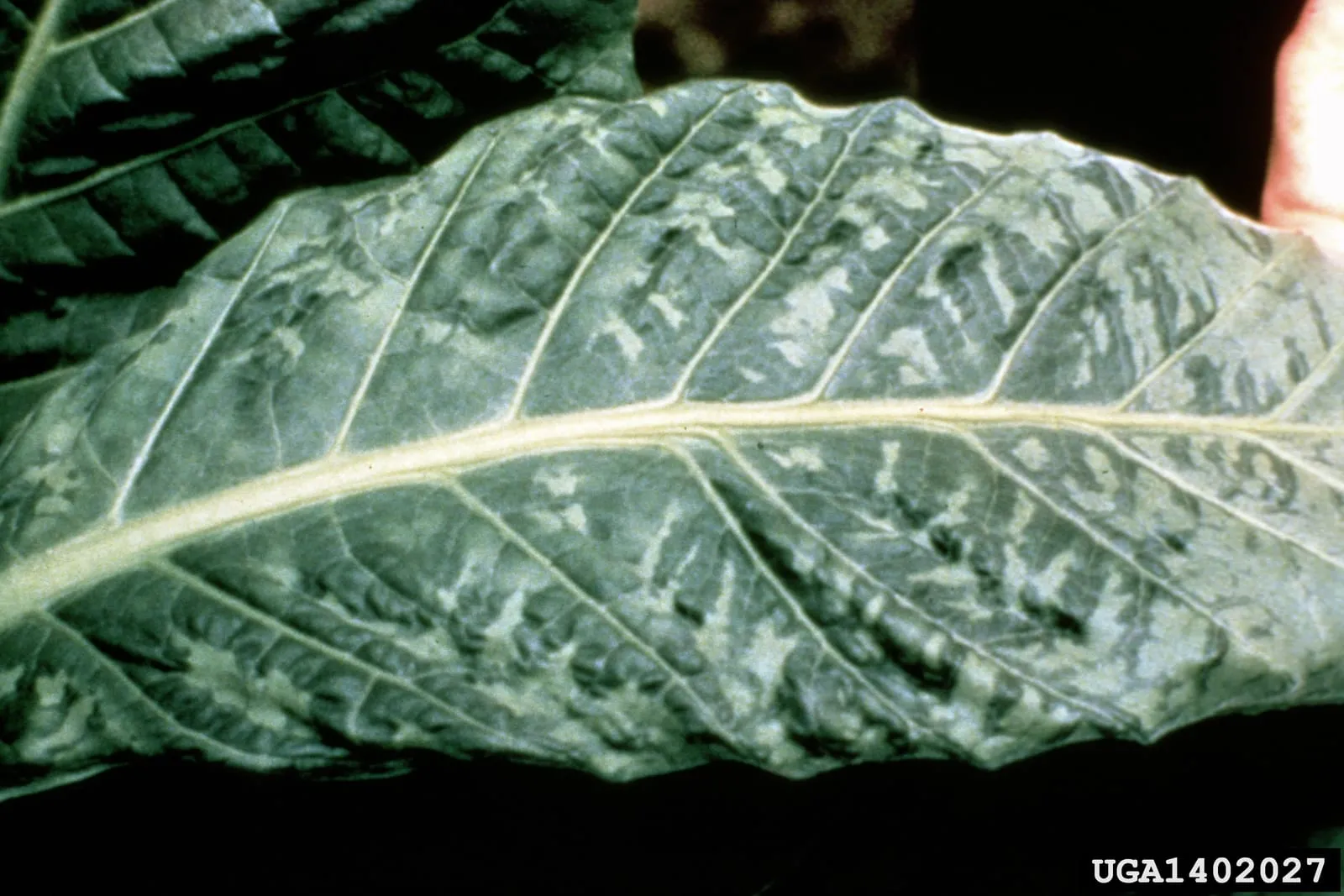
Cucumber mosaic virus, Tobacco mosaic virus, and others
Family of plant viruses producing mottled yellow-and-green leaf patterns. Vectored primarily by aphids; some are seed-transmitted or spread by handling tools and tobacco products.
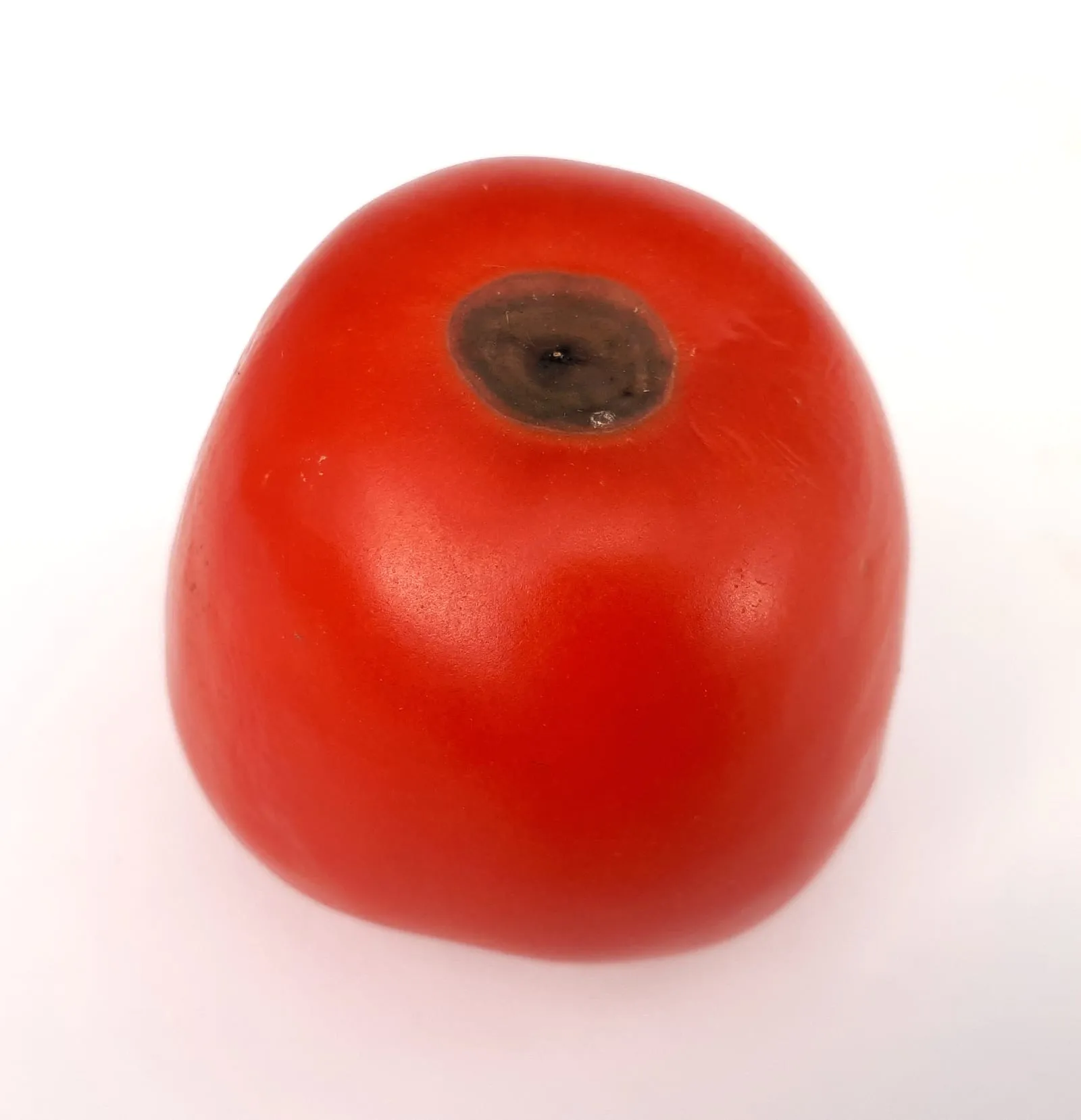
Calcium deficiency physiological disorder
Not a true disease but a calcium-uptake disorder caused by inconsistent soil moisture during fruit development. The dominant cause of damaged first-fruit on home tomato plantings.
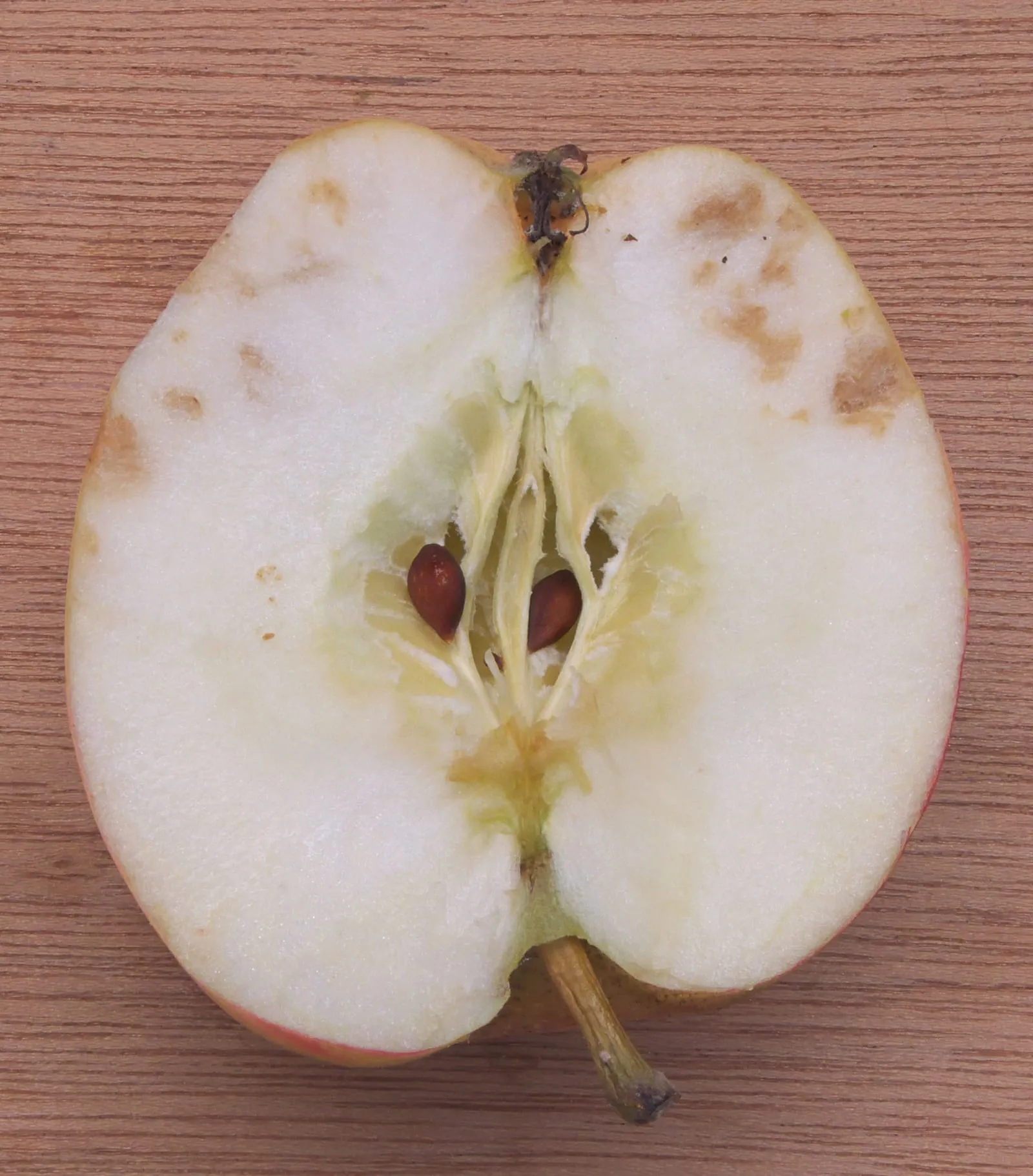
Physiological disorder
Damage from direct intense sun exposure on fruit or bark, particularly on plants suddenly exposed by pruning, defoliation, or hot weather. Distinct from sunburn (which is reversible).
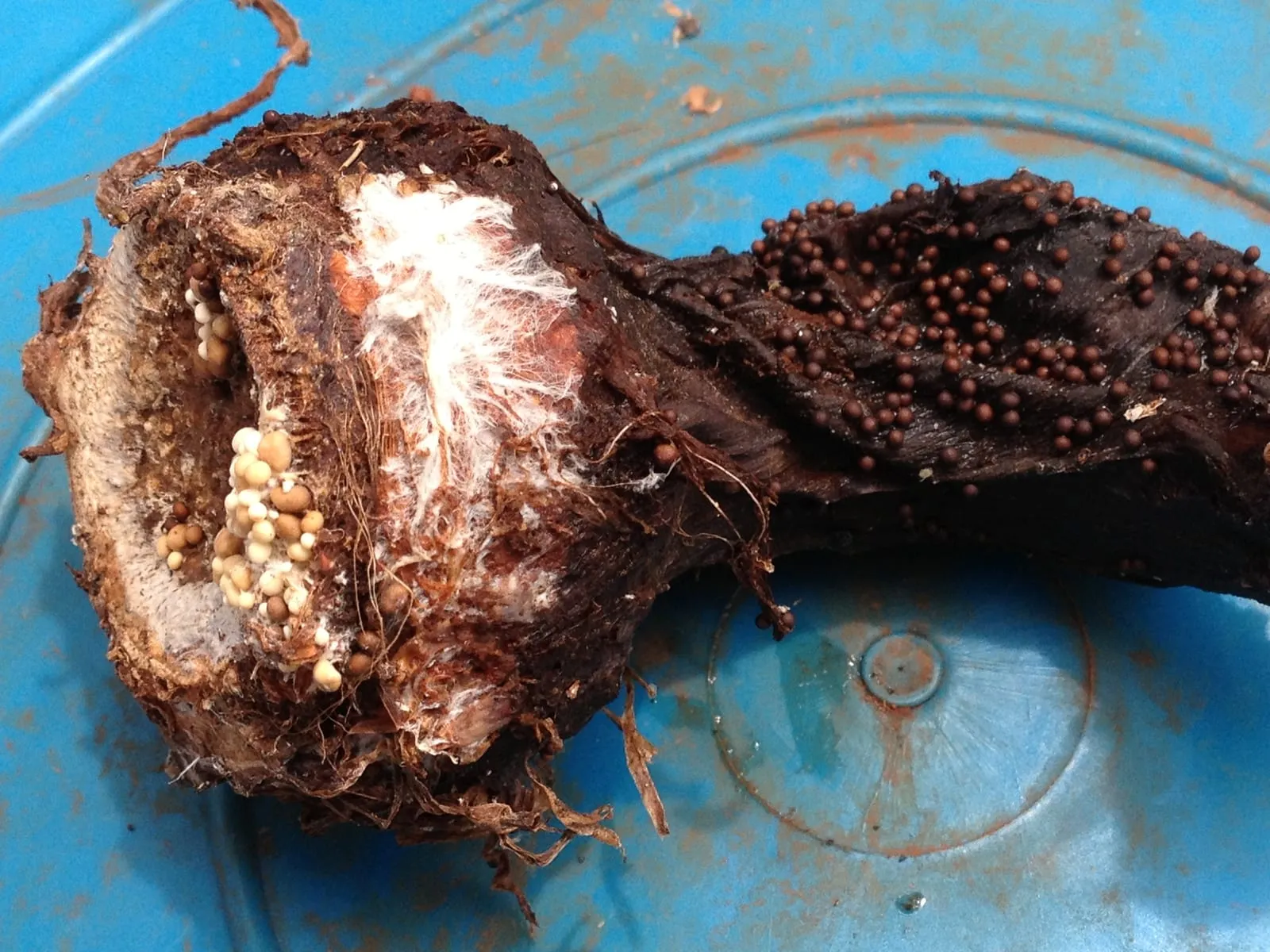
Sclerotium rolfsii
Soil-borne fungal disease most damaging in warm humid Southern conditions. White mycelial fans and small mustard-seed-sized sclerotia at the soil line are diagnostic.
Modified care for zone 9a
The primary adaptation in zone 9a is managing the summer heat gap between the spring and fall cycles. Shade cloth rated at 30 to 40 percent can extend spring production by several weeks, reducing midday heat stress and maintaining some fruit set into July. Mulching deeply (3 to 4 inches) is more important here than in cooler zones, both for moisture retention and to reduce soil splash that drives Early Blight and Septoria Leaf Spot infection.
Disease management requires selecting varieties with at least F and V resistance designations (Fusarium and Verticillium). Tomato Spotted Wilt Virus, vectored by thrips, is a persistent challenge in zone 9a and cannot be managed chemically after infection; controlling thrips populations early and removing symptomatic plants promptly limits spread. Rotating planting locations by at least 3 years reduces soilborne pathogen buildup from Fusarium and Verticillium.
Frequently asked questions
- Can tomatoes be grown year-round in zone 9a?
Not quite year-round, but close. Zone 9a supports two distinct cycles: a spring planting (February to July) and a fall planting (August to November). Midsummer is typically too hot for reliable fruit set, and a short frost window in December through January interrupts continuous production.
- Which tomato varieties perform best in zone 9a heat?
Sungold cherry tomatoes are notably heat-tolerant and continue setting fruit at temperatures that stall larger-fruited types. San Marzano paste tomatoes also perform well when planted in the fall cycle. For any variety, look for resistance designations that include F (Fusarium), V (Verticillium), and N (nematodes), which are all common soilborne threats in zone 9a.
- How do I manage Late Blight in zone 9a?
Late Blight pressure in zone 9a tends to spike during periods of high humidity combined with cooler nights, most often in fall. Preventive copper-based fungicide applications applied on a 7 to 10 day schedule before symptoms appear are more effective than reactive spraying. Remove and bag (do not compost) any infected plant material promptly.
+−
+−
+−
Tomato in adjacent zones
Image: "Tomate", by Andrea, via iNaturalist, licensed under CC-BY Source.
Related