vegetable in zone 7b
Growing tomato in zone 7b
Solanum lycopersicum
- Zone
- 7b 5°F to 10°F
- Growing season
- 220 days
- Suitable varieties
- 7
- Days to harvest
- 55 to 90
The verdict
Tomato is a warm-season annual, not a chill-hour crop, so zone 7b's 220-day growing season is the relevant metric here rather than winter cold accumulation. On that measure, zone 7b is a genuine sweet spot. Minimum winter temperatures between 5 and 10°F are irrelevant to tomatoes planted after last frost, and the long frost-free window comfortably accommodates both early-season varieties and long-maturing slicers.
The one limiting factor is summer heat rather than cold. Zone 7b piedmont summers regularly push daytime highs above 95°F for stretches in July and August. Tomatoes drop blossoms when daytime temperatures exceed 95°F or nighttime temperatures stay above 70°F for consecutive nights. This creates a mid-summer lull in fruit set for many varieties, particularly large-fruited heirlooms. Overall, zone 7b supports excellent tomato production; the challenge is managing late summer rather than winter.
Recommended varieties for zone 7b
7 cultivars suited to this zone, with disease-resistance and zone-fit annotations.
| Variety | Notes | Zone fit | Disease resistance |
|---|---|---|---|
| Brandywine fits zone 7b | Rich, complex, full tomato flavor with high sugar and high acid; the heritage standard for fresh slicing and BLTs. Beefsteak indeterminate, pink-red, dense flesh. Susceptible to disease but unmatched in flavor. | | none noted |
| Cherokee Purple fits zone 7b | Smoky-sweet, complex, almost wine-like; dark purple-red beefsteak. Fresh slicing, sandwiches, salads. Indeterminate, productive, more disease-tolerant than most heirlooms. | | none noted |
| Sungold fits zone 7b | Intensely sweet, candy-like, tropical-fruit notes; small orange cherry tomato. Fresh snacking, salads. Indeterminate, very productive, splits if irrigation is uneven. | | none noted |
| San Marzano fits zone 7b | Sweet-low-acid, dense flesh with few seeds; the Italian paste tomato standard. Sauce, canning, sun-drying. Indeterminate, long fruiting period. | | none noted |
| Early Girl fits zone 7b | Tart-sweet, classic balanced tomato flavor; medium-size red slicer. Fresh, salads, sandwiches. Determinate, ripens early (55 days), reliable in short seasons. | | none noted |
| Roma fits zone 7b | Mild, low-water content, meaty; the workhorse paste tomato. Sauce, canning, drying. Determinate, concentrated harvest, holds well after picking. | | none noted |
| Mortgage Lifter fits zone 7b | Sweet, mild, very low acid; large pink-red beefsteak with few seeds. Fresh slicing, sandwiches. Indeterminate, productive heritage variety from Depression-era Virginia. | | none noted |
Critical timing for zone 7b
Seed starting indoors falls in late February to early March, targeting transplant readiness six to eight weeks before the average last spring frost, which lands around April 10 to 20 for most of zone 7b. Transplants go out after the last frost date, typically late April. First blooms appear in May on transplants with a healthy root system.
For indeterminate varieties, harvest runs from early July through October and into early November before the first fall frost (typically mid-November). Determinate varieties concentrate their fruit set earlier, with the main harvest in July and August. The fall harvest window is a significant advantage of zone 7b; plants that survive the mid-summer heat pressure often rebound with strong fruit set in September when nights cool.
Common challenges in zone 7b
- ▸ Cedar-apple rust pressure heavy in piedmont
- ▸ Japanese beetles
- ▸ Brown marmorated stink bug
- ▸ Late summer disease pressure
Disease pressure to watch for
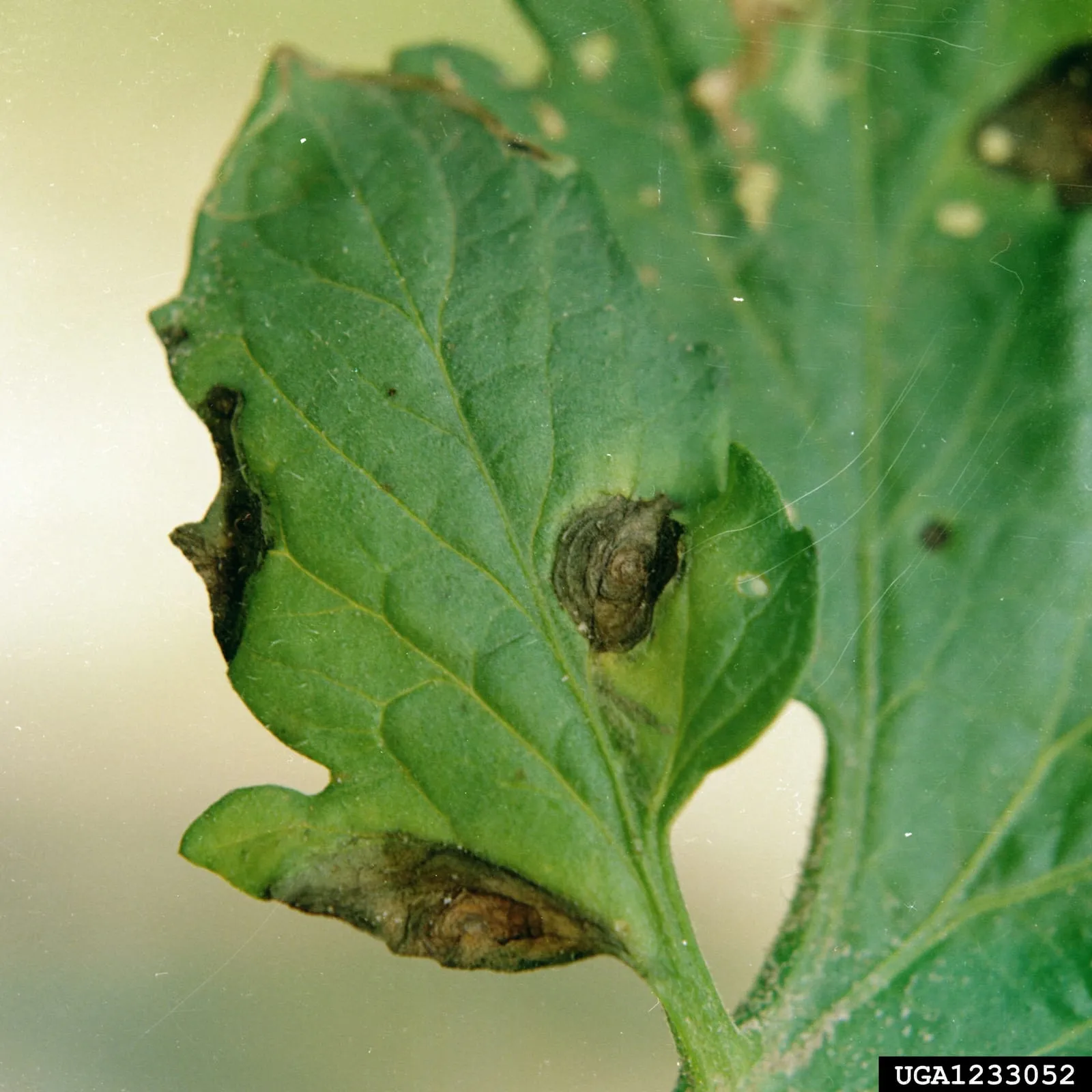
Alternaria solani
Fungal disease starting on lower leaves and progressing upward. The most common tomato and potato leaf disease in the eastern US.
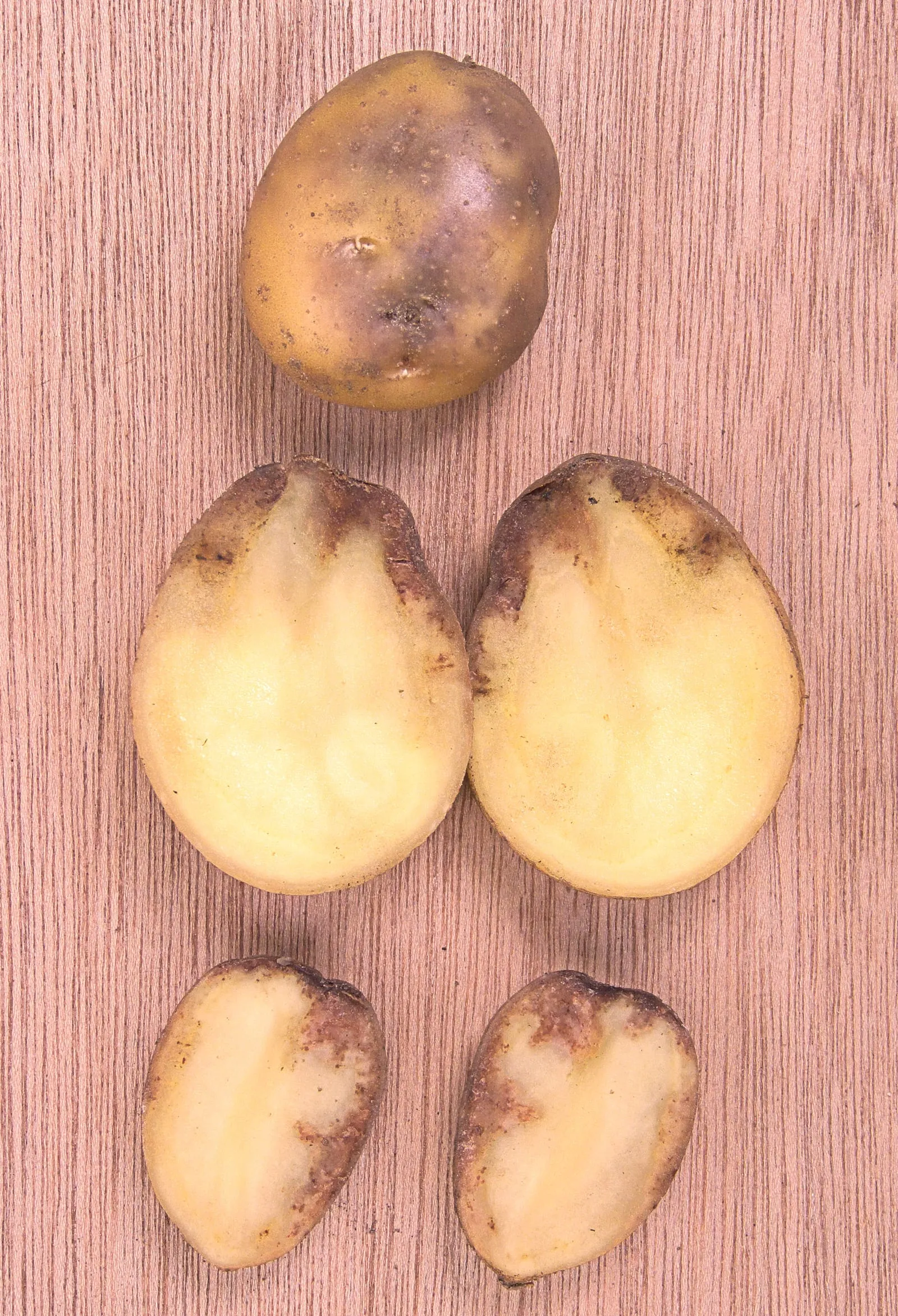
Phytophthora infestans
The pathogen responsible for the Irish Potato Famine. Devastating in cool wet weather; can destroy a tomato planting in days.
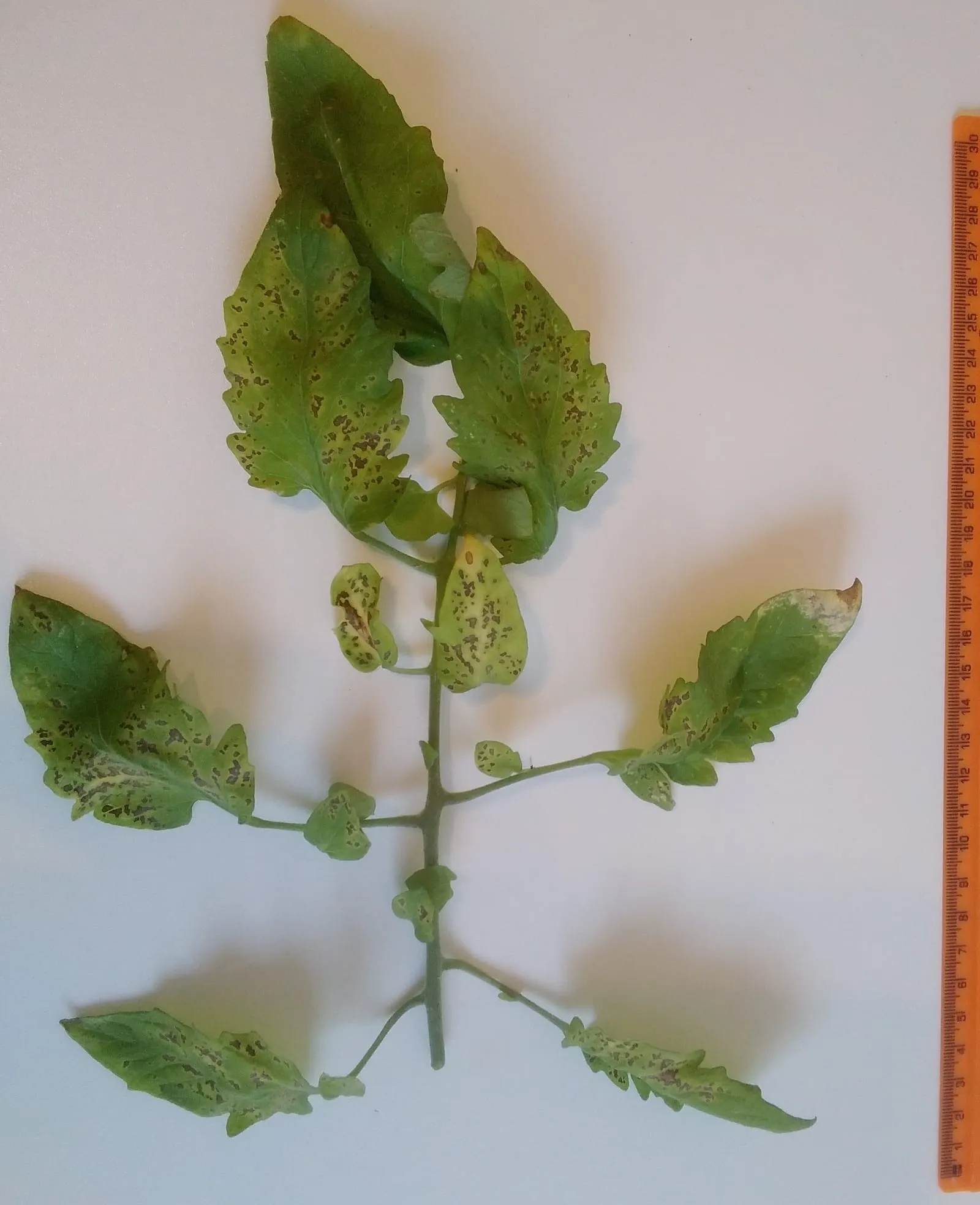
Septoria lycopersici
Fungal disease that defoliates tomato from the bottom up. Doesn't directly affect fruit but reduces yield through loss of leaf area.
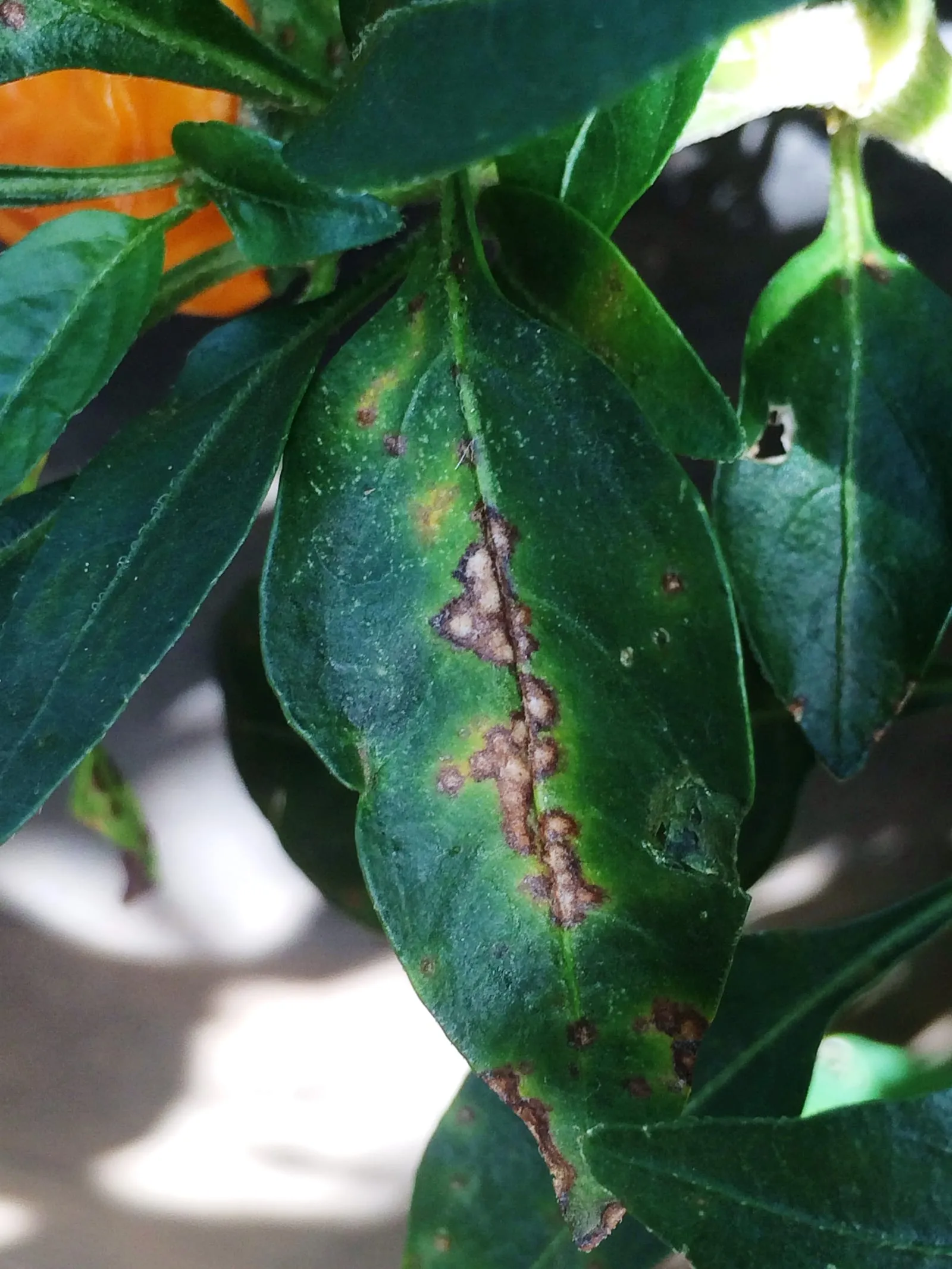
Xanthomonas euvesicatoria and X. perforans
Bacterial disease causing leaf spots and fruit blemishes on pepper and tomato. Severe in warm humid weather, transmitted via splashing water and seed.
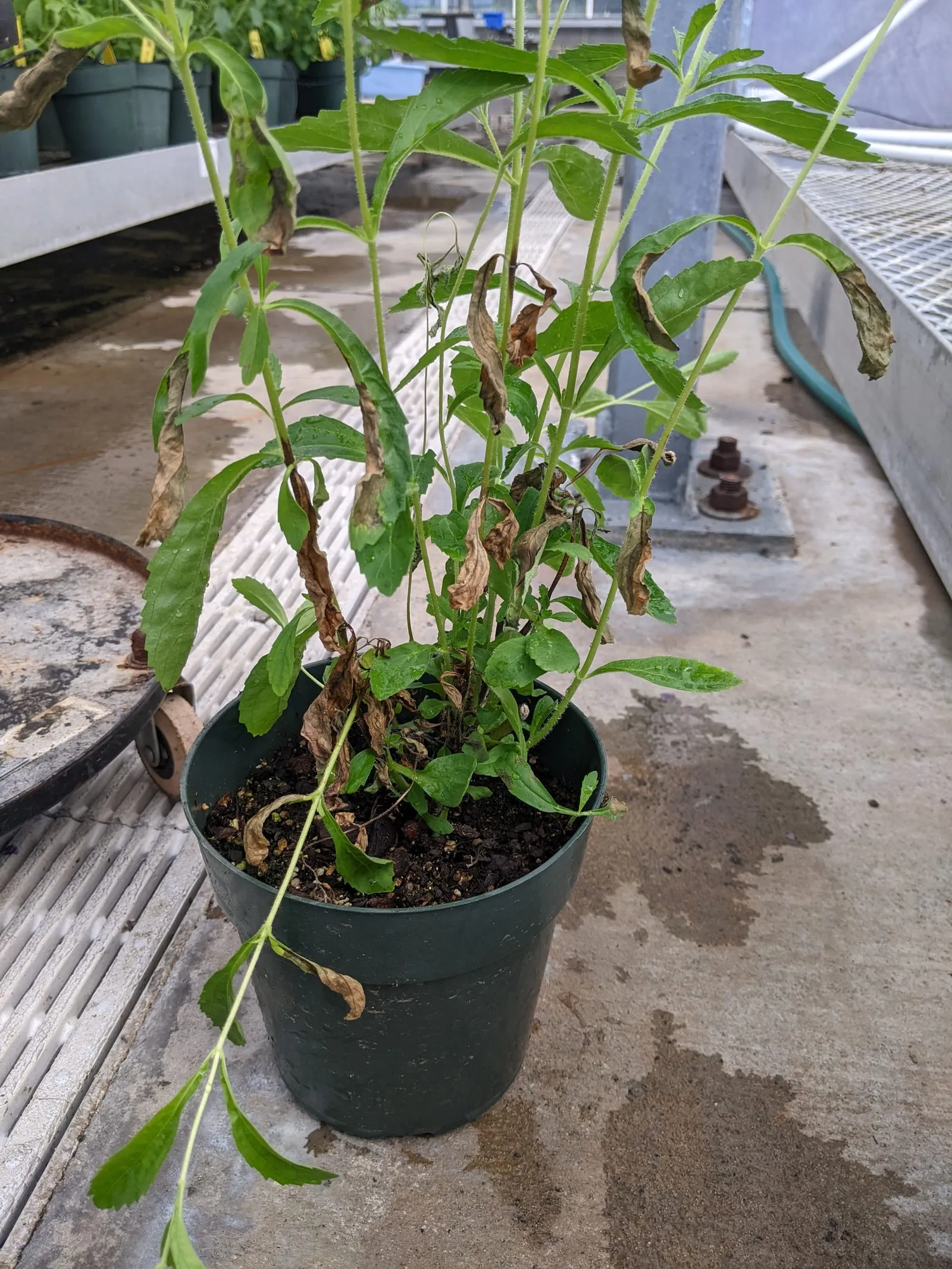
Tomato spotted wilt orthotospovirus (TSWV)
Virus vectored by thrips, particularly western flower thrips. Wide host range and growing global distribution. No cure once infected.
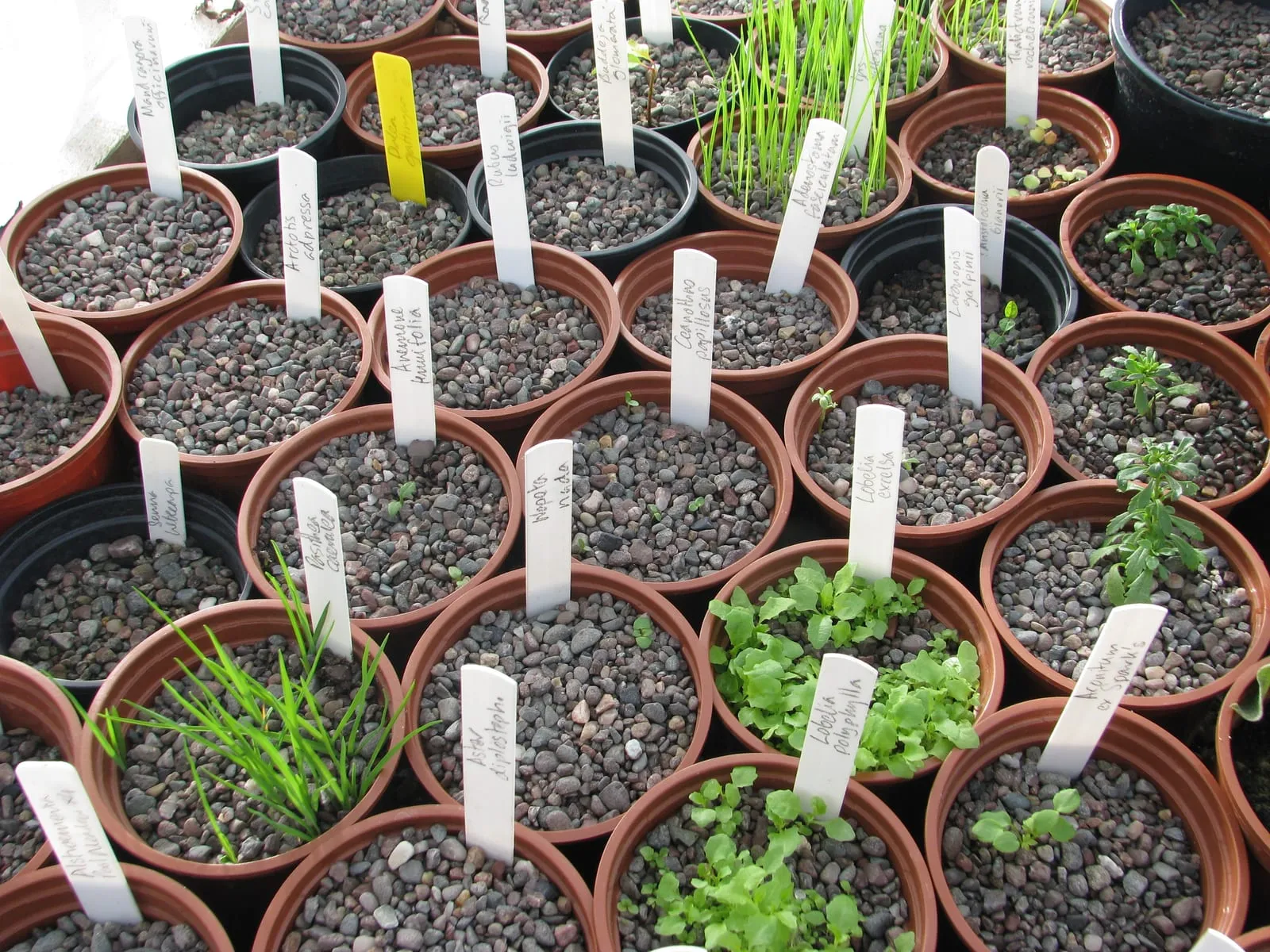
Pythium and Rhizoctonia species
Soil-borne complex of water molds and fungi that kill seedlings before or shortly after emergence. The single most common cause of seed-starting failures.
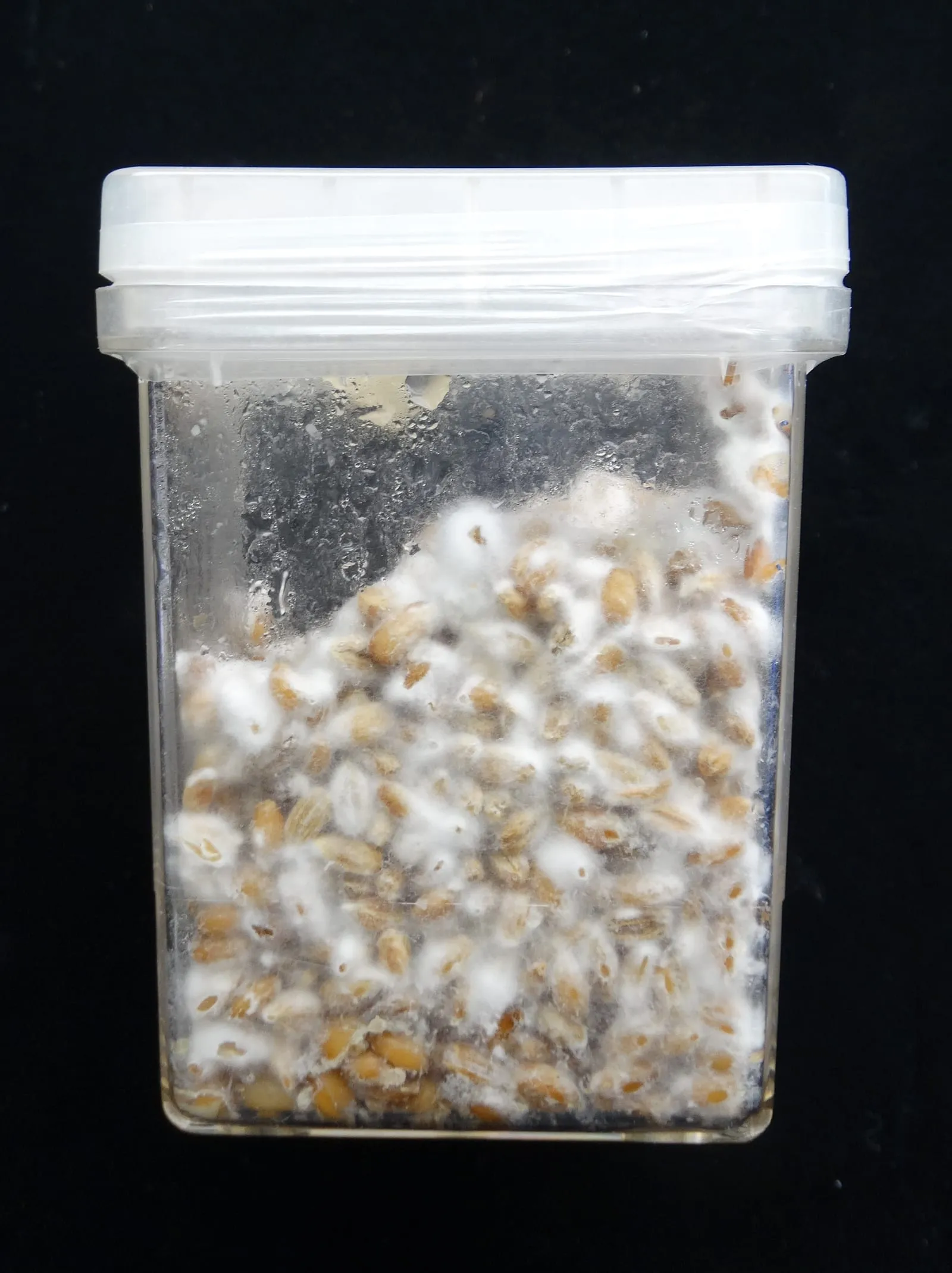
Fusarium oxysporum
Soil-borne fungal disease that plugs vascular tissue and kills affected plants. Persists in soil for many years; impossible to eliminate once established.
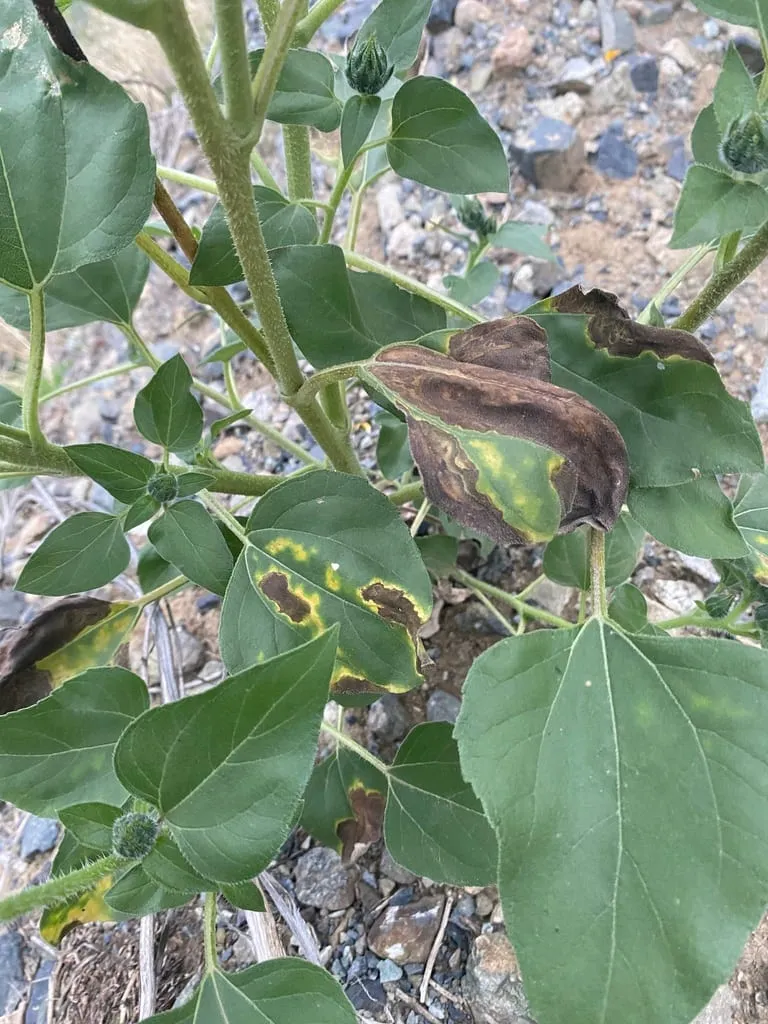
Verticillium dahliae
Soil-borne fungal disease similar to fusarium wilt but with broader host range and cooler temperature optimum. Persists in soil for 10+ years.
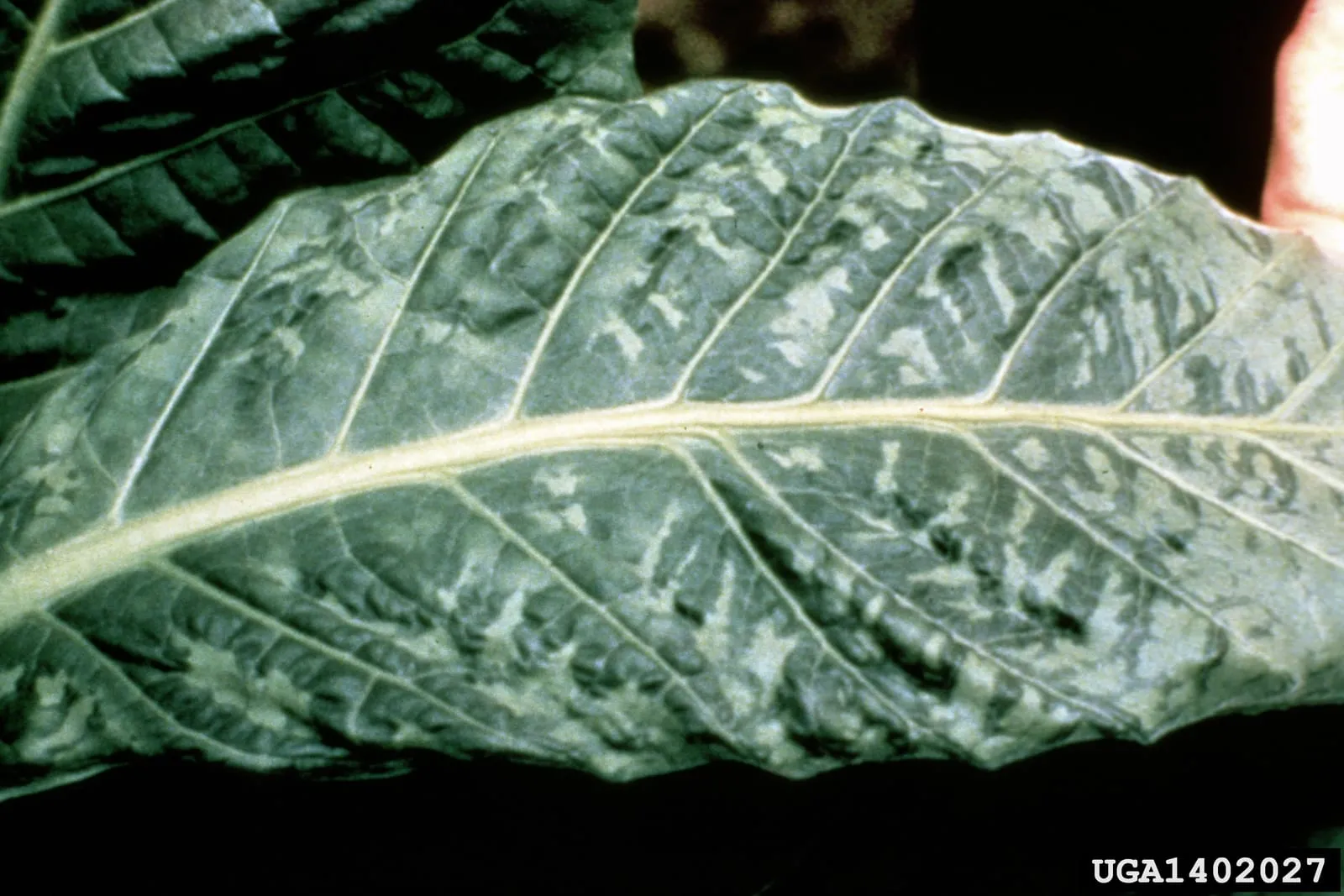
Cucumber mosaic virus, Tobacco mosaic virus, and others
Family of plant viruses producing mottled yellow-and-green leaf patterns. Vectored primarily by aphids; some are seed-transmitted or spread by handling tools and tobacco products.
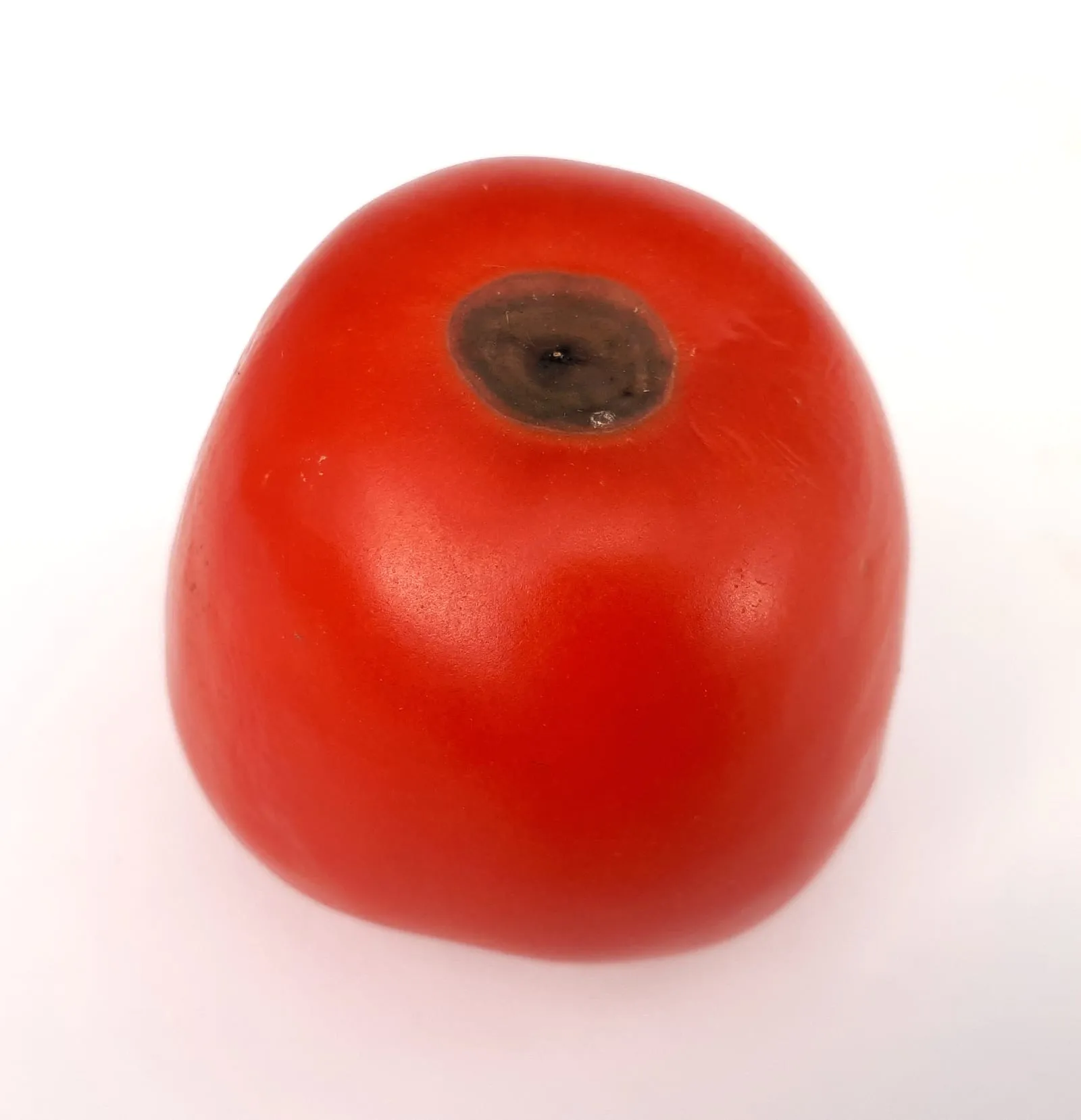
Calcium deficiency physiological disorder
Not a true disease but a calcium-uptake disorder caused by inconsistent soil moisture during fruit development. The dominant cause of damaged first-fruit on home tomato plantings.
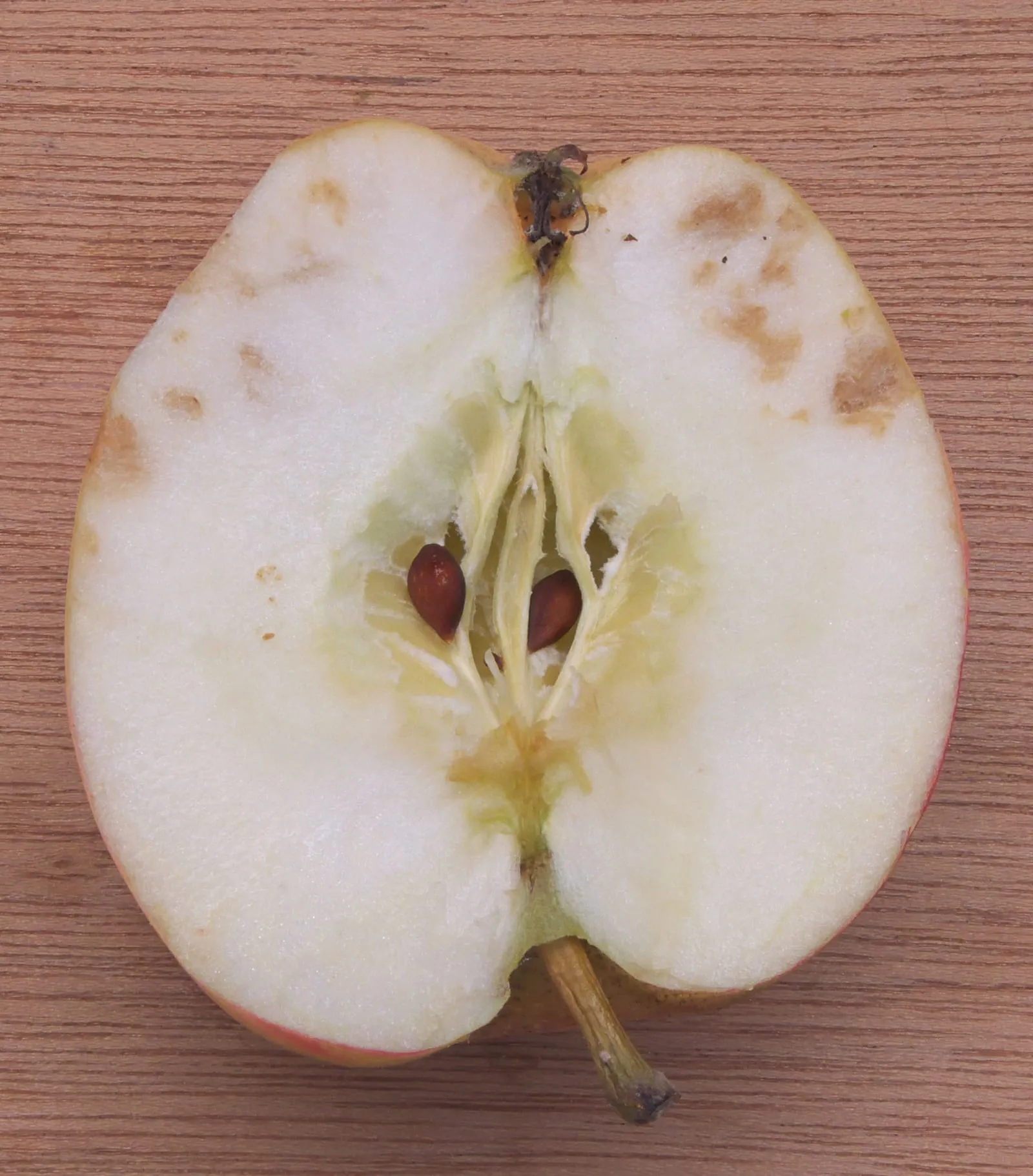
Physiological disorder
Damage from direct intense sun exposure on fruit or bark, particularly on plants suddenly exposed by pruning, defoliation, or hot weather. Distinct from sunburn (which is reversible).
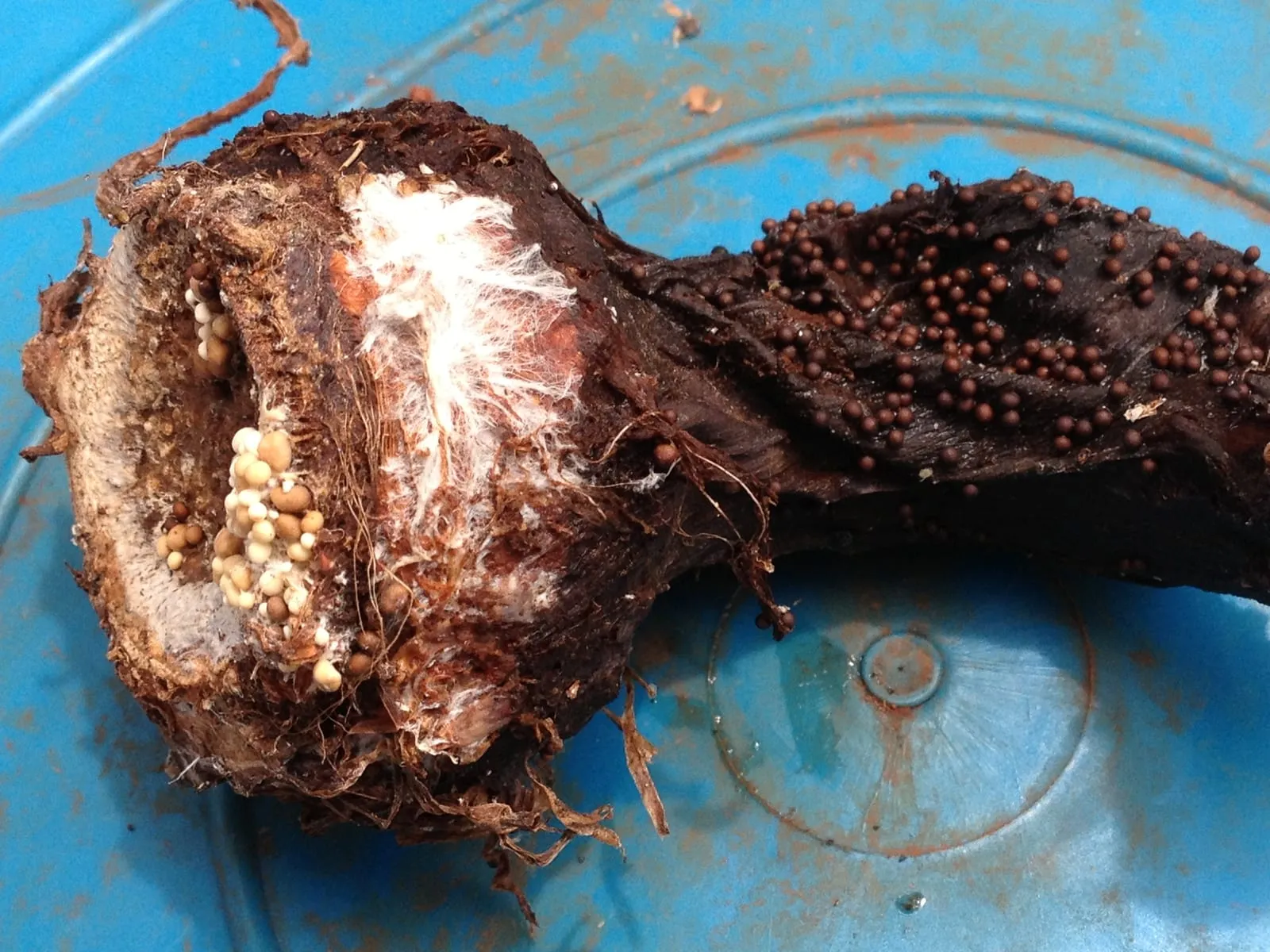
Sclerotium rolfsii
Soil-borne fungal disease most damaging in warm humid Southern conditions. White mycelial fans and small mustard-seed-sized sclerotia at the soil line are diagnostic.
Modified care for zone 7b
The most important adaptation in zone 7b is managing disease pressure and heat stress through the growing season rather than protecting against cold. Early blight, Septoria leaf spot, and late blight all intensify with the humidity and warm nights typical of piedmont summers. A preventive fungicide rotation starting before symptoms appear, combined with consistent mulching to prevent soil splash onto lower foliage, meaningfully reduces infection rates.
Brown marmorated stink bug and Japanese beetle pressure peaks in July and August; both require monitoring rather than calendar-based spraying. Row fabric used in early spring for frost protection is not necessary in most of zone 7b for an April transplant, but shade cloth (30 to 40 percent) can reduce blossom drop during sustained heat events. Consistent soil moisture through drip irrigation or deep, infrequent watering is more critical here than in cooler zones where heat stress is less frequent.
Frequently asked questions
- Can tomatoes be grown year-round in zone 7b?
No. Zone 7b winters drop below freezing regularly, and tomatoes are killed by frost. The practical growing window runs from late April transplant through the first fall frost in mid-November, giving roughly 200 days of potential production.
- Why do tomatoes stop setting fruit in July and August in zone 7b?
Blossom drop occurs when daytime temperatures exceed 95°F or nighttime temperatures stay above 70°F. Zone 7b piedmont summers produce both conditions regularly during peak summer. Fruit set typically resumes in late August as nights cool. Varieties like Sungold and Cherokee Purple tend to set more reliably through heat than large-fruited heirlooms.
- Which tomato diseases are most problematic in zone 7b?
Early blight, Septoria leaf spot, and late blight are the primary fungal threats, all worsened by zone 7b's humid summers. Fusarium wilt and Verticillium wilt persist in soil. Selecting varieties with VFN resistance ratings and rotating planting locations annually reduces cumulative pressure.
- When should tomato seeds be started indoors for zone 7b?
Late February to early March. This gives seedlings six to eight weeks of indoor growth before the average last frost date of April 10 to 20, resulting in transplants large enough to establish quickly once moved outside.
- Is Brandywine a good choice for zone 7b?
Brandywine produces excellent fruit in zone 7b but is more susceptible to blossom drop during heat events and has no disease resistance ratings. Gardeners willing to manage it through the summer lull are rewarded; those wanting lower-maintenance production should consider Early Girl or Sungold alongside it.
+−
+−
+−
+−
+−
Tomato in adjacent zones
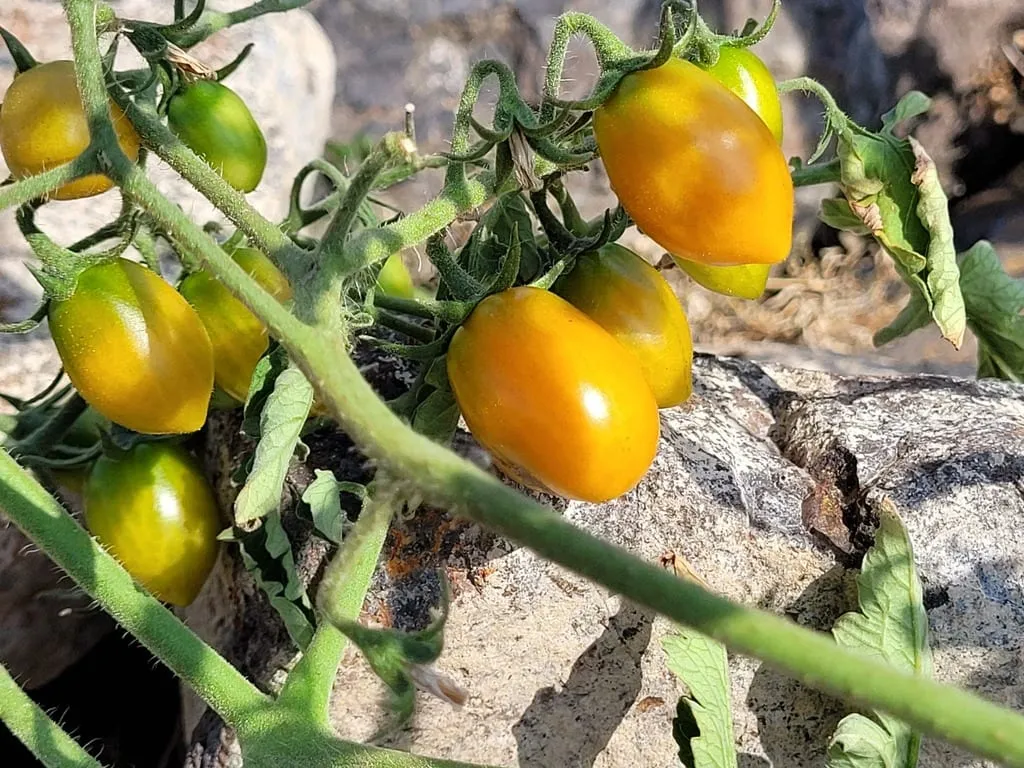
Image: "Tomate", by Andrea, via iNaturalist, licensed under CC-BY Source.
Related