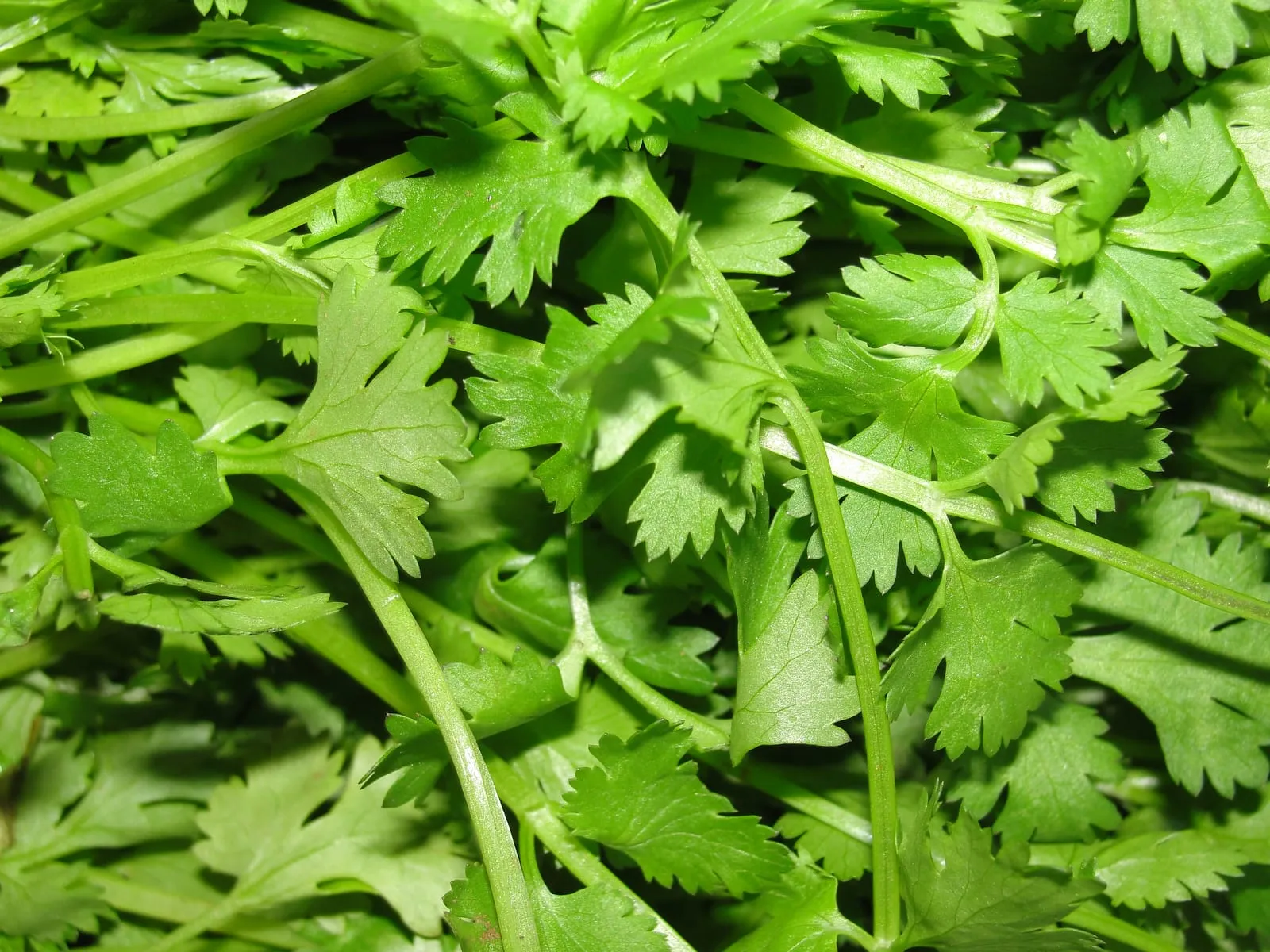
herb
Cilantro / Coriander
Coriandrum sativum
USDA hardiness range
- Zones
- 3b–9b
- Days to harvest
- 40 to 60
- Sun
- Full
- Water
- Moderate
- Lifespan
- annual
Growing cilantro / coriander
Cilantro (Coriandrum sativum) is one of those crops that rewards growers who understand its biology and frustrates those who treat it like a set-and-forget annual. The leaves (cilantro) and dried seeds (coriander) are two distinct products from the same plant, and knowing which you're after shapes how you manage the crop. Leaf harvests come fast, 40 to 60 days from seeding, making cilantro one of the quickest-returning herbs in the kitchen garden.
The crop is broadly adapted, performing across zones 3b through 9b, but there is a catch: cilantro is a cool-season annual that bolts aggressively when temperatures climb above roughly 75°F. In zones 6 and warmer, summer production is largely impractical. The productive windows are spring before heat arrives and fall after it breaks. In zones 8b and 9b, winter is the primary growing season. In zones 3b through 5b, the shorter warm season is actually an advantage, with cool temperatures delaying bolt long enough for multiple harvests.
What separates a productive cilantro planting from a failed one is almost always timing. Seed direct into the garden 2 to 3 weeks before the last frost date for spring crops, or 6 to 8 weeks before the first fall frost for autumn harvests. Succession sowing every 2 to 3 weeks extends the leaf harvest window considerably. Starting cilantro indoors and transplanting is generally counterproductive; the tap root resents disturbance, and transplant stress accelerates bolting.
Recommended varieties
See all 3 →3 cultivars for home growers, with notes on flavor, ripening, and disease resistance.
| Variety | Notes | Zone fit | Disease resistance |
|---|---|---|---|
| Santo | Strong, citrusy, classic cilantro flavor; broad green leaves. Salsa, Asian cooking, garnish. Slow-bolting variety bred to delay flowering, the home-garden standard. | | none noted |
| Slow Bolt | Classic cilantro flavor with a longer leafy phase; broad lush green leaves. Salsa, Mexican cooking. Bred for delayed bolting, holds usable leaves 4-6 weeks longer than older types. | | none noted |
| Calypso | Strong cilantro flavor; the slowest-to-bolt variety available. Salsa, garnish, Asian cooking. Best variety for hot summers and continuous picking. | | none noted |
Soil and site requirements
Cilantro tolerates a range of soils but performs best in well-drained, moderately fertile ground with a pH between 6.2 and 6.8. Heavy clay that stays wet after rain leads to poor germination and root problems; amend with compost or grow in raised beds if drainage is marginal. Overly rich soil high in nitrogen pushes lush vegetative growth but can accelerate the plant toward flowering, which is the opposite of what leaf growers want. A moderate nutrient level is the target.
Full sun is the standard recommendation, but in warmer zones (8a and above), partial afternoon shade meaningfully delays bolting during shoulder-season plantings. A location that receives 4 to 6 hours of direct morning sun and some shade from 1 p.m. onward can extend the harvest window by a week or two compared with an unshielded south-facing bed.
Spacing affects airflow and harvest ease. Direct-sow in bands or patches rather than single rows, thinning to 6 to 8 inches between plants once seedlings are established. Tighter spacing restricts airflow and can invite aphid colonies, particularly in warm, sheltered spots. For growers targeting coriander seed rather than leaf, wider spacing of 10 to 12 inches allows the umbel flower heads to develop more fully and dry down evenly.
Common pests
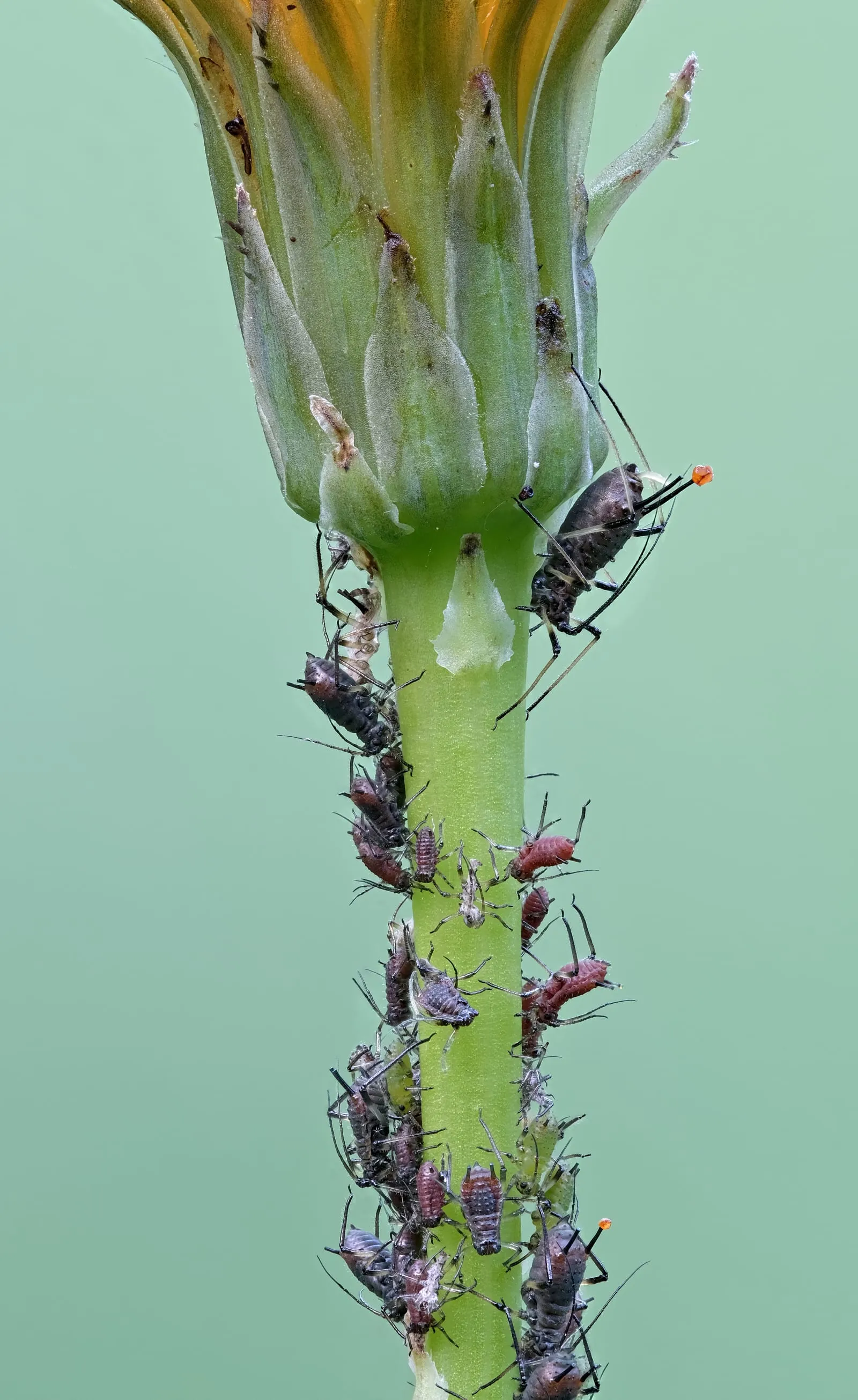
Common challenges
Bolting is the defining challenge of cilantro. Once the plant senses sustained warmth or lengthening days, it redirects energy from leaf production to flower and seed set. In zones 7 and warmer, this transition can occur within 3 to 4 weeks of germination during late spring and summer. The practical response is threefold: choose slow-bolt varieties (Santo, Slow Bolt, or Calypso), time plantings to avoid peak heat, and harvest frequently to slow the transition. Even slow-bolt varieties will flower eventually; they extend the usable leaf window, they do not eliminate bolting.
Aphids are the most reliably encountered pest on cilantro. Colonies establish on the undersides of leaves and in the growing tips, where soft new tissue is most accessible. Light infestations can be knocked back with a firm spray of water; heavier colonies may warrant an insecticidal soap application. The risk is highest in warm, sheltered plantings and during late spring when aphid populations are building across the garden. Beneficial insects, particularly parasitic wasps attracted by cilantro's flowers, provide effective natural control if insecticide use is kept minimal.
Poor germination is the third common failure. Cilantro seeds are actually two seeds fused inside a husk; lightly crushing the husk before sowing improves germination rates. Old seed germinates poorly. Use seed no more than two years old and purchase fresh stock each season rather than relying on leftovers from previous years.
Companion plants
Frequently asked questions
- Does cilantro have any chill-hour requirements?
No. Cilantro is a cool-season annual with no chill-hour requirement. It germinates in soil temperatures from 55°F to 68°F and performs best when daytime temperatures stay below 75°F. The challenge is avoiding heat, not accumulating cold.
- How many days does cilantro take to harvest?
Leaves are ready 40 to 60 days from seeding, depending on temperatures. Harvests come earlier in cool weather when the plant grows steadily without heat stress. Coriander seed requires waiting for the plant to flower and dry down, adding several additional weeks beyond the leaf harvest window.
- What USDA zones can grow cilantro?
Cilantro grows as an annual across zones 3b through 9b. In cooler zones (3b to 6b), spring and fall plantings work well with summer possible in many years. In warmer zones (7a through 9b), production shifts to fall and winter, when temperatures are cool enough to delay bolting.
- Does cilantro need pollinators to produce seed?
Cilantro is self-fertile; the flowers pollinate without any intervention. The umbel flower heads do attract beneficial insects, including parasitic wasps and hoverflies, making cilantro a useful companion plant in the vegetable garden even after the leaf harvest is finished.
- What is the most common pest on cilantro?
Aphids are the primary pest, concentrating on soft new growth and leaf undersides. A strong spray of water handles light infestations; insecticidal soap works for heavier colonies. Avoid broad-spectrum insecticides during flowering, as they harm the beneficial insects that cilantro attracts.
- Why does cilantro bolt so quickly?
Heat and long days trigger flowering. In zones 6 and warmer, summer plantings will bolt within 3 to 4 weeks regardless of variety. Switching to slow-bolt varieties (Santo, Slow Bolt, Calypso), planting in partial afternoon shade, and succession-sowing every 2 to 3 weeks are the most effective strategies for extending the leaf harvest.
- Should cilantro be started indoors or direct-seeded?
Direct seeding is strongly preferred. Cilantro has a tap root that resists transplanting, and even mild root disturbance at transplant time accelerates bolting. Sow seed directly where the plant will grow, starting 2 to 3 weeks before the last frost date for spring crops.
+−
+−
+−
+−
+−
+−
+−
Sources
Image: "A scene of Coriander leaves", by Thamizhpparithi Maari, via Wikimedia Commons, licensed under CC-BY. Source.

Cilantro / Coriander by zone
Related