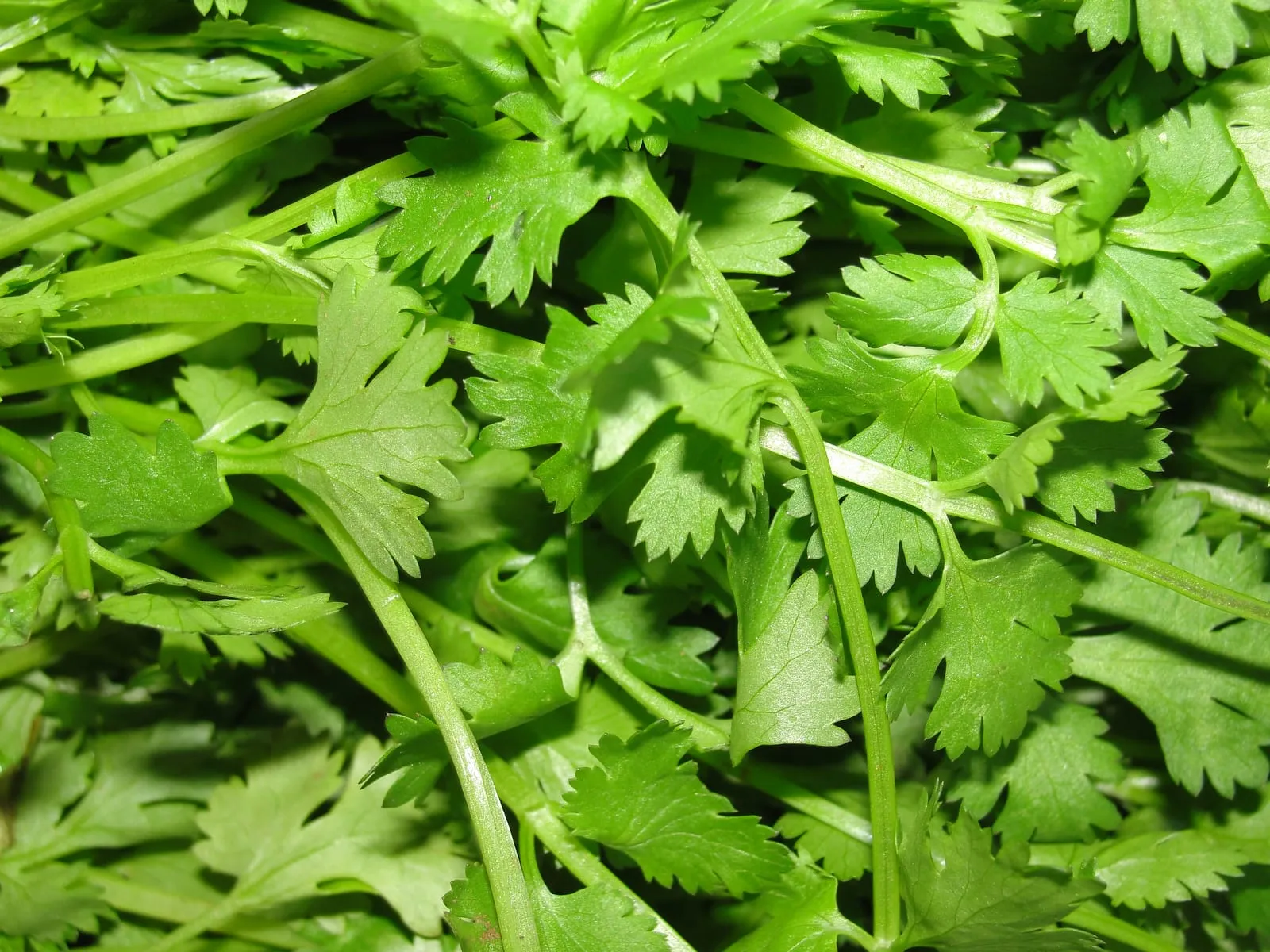
herb in zone 7a
Growing cilantro / coriander in zone 7a
Coriandrum sativum
- Zone
- 7a 0°F to 5°F
- Growing season
- 210 days
- Suitable varieties
- 3
- Days to harvest
- 40 to 60
The verdict
Cilantro is a cool-season annual with no chill-hour requirement, so chill-hour matching does not apply here the way it does for fruit crops. The real constraint in zone 7a is heat: cilantro bolts rapidly once temperatures consistently exceed 80 to 85°F, which rules out summer production. Zone 7a's 210-day growing season includes long, hot summers that interrupt cilantro production rather than supporting it year-round. That said, the shoulder seasons here are genuinely good for cilantro. Spring soil temperatures reach the 50 to 70°F germination sweet spot in late February to March, and the mild fall window from September through early November supports a second productive period. This is not a marginal zone for cilantro; it is a seasonally interrupted one. Growers who plan around two distinct windows, spring and fall, will find zone 7a quite productive.
Recommended varieties for zone 7a
3 cultivars suited to this zone, with disease-resistance and zone-fit annotations.
| Variety | Notes | Zone fit | Disease resistance |
|---|---|---|---|
| Santo fits zone 7a | Strong, citrusy, classic cilantro flavor; broad green leaves. Salsa, Asian cooking, garnish. Slow-bolting variety bred to delay flowering, the home-garden standard. | | none noted |
| Slow Bolt fits zone 7a | Classic cilantro flavor with a longer leafy phase; broad lush green leaves. Salsa, Mexican cooking. Bred for delayed bolting, holds usable leaves 4-6 weeks longer than older types. | | none noted |
| Calypso fits zone 7a | Strong cilantro flavor; the slowest-to-bolt variety available. Salsa, garnish, Asian cooking. Best variety for hot summers and continuous picking. | | none noted |
Critical timing for zone 7a
Last frost in zone 7a typically falls between late March and mid-April; first fall frost arrives in late October to early November. Cilantro seedlings tolerate light frost, so direct sowing can begin 3 to 4 weeks before last frost, roughly late February to mid-March. A sowing made in early March can yield harvestable leaves by mid-April. As daytime temperatures climb past 80°F in late May, plants will bolt and flower; the bolt-to-seed cycle runs roughly 6 to 8 weeks from emergence. A fall succession sown in late August to September matures before the first hard frost and typically produces through early November. Plants that bolt in summer often self-sow, and that seed germinates reliably into the fall crop without replanting.
Common challenges in zone 7a
- ▸ Cedar-apple rust
- ▸ Brown rot
- ▸ Fire blight
- ▸ High humidity disease pressure
Modified care for zone 7a
The main adaptation in zone 7a is succession planting to outrun the heat. A single spring sowing bolts by late May; staggered sowings every 2 to 3 weeks from late February through April extend the leaf harvest into early summer. Slow Bolt and Calypso varieties add a week or two before bolting under heat stress, which helps in zone 7a's rapid spring warm-up. Summer cilantro production for leaf harvest is not practical here; a more useful approach is letting a few spring plants bolt and set seed, which replenishes the soil seed bank and often produces a fall stand with no direct effort. Zone 7a's 0 to 5°F winter minimum will kill any remaining aboveground growth, but seed in the soil overwinters without issue. The high humidity common in zone 7a can encourage damping off in seedlings; spacing plants 6 inches apart and avoiding overhead watering in the evening reduces that risk.
Frequently asked questions
- Can cilantro survive winter in zone 7a?
Established cilantro plants will not survive zone 7a's coldest nights, which can drop to 0 to 5°F. However, mature seed left in the soil overwinters reliably and germinates in late winter once soil temperatures rise above 50°F, effectively creating a self-seeding cycle.
- Which cilantro variety holds up best in zone 7a heat?
Slow Bolt and Calypso are the most practical choices for spring planting in zone 7a. Both are bred to delay flowering under warm conditions, extending the leaf harvest by a week or two compared to standard varieties like Santo. No variety will hold through a zone 7a summer, but these buy useful time in late spring.
- How many harvests can a zone 7a grower expect per year?
Two distinct harvests are realistic: a spring window from roughly mid-April through late May, and a fall window from mid-September through early November. Succession sowing within each window can stretch the harvest considerably beyond what a single planting provides.
+−
+−
+−
Cilantro / Coriander in adjacent zones
Image: "A scene of Coriander leaves", by Thamizhpparithi Maari, via Wikimedia Commons, licensed under CC-BY Source.

Related