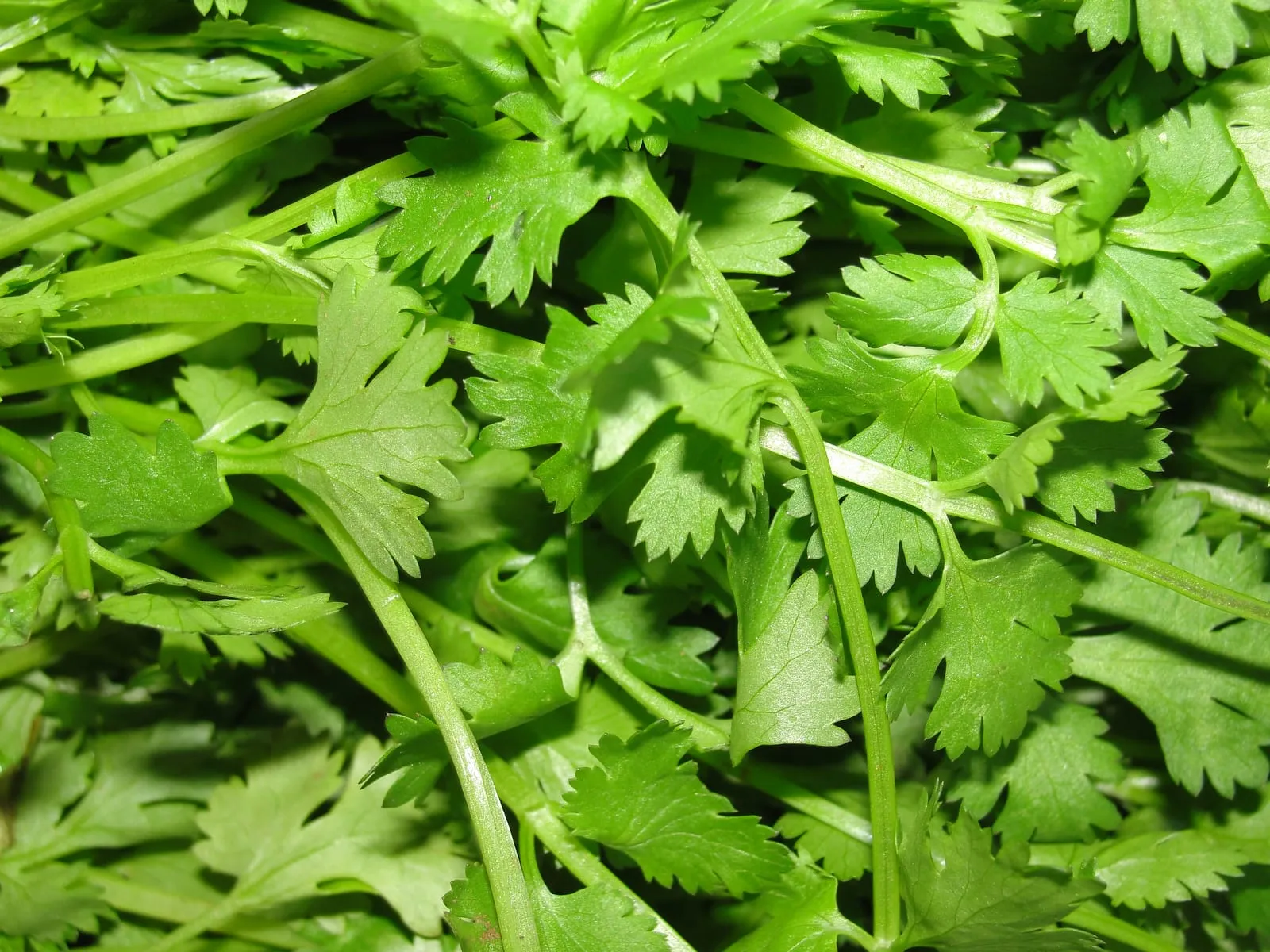
herb in zone 6b
Growing cilantro / coriander in zone 6b
Coriandrum sativum
- Zone
- 6b -5°F to 0°F
- Growing season
- 190 days
- Suitable varieties
- 3
- Days to harvest
- 40 to 60
The verdict
Cilantro is a cool-season annual with no chill-hour requirement, so the primary question in zone 6b is not winter cold tolerance but summer heat management. Zone 6b offers two productive windows each season: a spring window before daytime temperatures reliably exceed 75 to 80°F, and a fall window that often outlasts the spring planting before the first hard frost. The 190-day growing season is long enough to run multiple successions.
This is a solid zone for cilantro, not a marginal one. The winters are cold enough to kill overwintered plants, but seeds dropped in fall will often germinate on their own in early spring. The main constraint is the July and August heat that triggers rapid bolting. Bolt-resistant varieties such as Slow Bolt and Calypso extend the leaf harvest by several weeks under summer conditions, but no variety eliminates the bolting response entirely when heat sets in.
Recommended varieties for zone 6b
3 cultivars suited to this zone, with disease-resistance and zone-fit annotations.
| Variety | Notes | Zone fit | Disease resistance |
|---|---|---|---|
| Santo fits zone 6b | Strong, citrusy, classic cilantro flavor; broad green leaves. Salsa, Asian cooking, garnish. Slow-bolting variety bred to delay flowering, the home-garden standard. | | none noted |
| Slow Bolt fits zone 6b | Classic cilantro flavor with a longer leafy phase; broad lush green leaves. Salsa, Mexican cooking. Bred for delayed bolting, holds usable leaves 4-6 weeks longer than older types. | | none noted |
| Calypso fits zone 6b | Strong cilantro flavor; the slowest-to-bolt variety available. Salsa, garnish, Asian cooking. Best variety for hot summers and continuous picking. | | none noted |
Critical timing for zone 6b
In zone 6b, the last spring frost typically falls in late April, and the first fall frost arrives around mid-October. Cilantro seed can be direct-sown 3 to 4 weeks before last frost, putting the earliest outdoor sowings in late March to early April. Germination takes 7 to 14 days in cool soil; usable leaf harvest begins 3 to 4 weeks after that.
Bolting to flower accelerates once daytime temperatures consistently reach the upper 70s, typically June in zone 6b. Coriander seed matures roughly 60 to 90 days after germination. For fall production, sow in late August through mid-September to capture the cooler weeks before the first frost. Fall-sown plants often stay harvestable longer than spring sowings because temperatures are declining rather than rising.
Common challenges in zone 6b
- ▸ Cedar-apple rust
- ▸ Fire blight
- ▸ Stink bugs
Modified care for zone 6b
The practical adjustment for zone 6b is building succession planting into the routine. A single spring sowing produces a short leaf harvest before bolting; sowings every 2 to 3 weeks from early April through May extend that window considerably. Locating spring plantings where they receive afternoon shade delays the heat accumulation that triggers bolting, particularly in warmer microclimates within the zone.
Fall plantings benefit from full sun, since the challenge shifts from heat management to maximizing growth before frost. Stink bugs, which are active through early fall in zone 6b, can damage ripening coriander seed heads; netting or prompt harvest once seeds begin to dry reduces losses. Cilantro does not require mulching for winter survival, but allowing plants to go to seed in fall provides volunteer seedlings the following spring, effectively maintaining a self-sustaining patch with minimal intervention.
Frequently asked questions
- Can cilantro survive winter in zone 6b?
Cilantro plants do not survive zone 6b winters. However, seeds dropped by late-season plants often overwinter in the soil and germinate reliably in early spring, providing a natural head start without replanting.
- Which cilantro variety bolts slowest in zone 6b?
Slow Bolt and Calypso are the most heat-tolerant options for zone 6b. Both delay flowering by 2 to 4 weeks compared to standard Santo under warm conditions, though neither eliminates bolting once sustained heat arrives.
- Is fall or spring better for growing cilantro in zone 6b?
Fall plantings often produce longer usable harvests in zone 6b because temperatures are declining, slowing the bolt trigger. Spring plantings are shorter-lived as rising summer heat pushes plants to flower. Running both windows, with succession sowings, is the most reliable approach.
+−
+−
+−
Cilantro / Coriander in adjacent zones
Image: "A scene of Coriander leaves", by Thamizhpparithi Maari, via Wikimedia Commons, licensed under CC-BY Source.

Related