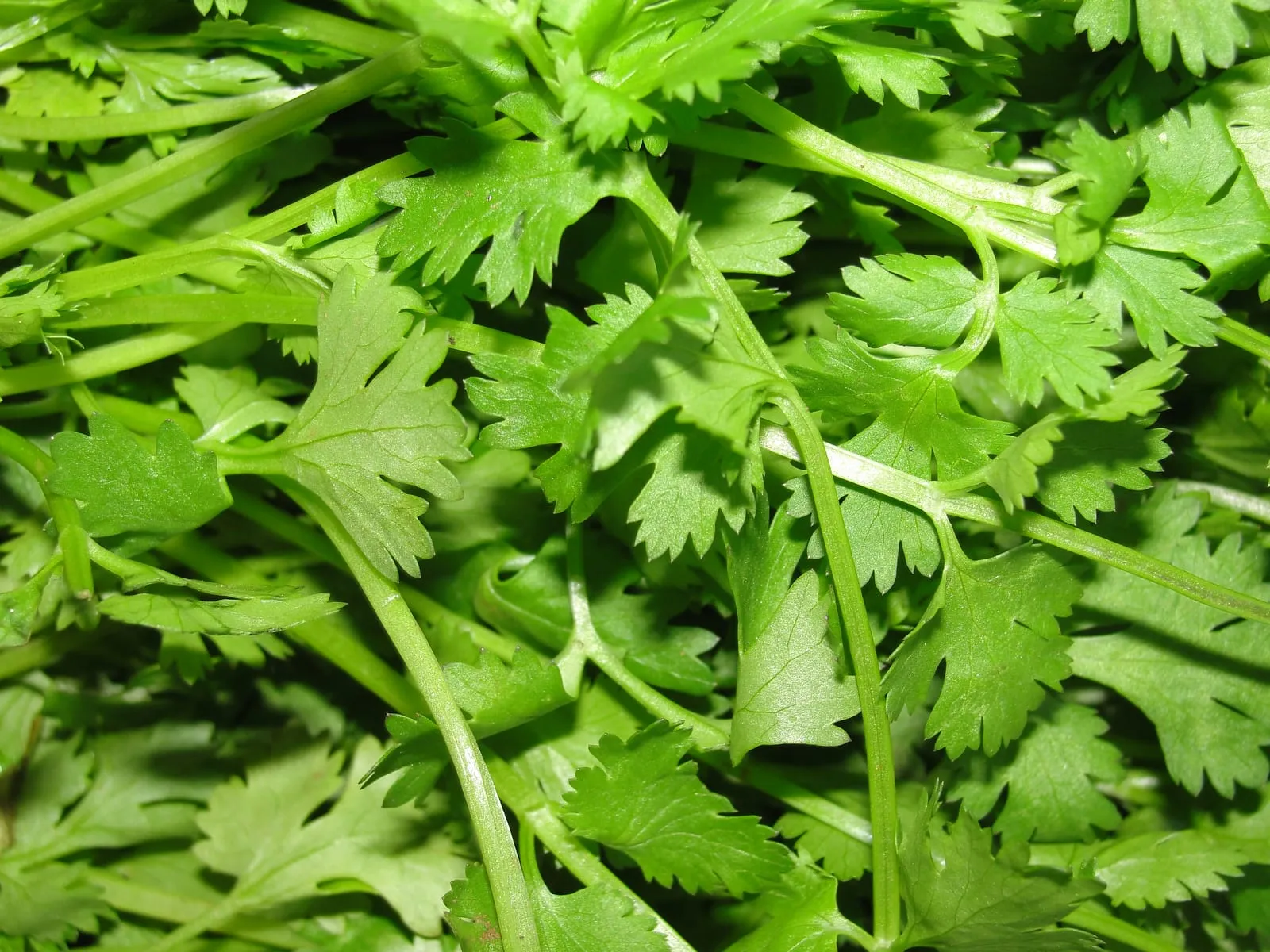
herb in zone 6a
Growing cilantro / coriander in zone 6a
Coriandrum sativum
- Zone
- 6a -10°F to -5°F
- Growing season
- 180 days
- Suitable varieties
- 3
- Days to harvest
- 40 to 60
The verdict
Cilantro is a cool-season annual, and zone 6a suits it well. The crop's primary limitation is heat, not cold: bolting (premature flowering) occurs when daytime temperatures consistently exceed 75 to 80°F. Zone 6a's reliable cool springs and mild autumns create two distinct growing windows each season, which is a genuine advantage over warmer zones where heat arrives early and stays late.
Note that chill hours, a metric relevant to fruit trees requiring winter dormancy, do not apply to cilantro. What matters for this crop is the window of cool temperatures between the last spring frost and the onset of summer heat, and again between the end of summer and the first fall frost. In zone 6a, both windows are long enough to produce meaningful harvests.
The varieties Santo, Slow Bolt, and Calypso are all well-matched to zone 6a conditions. Slow Bolt and Calypso are specifically bred to delay flowering under warming conditions, which extends the harvest window by one to two weeks compared to standard selections.
Recommended varieties for zone 6a
3 cultivars suited to this zone, with disease-resistance and zone-fit annotations.
| Variety | Notes | Zone fit | Disease resistance |
|---|---|---|---|
| Santo fits zone 6a | Strong, citrusy, classic cilantro flavor; broad green leaves. Salsa, Asian cooking, garnish. Slow-bolting variety bred to delay flowering, the home-garden standard. | | none noted |
| Slow Bolt fits zone 6a | Classic cilantro flavor with a longer leafy phase; broad lush green leaves. Salsa, Mexican cooking. Bred for delayed bolting, holds usable leaves 4-6 weeks longer than older types. | | none noted |
| Calypso fits zone 6a | Strong cilantro flavor; the slowest-to-bolt variety available. Salsa, garnish, Asian cooking. Best variety for hot summers and continuous picking. | | none noted |
Critical timing for zone 6a
In zone 6a, direct sow cilantro outdoors two to four weeks before the last expected frost, typically late March through mid-April depending on local elevation and microclimate. Soil temperature of 50 to 65°F supports reliable germination. Leaf harvest begins at 45 to 60 days from sowing.
As summer heat builds in June and July, plants bolt and shift energy to seed production. The seeds (coriander) are harvestable roughly 90 to 100 days from sowing, once the seed heads turn tan and dry.
For fall production, sow again in late August to mid-September, roughly six to eight weeks before the first expected fall frost in zone 6a (typically mid to late October). Fall-grown cilantro often produces better leaf quality than spring plantings because day length is shortening alongside temperature, which slows bolting.
Common challenges in zone 6a
- ▸ Brown rot in stone fruit
- ▸ Japanese beetles
- ▸ Spring frost damage to peach buds
Modified care for zone 6a
The primary management task in zone 6a is succession planting. A single sowing produces a narrow harvest window before bolting ends leafy production. Sowing every two to three weeks from early April through late May extends the spring harvest, and a similar cadence applies for fall.
Zone 6a winters are too cold for cilantro to overwinter as a living plant, but self-seeding is possible in sheltered beds with mulch cover. Volunteer seedlings often emerge in early spring from seed that overwintered in the soil, effectively providing a free early planting.
Summer heat management matters most in the southern end of zone 6a, where July temperatures may push plants to bolt faster than in cooler microclimates. Shade cloth rated at 30 to 40% can extend the spring window by a week or two in those conditions. Consistent soil moisture also slows bolting; dry stress accelerates it. No disease-specific adjustments are required for cilantro in zone 6a.
Frequently asked questions
- Can cilantro survive winter in zone 6a?
No. Cilantro is a frost-tender annual that will not survive zone 6a winters, where temperatures can reach -10°F. However, mature plants that have gone to seed can leave viable coriander seeds in the soil, and volunteer seedlings sometimes emerge the following spring.
- Why does cilantro bolt so quickly in summer?
Cilantro is genetically triggered to flower by a combination of heat and lengthening days. Once temperatures consistently exceed 75 to 80°F, the plant shifts resources from leaf to seed production. Slow Bolt and Calypso varieties are bred to delay this transition, buying one to two extra weeks of harvest.
- When should I plant cilantro in zone 6a for fall harvest?
Sow in late August to mid-September, targeting a planting at least six weeks before the first expected frost in your specific location. Fall plantings often produce better leaf quality than spring because cooling temperatures and shortening days both slow bolting.
+−
+−
+−
Cilantro / Coriander in adjacent zones
Image: "A scene of Coriander leaves", by Thamizhpparithi Maari, via Wikimedia Commons, licensed under CC-BY Source.

Related